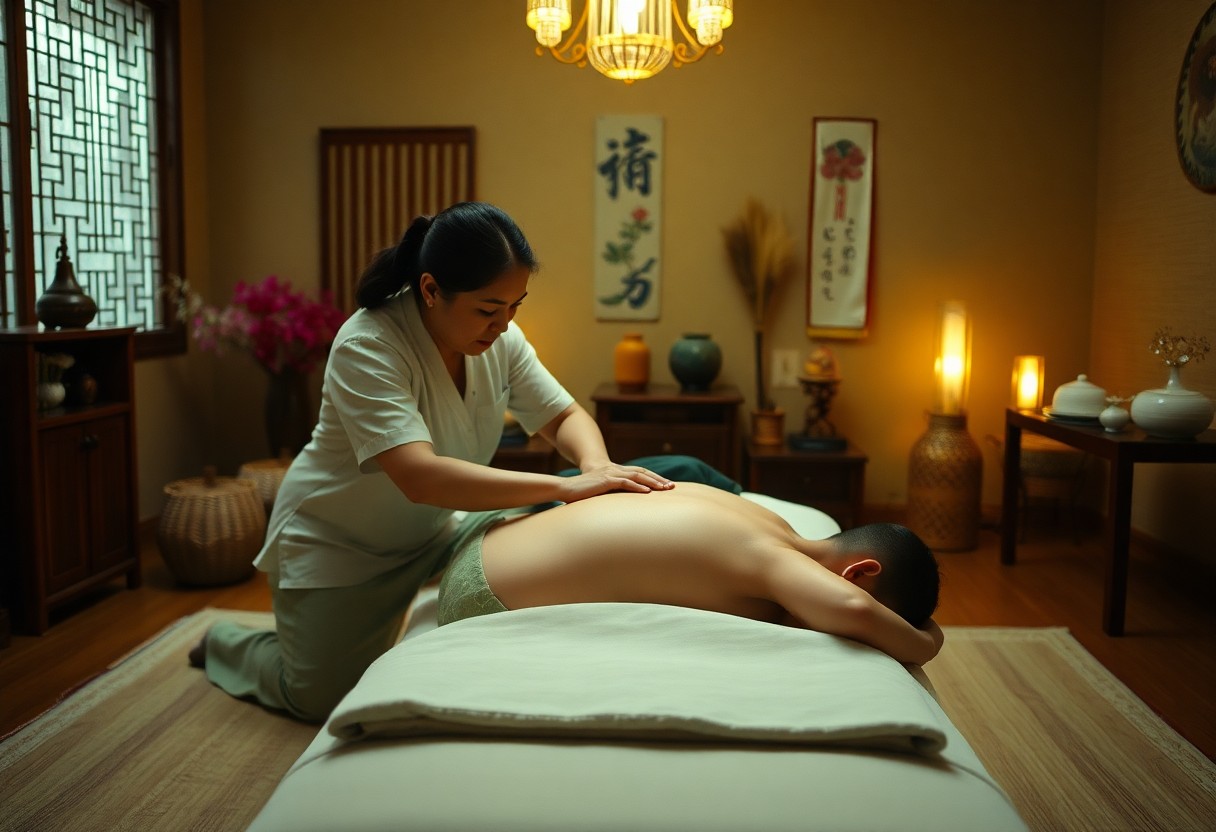
Massage Techniques

The Best Hand Massage Techniques for Sore Muscles

Techniques such as kneading, stroking, and pressing can effectively soothe sore muscles in your hands and forearms. By incorporating specific hand massage methods, you can relieve tension, improve circulation, and promote relaxation after a long day of work or strenuous activities. In this post, you’ll discover the most effective hand massage techniques that not only alleviate discomfort but also enhance your overall well-being. Get ready to relieve your sore muscles and enjoy the benefits of a simple yet powerful self-care routine.

Key Takeaways:

  • Warm-Up: Begin with gentle strokes to warm up the hands and increase blood flow.
  • Pressure Points: Focus on specific areas like the palms, fingers, and wrist to alleviate tension.
  • Stretching: Incorporate stretching techniques to enhance flexibility and relieve tightness in the muscles.
  • Technique Variety: Use a combination of kneading, rubbing, and tapping for a more effective massage.
  • Hydration: Keep hands moisturized with lotion or oil for better glide and to nourish the skin.

Understanding Muscle Soreness

Your muscles may feel sore due to a variety of factors, including intense physical activity or prolonged periods of inactivity. This soreness, known as delayed onset muscle soreness (DOMS), usually occurs after unfamiliar or strenuous exercises, revealing the body’s natural response to exertion and the process of muscle repair and growth. Recognizing the signs and causes of muscle soreness can guide you towards effective recovery methods, including hand massage techniques that can alleviate discomfort.

Causes of Sore Muscles

Between repetitive activities, weight lifting, or even extended sitting, your muscles can experience micro-tears that lead to soreness. This occurs as a natural part of the body’s adaptation to exercise, where fibers break down and rebuild. Overexertion and sudden increases in activity can intensify the soreness you feel, making it necessary to understand your activity levels and rest periods.

Benefits of Hand Massage

Beside alleviating soreness, hand massage offers numerous benefits that enhance muscle recovery and overall well-being. By promoting blood circulation, hand massage helps deliver necessary nutrients to muscles, facilitating repair. This technique also reduces stiffness and increases flexibility, allowing for more comfortable movement. Moreover, the relaxation induced by hand massage can improve your overall mood and reduce stress levels.

Hence, incorporating hand massage into your recovery routine can significantly impact your muscle health. It not only eases tension and pain but also accelerates the healing process by improving circulation and reducing inflammation. Regular sessions can enhance your flexibility, making physical activities more enjoyable and sustainable over time. The soothing effects of hand massage also contribute to mental relaxation, ensuring that you feel rejuvenated and ready to tackle your next workout.

Essential Hand Massage Techniques

Any effective hand massage begins with mastering a few necessary techniques that target sore muscles. These skills not only provide relief but can also enhance blood circulation and promote relaxation. Incorporating these methods into your routine can lead to significant improvements in hand health and comfort.

Effleurage

At the start of your hand massage, you should utilize effleurage, a gentle stroking technique that warms up the muscles and eases tension. Use your palms to glide over the entirety of your hand and forearm, applying light to moderate pressure. This technique sets the stage for deeper manipulation.

Petrissage

Before diving deeper into the massage, it’s necessary to incorporate petrissage. This involves kneading and squeezing the muscles, targeting knots and tightness effectively. By using your fingers and thumbs, you can apply more pressure to specific areas, promoting relaxation and blood flow.

Hence, as you perform petrissage, focus on the webbing between your fingers, your wrists, and the fleshy pads around your thumbs. These areas often harbor tightness and tension from daily activities. As you knead, alternate between firm and gentle pressure to optimize relief and ensure a rejuvenating experience for your hands.

Friction

Techniques such as friction involve applying deeper pressure through circular or back-and-forth movements. This can help break down muscle adhesions and improve circulation. When you apply friction, focus on areas where you feel tightness, allowing your fingers to work deeply into the muscle tissue.

A well-executed friction technique can significantly enhance your hand massage outcome. It stimulates blood flow to the area, reduces muscle weariness, and promotes greater flexibility. By making this technique a regular part of your hand massage routine, you can effectively manage discomfort and maintain optimal hand function.

Targeting Specific Muscle Groups

All massage techniques aim to relieve tension and promote relaxation, but targeting specific muscle groups enhances the effectiveness of your hand massage. Focusing on specific areas can provide targeted relief for sore muscles. To explore more about the Potential Benefits of a Hand Massage and How To Do … it, you can enhance your overall wellness and comfort.

Hands and Fingers

With a gentle approach, you can relieve stiffness in your hands and fingers. Start by using your thumb to press down firmly on each finger joint, moving from the knuckles to the fingertips. This promotes flexibility and eases tension in the tendons, making daily tasks feel more manageable.

Wrists and Forearms

To enhance mobility in your wrists and forearms, it’s important to include targeted massage techniques that address these areas directly. Make sure to apply pressure along the length of the forearm muscles, paying attention to points of tightness.

Understanding the anatomy of your forearms and wrists can guide you to pinpoint tight areas more effectively. The muscles in these regions often become tense from repetitive movements or prolonged positions. Use your opposite hand to knead each muscle group systematically, providing relief while improving blood circulation. This treatment can prove especially beneficial if you spend long hours typing or performing manual tasks.

Tools and Aids for Hand Massage

Now that you understand the principles behind hand massage, incorporating specific tools and aids can enhance your experience and optimize results. Various items, such as massage balls, foam rollers, and hand-held devices can help target sore muscle areas and improve overall circulation. Utilizing these tools properly can lead to more effective relaxation and relief from discomfort, making your hand massage sessions even more beneficial.

Massage Balls

Between your fingers and palms, you can use massage balls to apply targeted pressure and alleviate tightness. These small, firm tools are perfect for rolling out the muscles in your hands, allowing you to focus on specific trigger points that may be causing discomfort. By moving the ball in circular motions or applying firm pressure, you can release tension and increase blood flow.

Foam Rollers

Behind your hands, foam rollers serve as a versatile tool for self-massage and muscle recovery. These larger implements can help stretch and release tension not only in your hands but also in your forearms and wrists, which are vital for overall hand function.

But foam rollers are not just limited to broader areas like the forearms; they can be effectively utilized for specific hand techniques as well. By gently rolling your palm and fingers over the foam roller, you can achieve deeper pressure and release tight muscles that might be impeding mobility. The unique texture of foam rollers can also provide a stimulating effect, enhancing your overall massage experience. Use this tool strategically in your routine to ensure every aspect of your hand and forearm gets the attention it deserves.

Tips for an Effective Massage Session

To maximize the benefits of your hand massage, keep these techniques in mind:

  • Use a comfortable position to relax your hand and wrist.
  • Apply sufficient pressure, especially on sore spots.
  • Incorporate kneading and circular motions for variety.
  • Stay hydrated before and after your session.
  • Set a specific duration to maintain focus and prevent fatigue.

Assume that these elements will enhance your overall experience and effectiveness.

Setting the Right Environment

Effective massages begin with a conducive environment. Find a quiet space where you can focus on the sensations and movements without distractions. Dim the lights, play soft music, or use vital oils to create a calming atmosphere. Comfort is key, so sit or lie in a position that allows for maximum relaxation and accessibility to your hands.

Listening to Your Body

Environment plays a significant role in how you receive a massage. Pay attention to your body’s signals throughout the session. If you experience discomfort or pain, it may indicate that you’re applying too much pressure or focusing on the wrong areas. Adjust your technique as needed and ensure that your massage feels beneficial rather than overwhelming.

For instance, if you notice tightness in a particular muscle during your massage, spend more time working on that area. You might switch to gentler strokes or employ different pressure techniques, such as using your fingertips or palms. Stay attuned to how your body responds, and don’t hesitate to modify your approach based on what feels right for you during the massage.

When to Seek Professional Help

For your well-being, it’s important to understand when self-care isn’t enough. If home massage techniques fail to alleviate your sore muscles, or if the pain becomes increasingly persistent and severe, it’s time to consult a professional. Seeking help early can prevent further complications and promote faster recovery.

Recognizing Severe Pain

The onset of severe pain in your hands can be indicative of underlying issues that require immediate attention. If you experience sharp, sudden pain, persistent numbness, or other unusual sensations that do not improve with rest or basic self-care techniques, it is important to seek professional evaluation. Ignoring these symptoms could lead to more serious conditions.

Finding a Qualified Practitioner

Pain management often benefits from the expertise of qualified practitioners. When looking for someone to help with your hand pain, choose professionals who specialize in manual therapy, such as physical therapists or licensed massage therapists. Ensure they have the necessary credentials and experience treating muscular issues like yours.

Professional practitioners not only have the training to address your specific concerns, but they can also provide tailored treatment plans that facilitate healing. They will assess the severity of your condition and offer modalities suitable for your recovery. Additionally, they can educate you on preventative measures and exercises to maintain hand health and prevent future discomfort.

To wrap up

Ultimately, mastering hand massage techniques can significantly alleviate sore muscles and enhance your overall well-being. By incorporating these methods into your routine, you can effectively target tension and promote relaxation in your hands and arms. Whether you’re seeking immediate relief or looking to improve your self-care practices, understanding how to apply these techniques empowers you to take control of your muscle recovery and maintain optimal hand health for daily activities.

Q: What are the benefits of hand massage for sore muscles?

A: Hand massage can provide numerous benefits for sore muscles, including increased blood circulation, reduced tension, and improved flexibility. By applying gentle pressure and various techniques to the muscles in your hands and forearms, you can help alleviate discomfort and promote relaxation. This form of massage can also stimulate the release of endorphins, which act as natural painkillers, enhancing your overall mood and sense of well-being.

Q: What are some effective hand massage techniques for relieving sore muscles?

A: There are several effective hand massage techniques that can help relieve sore muscles. One popular method is the kneading technique, where you use your thumbs to apply gentle pressure to the palm and fingers in a circular motion. Another technique is the stretching method, which involves gently pulling each finger and stretching the entire hand to release tension. For deeper relief, consider the thumb-press technique, pressing your thumb into areas of tension, such as the base of the thumb or the webbing between fingers. Combining these techniques can lead to a comprehensive massage experience for sore muscles.

Q: How often should I perform hand massages to relieve sore muscles?

A: The frequency of hand massages to relieve sore muscles depends on individual needs and the level of soreness experienced. Generally, performing a hand massage 2-3 times a week can be beneficial for maintaining muscle health and reducing tension. However, if you experience acute soreness, you might want to consider doing a massage daily until the discomfort subsides. Listening to your body and adjusting the frequency according to your comfort level is key to maximizing the benefits of hand massage.
Aquatic Massage – What It Is and Why It Works

It’s no secret that managing stress and alleviating muscle tension can significantly enhance your overall well-being. One effective method to achieve this is through aquatic massage, a soothing technique that utilizes water’s buoyancy and warmth to promote relaxation and healing. This unique form of therapy combines the benefits of massage with hydrotherapy, allowing you to experience a deeper level of relaxation. To learn more about similar practices, check out Hydromassage: What it is, benefits, costs, and more.

Key Takeaways:

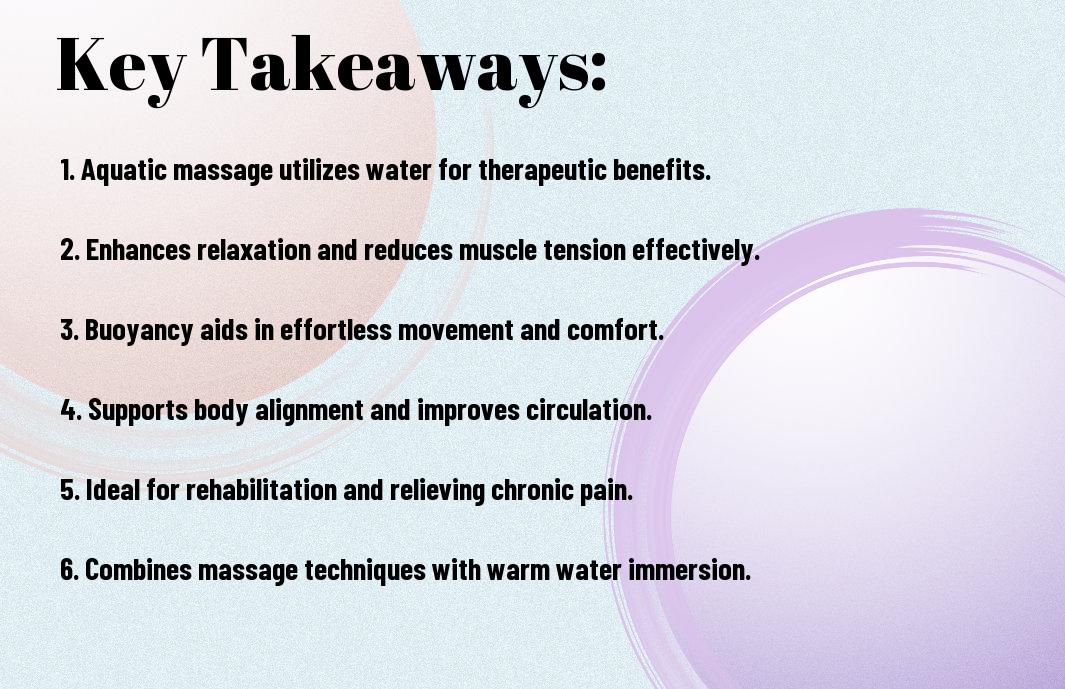
  • Aquatic Massage is a type of bodywork performed in water, utilizing the buoyancy of the water to support relaxation and improve circulation.
  • Benefits include relief from muscle tension, stress reduction, and enhanced mobility, making it suitable for various physical conditions.
  • Hydrotherapy principles are incorporated, where the warm water helps to soothe sore muscles and joints, further promoting relaxation.
  • The practice encourages a deeper connection between mind and body, fostering an optimal environment for healing and rejuvenation.
  • It is especially beneficial for individuals with limited mobility, allowing them to experience massage without the weight and strain typically felt on land.

Aquatic Massage

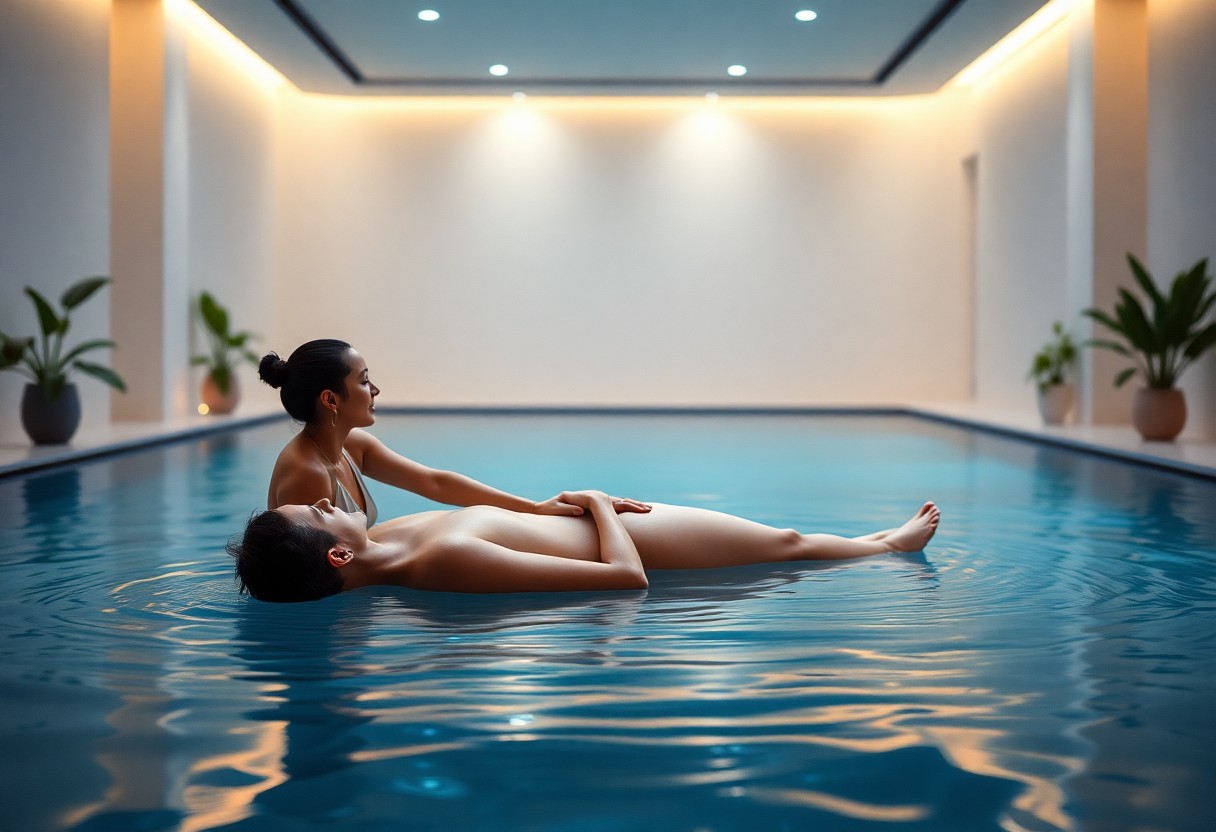
Your journey into relaxation and healing begins with aquatic massage, a holistic bodywork practice that combines the therapeutic benefits of water with skilled massage techniques. This innovative approach takes place in a warm, shallow pool, allowing your body to float and experience a gentle, soothing touch that relieves tension and promotes deep relaxation. The buoyancy of water supports your body, making the techniques more effective while reducing strain on muscles and joints.

Definition and Overview

Before entering into the specifics, it’s important to understand that aquatic massage is a unique form of therapy that leverages the properties of water to enhance traditional massage techniques. By utilizing the soothing warmth of water and the weightlessness it provides, you can experience an elevated sense of relaxation and a deeper connection to your body during the session. This method is often used for stress relief, rehabilitation, and overall well-being.

Techniques and Methods

Methods employed in aquatic massage vary but primarily include floating, gentle stretching, and rhythmic pressure application. Each technique is designed to relax your muscles and facilitate movement, promoting a sense of tranquility. The therapist utilizes both hands-on manipulation and the supportive environment of water to target specific areas of tension and stress in your body.

Aquatic massage techniques can include fluid movements that mimic traditional massage strokes, such as kneading and gliding, adapted to the aquatic setting. Water enhances these methods, enabling a level of relaxation that can be hard to achieve on land. The therapist’s intuitive touch, combined with the calming effects of the water, allows you to surrender to the experience fully, fostering a profound sense of peace and well-being.

The Science Behind Aquatic Massage

If you’re curious about how aquatic massage works, numerous studies highlight its unique benefits. The combination of buoyancy and water temperature facilitates relaxation while reducing muscle tension. This environment allows you to experience deeper tissue manipulation without the usual discomfort associated with traditional massage, ultimately promoting healing and well-being. The hydrostatic pressure from the water also enhances circulation, making your body respond more effectively to the massage techniques employed.

Physiological Benefits

Along with relieving stress, aquatic massage provides numerous physiological benefits. The warm water helps dilate blood vessels, improving circulation while easing muscle tension. As your body floats, gravity’s effects are minimized, allowing for greater flexibility and range of motion. This can accelerate recovery from injuries and enhance overall mobility.

Psychological Effects

The soothing environment of aquatic massage creates a tranquil space for mental relaxation. You may find that the warm water and gentle movements activate your body’s natural relaxation response. This can reduce anxiety levels, improve mood, and foster an overall sense of well-being.

At a deeper level, aquatic massage allows your mind to disconnect from daily stressors. The sensory experience of being submerged in water can trigger a meditative state, promoting mindfulness and self-awareness. Through this immersion, you can cultivate a profound sense of peace, leaving you refreshed mentally and emotionally after each session.

Applications of Aquatic Massage

After understanding the fundamentals of aquatic massage, it is important to explore its diverse applications. This therapeutic technique caters to a wide range of needs, from promoting physical healing to enhancing relaxation. Whether you are dealing with a specific ailment or simply seeking a sense of tranquility, aquatic massage offers versatile solutions tailored to your individual requirements.

Therapeutic Uses

Aquatic massage is particularly beneficial for addressing various health issues. It aids in relieving muscle tension, reduces pain, and enhances circulation. You can experience improvements in your overall mobility and flexibility, making it an excellent choice if you are recovering from injuries or managing chronic pain conditions.

Recreational Benefits

By incorporating aquatic massage into your wellness routine, you also tap into its recreational benefits. This approach promotes relaxation, reduces stress levels, and improves your mood. The soothing effects of water combined with targeted massage techniques allow you to unwind effectively, making it a great way to recharge and rejuvenate your body and mind.

Benefits of aquatic massage extend beyond physical relief. You will find that the gentle buoyancy of water alleviates stress on your joints and muscles, allowing you to enjoy the experience fully. This unique environment promotes a deep state of relaxation, enabling you to let go of daily pressures and immerse yourself in the therapeutic sensations. Over time, you might discover that regular sessions not only improve your physical state but also enhance your mental well-being, helping you to cultivate a more balanced lifestyle.

Comparing Aquatic Massage to Traditional Massage

Keep in mind that both aquatic massage and traditional massage have their unique qualities and benefits. Below, you can see a comparison of their key features.

Comparison Table

Aquatic Massage Traditional Massage
Performed in water, allowing for buoyancy Done on a stable surface, usually a massage table
Gentler pressure with less physical strain Can utilize a variety of techniques with varying pressure
Enhanced relaxation due to warmth of water Relaxation may come from the therapist’s touch and techniques
Improved range of motion through resistance Focuses on muscle tension release and therapy

Key Differences

Behind the scenes, the environment and methodology of these two techniques set them apart. Aquatic massage leverages the unique properties of water for support and relaxation, while traditional massage relies on the therapist’s touch and techniques on dry surfaces. Understanding these differences can help you choose the option that aligns best with your wellness goals.

Unique Advantages

The benefits of aquatic massage extend beyond just relaxation. This method allows you to experience relief from stress in a soothing environment, complemented by the buoyancy of water. You may find that aquatic massage can effectively enhance your movement and flexibility, particularly if you have physical limitations or are recovering from an injury.

Advantages continue as the water’s warmth can increase blood circulation and promote healing—two effects that may be less pronounced in traditional settings. With reduced joint strain and sustained comfort, you might find lasting relief from chronic pain or tension. Ultimately, choosing aquatic massage could lead to a more enjoyable and restorative experience, ensuring you feel pampered and rejuvenated.

Who Can Benefit from Aquatic Massage?

Now, aquatic massage offers therapeutic advantages for a diverse array of individuals. Whether you are an athlete seeking recovery, someone managing chronic pain, or simply looking to reduce stress, this treatment is accessible and effective for many. The buoyancy of water can relieve pressure, allowing you to relax while still receiving the benefits of deep tissue manipulation. It’s especially advantageous for those with limited mobility or joint issues, making it a valuable addition to your wellness routine.

Ideal Candidates

At its core, aquatic massage is ideal for individuals of all ages who are seeking relaxation and therapeutic benefits. Specifically, those dealing with musculoskeletal issues, fibromyalgia, or anxiety may find significant relief through this unique approach. Athletes may also benefit from enhanced recovery and improved flexibility following strenuous activities.

Precautions and Considerations

Ideal candidates should also be aware of certain precautions before indulging in aquatic massage. Individuals with specific medical conditions, such as severe cardiovascular issues or open wounds, should consult a healthcare professional prior to treatment. Additionally, it’s important to communicate any allergies, sensitivities, or preferences you may have with your therapist to ensure a safe and comfortable experience.

Benefit from thorough communication about your health history and any discomfort during the session. This allows your therapist to adapt the treatment to your individual needs, ensuring a personalized experience. If you’re pregnant, discussing your condition with a healthcare provider is also important to prevent any complications during treatment. Combining awareness of your body’s signals with professional guidance can enhance the benefits of aquatic massage while keeping your safety a priority.

How to Find an Aquatic Massage Practitioner

Not all massage therapists are equipped to provide aquatic massage. To ensure an effective experience, it’s necessary to seek out practitioners who specialize in this unique form of therapy. You can start your search by checking local wellness centers, spas, or even fitness facilities that offer aquatic therapy programs. Online directories and professional associations can also help you find licensed practitioners in your area who have experience in aquatic massage. Don’t hesitate to ask about their specific training and experience to ensure they meet your needs.

Qualifications and Training

Across the United States, aquatic massage practitioners typically have backgrounds in massage therapy, physical therapy, or related fields. Look for individuals who have completed specialized training programs that focus on aquatic techniques, water safety, and hydrotherapy. Certifications from reputable organizations indicate a level of expertise and will contribute to your overall experience during the session.

What to Expect in a Session

Along with the soothing environment of warm water, you can expect a personalized approach tailored to your specific needs and preferences during your aquatic massage session. The practitioner will guide you through various movements, blending gentle stretching, buoyancy support, and massage techniques to encourage relaxation and pain relief.

Even as you float in the water, the sensation of weightlessness allows your body to relax deeply, making it easier for the therapist to work out tight muscles and improve circulation. You will likely begin with a warm-up period to acclimate to the water and establish comfort before the practitioner applies various massage techniques. Be prepared to communicate about areas that require more focus to enhance the session’s effectiveness. Your overall experience should leave you feeling rejuvenated and peaceful, both physically and mentally.

Summing up

Upon reflecting on aquatic massage, you’ll find that its unique combination of buoyancy, warmth, and gentle movements offers profound relaxation and pain relief. By working with the properties of water, you can experience a depth of relaxation that traditional massage may not provide. This therapy not only soothes your body but also aids in emotional wellness. Whether you’re seeking stress relief, rehabilitation, or a new sensory experience, aquatic massage can be a valuable addition to your self-care routine.

FAQ

Q: What is Aquatic Massage?

A: Aquatic massage is a form of therapeutic massage performed in water, typically in a warm pool. It incorporates various techniques that utilize the buoyancy of water to support and relieve pressure on the body. This unique environment allows therapists to gently stretch, mobilize, and manipulate the client’s body with ease, creating a soothing experience that can enhance relaxation. It aims to relieve muscle tension, improve circulation, and promote overall well-being.

Q: Why does Aquatic Massage work so effectively for muscle tension?

A: Aquatic massage works effectively for muscle tension due to the properties of water. The buoyancy provided by the water reduces the weight and load on muscles and joints, allowing for greater freedom of movement. This environment reduces stress on the body while enabling deeper stretches and easier access to tight muscles. Additionally, the warmth of the water helps to dilate blood vessels, which enhances circulation and aids in the recovery of sore muscles, offering a soothing experience that can significantly decrease tension.

Q: Who can benefit from Aquatic Massage?

A: Aquatic massage can benefit a wide range of individuals. It is particularly effective for those experiencing chronic pain, muscle stiffness, or mobility limitations, as the warm water environment provides support and alleviation of discomfort. Athletes often find it useful for recovery after intense workouts, while individuals with conditions such as arthritis, fibromyalgia, or stress-related issues can also experience relief. Additionally, prenatal clients may use aquatic massage as a gentle way to relieve tension and stress during pregnancy. However, it is vital to consult with a healthcare professional to determine if it is suitable for specific health conditions.

Exploring the Art of Chinese Tui Na Massage

Massage is an ancient form of Chinese healing that transcends mere relaxation; it serves as a restorative therapy connecting your body and mind. In this blog post, you will investigate into the art of Tui Na, a therapeutic massage technique that harnesses the principles of traditional Chinese medicine to promote balance and well-being. You’ll discover the history, techniques, and health benefits of Tui Na, allowing you to appreciate how this practice can enhance your physical and emotional health while bringing harmony to your life.

Key Takeaways:

  • Holistic Approach: Chinese Tui Na massage emphasizes a total body wellness by integrating physical, mental, and emotional health.
  • Techniques: This form of massage utilizes a variety of hands-on techniques including kneading, rolling, and acupressure to promote healing.
  • Traditional Medicine: Tui Na is rooted in traditional Chinese medicine principles, aiming to balance the body’s Qi (energy) and improve overall health.
  • Tailored Treatments: Each massage session is customized based on the individual’s specific conditions and needs, making it highly effective.
  • Stress Relief: Regular Tui Na sessions can significantly reduce stress and improve relaxation, enhancing quality of life.

Historical Background of Tui Na Massage

For centuries, Tui Na massage has played an integral role in Chinese healthcare, blending seamlessly with traditional Chinese medicine principles. Its rich history reflects the evolution of therapeutic practices, which have been documented as far back as the Han Dynasty. As you explore its historical significance, you’ll uncover how Tui Na has not only influenced physical healing but has also been a vital aspect of Chinese culture and philosophy.

Origins and Development

With roots tracing back over 2,000 years, Tui Na originated from ancient Chinese healing practices that emphasized the importance of harmony between the body, mind, and spirit. You’ll find that its early development was closely tied to the philosophies of Traditional Chinese Medicine (TCM), which sought to balance the body’s vital energy, or Qi. As you examine deeper into its origins, you will discover how the techniques have been shaped by various cultural influences over time.

Evolution of Techniques

Around the Tang Dynasty, Tui Na techniques began to diversify, integrating knowledge from various medical traditions and adapting to the needs of different regions in China. You may notice that as Tui Na evolved, the methods employed incorporated a combination of massage, pressure point therapy, and manipulation to address specific ailments and promote overall wellness.

Even today, the evolution of Tui Na techniques continues to adapt to modern needs. New styles and approaches have emerged, influenced by contemporary understanding of anatomy and physiology. As you engage with Tui Na, you’ll find that practitioners often blend traditional methods with modern therapeutic insights, making it a versatile option for various health concerns. This ongoing evolution ensures that Tui Na remains relevant and effective in addressing the dynamic needs of individuals seeking holistic healing strategies.

Principles of Tui Na

Some key principles form the foundation of Tui Na, emphasizing the balance and harmony of the body and mind. This ancient practice is not only a therapeutic technique but also an integrative approach that connects the physical and energetic aspects of health. By understanding these principles, you can fully appreciate how Tui Na enhances your overall wellness and vitality.

Yin and Yang

On your journey to understanding Tui Na, it’s important to recognize the concept of Yin and Yang. This ancient philosophy embodies the duality and interdependence of opposites, guiding the practice of Tui Na in establishing balance within your body. By nurturing the flow between these forces, you can harmonize your physical, mental, and emotional well-being.

Qi Energy Flow

Any disruption in your Qi, or life force energy, can lead to physical ailments and emotional imbalances. Tui Na aims to restore this crucial energy flow by applying specific techniques that open meridians and release blockages. Through targeted pressure and movement, you can experience enhanced energy and vitality, allowing your body to self-heal.

Even subtle improvements in Qi energy flow can lead to significant benefits in your overall health. When your Qi flows freely, you are likely to experience reduced stress, improved circulation, and heightened emotional clarity. Tui Na practitioners skillfully navigate your body’s energy pathways, encouraging a sense of balance and well-being that resonates deeply within you, enhancing both relaxation and resilience against daily challenges.

Tui Na Techniques and Methods

Unlike many Western massage practices, Tui Na encompasses a variety of techniques tailored to promote balance and healing in the body. Each method has unique benefits and can be adapted to meet your specific needs. By understanding these techniques, you enhance your appreciation and effectiveness of this ancient practice, ensuring you receive the most from your Tui Na experience.

Basic Techniques: Pressing and Rubbing

To engage effectively with Tui Na, you will first encounter basic techniques such as pressing and rubbing. These methods focus on stimulating the body’s energy pathways, or meridians, facilitating improved circulation and relaxation.

Advanced Techniques: Joint Manipulation and Stretching

Another aspect of Tui Na involves advanced techniques, including joint manipulation and stretching. These methods aim to enhance flexibility and relieve tension in both muscles and joints. Incorporating these advanced techniques into your practice can lead to profound improvements in your range of motion and overall well-being.

Key Aspects of Joint Manipulation and Stretching

Technique Benefit
Joint Manipulation Improves mobility and aligns musculoskeletal systems.
Stretching Increases flexibility and helps relieve muscle tension.

In your journey of mastering Tui Na, it’s important to explore the intricacies of joint manipulation and stretching. These methods not only target specific problem areas but are also designed to promote overall wellness. Gaining proficiency in these techniques will empower you to address various physical concerns more effectively.

Benefits of Advanced Techniques

Technique Advantage
Joint Manipulation Enhances joint health and functionality.
Stretching Assists in maintaining optimal muscle elasticity.

Therapeutic Benefits of Tui Na

Your journey into Tui Na massage not only offers relaxation but also delivers a range of therapeutic benefits that enhance your overall health. By targeting specific pressure points and relieving muscle tension, this ancient technique can improve your physical wellness, mental clarity, and emotional stability, allowing for a balanced lifestyle. Understanding these benefits can help you appreciate the art of Tui Na and incorporate it into your self-care routine.

Physical Health Benefits

Along with soothing sore muscles, Tui Na promotes increased circulation and flexibility, alleviating pain and enhancing mobility. This massage technique can also aid in the recovery of injuries and help manage chronic conditions, making it an effective complement to traditional medical treatments. By regularly engaging in Tui Na sessions, you can experience a significant improvement in your physical health.

Mental and Emotional Well-Being

Mental clarity and emotional balance are important to your overall well-being. Tui Na massage not only helps reduce stress and anxiety but also encourages deep relaxation, leading to a more positive mindset. The rhythm and flow of this massage technique stimulate the body’s energy pathways, allowing you to experience heightened mindfulness and better emotional resilience.

Physical benefits from Tui Na extend beyond the body, as they contribute to emotional health as well. Regular sessions foster a sense of inner peace and calmness, enabling you to confront challenges more effectively. With each treatment, you tap into a deeper sense of self-awareness, allowing you to manage emotional fluctuations and cultivate a more centered life. This holistic approach fosters a strong connection between your mind and body, ultimately promoting improved mental and emotional stability.

Tui Na in Traditional Chinese Medicine

Despite modern advancements in medical practices, Tui Na remains a foundational aspect of Traditional Chinese Medicine (TCM). This unique form of bodywork is designed to stimulate the flow of Qi, or vital energy, throughout your body, addressing imbalances that can lead to various health conditions. By combining elements of acupressure and massage, Tui Na targets specific acupuncture points while promoting circulation, relaxation, and overall wellness within the holistic framework of TCM.

Role in Holistic Health Approaches

Before undergoing any treatment, you might find that Tui Na plays an integral role in holistic health approaches. By addressing not just physical ailments but also emotional and mental well-being, this practice fosters a balanced state of health and can enhance your overall quality of life.

Integration with Other Practices

Medicine has a unique ability to complement other holistic therapies. As you engage with Tui Na, you may also explore its integration with practices like acupuncture, herbal medicine, and Qi Gong. This synergy can amplify your health benefits and offer a more comprehensive healing experience.

For instance, when combined with acupuncture, Tui Na can help to deepen the effects of needle therapy, enhancing energy flow in the body. Similarly, incorporating herbal medicine allows for a more customized treatment plan that addresses your specific needs. As you explore these integrations, you’ll find that they can lead to a more profound understanding of your body and its healing potential.

Learning Tui Na

To launch on your journey in mastering Tui Na, it’s imperative to grasp its fundamentals and techniques. Engaging with resources that highlight the art of Chinese massage can broaden your understanding. You can start by Exploring the Healing Power of Chinese Massage in workshops, books, and guided sessions that examine into its therapeutic benefits.

Training and Certification Programs

Beside exploring self-study materials, you might want to consider enrolling in certified training programs that provide hands-on experience and professional guidance. These structured courses typically cover anatomy, the principles of Tui Na, and practical applications, ensuring you develop the skills necessary for proficient practice.

Self-Practice Techniques

Behind formal training, incorporating self-practice techniques can deepen your understanding and enhance your skills in Tui Na. Engaging in regular practice not only builds your confidence but also allows you to refine your touch and techniques.

A variety of self-practice techniques are available for you to adopt. Focus on developing your sensitivity to pressure and movement while working on yourself or a willing partner. Simple routines that emphasize deep breathing and rhythmic strokes can enhance your connection to the practices of Tui Na, ultimately translating into more effective techniques when you transition to treating clients.

To Wrap Up

Now that you have explored the art of Chinese Tui Na massage, you can appreciate its unique approach to balancing energy and promoting holistic wellness. By integrating techniques such as acupressure, stretching, and rhythmic motions, Tui Na offers you profound benefits for stress relief and physical wellbeing. As you consider incorporating this ancient practice into your routine, you empower yourself to enhance your own health and vitality, embracing the rich traditions that this therapeutic art has to offer.

Q: What is Tui Na massage and how does it differ from other forms of massage?

A: Tui Na is a traditional Chinese therapeutic massage technique that has been practiced for thousands of years. Unlike Western massage methods that primarily focus on muscle relaxation and tension relief, Tui Na targets specific acupressure points along the body’s meridians, aiming to balance the flow of Qi (energy) and enhance overall wellness. Tui Na incorporates a variety of techniques such as rolling, pressing, and kneading, making it a comprehensive approach to treating various ailments, promoting both physical and emotional health.

Q: What are the health benefits of receiving Tui Na massage?

A: Tui Na massage offers a range of health benefits, including the alleviation of pain and muscle tension, improved circulation, and enhanced mobility. It is particularly effective in treating conditions such as chronic pain, sports injuries, and stress-related disorders. Additionally, many practitioners report that Tui Na helps in boosting the immune system, improving digestion, and promoting better sleep patterns. Regular sessions can contribute to long-term health maintenance and overall well-being.

Q: How should one prepare for a Tui Na massage session?

A: Preparing for a Tui Na massage is necessary to ensure a positive experience. It’s advisable to wear loose and comfortable clothing that allows easy movement. Arriving a little early can help you relax and discuss any specific concerns or health issues with the therapist. It is also beneficial to avoid heavy meals right before the session and to stay hydrated. Communicating openly with your practitioner about your expectations and any sensitivities will enhance the effectiveness of the treatment.

The Role of Breathing in Enhancing Your Massage

Over the course of your massage experience, the way you breathe can significantly impact the effectiveness of the treatment. By focusing on your breath, you facilitate relaxation, reduce tension, and create a deeper connection with the massage therapist. Understanding how to harness the power of breathing can enhance your overall experience and promote a state of calm and healing. In this post, we’ll explore techniques to optimize your breathing during a massage and how this practice can lead to greater satisfaction and well-being.

Key Takeaways:

  • Connection: Effective breathing fosters a deeper connection between the therapist and the client, enhancing the overall experience.
  • Relaxation: Slow, deep breaths promote relaxation in both the client and therapist, leading to a more beneficial massage session.
  • Energy Flow: Controlled breathing aids in the flow of energy throughout the body, improving the effectiveness of the massage techniques.
  • Focus: Concentrating on breath helps the therapist maintain focus and mindfulness, ensuring a more attentive approach to the client’s needs.
  • Release Tension: Encouraging clients to breathe deeply can help release physical and emotional tension during the massage.

The Science of Breathing

Your understanding of breathing can significantly enhance your massage experience. With effective Breathing Techniques | About Touch Massage, you can improve relaxation and increase mindfulness, allowing for a deeper connection with your body. This awareness not only maximizes the benefits of massage but also fosters a sense of peace and well-being.

Physiology of Breath

Behind the act of breathing lies a complex interaction of muscles and biochemical processes. Your diaphragm and intercostal muscles work together to expand and contract your chest cavity, facilitating the flow of air in and out of your lungs. This exchange of oxygen and carbon dioxide is crucial for ensuring that your cells receive the energy they need to function optimally, ultimately supporting the effectiveness of the massage.

The Mind-Body Connection

Beside the physiological aspects, your breath plays a vital role in the mind-body connection. When you practice conscious breathing, you can create a greater awareness of bodily sensations, which can heighten your massage experience. This awareness allows you to communicate more effectively with your massage therapist, setting the stage for a more attuned session.

Consequently, enhancing this connection through focused breathing can lead to improved emotional regulation and stress relief. By tuning into your breath during a massage, you can help release tension and promote relaxation throughout your body. This holistic approach can deepen your therapeutic experience, ultimately contributing to your overall well-being and reinforcing the benefits of massage therapy.

Breathing Techniques to Integrate with Massage

Clearly, integrating specific breathing techniques into your massage routine can significantly enhance your experience. By focusing on your breath, you can deepen relaxation, enhance your body awareness, and promote a greater sense of connection with your massage therapist. These techniques allow you to stay present and fully engage in the therapeutic benefits of massage, leading to a more profound and rewarding experience.

Diaphragmatic Breathing

Against common shallow breathing habits, diaphragmatic breathing encourages you to breathe deeply from your diaphragm rather than your chest. This method helps fill your lungs completely and promotes relaxation. As you lie on the massage table, focus on expanding your belly as you inhale, allowing your diaphragm to move downwards. This creates a calming effect throughout your body, enhancing the benefits of the massage.

4-7-8 Breathing Method

Methodically, the 4-7-8 breathing method can serve as a powerful tool to calm your mind during a massage. This technique involves inhaling for four seconds, holding your breath for seven seconds, and exhaling for eight seconds. This rhythmic approach not only regulates your breath but also helps to release tension, allowing you to enter a deeper state of relaxation. As you practice this method during your massage, you will likely find that it enhances your overall experience, enabling you to fully absorb the therapeutic effects.

This technique provides a structured way to manage anxiety and stress, making the massage experience more enjoyable. As you breathe in, visualize allowing positive energy and relaxation to enter your body, and as you breathe out, consciously release negative thoughts and tension. Utilizing this method in conjunction with your massage can create a more holistic and therapeutic encounter, deepening your sense of well-being.

Benefits of Coordinated Breathing in Massage

To maximize the effects of your massage, coordinating your breathing with the techniques used by your therapist can greatly enhance the experience. This synchronization not only helps in easing tension but also allows you to remain aware and present, promoting a deeper connection between your mind and body. When you breathe in sync with each stroke, you create a seamless flow that enhances the overall effectiveness of the treatment.

Relieving Tension

Benefits of coordinated breathing during your massage include significant tension relief. As you take deep, intentional breaths, your body naturally relaxes, allowing your muscles to soften under the therapist’s touch. This practice makes it easier for the therapist to work on tense areas, helping to release lingering discomfort and tightness effectively.

Enhancing Relaxation

Among the advantages of synchronized breathing is the profound enhancement of relaxation. Engaging in deep, rhythmic breaths not only calms your nervous system but also promotes a tranquil environment where healing can take place. You may find that your body responds more favorably to the massage techniques, allowing you to enter a state of deeper relaxation.

At the heart of enhancing relaxation is the way coordinated breathing helps you to focus on the present moment, enabling you to let go of daily stressors. By concentrating on your breath, it becomes easier to release tension and contribute to a state of peacefulness throughout your entire body. This focus creates a harmonious experience that allows you to fully enjoy and benefit from the massage, turning it into a holistic rejuvenation session.

The Role of the Therapist in Breathing

Many massage therapists are instrumental in helping clients harness the power of their breath during sessions. By integrating breathing techniques into your practice, you not only enhance the therapeutic experience but also facilitate deeper relaxation and connection between body and mind. Your presence and guidance can significantly influence the way clients engage with their breathing, ultimately leading to a more effective and restorative massage.

Creating a Safe Space

Across the therapy room, establishing an environment where clients feel safe and comfortable is important for fostering breath awareness. When you create a calming atmosphere, clients are more likely to relax and focus on their breath, making it easier for them to tap into their inner selves. Using soft lighting, harmonious scents, and soothing sounds can enhance this experience, allowing your clients to let go and breathe more freely.

Guiding Clients in Breath Awareness

Among the key responsibilities of a therapist is guiding clients in becoming aware of their breath during a massage. This can involve verbal prompts, as well as embodying breath techniques yourself. Encouraging them to synchronize their breathing with the flow of your strokes allows them to be more present, deepens relaxation, and enhances the overall experience.

Space allows you to introduce specific breathing techniques, such as deep abdominal breathing or rhythmic inhalation and exhalation. You can invite your clients to visualize their breath moving through areas of tension or discomfort, promoting a sense of release and healing. As they become more attuned to their breath, your clients will likely find a greater sense of calm within themselves, significantly enriching their massage therapy experience.

Breathing Exercises Before and After Massage

Once again, incorporating breathing exercises into your routine can significantly enhance your massage experience. By focusing on your breath before your session, you can foster a deep state of relaxation, allowing your body to receive the benefits more effectively. Post-massage, returning to your breath helps you anchor the relaxation you achieved, promoting mindfulness and a sense of well-being that lingers long after the session is over.

Pre-Massage Rituals

PreMassage rituals set a positive tone for your massage experience. Engaging in deep, intentional breathing prior to your appointment helps you clear your mind and settle into the moment. Start by inhaling deeply through your nose, allowing your belly to expand, and then exhale slowly through your mouth. This practice not only calms your nervous system but also prepares your muscles for the upcoming work and helps you communicate your needs to the massage therapist effectively.

Post-Massage Reflection

With your body relaxed after a massage, reflecting on the experience is beneficial. Take a few moments to breathe deeply and absorb how you feel in this newfound state of relaxation. Consider what sensations or thoughts arise; this mindfulness allows you to appreciate the benefits of the session and aids in your body’s recovery process.

It is during this post-massage reflection that you can truly connect with your body’s responses. Focus on the areas that feel different, and notice the balance of tension and relaxation within you. This reflection helps solidify the therapeutic effects of the massage and allows you to carry that sense of peace into the rest of your day. By actively engaging with your experience, you can cultivate greater awareness and enhance the overall impact of your massage routine.

Case Studies: Breathing and Massage Outcomes

Now, numerous case studies illustrate the impact of breathing techniques on massage outcomes. Some notable findings include:

  • Case Study 1: 40% increase in relaxation reported by clients who practiced deep breathing during sessions.
  • Case Study 2: 35% improvement in muscle tension release linked to synchronized breathing with massage strokes.
  • Case Study 3: 50% reduction in stress-related symptoms among participants implementing intentional breathing exercises post-massage.
  • Case Study 4: 30% increase in overall satisfaction scores when clients engaged in breath-focused practices before and during their sessions.

Client Experiences

With real-time feedback, many clients have reported transformative experiences when integrating breathing techniques into their massage sessions. These interactions not only enhance relaxation but also empower individuals to take an active role in their wellness journey. Clients have shared that focusing on their breath deepens their connection to the massage, leading to greater emotional release and physical relief.

Therapeutic Benefits

Studies indicate that employing breath awareness during massage significantly enhances therapeutic outcomes. This mindful practice transforms your body’s response to pressure, allowing you to access deeper relaxation and release muscular tension.

Massage not only eases physical discomfort but also harnesses the power of breath to facilitate emotional healing. The intentional use of breath regulates your heart rate and calms your nervous system, enhancing the effects of massage therapy. As you breathe deeply, your body becomes more receptive to the touch, enabling greater flexibility and promoting a sense of holistic well-being. Embracing breath work in your sessions can ultimately lead to profound shifts in both body and mind.

Final Words

The role of breathing in enhancing your massage cannot be underestimated. By focusing on your breath, you can deepen your relaxation and enhance the effectiveness of the techniques applied. As you inhale deeply, you invite in calmness, while exhaling helps release tension. This mindful approach allows you to connect more deeply with your body, making your massage experience significantly more beneficial. Emphasize your breath, and you may find yourself completely immersed in the therapeutic effects of the massage, leading to better overall well-being.

Q: How does breathing influence the effectiveness of a massage therapy session?

A: Breathing plays a significant role in enhancing the effectiveness of a massage therapy session. When a client engages in deep, mindful breathing, it helps to relax the body and mind. This relaxation allows for easier access to muscle tension, making it easier for the massage therapist to relieve stress and knots in the muscles. Additionally, synchronized breathing between the therapist and client can create a harmonious environment that promotes deeper relaxation and healing.

Q: Can using specific breathing techniques enhance the massage experience?

A: Yes, incorporating specific breathing techniques can greatly enhance the massage experience. Techniques such as diaphragmatic breathing, where the client focuses on deep belly breaths, can help to improve oxygen circulation and create a sense of calm. This not only aids in relaxation but also facilitates the release of endorphins, which contribute to pain relief. By guiding clients through these techniques, therapists can significantly improve the overall therapeutic effects of the massage.

Q: What are some common breathing exercises that clients can practice during a massage?

A: There are several breathing exercises that clients can practice during a massage to maximize their experience. One common technique is the 4-7-8 method, where the client inhales for four counts, holds the breath for seven counts, and exhales slowly for eight counts. Another option is focused nasal breathing, where clients breathe in through the nose and out through the mouth, promoting relaxation and reducing stress. Encouraging clients to visualize their breath as a wave, flowing in and out, can also enhance their connection to the moment and deepen their relaxation during the session.

Is Deep Tissue Massage Supposed to Hurt

Deep tissue massage is a popular therapeutic technique aimed at relieving tension and pain in your deeper muscle layers. However, you may wonder whether it’s normal for some discomfort to accompany this type of massage. Understanding the balance between beneficial pressure and undue pain is crucial for optimizing your experience and outcomes. In this post, we will explore the nature of deep tissue massage, what sensations you might encounter, and how to communicate your needs to ensure a comfortable and effective session.

Key Takeaways:

  • Deep Pressure: Deep tissue massage involves applying significant pressure to reach deeper muscle layers, which can lead to discomfort for some individuals.
  • Personal Tolerance: Levels of discomfort during a deep tissue massage can vary based on a person’s pain tolerance and muscle condition.
  • Communication: It’s imperative to communicate with the therapist about your pain levels to ensure adjustments can be made for optimal comfort.
  • Pain vs. Relief: There’s a difference between therapeutic pain that leads to relief and pain that indicates injury; it’s vital to discern this during a session.
  • Post-Massage Effects: Some soreness may occur post-session as a normal response to deeper manipulation of muscles, but it should be manageable.

Understanding Deep Tissue Massage

To fully grasp the concept of deep tissue massage, it is important to recognize that it focuses on the deeper layers of muscle and connective tissue. This therapeutic technique employs firm pressure and slow strokes to target specific areas of tension and pain in your body, promoting relaxation and healing. By using various techniques, deep tissue massage aims to release chronic muscle tension and improve overall mobility, offering you a unique path toward physical well-being.

What is Deep Tissue Massage?

After understanding its purpose, you may wonder what deep tissue massage entails. It is a specialized massage technique that investigates deeper than standard methods, concentrating on the inner layers of muscles and fascia. This thorough approach enables your therapist to alleviate knots and relieve chronic pain by applying targeted pressure and stretching techniques tailored to your needs.

Benefits of Deep Tissue Massage

About the benefits of deep tissue massage, you can expect a range of positive outcomes. It helps to reduce muscle tension, improve blood circulation, and enhance flexibility, making it a valuable option for anyone living with chronic pain or muscle stiffness. Additionally, this massage technique promotes relaxation and can even contribute to stress relief over time.

Benefits of deep tissue massage extend beyond relaxation; it plays a vital role in your overall wellness. By alleviating muscle pain and improving circulation, it enhances your body’s ability to recover from injuries or fatigue. Furthermore, engaging in regular deep tissue massages can improve posture and promote better sleep quality, leading to a more balanced life. Integrating this therapeutic practice into your routine may be the key to improved physical and mental health.

The Experience of Deep Tissue Massage

While receiving a deep tissue massage, you may encounter a range of sensations that can vary throughout the session. The therapist will focus on deeper layers of muscle and connective tissue, often applying more pressure than in a Swedish massage. As a result, you might feel areas of tension being released, which can be both relieving and intense. It’s important to communicate with your therapist about your comfort level to ensure you get the best experience possible.

Typical Sensations During a Session

Among the sensations you might experience, relief, tenderness, and occasional discomfort are common. Your therapist will target specific knots and tight muscles, which might feel sore as they work on them. You may also feel a sense of warmth and relaxation in the muscles as tension dissipates. Each person’s experience can differ; therefore, staying attuned to your body’s responses is key.

Differentiating Pain from Discomfort

Below the surface, understanding the difference between pain and discomfort during a deep tissue massage is necessary for a positive experience. Pain is typically sharp and prolonged, while discomfort may be a temporary sensation that fades as the muscles relax.

Due to the nature of deep tissue work, it’s common to experience some discomfort when pressure is applied. Your therapist should be able to adjust their technique to suit your comfort level. If you feel a sudden, sharp pain that doesn’t subside, it’s important to speak up. A healthy dialogue with your therapist can help you differentiate between productive pressure that leads to relief and pain that requires modification of the massage technique. Always prioritize your body’s signals to ensure a beneficial and enjoyable session.

Factors Influencing Pain Levels

Keep in mind that several factors can influence pain levels during a deep tissue massage. These include:

  • Your individual pain threshold
  • The specific areas being treated
  • The techniques used by the therapist
  • Your level of stress or tension
  • Your overall health and fitness

Any of these factors can shape your experience and perception of pain during the session.

Individual Pain Thresholds

By understanding that everyone has different pain thresholds, you can gain insight into your unique experience. Some people may find deep tissue massage intensely painful, while others may find the pressure comfortable. Your previous experiences with pain, level of relaxation, and even your tolerance for discomfort can all contribute to how you perceive the intensity of the massage.

The Role of Tension and Knots in the Muscles

Individual tension and muscle knots play a significant role in the discomfort you may feel during a deep tissue massage.

Consequently, if your muscles are tight or contain knots, the therapist will focus on those areas. This can lead to increased sensitivity and discomfort because the pressure applied to release tension may be more intense. By addressing these knots, you can experience significant relief in the long run, but it’s important to communicate your comfort level with your therapist throughout the session.

Techniques Used in Deep Tissue Massage

Despite the common misconception that deep tissue massage should always be painful, various techniques are employed to effectively target deep layers of muscle and connective tissues. These methods include slow strokes, deep finger pressure, and friction across the grain of the muscles, allowing for the release of muscle tension and improved blood flow while still being mindful of your comfort level.

Common Techniques and Their Effects

Effects from these techniques can range from immediate relief of muscle tightness to long-term improvements in flexibility and overall well-being. Specific methods like kneading, cross-fiber friction, and trigger point therapy are designed to address specific areas of pain and tightness, helping you to feel rejuvenated and restored.

Adjustments Therapists Make Based on Client Feedback

The massage therapist often tailors their approach by closely listening to your feedback during the session. This adjustment can involve varying the pressure, changing techniques, or focusing on different muscle groups to ensure you receive the most effective treatment based on your individual needs.

Techniques employed during deep tissue massage are fluid and adaptable. As you provide feedback on your comfort levels and pain thresholds, your therapist is trained to modify their techniques accordingly. They may apply lighter pressure in sensitive areas or switch to a different method to enhance your relaxation and effectiveness of the session. The key is to ensure that your experience is both beneficial and enjoyable.

Addressing Misconceptions

Now that you understand the nature of deep tissue massage, it’s necessary to dispel some common misconceptions. Many people erroneously believe that experiencing pain during a deep tissue session is a sign of effective treatment. However, discomfort does not necessarily equate to better results. For further insights on why you might experience pain during a deep tissue massage, check out Deep Tissue Massage, Why Does It Hurt?.

Myths About Pain and Effectiveness

Addressing the myths surrounding pain and effectiveness, it’s vital to note that not every instance of discomfort indicates a successful massage. Many assume that the more it hurts, the more effective the treatment will be, which may lead you to tolerate unnecessary pain. True relief can often be achieved through gentle but firm technique.

Understanding the Healing Process

Healing from a deep tissue massage is often a gradual process. Your muscles may take time to adjust and recover from the manipulation, and understanding this can help ease any concerns you may have regarding discomfort post-therapy.

Process wise, when you undergo a deep tissue massage, your therapist targets deeper layers of muscle and fascia. This can lead to temporary soreness as your body works to release tension and promote blood flow. It’s a natural response to the treatment, and your body’s healing mechanisms will adapt. Focusing on hydration, rest, and gentle stretching afterward can enhance the therapeutic effects and speed up recovery. Give your body the time it needs to heal and respond positively to the massage.

When to Seek Professional Help

Unlike popular belief, persistent pain during or after a deep tissue massage may indicate the need to consult a professional. You can learn more about Why Painful Deep Tissue Massages Are Bad for You and recognize when it’s time to seek assistance from a qualified therapist for optimal recovery.

Signs You Should Consult a Therapist

Behind every painful experience, there may be underlying issues requiring professional attention. If you notice prolonged discomfort, bruising, or restricted movement after a deep tissue massage, it’s important to consult a therapist as these could be signs of injury or muscle strain.

Alternative Treatments for Pain Management

Among the various options available for pain management, alternative treatments offer a holistic approach that can enhance your overall well-being. These methods often prioritize relaxation and healing without the discomfort associated with aggressive techniques.

When you explore alternative treatments, consider practices such as acupuncture, chiropractic care, or perhaps gentle yoga. These approaches can complement your massage therapy by relieving tension, improving circulation, and addressing the root cause of pain. Incorporating mindfulness techniques like meditation may further help you manage stress and improve your pain threshold effectively.

Summing Up

The experience of deep tissue massage can vary significantly from one person to another, and while some discomfort may occur during treatment, it should not be unbearable. Your therapist should always communicate with you about your comfort levels, and you are encouraged to provide feedback throughout the session. Ultimately, a well-executed deep tissue massage aims to relieve tension and improve your well-being, so don’t hesitate to seek adjustments if you feel too much pain.

FAQ

Q: Is deep tissue massage supposed to hurt during the session?

A: Deep tissue massage can involve significant pressure applied to the muscles, and some individuals may experience discomfort during the session. However, the level of pain varies from person to person. It’s important to communicate with your therapist about your comfort level. They can adjust the intensity to ensure that you feel relaxed and comfortable while still achieving the therapeutic benefits of the massage.

Q: What if I feel pain during a deep tissue massage?

A: Experiencing some discomfort during a deep tissue massage is not uncommon, as the therapist works on tight or knotted muscles. However, if the level of pain is severe or intolerable, you should inform your therapist immediately. They can modify the technique, pressure, or areas being worked on to help alleviate the pain. Pain should not overshadow the potential benefits of the massage, which include relaxation and relief from muscle tension.

Q: Will I experience soreness after a deep tissue massage?

A: It is possible to feel sore after a deep tissue massage, similar to how one might feel after an intense workout. This soreness typically arises from the deep manipulation of muscle fibers and can last for a day or two. Staying hydrated, applying heat or ice as needed, and taking time to rest can help alleviate soreness. If the discomfort persists or worsens, consulting a healthcare professional is advisable.

Skip to content