Massage Techniques

Swedish vs. Deep Tissue Massage – What’s the Difference

Most people turn to massage therapy seeking relaxation or pain relief, but understanding the differences between Swedish and deep tissue massage can help tailor your experience to your needs. While both techniques promote relaxation and wellness, their methods and intended benefits vary significantly. Swedish massage focuses on gentle, flowing strokes to ease tension and improve circulation, while deep tissue massage targets deeper muscle layers to alleviate chronic pain and tension. By identifying your specific goals, you can choose the massage style that best suits your individual needs.

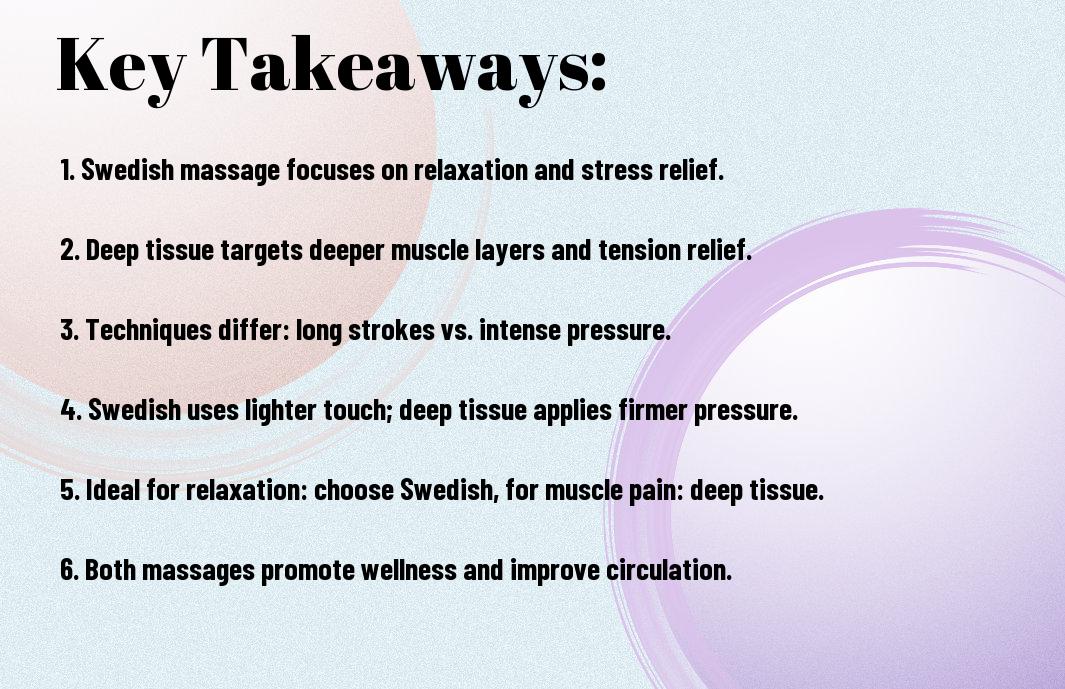
Key Takeaways:

  • Technique: Swedish massage focuses on long, flowing strokes, while deep tissue massage uses more intense and targeted pressure on deeper layers of muscle and connective tissue.
  • Purpose: The primary goal of Swedish massage is relaxation and stress relief, whereas deep tissue massage aims to alleviate chronic pain and muscle tension.
  • Pressure Level: Swedish massage generally employs lighter pressure, making it suitable for those who prefer a gentle approach, while deep tissue involves stronger pressure, which may be uncomfortable for some.
  • Benefits: Swedish massage promotes overall well-being, and circulation, while deep tissue can help with injury recovery and improving mobility.
  • Suitability: Individuals seeking relaxation may prefer Swedish, while those with specific muscle issues or pain might benefit more from deep tissue massage.

Overview of Swedish Massage

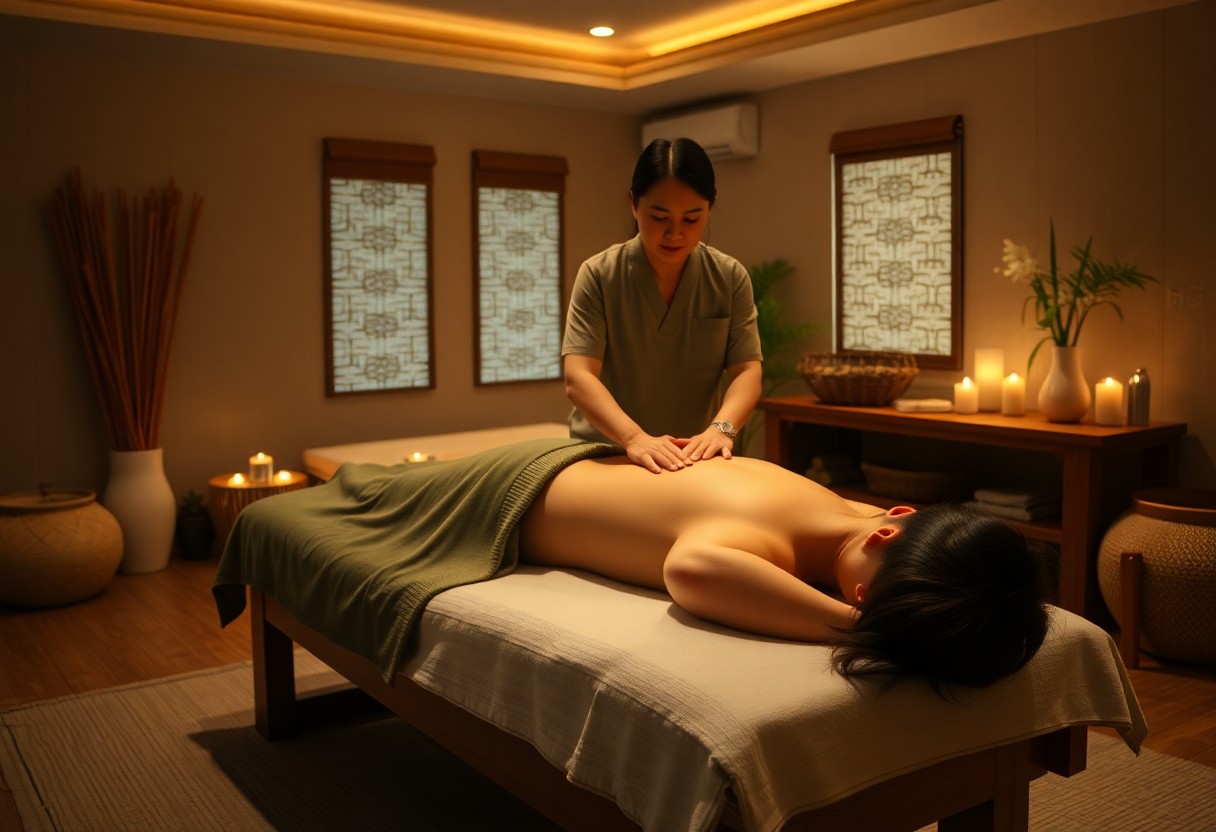
The Swedish massage is a popular and gentle form of bodywork that promotes relaxation, improves circulation, and eases muscle tension. Using long, gliding strokes and kneading techniques, this type of massage is designed to enhance your overall sense of well-being. To learn more about how this differs from other methods, check out Swedish Massage vs Deep Tissue Massage: How are they ….

History and Origins

Behind the practice of Swedish massage lies a rich history that dates back to the early 19th century. Developed by Swedish physiologist Pehr Henrik Ling, this massage technique was created to promote health and physical exercise, intertwining principles of anatomy and physiology.

Techniques and Benefits

Between the various techniques utilized in Swedish massage—such as effleurage, petrissage, and tapotement—you can experience countless benefits. These techniques are designed to relax your muscles, increase blood flow, and improve your flexibility.

Also, the benefits extend beyond mere relaxation. You may find that Swedish massage alleviates stress, enhances your mood, and can even bolster your immune system. The rhythmic and soothing nature of the strokes encourages your body to release tension and promotes an overall sense of peace and balance.

Overview of Deep Tissue Massage

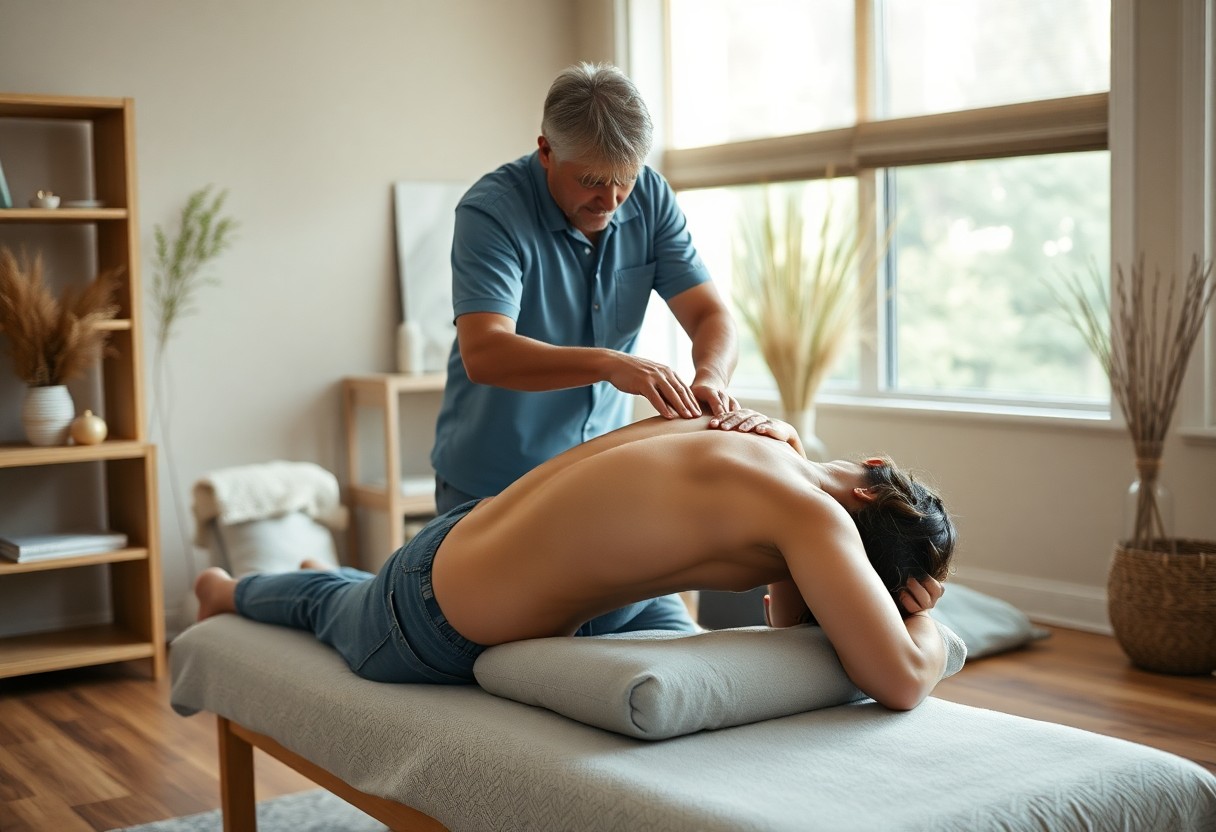
If you’re seeking relief from chronic muscle tension and pain, deep tissue massage may be an excellent option. This specialized form of therapy focuses on the deeper layers of muscle and connective tissue, employing techniques that aid in breaking down adhesions and improving overall mobility. Unlike lighter massage methods, deep tissue targets specific areas of discomfort, making it particularly effective for those with persistent physical stressors. By applying firm pressure and slow strokes, this style can unlock deep-seated tension, promoting healing and relaxation throughout your body.

History and Origins

Before deep tissue massage became a mainstream technique, it was influenced by various traditional practices that have existed for centuries. Ancient cultures, including the Egyptians and Greeks, utilized hands-on methods to alleviate pain and improve well-being. In the late 19th and early 20th centuries, deep tissue massage was further developed by Western practitioners who sought to refine therapeutic techniques, integrating principles from osteopathy and physical therapy. This evolution led to the establishment of deep tissue as a recognized form of bodywork aimed at addressing specific physical ailments.

Techniques and Benefits

Between the elements of pressure application, slow strokes, and targeted focus, deep tissue massage utilizes various techniques aimed at releasing tension stored in muscle fibers. You can experience numerous benefits, including reduced muscle pain, improved circulation, and enhanced flexibility. As the therapist works through your tight areas, you may notice a significant decrease in stress levels and an overall sense of relaxation. Deep tissue massage also promotes faster recovery from injuries and is especially effective for athletes seeking to improve performance and prevent future issues.

With the use of techniques such as cross-fiber friction and sustained pressure on specific points, deep tissue massage enables you to achieve a more profound sense of release. This type of massage is designed to penetrate the muscle’s deeper layers, allowing for a thorough deconstruction of tension build-up over time. Through careful manipulation of your tissues, you can experience improved blood flow, reduced inflammation, and a heightened sense of well-being, making it an ideal choice for both recovering from injuries and enhancing your overall physical health.
Key Differences Between Swedish and Deep Tissue Massage

Unlike Swedish massage, which emphasizes relaxation and overall well-being, deep tissue massage focuses on relieving tension in deeper muscle layers and connective tissue. The techniques used in Swedish massage include long strokes and gentle kneading, whereas deep tissue employs more intense pressure, with targeted strokes that work through muscle knots and chronic pain. When considering a massage, understanding these distinctions will help you choose the approach best suited for your needs.

Pressure and Intensity

Tissue tension is addressed differently in each massage type. While Swedish massage generally utilizes lighter pressure to promote relaxation, deep tissue massage applies firmer pressure, often delving into the muscle fascia to alleviate chronic pain and stiffness. You may find that deep tissue techniques can be quite intense, but they are aimed at thorough muscle relief.

Purpose and Applications

Against the backdrop of relaxation offered by Swedish massage, deep tissue massage serves a more specific purpose. It targets acute pain and muscle tension, making it ideal for athletes or individuals with specific areas of discomfort. By understanding the intended outcomes of each massage style, you can better align your choice with your body’s needs.

Even if your primary goal is relaxation, knowing that deep tissue massage can also facilitate recovery from intense physical activity will help you appreciate its benefits. When you face tightness or pain influenced by lifestyle or sports, deep tissue massage allows you to address specific problem areas effectively. Alternatively, if you seek a holistic experience that promotes serenity, Swedish massage is an excellent choice for overall stress relief. Your decisions can lead you to a more tailored and beneficial experience.

Choosing the Right Massage for Your Needs

Keep in mind that the right massage for you will depend on your individual needs, preferences, and goals. If you’re looking for relaxation and stress relief, a Swedish massage might be the best choice. On the other hand, if you have specific muscle tension or pain, deep tissue massage can target those areas more effectively. Take some time to assess what you want to achieve from your massage experience before making your decision.

Health Considerations

By evaluating your health status, you can ensure that the massage you choose is safe and beneficial for you. Always consult with your healthcare provider, especially if you have any medical conditions, injuries, or specific concerns. This ensures you select a massage that aligns with your health needs and avoids any potential complications.

Personal Preferences

Considerations of personal comfort and experience play a significant role in your massage choice. Your preferences for pressure, style, and relaxation can guide you toward either Swedish or deep tissue massage. Understanding your body and what feels good to you will help in making the best decision for your own unique needs.

This understanding can be enhanced by reflecting on previous massage experiences. If you have enjoyed lighter, more soothing strokes in the past, a Swedish massage might be ideal. Alternatively, if you find massage to be most effective when deep pressure is applied to release tension, then deep tissue might be more suitable. Always consider how each style aligns with your body’s responses, ensuring a more satisfying and beneficial massage experience.

Common Misconceptions

For many people, understanding the differences between Swedish and deep tissue massage can be clouded by common misconceptions. These misunderstandings may lead you to choose the wrong type of massage for your needs, ultimately affecting your experience and benefits. It’s important to clarify these myths to ensure you make an informed decision about which massage technique aligns best with your goals.

Myths about Swedish Massage

Common myths about Swedish massage suggest that it is solely for relaxation and lacks therapeutic benefits. While it is true that Swedish massage promotes relaxation, it also enhances blood circulation, eases muscle tension, and can alleviate pain. This technique uses a variety of strokes to target not just superficial muscles but deeper layers as well, making it a versatile option for everyone.

Myths about Deep Tissue Massage

Among the misconceptions surrounding deep tissue massage, one prevalent belief is that it is always painful and intended only for athletes or those with chronic pain issues.

Plus, while deep tissue massage can involve intense pressure, it should not be pain-induced. You should always communicate with your therapist to find a pressure level that feels comfortable for you. Additionally, deep tissue massage is beneficial for anyone, not just athletes; it can help relieve tension, improve flexibility, and promote overall well-being, making it suitable for a wider audience than you might think.

Expert Recommendations

Now that you understand the differences between Swedish and deep tissue massage, it’s important to consider expert recommendations when choosing which technique is right for you. Consulting with a licensed massage therapist can provide personalized insights based on your specific needs, goals, and physical condition. They can help you identify which type of massage will benefit you most, whether it’s for relaxation, tension relief, or rehabilitation.

When to Seek Professional Help

Recommendations for when to seek professional help include experiencing chronic pain, muscle tension, or discomfort that doesn’t improve with regular at-home care. If you find that stress or anxiety levels are affecting your quality of life, scheduling a massage can be an effective way to promote relaxation and improve your overall well-being. Consulting a professional can also guide you in choosing the right type of massage for your needs.

Integrating Massage into Wellness Routines

Integrating regular massage into your wellness routine can significantly enhance your physical and mental health. Establishing a consistent schedule for massages can help maintain muscle flexibility, alleviate stress, and improve your overall quality of life.

Due to the numerous benefits of regular massages, developing a routine can help you better manage stress and tension. Aim to incorporate weekly or bi-weekly sessions, depending on your lifestyle and budget. This proactive approach not only aids in recovery from physical exertion but also supports mental well-being, allowing you to feel more balanced and energized in your everyday life.
Summing up

Taking this into account, understanding the differences between Swedish and deep tissue massage can greatly enhance your experience. Swedish massage focuses on relaxation and overall well-being, using gentle strokes to ease tension, while deep tissue massage targets specific muscle groups to alleviate chronic pain and tightness. Depending on your needs, you can choose the technique that best serves your body, ensuring a more tailored and effective massage experience. By knowing your preferences, you empower yourself to make informed decisions for your physical and mental well-being.

Q: What are the main techniques used in Swedish massage?

A: Swedish massage primarily uses long, gliding strokes, kneading, friction, and circular movements on the muscles. These techniques aim to release tension, improve circulation, and promote relaxation. The pressure applied is typically gentle and focused on creating a soothing experience for the client.

Q: How does deep tissue massage differ in terms of pressure and technique?

A: Deep tissue massage involves the use of deeper, more intense pressure to target the deeper layers of muscle and connective tissue. Techniques may include slower strokes, deeper friction, and specific focus on knots or areas of tension. This approach is beneficial for chronic pain and muscle tightness, making it more intense than a Swedish massage and often resulting in discomfort during and after the session.

Q: Who should choose Swedish massage and who is better suited for deep tissue massage?

A: Swedish massage is ideal for those looking for relaxation, stress relief, and overall well-being. It is suitable for beginners or individuals seeking a gentle approach to massage. Conversely, deep tissue massage is recommended for individuals dealing with chronic pain, tension from injuries, or those who prefer a more intense manipulation of the muscles. It is important for clients to discuss their specific needs with their massage therapist to determine the best approach.
The Art of Shiatsu Massage – An Overview

Most people seek holistic wellness practices to alleviate stress and promote relaxation, and shiatsu massage is a profound technique that offers both. Originating from Japan, shiatsu combines elements of traditional Chinese medicine with modern therapeutic principles, making it a unique and beneficial experience for your mind and body. In this overview, you will learn about the foundational techniques of shiatsu, its health benefits, and how it can enhance your overall well-being. By understanding this art form, you can make informed choices about incorporating shiatsu into your self-care routine.

Key Takeaways:

  • Shiatsu Techniques: Shiatsu utilizes a combination of finger and palm pressure, stretching, and gentle manipulation to promote bodily healing and relaxation.
  • Meridian System: The practice is based on traditional Chinese medicine, focusing on energy pathways known as meridians to unblock and balance vital energy, or “Qi”.
  • Health Benefits: Regular Shiatsu massage can alleviate stress, reduce muscle tension, improve circulation, and enhance overall well-being.
  • Personalized Approach: Each session is often tailored to the individual’s unique needs and health conditions, making it a versatile treatment option.
  • Self-Care Techniques: Practitioners may teach clients self-massage techniques and stretches to continue the benefits at home.

The History of Shiatsu

Before it became widely recognized in the West, Shiatsu massage developed through centuries of traditional Japanese healing practices. Rooted in ancient Chinese medicine, it incorporates elements of Qi (energy) flow and the body’s meridian systems. As you explore its history, you’ll discover how Shiatsu has evolved from its early roots into the unique therapeutic technique it is today.

Origins and Influences

For centuries, Shiatsu has been influenced by various healing practices, particularly traditional Chinese medicine and Anma massage. These early forms emphasized the balance of energy within the body and the importance of touch in restoring health. Understanding these origins will help you appreciate the profound cultural significance of Shiatsu in contemporary wellness.

Evolution of Techniques

History shows that over time, Shiatsu techniques have adapted to meet the needs of different cultures and populations. As you explore this evolution, you’ll notice that various styles emerged, each emphasizing unique approaches to pressure points and movements while integrating modern insights into anatomy and physiology.

A diverse range of techniques now exists, blending traditional principles with contemporary practices. Healing methods have also expanded beyond just physical touch to include elements like breathwork and mindfulness. This ongoing evolution allows you to experience Shiatsu not just as a massage, but as a holistic therapy that addresses your overall well-being and healing journey.

Principles of Shiatsu

There’s a unique harmony in the practice of Shiatsu, rooted in the balance of mind, body, and spirit. This traditional Japanese technique focuses on the concept of energy flow, believing that proper circulation of energy can promote healing and well-being. By understanding these principles, you can embrace Shiatsu as a holistic approach to maintain your long-term health and vitality.

Energy Flow and Meridians

About the energy flow in Shiatsu, it is aligned with the ancient understanding of meridians—pathways in your body through which energy, or ‘ki’, flows. These meridians connect vital organs and systems, and any blockage or imbalance can lead to physical or emotional distress. Shiatsu practitioners use pressure techniques along these pathways to restore harmony and free your energy, enhancing overall wellness.

The Role of Pressure Points

Any practitioner will tell you that pressure points play a significant role in Shiatsu massage. These specific areas are where energy is concentrated and can often relate to various physical and emotional conditions. By applying targeted pressure, you facilitate energy release and promote healing throughout your body.

Consequently, understanding the role of pressure points can deepen your appreciation for Shiatsu. Each point is associated with different organs and functions, acting as gateways to restore your body’s balance. Regularly incorporating pressure point techniques into your routine may help alleviate stress, reduce tension, and enhance your overall well-being, making Shiatsu an invaluable practice in your self-care journey.

Benefits of Shiatsu Massage

Unlike conventional massage therapies, Shiatsu offers a holistic approach to wellness by focusing on balancing energy flow within your body. By applying pressure to specific points, this unique method promotes relaxation, alleviates pain, and improves overall health. Whether you’re seeking relief from stress or aiming for a more balanced lifestyle, Shiatsu massage can enhance your physical and emotional well-being.

Physical Health Benefits

Against common ailments such as headaches, muscle tension, and fatigue, Shiatsu massage acts as a natural remedy. By stimulating blood circulation and promoting lymphatic drainage, you can experience improved flexibility and reduced discomfort. Beyond pain relief, Shiatsu can also enhance your immune system, helping you combat illness more effectively.

Mental and Emotional Benefits

With the constant demands of daily life, it’s vital to prioritize your mental and emotional well-being. Shiatsu massage effectively alleviates anxiety and fosters deeper relaxation, making you feel more centered and at peace. The mindful approach encourages a sense of connection to your body, which can improve your overall mental clarity and emotional resilience.

Mental benefits of Shiatsu extend beyond immediate relaxation. As you immerse yourself in the experience, you may find it easier to release pent-up emotions and stress, promoting a sense of calm and stability in your life. Regular sessions can lead to enhanced focus, better sleep quality, and a more positive outlook, allowing you to navigate challenges with greater ease and confidence.

Techniques and Styles of Shiatsu

Not all Shiatsu techniques are created equal, as various styles and approaches cater to individual needs. Understanding these methods can enhance your experience and results. For more insight, check out An Overview of Shiatsu & Eastern Bodywork Approaches to ….

Common Approaches

At the core of Shiatsu are several common approaches, each emphasizing the flow of energy through the body’s meridians. Techniques such as finger pressure, stretches, and joint mobilization are employed to restore balance and promote relaxation. You may find specific styles that resonate with your personal preference, enhancing your overall well-being.

Differences in Practice

The various styles of Shiatsu create a rich tapestry of techniques, each offering unique benefits. While some practitioners may focus on a gentle touch, others might utilize more vigorous pressure.

Considering the different schools of Shiatsu, it’s vital to explore how these varying practices can affect your experience. For instance, some styles may integrate elements from Traditional Chinese Medicine or incorporate energy work, while others remain more straightforward in their muscle manipulation approach. Understanding these differences will help you choose the right Shiatsu practitioner to align with your needs and goals.

Practicing Shiatsu

After gaining an understanding of Shiatsu’s principles, you can start incorporating this holistic healing practice into your routine. It’s important to approach Shiatsu with an open mind, focusing on both the physical and emotional aspects of your well-being. Whether you choose to receive sessions from a practitioner or experiment with self-application, the benefits can greatly enhance your overall health and relaxation. Start listening to your body’s signals and explore the energy pathways that Shiatsu aims to balance for optimal wellness.

Finding a Qualified Practitioner

Practicing Shiatsu effectively begins with finding a qualified practitioner who has the necessary skills and experience. Look for someone certified or accredited by a recognized Shiatsu organization. Recommendations from friends or online reviews can guide you to reliable options. Ensure that the practitioner’s approach resonates with you, as establishing a comfortable and trusting relationship is necessary for maximizing the benefits of your Shiatsu experience.

DIY Shiatsu Techniques

Any individual can practice basic Shiatsu techniques at home to promote relaxation and self-healing. By applying gentle pressure on specific points of your body, you can stimulate energy flow and alleviate stress. Simple techniques include using your thumbs to press on acupressure points located on the palms, wrists, and feet, or utilizing rhythmic rubbing along muscle pathways.

This hands-on approach to wellness can easily be integrated into your daily routine, providing a sense of calm and promoting self-awareness. As you practice DIY Shiatsu techniques, you’ll learn to listen to your body’s needs, improving your ability to focus energy on areas that feel tense or uncomfortable. Additionally, observing how different techniques affect your mood and physical state will enhance your understanding of this ancient art, empowering you to take charge of your own healing journey.

Shiatsu in Modern Wellness

Once again, Shiatsu has found its place in the sphere of modern wellness, where it aligns perfectly with contemporary practices focusing on holistic health. The unique blend of massage, stretching, and pressure techniques promotes relaxation, relieves tension, and enhances your overall well-being. As more individuals seek natural and non-invasive therapies, Shiatsu stands out as an effective option tailored to your individual health needs.

Integration with Other Therapies

Behind the scenes, Shiatsu is increasingly being integrated with other therapeutic practices, creating a comprehensive approach to wellness. You may find practitioners combining Shiatsu with acupuncture, yoga, or even meditation, leading to synergistic benefits. This holistic integration allows you to experience enhanced physical and mental well-being, addressing a variety of health concerns in a cohesive manner.

Trends and Popularity

Other trends in the wellness industry highlight the growing popularity of Shiatsu massage, as more individuals recognize its benefits. You might notice an increase in wellness retreats and spas featuring Shiatsu as a key offering, reflecting its appeal in promoting relaxation and stress relief.

With this surge in popularity, Shiatsu is being embraced not just by wellness centers, but also by mainstream fitness studios and corporate wellness programs. You may appreciate its benefits as more people share their positive experiences, leading to an increased understanding of its impact on physical and mental health. As Shiatsu becomes more accessible, you can explore this ancient practice and its modern applications, finding ways it can enhance your wellness journey.

To wrap up

Upon reflecting on the art of Shiatsu massage, you gain insight into its profound benefits for physical and mental well-being. This holistic practice not only promotes relaxation but also enhances your body’s energy flow, fostering balance and harmony. By integrating techniques such as acupressure and stretching into your routine, you can take proactive steps towards maintaining your health. Embracing Shiatsu opens a pathway to greater self-awareness and rejuvenation, making it a valuable addition to your wellness journey.

Q: What is Shiatsu massage and how does it differ from other types of massage?

A: Shiatsu massage is a form of Japanese massage therapy that involves applying pressure to specific points on the body, typically using the fingers, palms, and thumbs. It is based on the principles of traditional Chinese medicine, particularly the concept of qi (energy) and meridians (energy pathways). Unlike Swedish or deep tissue massage, which primarily focus on muscle tension, Shiatsu aims to balance the body’s energy and promote overall wellbeing by stimulating acupressure points. This holistic approach can improve circulation, alleviate pain, and enhance relaxation.

Q: What can one expect during a Shiatsu massage session?

A: During a Shiatsu massage session, the practitioner typically assesses the client’s overall health and specific concerns. The session usually takes place on a comfortable mat on the floor, with the client fully clothed, as Shiatsu does not require oils or lotions. The practitioner will gently press on various points along the body’s meridians, using finger pressure and rhythmic movements. A session may last anywhere from 30 to 90 minutes, and clients can expect to experience a deep sense of relaxation and relief from tension throughout the treatment.

Q: Are there any contraindications or precautions for receiving Shiatsu massage?

A: While Shiatsu is generally safe for many individuals, there are specific contraindications and precautions to keep in mind. People with certain health conditions, such as severe osteoporosis, recent injuries, or acute inflammation, should consult a healthcare professional before undergoing Shiatsu. Additionally, pregnant women and individuals with certain medical conditions may need to avoid Shiatsu or seek tailored techniques from practitioners experienced in prenatal care. Always inform the practitioner about any medical conditions or concerns prior to the session to ensure a safe experience.

What Is Rolfing A Guide to Structural Integration

It’s necessary to understand the transformative practice of Rolfing, also known as structural integration, which focuses on aligning your body through the manipulation of your connective tissues. This unique therapy aims to improve your posture, enhance mobility, and alleviate discomfort caused by tension and misalignment. As you explore the principles and benefits of Rolfing, you will discover how it can be an effective solution for achieving a more balanced and harmonious body, ultimately impacting your overall well-being.

Key Takeaways:

  • Rolfing Technique: Rolfing, also known as Structural Integration, is a hands-on therapy that focuses on aligning and balancing the body’s structure to enhance movement and relieve tension.
  • Fascial System: The approach primarily targets the fascia, the connective tissue that surrounds muscles and organs, promoting improved posture and greater mobility.
  • Ten Sessions: A typical Rolfing process involves a series of ten sessions, each with a specific focus aimed at achieving overall body alignment and integration.
  • Individualized Treatment: Each session is tailored to meet the unique needs of the client, ensuring that the treatment is effective and addresses specific pain or discomfort areas.
  • Holistic Benefits: Beyond physical relief, Rolfing can lead to improved emotional wellness, increased body awareness, and enhanced overall quality of life.

Understanding Rolfing

Before exploring the benefits of Rolfing, it’s important to understand what it truly entails. Rolfing, also known as Rolfing Structural Integration, is a form of bodywork that focuses on aligning and balancing the body by manipulating the connective tissue, or fascia. This technique aims to enhance your posture, alleviate pain, and improve overall physical functioning, ensuring your body operates harmoniously.

Definition of Rolfing

Against popular misconceptions, Rolfing is not merely a massage; it is a deliberate manipulation of the body’s structure. This method focuses on the body’s fascial and muscular systems to promote lasting change in how you move and feel, allowing for greater ease in daily activities.

History and Development

The journey of Rolfing began in the 1940s with Dr. Ida Rolf, who pioneered this innovative form of bodywork. Influenced by her background in biochemistry and her studies in yoga, Rolf developed a unique approach to bodywork that emphasized the importance of aligning the body within gravity.

For instance, Rolf’s experiences led her to explore the connections between physical alignment and emotional well-being. She conducted extensive research on how tension can affect bodily structure, which eventually contributed to her five-series approach that collectively works to release patterns of tension in the fascia. Over the decades, Rolfing has evolved into a structured method practiced globally, providing profound benefits for individuals seeking to reconnect with their bodies.

Principles of Structural Integration

Assuming you are exploring the world of Rolfing, understanding the principles of structural integration is fundamental. This approach emphasizes the importance of aligning your body segments to improve overall function and alleviate tension. Through targeted manipulations, structural integration aims to reorganize your body’s connective tissues, leading to a more balanced posture and enhanced mobility. By addressing the underlying patterns of tension and misalignment, you empower yourself to move more freely and comfortably in your everyday life.

The Role of Body Alignment

Beside the physical manipulations, body alignment serves as a guiding principle in structural integration. Proper alignment allows your body to function optimally, reducing strain on muscles and joints. When your body is well-aligned, it maximizes energy efficiency and minimizes discomfort, allowing you to participate more fully in physical activities. By focusing on alignment during your Rolfing sessions, you create a solid foundation for lasting changes in your movement patterns.

Connective Tissue and Fascia

Between the various components of your body, connective tissue and fascia play an vital role in maintaining structural integrity. These tissues wrap around muscles, bones, and organs, providing support and enabling movement. Understanding how fascia interacts with your musculoskeletal system can help you appreciate the profound effects of Rolfing on your physical well-being.

But it’s important to recognize that fascia is not just passive support; it is active and dynamic. This specialized connective tissue adapts to stress and tension through movement patterns you engage in daily. When fascia becomes restricted due to poor posture or repetitive motions, it can lead to pain and dysfunction. Through Rolfing, you can release these restrictions, allowing for healthier movement patterns and improved overall bodily function. By addressing the health of your fascia, you enhance your body’s ability to adapt to physical demands and stressors.

The Rolfing Process

Your journey with Rolfing involves a systematic approach designed to realign your body and improve your overall well-being. It typically unfolds over a series of sessions, each tailored to address your specific needs and areas of tension. Through a combination of hands-on techniques and your active participation, Rolfing aims to create lasting change in your body’s structure and function.

Assessment and Individualization

Along with your Rolfing practitioner, you’ll undergo a thorough assessment at the start of your sessions. This involves evaluating your posture, movement patterns, and any discomfort you may be experiencing. Through this personalized approach, your practitioner will design a customized treatment plan that caters to your unique structural issues and goals.

Techniques Used in Rolfing Sessions

The methods employed in Rolfing sessions vary but generally include deep tissue manipulation, myofascial release, and movement education. Each technique is specifically chosen to promote the release of tension, enhance mobility, and restore balance to your body.

Used in combination, these techniques work to target the connective tissues in your body, improving flexibility and relieving discomfort. Your practitioner may also incorporate stretching and guided movements as part of the process, helping you to develop a greater awareness of your body during and after sessions. This holistic approach not only alleviates tension but also empowers you to maintain and enhance the benefits of Rolfing in your daily life.

Benefits of Rolfing

Once again, Rolfing offers a range of benefits that extend beyond traditional massage therapy. By focusing on structural integration, you can experience improved mobility, reduced pain, and enhanced overall well-being. The holistic approach of Rolfing encourages not just physical healing but also emotional and psychological relief, helping you cultivate a deeper connection with your body and mind.

Physical Benefits

The physical benefits of Rolfing are significant and can lead to a more balanced body. You may find that your posture improves, tension is released, and your range of motion increases. As a result, everyday activities become less strenuous, enabling you to engage in physical pursuits with greater ease and enjoyment.

Emotional and Psychological Benefits

The emotional and psychological benefits of Rolfing are profound. You might discover that as your physical tension dissipates, you also experience decreased anxiety, heightened self-awareness, and a renewed sense of inner peace. This comprehensive approach allows you to process emotional blocks, leading to a stronger sense of overall wellness.

Benefits can also include enhanced emotional resilience and improved coping mechanisms. As your body becomes more aligned and balanced, you may find it easier to manage stress and navigate emotional challenges. This creates a positive feedback loop, further enhancing your overall health and well-being. Rolfing not only addresses the physical but also fosters a supportive environment for emotional exploration and growth, making it a valuable part of your self-care routine.

Rolfing vs. Other Bodywork Therapies

All bodywork therapies aim to enhance physical well-being, yet they differ significantly in their approach and technique. Rolfing, or structural integration, focuses on realigning the body’s structure by manipulating the fascia, creating lasting changes to posture and movement. Unlike traditional massage or chiropractic care, Rolfing emphasizes a holistic view of the body, encouraging balance and integration. Understanding these distinctions can help you choose the best therapy for your specific needs and goals.

Comparison with Massage Therapy

Before delving deeper, let’s compare Rolfing with massage therapy:

Rolfing Focuses on fascia and structural alignment
Massage Therapy Primarily addresses muscle tension and relaxation

Distinctions from Chiropractic Care

Other therapies such as chiropractic care focus primarily on spinal alignment and nervous system function. Rolfing, however, takes a broader approach to the body’s structure, addressing soft tissue through fascia manipulation. This can lead to more comprehensive improvements in your posture and mobility, whereas chiropractic adjustments might focus on specific vertebral misalignments.

Considering the differences, Rolfing provides you with techniques that allow for deeper access to your body’s connective tissue, promoting an overall sense of balance and harmony. While both Rolfing and chiropractic care aim to enhance your physical performance and comfort, Rolfing’s emphasis on the interconnection of body parts results in a more integrative approach, making it a unique option for those seeking long-term body awareness and health. Ultimately, your choice may depend on whether you’re looking for a holistic structural change or targeted spinal adjustments.

Preparing for a Rolfing Session

Not everyone is familiar with the necessary steps to prepare for their Rolfing session. Before you attend, it’s a good idea to arrive with an open mind and a willingness to communicate with your practitioner. This preparation will help enhance your experience and allow you to fully engage in the process. Consider wearing comfortable, breathable clothing that allows for freedom of movement, and aim to stay hydrated leading up to your appointment.

What to Expect

Rolfing involves a combination of bodywork techniques that focus on realigning your body’s structure. During your session, you can expect a thorough assessment of your posture and movement patterns. The practitioner will use deep pressure techniques to release tension in your fascia and muscles, guiding your body towards a more balanced alignment. Be prepared to share any specific areas of discomfort or concern to tailor the session to your needs.

Tips for First-Time Clients

Along your journey into Rolfing, there are several tips to keep in mind as a first-time client:

  • Arrive at least 10-15 minutes early to allow yourself time to settle in.
  • Communicate openly with your practitioner about your goals and any previous injuries.
  • Wear comfortable clothing that allows for easy movement.
  • Be mindful of your breath during the session; it can enhance relaxation.

Recognizing these tips can help you have a more productive and enjoyable Rolfing experience.

Expect to feel a range of sensations during your session, from deep relaxation to more intense discomfort as tension is released. Open communication is key; don’t hesitate to share your feelings as the session progresses. Additionally, consider the following when participating in your first session:

  • Stay hydrated before and after your appointment to aid in recovery.
  • Try to relax your mind and body beforehand for a smoother experience.
  • Understand that Rolfing may bring up both physical and emotional responses.
  • Follow any post-session advice given by your practitioner for optimal results.

Recognizing that each Rolfing experience is unique can help you approach it with the right mindset.

Summing up

The knowledge you’ve gained about Rolfing, or Structural Integration, equips you to explore this hands-on approach to improving your body’s alignment and well-being. By understanding the principles and benefits, you can make informed decisions about incorporating Rolfing into your wellness routine. Whether you’re seeking pain relief, improved mobility, or a greater sense of body awareness, Rolfing offers a unique path toward achieving your health goals. Now, you can confidently consider how this technique may enhance your overall quality of life.

Q: What is Rolfing and how does it work?

A: Rolfing, officially known as Rolfing Structural Integration, is a form of bodywork that focuses on the connective tissues, or fascia, in the body. Developed by Dr. Ida Rolf in the 1940s, Rolfing aims to realign and balance the body’s structure for improved movement, posture, and overall well-being. The technique involves a series of sessions in which a certified Rolfer uses their hands to manipulate the fascia, helping to release tension, reduce pain, and enhance flexibility. Through this process, Rolfing facilitates better alignment and functioning of the body’s movement patterns.

Q: Who can benefit from Rolfing?

A: Rolfing can benefit a wide range of individuals, including those experiencing chronic pain, repetitive strain injuries, or postural imbalances. Athletes may also find Rolfing helpful for improving performance and preventing injuries. Additionally, individuals seeking to enhance their overall physical well-being, increase their body awareness, and alleviate stress may benefit from this therapy. It is suitable for people of all ages, and a consultation with a certified Rolfer can help determine if Rolfing is appropriate for a specific condition.

Q: How many Rolfing sessions are typically required?

A: The standard Rolfing protocol consists of a series of 10 sessions, each lasting between 60 to 90 minutes. Each session builds on the previous one, focusing on different areas of the body and addressing specific alignment and movement issues. However, the number of sessions can vary depending on individual needs and treatment goals. Some clients may choose to continue with additional sessions, known as “maintenance” visits, to further enhance their structural integrity and maintain the benefits of the work done during the initial series.

How Thai Stretching Techniques Enhance Flexibility

With the growing interest in holistic wellness, you may be looking for effective ways to increase your flexibility. Thai stretching techniques, rooted in traditional practices, offer a dynamic approach to enhancing your physical capabilities. These methods not only promote greater range of motion but also foster relaxation and balance within your body. By incorporating these techniques into your routine, you can experience significant improvements in your flexibility and overall well-being.

Key Takeaways:

  • Increased Flexibility: Thai stretching techniques are designed to improve overall body flexibility through a series of dynamic and static stretches.
  • Holistic Approach: These techniques incorporate both physical movements and mindful breathing, promoting a deeper mind-body connection.
  • Joint Mobility: The emphasis on full range of motion helps enhance joint mobility, reducing stiffness and enhancing functional movement.
  • Prevention of Injury: Regular practice of Thai stretching can help prevent injuries by gradually increasing muscle elasticity and strength.
  • Enhanced Relaxation: The methods encourage relaxation of both body and mind, leading to improved overall well-being and recovery from strenuous activities.

Understanding Thai Stretching Techniques

Your journey toward enhanced flexibility can be greatly supported by Thai stretching techniques. These methods, rooted in ancient practices, focus on the balance between breath and movement. If you’re curious about real-life experiences, check out Had 40+ Thai massages to get more flexible. Many enthusiasts share their progress and insights, highlighting the transformative power of these techniques.

Historical Background

Thai stretching techniques have their origins in traditional Thai medicine, which dates back over 2,500 years. Influenced by Ayurveda and Chinese medicine, these techniques emphasize energy lines known as “Sen,” promoting harmony and relaxation while enhancing flexibility. This holistic approach has been handed down through generations, making it both a respected and revered practice within Thai culture.

Key Principles of Thai Stretching

Any effective Thai stretching routine operates on certain principles, with an emphasis on body awareness and mindfulness. You’ll find that these techniques incorporate various stretches, breathing exercises, and the use of gentle pressure applied by a partner or therapist to encourage deeper elongation of the muscles.

Stretching in the context of Thai techniques isn’t merely about pushing your limits; it’s about understanding your body’s unique capabilities. Integrating breath with movement promotes liberation of tension and enhances your overall range of motion. Flexibility is approached holistically, ensuring that both physical and mental barriers are addressed through these ancient methods.

Benefits of Thai Stretching for Flexibility

Some outstanding benefits of Thai stretching techniques include enhanced overall flexibility, improved posture, and decreased risk of injury. By integrating these traditional practices into your routine, you can experience not only greater ease in movement but also the ability to perform daily activities with increased comfort. As your body becomes more flexible, you may find that your physical performance in various sports and activities significantly improves, promoting a healthy lifestyle.

Increased Range of Motion

Behind the effectiveness of Thai stretching, you can discover its ability to increase your range of motion. By gently stretching and lengthening your muscles, you help to release any stiffness and tension. The unique techniques utilized in Thai stretching encourage natural, flowing movements that allow you to access deeper stretches, ultimately promoting more fluid and unrestricted movement in your body.

Improved Muscle Elasticity

About muscle elasticity, Thai stretching plays a vital role in enhancing this crucial quality. By consistently engaging in these stretching practices, you foster better muscle responsiveness and flexibility, allowing your muscles to stretch further without strain. As a result, you potentially minimize the risk of injury while participating in various physical activities, making your workouts more effective.

Improved muscle elasticity not only enhances your flexibility but also contributes to overall strength and performance. With greater elasticity, your muscles can efficiently contract and relax, adapting quickly to the demands of different activities. This responsiveness helps you achieve a fuller range of motion during exercises, ultimately elevating your fitness level. Additionally, as you integrate Thai stretching into your routine, you’ll notice a reduction in soreness and tightness, allowing you to progress more comfortably in your physical pursuits.

Comparison with Other Stretching Methods

For anyone looking to enhance flexibility, understanding the differences between Thai stretching techniques and other methods can be enlightening. The following table highlights key distinctions:

Aspect Thai Stretching
Type Passive, partner-assisted
Focus Full-body integration
Breathing Incorporated for relaxation
Intensity Gentle, therapeutic
Duration Can be longer, holding positions

Static vs. Dynamic Stretching

Other forms of stretching, such as static and dynamic methods, vary significantly in their approach. While static stretching involves holding a position to lengthen muscles, dynamic stretching focuses on movement and muscle engagement. Thai stretching often incorporates elements of both, allowing for a holistic approach that balances mobility and stability.

Unique Aspects of Thai Techniques

Any discussion on Thai stretching techniques would be incomplete without addressing their unique characteristics. These methods not only emphasize passive stretching but also involve rhythmic movement and partner assistance, which fosters a deeper connection between your body and your flexibility goals.

But what truly sets Thai techniques apart is their incorporation of holistic principles. Unlike many traditional methods, Thai stretching encourages a dialogue between the practitioner and the therapist, allowing for adjustments based on body feedback. This responsive approach makes each session uniquely tailored to your needs, promoting not just physical flexibility but also relaxation and mental clarity.

Incorporating Thai Stretching into Your Routine

All you need to do is integrate Thai stretching techniques into your daily exercise routine to experience significant improvements in flexibility. Start with a designated time, perhaps before your workouts or as part of your cool-down. You can also incorporate these stretches during your breaks or while watching TV to maximize their benefits without requiring extra time. Just a few minutes each day can yield impressive results, helping to enhance your overall range of motion and relaxation.

Basic Techniques for Beginners

Techniques for beginners are designed to ease you into the practice of Thai stretching. Start with basic stretches such as assisted forward bends or gentle seated stretches. These provide a foundation for understanding your body’s limits and capabilities while building initial flexibility. Aim for a consistent routine, allowing yourself to progress naturally as you become more comfortable with each movement.

Advanced Practices for Experienced Individuals

Beside the basics, advanced practices can significantly challenge and enhance your flexibility. Once you feel confident with foundational techniques, consider implementing some of the following practices into your routine:

  1. Partner-assisted stretching for deeper flexibility.
  2. Dynamic stretching movements to improve range of motion.
  3. Incorporating breathing techniques to enhance relaxation.
Technique Description
Partner-Assisted Stretching Utilizing a partner to push your limits safely.
Dynamic Stretching Engaging in movements that promote flexibility through action.
Breath Control Focusing on breathing to elongate muscle fibers effectively.

Considering these advanced techniques allows you to further develop your flexibility and mastery of Thai stretching. Incorporate a combination of slow, controlled movements and dynamic stretches to achieve maximum results while ensuring you maintain awareness of your body’s limits. Following are some advanced practices to consider:

  1. Incorporating yoga postures to enhance balance.
  2. Using props like straps or blocks for support during stretches.
  3. Adding meditation to improve your focus and relaxation.
Practice Benefit
Yoga Postures Improves overall body balance and stability.
Straps/Blocks Provides support, ensuring correct alignment during stretches.
Meditation Enhances focus and body awareness during stretching.

Common Myths and Misconceptions

Despite the growing popularity of Thai stretching techniques, several myths and misconceptions persist. Many individuals believe that flexibility is solely determined by genetics, leading them to assume that they cannot improve. Others think that stretching will instantly increase their range of motion, which may result in disappointment. Understanding the truth behind these misconceptions can empower you to embrace your flexibility journey confidently.

Debunking Flexibility Myths

Misconceptions about flexibility often revolve around the idea that some people will never be flexible, while others are naturally bendy. In reality, anyone can improve their flexibility with consistent practice and the right techniques. It’s crucial to distinguish between maintaining flexibility and forcing your body into positions it isn’t ready for, as this can lead to injury.

Understanding Safety and Risks

The willingness to push your limits is commendable, but it’s vital to approach stretching with caution. Many individuals overlook the risks of improper techniques or overstretching, which can lead to injuries. Incorporating Thai stretching methods requires a focus on listening to your body and knowing when to stop. Taking the time to warm up and understanding your limits will help you experience the benefits without unnecessary harm.

Myths surrounding safety in stretching often lead individuals to take undue risks. You may feel the urge to stretch further or push harder, thinking it will yield faster results. However, it’s crucial to prioritize your body’s signals over any self-imposed pressure. Ensure you are utilizing proper techniques and gradually easing into deeper stretches, allowing your muscles to adapt. By fostering a mindful approach, you can enhance your flexibility while minimizing the risk of injury.

Success Stories and Testimonials

Unlike conventional stretching methods, numerous individuals have experienced remarkable improvements in flexibility through Thai stretching techniques. These techniques have become a game-changer for many, enhancing overall physical well-being and mobility. You’ll find that these personal stories reflect the profound impact these practices can have on your flexibility journey.

Case Studies of Positive Outcomes

Testimonials reveal significant progress among practitioners:

  • Case Study 1: A 30-year-old runner improved hamstring flexibility by 40% in just 4 weeks.
  • Case Study 2: A 45-year-old office worker increased shoulder mobility by 30% after 6 sessions.
  • Case Study 3: A 25-year-old dancer enhanced overall flexibility scores by 50% in 3 months.
  • Case Study 4: A 60-year-old yogi reported pain reduction and a 35% increase in hip flexibility within 8 weeks.

Expert Opinions and Insights

Before begining on your flexibility journey, consider perspectives from famous practitioners and researchers who promote Thai stretching. Their insights emphasize the holistic benefits of integrating Thai techniques, not only enhancing flexibility but also improving balance and mental relaxation. These experts consistently highlight how the mindful approach to stretching encourages deeper body awareness and injury prevention.

It is imperative to recognize the value of expert recommendations and experiences from those who have studied Thai stretching extensively. They advocate for its effectiveness in various settings—be it athletic training, rehabilitation, or general wellbeing. By incorporating these techniques into your routine, you can expect meaningful results that foster long-lasting flexibility and overall physical health.

Final Words

Hence, by incorporating Thai stretching techniques into your routine, you can significantly enhance your flexibility and overall mobility. These time-tested methods allow you to engage deeply with your body, promoting not just physical flexibility but also mindfulness. As you practice these techniques, you’ll likely notice improvements in your range of motion and a reduction in tension, helping you to perform daily activities with greater ease. Embracing these practices can lead to a more balanced and agile lifestyle, empowering you to achieve your fitness goals.

FAQ

Q: How do Thai stretching techniques differ from traditional stretching methods?

A: Thai stretching techniques are often part of a holistic approach that combines elements of yoga, massage, and physical therapy. Unlike traditional stretching, which typically focuses on static holds, Thai stretching often involves dynamic movements and assisted stretches performed with the help of a partner or therapist. This interaction can facilitate deeper stretches, enhance muscle engagement, and promote better alignment throughout the body.

Q: What are the main benefits of incorporating Thai stretching into a flexibility routine?

A: Incorporating Thai stretching into a flexibility routine can lead to numerous benefits. These include improved range of motion, enhanced muscle elasticity, and increased blood flow to the muscles. Additionally, the holistic aspects of Thai stretching promote relaxation and stress relief, which can further contribute to overall well-being and flexibility through a balanced mind-body approach.

Q: Is Thai stretching suitable for all levels of flexibility, and how can beginners get started?

A: Yes, Thai stretching is suitable for individuals at all levels of flexibility. Beginners can start by seeking out a qualified instructor or practitioner who can guide them through the techniques safely. It’s important for newcomers to communicate their limitations and comfort levels. Practicing in a supportive environment allows beginners to gradually build their flexibility and confidence while learning how to engage their bodies effectively in various stretches.

Comparing Aromatherapy Massage vs. Traditional Massage

There’s a wide range of massage techniques available, each offering unique benefits tailored to your needs. In this post, you’ll discover the key differences between aromatherapy massage and traditional massage, helping you decide which approach best suits your relaxation and wellness goals. By understanding the principles behind each method, you can make an informed choice that enhances your overall experience and promotes your physical and emotional well-being.

Key Takeaways:

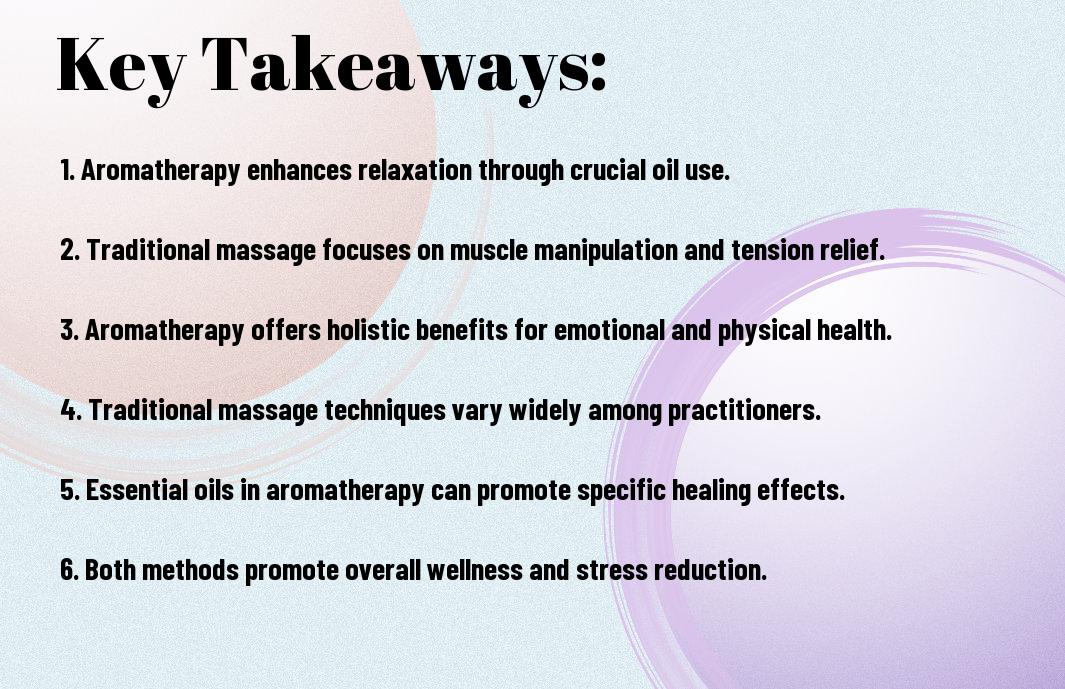
  • Aromatherapy Benefits: Integrates important oils to enhance relaxation and promote emotional well-being.
  • Traditional Techniques: Focuses primarily on physical manipulation of muscles and soft tissues to alleviate tension.
  • Sensory Experience: Aromatherapy stimulates the sense of smell, adding a multi-sensory layer compared to the tactile focus of traditional massage.
  • Personalization: Aromatherapy sessions can be tailored with specific important oils to address individual needs and preferences.
  • Therapeutic Goals: While both aim for relaxation, aromatherapy may emphasize emotional healing, whereas traditional massage typically targets physical pain relief.

Overview of Aromatherapy Massage

Your journey into the world of wellness can greatly benefit from aromatherapy massage, combining the art of massage therapy with the therapeutic properties of necessary oils. This holistic approach not only alleviates physical tension but also promotes emotional harmony. For a deeper understanding, you might find it helpful to read What’s the Difference Between Swedish Massage and Aromatherapy Massage?.

Definition and History

Above all, aromatherapy massage integrates necessary oils into traditional massage techniques, enhancing both physical and psychological healing. This practice has roots in ancient civilizations like Egypt and Greece, where aromatic plants were used for their medicinal qualities. Over the years, its popularity has surged as people uncover the benefits inherent in this mindful approach to wellness.

Essential Oils and Their Benefits

About necessary oils, they are concentrated extracts derived from plants, each possessing unique healing properties. These oils can invigorate, soothe, or balance your emotional state, making them a valuable addition to any massage therapy.

Their beneficial effects range from promoting relaxation to boosting mood and alleviating anxiety. By using oils such as lavender for calmness or eucalyptus for respiratory relief, you can significantly enhance your overall therapeutic experience. This personalized touch not only elevates the massage itself but also tailors it to address your specific needs and preferences.

Overview of Traditional Massage

Assuming you are seeking a therapeutic experience, traditional massage focuses on manipulating muscles and soft tissues to alleviate tension and promote relaxation. It encompasses a variety of techniques aimed at enhancing physical well-being, addressing issues such as pain and muscle stiffness. Traditional massage has been used for centuries across different cultures, emphasizing its enduring popularity and effectiveness in improving both mental and physical health.

Techniques and Methods

Above all, traditional massage employs various techniques including Swedish, deep tissue, and sports massage. Each method targets specific areas of the body and employs different pressures, strokes, and rhythms to address individual needs. Swedish massage focuses on relaxation and circulation, while deep tissue targets deeper layers of muscle to relieve chronic tension. Understanding these techniques can help you choose the right type for your body’s specific requirements.

Benefits and Indications

At its core, traditional massage offers a wide range of benefits, including reduced muscle tension, improved circulation, and enhanced mental clarity. Regular sessions can lead to decreased stress levels, better sleep, and a greater overall sense of well-being. Additionally, it’s beneficial for those with chronic pain, muscle injuries, or anyone looking to incorporate relaxation into their routine.

Indications for traditional massage include stress relief, muscle pain, anxiety, and recovery from injuries. If you have tension or stiffness in specific areas, traditional massage can help relieve discomfort and promote healing. It’s ideal for individuals experiencing fatigue or needing a mental reset, making it an excellent choice for both physical and psychological care. Through regular sessions, you can significantly improve your quality of life and overall health.

Comparing Techniques and Approaches

Unlike traditional massage, which focuses solely on physical manipulation of muscles and soft tissues, aromatherapy massage incorporates important oils that are selected based on their therapeutic properties. This table summarizes the key differences in techniques and approaches:

Aromatherapy Massage Traditional Massage
Utilizes important oils for emotional and physical healing Focuses on muscle relaxation and pain relief through physical techniques
Custom blends of oils adapted to individual needs Standard techniques such as Swedish, deep tissue, or sports massage
Encourages emotional release alongside physical relaxation Primarily addresses physical discomfort or tension

Client Experience and Relaxation

Relaxation during an aromatherapy massage is enhanced by the soothing scents of important oils, which promote a tranquil atmosphere. This multi-sensory experience allows you to immerse yourself fully in the massage, feeling both calm and revitalized. In contrast, traditional massage may offer significant physical relief but may not engage your sense of smell or emotional well-being as deeply.

Therapeutic Outcomes

Around aromatherapy massage, the therapeutic outcomes extend beyond muscle relief; the incorporation of important oils can lead to improved mood, reduced anxiety, and a sense of overall well-being. In contrast, traditional massage techniques primarily address physical ailments and may not provide the emotional benefits that aromatic scents can facilitate.

Plus, aromatherapy massage’s ability to combine physical touch with the olfactory stimulation of important oils makes it a holistic approach to your health. This synergy can promote a stronger mind-body connection, aiding in emotional healing and stress reduction. By catering to both your physical and emotional needs, aromatherapy massage can create a more profound impact on your overall wellness journey.

Health and Safety Considerations

Many factors should be taken into account when choosing between aromatherapy massage and traditional massage. It’s important to evaluate your personal health conditions, any allergies, and sensitivities to ensure a safe and beneficial experience. Consulting with a qualified massage therapist can provide you with tailored advice, allowing you to enjoy your massage therapy while minimizing potential risks.

Allergies and Essential Oil Sensitivities

After choosing an aromatherapy massage, be aware that some vital oils may trigger allergic reactions or sensitivities. Patch testing a small amount of oil can help assess your tolerance. If you have allergies or skin sensitivities, it’s wise to communicate this with your therapist, who can select suitable oils or suggest alternatives to avoid adverse reactions.

Contraindications for Traditional Massage

Among the issues to be aware of are specific health conditions that may prevent you from safely receiving a traditional massage. Conditions such as recent surgery, fractures, or certain infections should be taken into consideration before booking your session. Always inform your therapist about any medical concerns to ensure a tailored and safe experience.

Considering the potential contraindications for traditional massage is vital for your well-being. Conditions such as high blood pressure, varicose veins, and skin infections can increase risks during a massage. Additionally, if you’re pregnant or have any chronic health issues, seeking medical advice is beneficial before proceeding. Ensuring that your therapist is aware of your health history will help them provide the safest and most effective treatment tailored to your needs.

Choosing the Right Type of Massage

Despite the similarities, choosing between aromatherapy and traditional massage can significantly impact your experience. Each type of massage offers distinct benefits, so it’s important to consider your specific needs, preferences, and desired outcomes to determine which approach aligns best with your wellness goals.

Personal Preferences and Goals

Preferences play a vital role in your massage choice. If you enjoy scents and aim to enhance relaxation, aromatherapy might be suitable for you. Conversely, if you prefer a straightforward approach focused on muscle tension reduction, traditional massage may be more appropriate. Assessing your personal wellness goals can guide you in making the right decision.

Professional Recommendations

Recommendations from wellness professionals can greatly aid your decision-making process. When consulting with a licensed massage therapist, discussing your physical condition and any specific concerns will help them suggest the most effective type of massage tailored to your needs. A knowledgeable therapist can assess your muscle tension, stress levels, and preferences to provide the best course of action.

Goals for your massage therapy should align with the expertise of the therapist. If you’re seeking relief from chronic pain, traditional massage techniques may be recommended. For those desiring relaxation, stress relief, or emotional balance, a therapist might suggest an aromatherapy session. By clearly outlining your objectives, you empower the professional to guide you toward the massage type that best suits your specific requirements and enhances your overall well-being.

Case Studies and Testimonials

After analyzing various case studies, you will find compelling data that showcases the benefits of both aromatherapy and traditional massage. Here are some significant findings from recent surveys:

  • 85% of clients reported reduced stress levels after aromatherapy massage sessions.
  • 70% of participants experienced improved sleep quality following traditional massage.
  • 60% noticed a decrease in muscle tension and pain post-treatment with aromatherapy.
  • 75% of clients stated they felt more balanced emotionally after both types of massage therapy.

Success Stories from Aromatherapy Massage

For many individuals, aromatherapy massage has been transformative. Clients often report enhanced relaxation and an uplifted mood, with several noting improved concentration in their daily tasks. Essential oils such as lavender and eucalyptus have consistently been highlighted for their calming effects.

Success Stories from Traditional Massage

Beside the emotional benefits, traditional massage offers remarkable physical relief. Many clients experience significant pain reduction and enhanced mobility, with some reporting immediate relief from chronic conditions like lower back pain.

Testimonials from individuals who have experienced traditional massage emphasize its efficacy in pain management. You may hear stories of clients who, after a series of sessions, are able to engage in physical activities they once found difficult, attributing their improved well-being directly to the techniques used in traditional massage.

To wrap up

So, when considering whether to choose aromatherapy massage or traditional massage, think about your specific needs and preferences. Aromatherapy can enhance your relaxation experience with vital oils, while traditional massage focuses more on muscle tension relief. Both therapies offer unique benefits, making it vital to evaluate what you hope to achieve, whether it’s emotional healing, physical restoration, or a combination of both. Ultimately, your choice should reflect what resonates with you for optimal wellness and relaxation.

Q: What are the primary differences between aromatherapy massage and traditional massage?

A: Aromatherapy massage incorporates crucial oils into the massage process, which enhances relaxation and promotes emotional well-being. The therapist will typically use specific oils tailored to the client’s needs, such as lavender for relaxation or eucalyptus for clarity. In contrast, traditional massage focuses primarily on physical manipulation of muscles and tissues. While both forms aim to reduce tension and promote relaxation, aromatherapy adds the therapeutic benefits of scents and crucial oils to the experience.

Q: What are the benefits of choosing aromatherapy massage over traditional massage?

A: The benefits of aromatherapy massage extend beyond physical relaxation. The inclusion of crucial oils can offer additional therapeutic properties that can aid in stress reduction, anxiety relief, and even immune system support. By engaging the sense of smell, the massage can evoke memories and emotions, making it a holistic experience. Traditional massage, while effective for muscle tension and pain relief, may not address the emotional and psychological aspects as thoroughly as aromatherapy massage does.

Q: Are there any specific clients who might benefit more from aromatherapy massage compared to traditional massage?

A: Clients dealing with stress, anxiety, or emotional challenges may find aromatherapy massage particularly beneficial due to the calming effects of crucial oils. Those interested in a more holistic approach to wellness may also prefer this option. Additionally, individuals looking for enhanced sensory experiences may appreciate the added aroma aspect. However, those primarily seeking relief from deep muscle pain or injury might benefit more from traditional massage techniques that target specific areas of tension or discomfort.

Skip to content