Thai

Thai Massage – What Makes It Unique

With its deep roots in ancient healing traditions, Thai massage offers you a distinctive blend of physical and spiritual benefits that sets it apart from other forms of bodywork. This ancient practice combines acupressure, yoga-like stretches, and energy line manipulations to promote relaxation, restore balance, and enhance your overall well-being. In this post, you’ll discover what makes Thai massage a unique and enriching experience for your body and mind, inviting you to explore its numerous benefits and techniques.

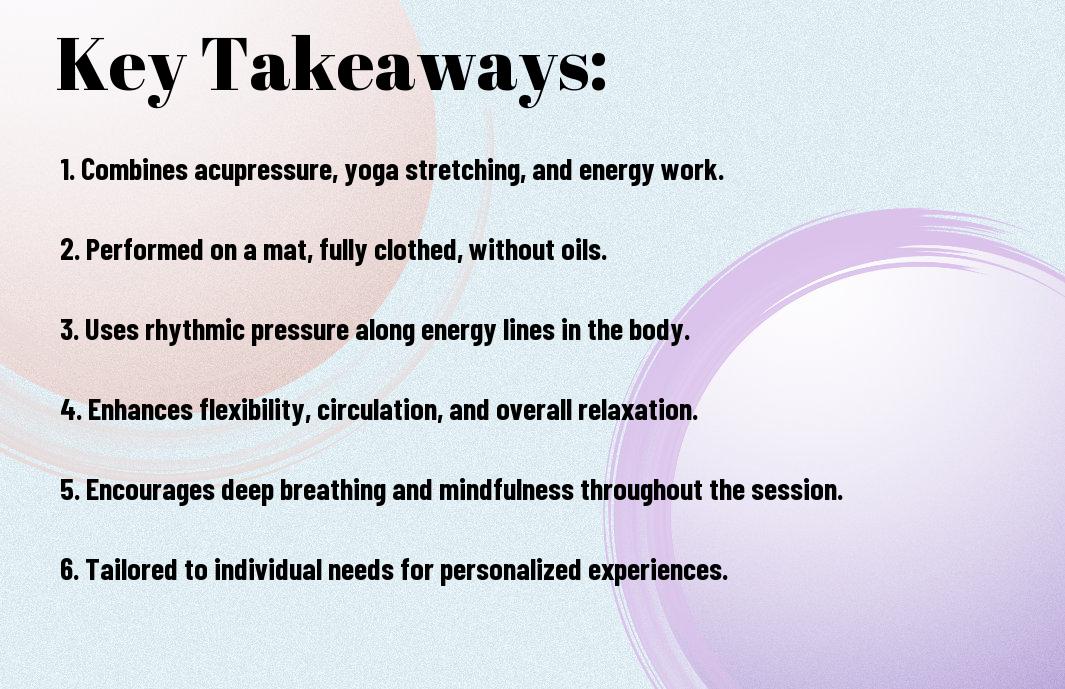
Key Takeaways:

  • Holistic Approach: Thai massage emphasizes a complete mind-body connection, integrating physical, emotional, and spiritual aspects.
  • Pressure Points: Practitioners use acupressure techniques to target specific points along energy lines, which can help release tension and improve energy flow.
  • Active Stretching: Unlike traditional massages, Thai massage includes yoga-like stretches, enhancing flexibility and mobility.
  • Traditional Techniques: It combines ancient techniques with modern practices, reflecting Thailand’s rich cultural heritage and beliefs in healing.
  • Clothing and Space: Thai massage is often performed on a mat, with clients fully clothed, promoting comfort and ease of movement.

History of Thai Massage

While the practice of Thai massage dates back over 2,500 years, its roots can be traced to India, where Buddhism and Ayurvedic medicine intertwined. For more insights, check out Thai massage: 5 benefits and side effects. This ancient healing modality has since evolved into a widely embraced form of wellness in Thailand and beyond.

Origins and Cultural Significance

Across Southeast Asia, Thai massage has historically played a significant role in both physical health and spiritual practice. It is deeply embedded in Thai culture and reflects the nation’s holistic approach to well-being, integrating mind, body, and spirit.

Evolution Through the Ages

After centuries of practice, Thai massage has undergone various transformations, influenced by different cultures and healing traditions. Its techniques and postures exhibit a blend of ancient Indian medical theory and traditional Thai practices that have been refined over generations.

Thai massage has adapted over time, incorporating elements from Chinese medicine, such as energy lines and acupressure techniques, resulting in a unique form of bodywork. This evolution has ensured its continued relevance in today’s wellness landscape, appealing to those seeking therapeutic benefits and relaxation. By embracing new techniques while honoring traditional practices, Thai massage remains a harmonious blend of history and health that can benefit you immensely.

Techniques and Practices

Clearly, Thai massage stands out due to its integration of various techniques that combine acupressure, assisted yoga postures, and gentle stretching. This unique approach not only promotes relaxation but also enhances your body’s overall flexibility and alignment. The practitioner utilizes their body weight to apply pressure along your energy lines, or ‘Sen’, stimulating your body’s natural energy flow. This comprehensive method allows for a holistic healing experience that is both invigorating and restorative.

Stretching and Flexibility

Techniques in Thai massage heavily emphasize stretching and flexibility, allowing your muscles to lengthen and release tension effectively. The use of rhythmic movements helps improve your overall range of motion, encouraging relaxation while fostering a deep connection between your body and mind. These stretches are often tailored to your individual needs, making each session a unique experience centered around your comfort and flexibility.

Massage Techniques and Body Alignment

Against common beliefs that massage is merely about relaxation, Thai massage involves intricate techniques aimed at aligning your body. By focusing on your posture and alignment during the session, the practitioner helps to relieve tension built up in specific areas and promote overall body balance.

For instance, during a Thai massage session, the practitioner may use gentle pressure points combined with stretches to restore your natural body alignment. This approach can help alleviate issues such as back pain, joint stiffness, and tension headaches. By incorporating elements of yoga, the massage not only addresses immediate discomfort but also contributes to long-term musculoskeletal health, ensuring you leave every session feeling revitalized and aligned.

Principles of Energy Flow

Despite being a physical practice, Thai massage places significant emphasis on the flow of energy within your body. It operates on the premise that energy, or “prana,” must circulate freely for you to experience optimal health. By manipulating your body through stretching and acupressure techniques, Thai massage facilitates the release of any blockages in energy flow, promoting balance and harmony within. This unique approach allows for a holistic healing experience, addressing both your physical and emotional well-being.

Sen Lines and Energy Channels

Among the foundational concepts of Thai massage are the Sen lines, which are energy channels that run throughout your body. There are numerous Sen lines, each responsible for different energetic functions. By following these pathways during your massage, practitioners apply pressure to relieve tension and restore fluidity to your energy flow. Understanding the role of Sen lines can enhance your experience, as you become more aware of the energetic connections within you.

Impact on Physical and Mental Well-being

Before you commence on a Thai massage journey, it’s imperative to recognize the positive effects it can have on both your physical and mental health. The massage technique is designed not just to alleviate muscle tension, but also to calm your mind, reduce stress, and improve your overall sense of well-being.

Understanding how Thai massage impacts your physical and mental well-being can deepen your appreciation for this ancient practice. Studies have shown that regular Thai massage sessions can lead to reduced anxiety and improved mood, as well as enhanced flexibility and muscle recovery. By addressing both the body and mind, you can cultivate a state of relaxation that carries beyond the massage room, empowering you to navigate daily life with greater ease and balance.

Benefits of Thai Massage

Unlike other forms of massage, Thai massage offers a unique blend of physical and psychological benefits that cater to your overall well-being. This ancient practice not only enhances your physical health but also supports mental clarity and emotional stability, making it a holistic approach to wellness that resonates deeply with your body and mind.

Physical Health Benefits

Benefits of Thai massage include improved flexibility, increased circulation, and reduced muscle tension. The combination of stretching, acupressure, and rhythmic movements works to release blockages in your body and promote relaxation, enhancing your physical vitality and fostering a sense of balance.

Psychological Benefits

Behind the physical advantages, Thai massage also significantly contributes to your psychological well-being. The mindful approach to this massage helps you connect with your body and promote a state of mental peace, easing stress and anxiety.

Further exploring the psychological benefits, you may find that regular sessions enhance your mood and boost your emotional resilience. Thai massage encourages mindfulness, allowing you to focus on the present moment and release lingering tensions. As you relax and open up during the experience, you’re likely to discover a greater sense of self-awareness and emotional clarity, ultimately cultivating a more balanced state of mind.

Comparison with Other Massage Therapies

Many massage therapies focus on relaxation or relieving muscle tension, but Thai massage sets itself apart with its unique techniques and intention. Below is a comparison of Thai massage with other popular forms of massage:

Massage Type Characteristics
Thai Massage Involves stretching, acupressure, and energy line work, performed on a mat.
Swedish Massage Focuses on long strokes, kneading, and smooth movement to promote relaxation.
Deep Tissue Massage Targets deeper layers of muscle using firm pressure to alleviate chronic pain.

Differences from Swedish and Deep Tissue Massage

An important distinction between Thai massage and other types is the level of movement involved. While Swedish and deep tissue massages often involve the therapist working primarily on the recipient, Thai massage engages you in dynamic stretches and movements, promoting a deeper sense of connection with your body.

Complementary Approaches

To enhance your overall wellness experience, Thai massage can be combined with various complementary therapies such as yoga and mindfulness practices, which share similar principles of energy flow and body awareness.

From incorporating breathwork to integrating yoga poses into your session, these complementary approaches can further enrich your Thai massage experience. They not only enhance flexibility and relaxation but also promote a mindful connection to your body and energy levels, making your rejuvenation journey holistic and profound.
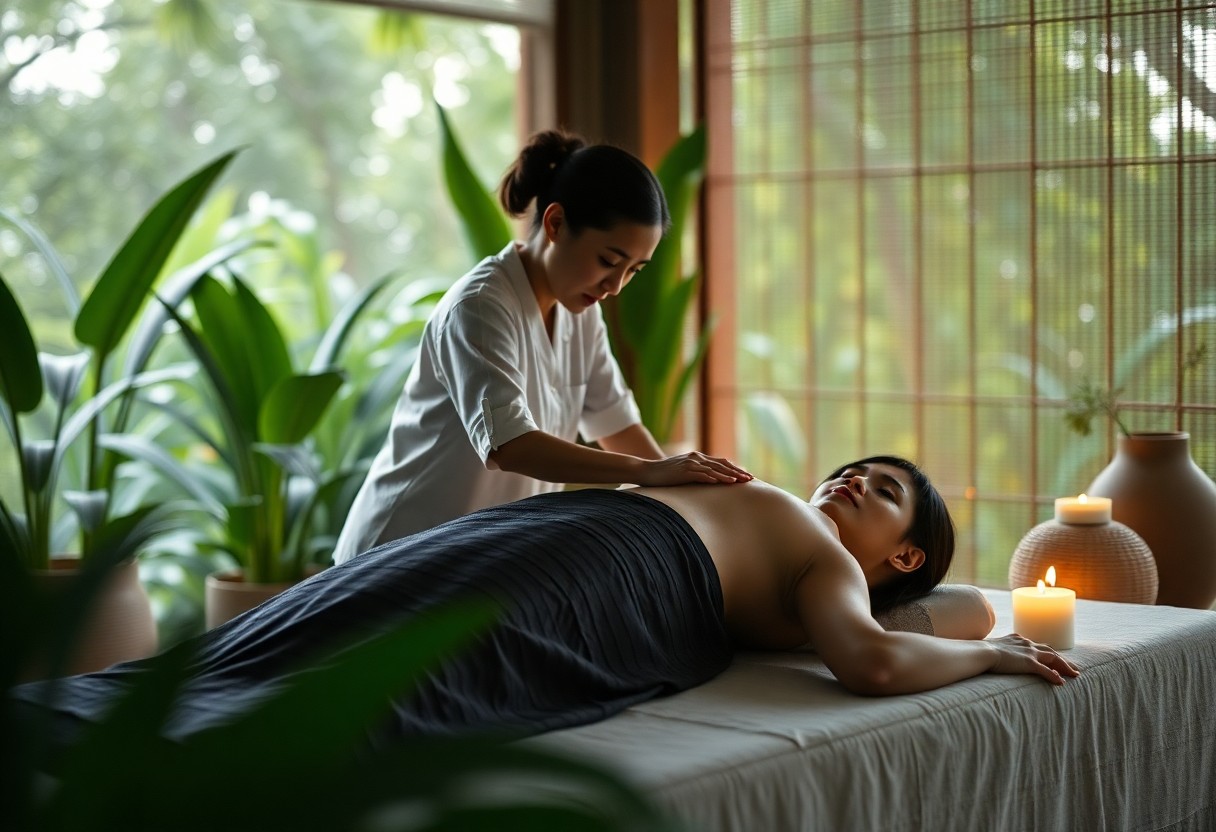
Learning and Practicing Thai Massage

To master the art of Thai massage, you will benefit from a combination of formal training and practical experience. Consider enrolling in workshops or classes that emphasize the traditional techniques and philosophy behind this ancient practice. Regular practice not only refines your skills but also deepens your understanding of body mechanics and energy flow, allowing you to effectively tailor your approach for each client.

Training Programs and Certifications

Along your journey, you will find a variety of training programs and certification opportunities available worldwide. Many institutions offer structured courses, ranging from beginner to advanced levels, where you can learn from experienced instructors who emphasize alignment with traditional methods. Certifications can enhance your credibility and assure clients of your expertise in Thai massage techniques.

Tips for Practitioners and Enthusiasts

Against the backdrop of developing your Thai massage skills, it’s important to adopt certain practices that can enrich your experience. Consider these tips:

  • Engage in regular personal practice to enhance your technique.
  • Listen to your client’s feedback to adjust your approach.
  • Incorporate mindfulness and breathwork into your sessions.
  • Stay informed about ongoing education opportunities and workshops.

Recognizing the individual needs of each client will enhance your effectiveness as a practitioner and deepen the benefits they experience.

Learning from others is paramount to your growth as a Thai massage practitioner. Sharing experiences and techniques with fellow professionals can dramatically improve your skills. Consider these additional tips:

  • Participate in community events or demonstrations to expand your network.
  • Document your sessions to analyze your progress over time.
  • Explore holistic health practices to enrich your global understanding of wellness.
  • Seek mentorship from seasoned practitioners to gain valuable insights.

Recognizing your own journey will empower you to connect more authentically with your clients.
Final Words

Presently, Thai massage stands out as a distinctive healing practice that beautifully combines elements of yoga, acupressure, and meditation. As you experience its flow, your body will appreciate the deep stretches, rhythmic movements, and the skilled application of pressure along energy lines. This ancient art not only alleviates physical tension but also fosters mental clarity, enhancing your overall well-being. By embracing Thai massage, you invite a holistic approach to relaxation and rejuvenation, making it a valuable addition to your wellness routine.

FAQ

Q: What is the significance of stretching in Thai Massage?

A: Stretching is a central component of Thai Massage. Unlike traditional Western massages that often focus on pressure and kneading, Thai Massage incorporates a series of yoga-like stretches for both the therapist and the recipient. This not only enhances flexibility but also helps release tension from tight muscles, improve circulation, and promote overall relaxation. The dynamic stretching aspect of Thai Massage allows practitioners to work deeply within the muscle tissues while simultaneously fostering a sense of vitality and well-being.

Q: How does the energy line concept influence Thai Massage techniques?

A: The concept of energy lines, or “Sen,” plays a vital role in Thai Massage. Practitioners believe that these energy lines run throughout the body and that blockages can lead to discomfort or illness. Thai Massage aims to clear these blockages through gentle pressure, stretching, and rhythmic movements along these lines. This holistic approach not only focuses on physical aspects but also considers the energetic and emotional states of individuals, leading to a more comprehensive healing experience.

Q: What role does the therapist’s involvement play in a Thai Massage session?

A: The involvement of the therapist in a Thai Massage session is distinctly interactive compared to other massage forms. The therapist uses their body to support their movements, often positioning themselves to better assist the recipient’s stretches and maneuvers. This unique partnership encourages active participation from both the therapist and the receiver, making it a collaborative experience. The therapist’s skilled touch, combined with their understanding of body mechanics and energy flow, creates a more profound and attuned massage, tailored to meet the individual needs of the person receiving treatment.
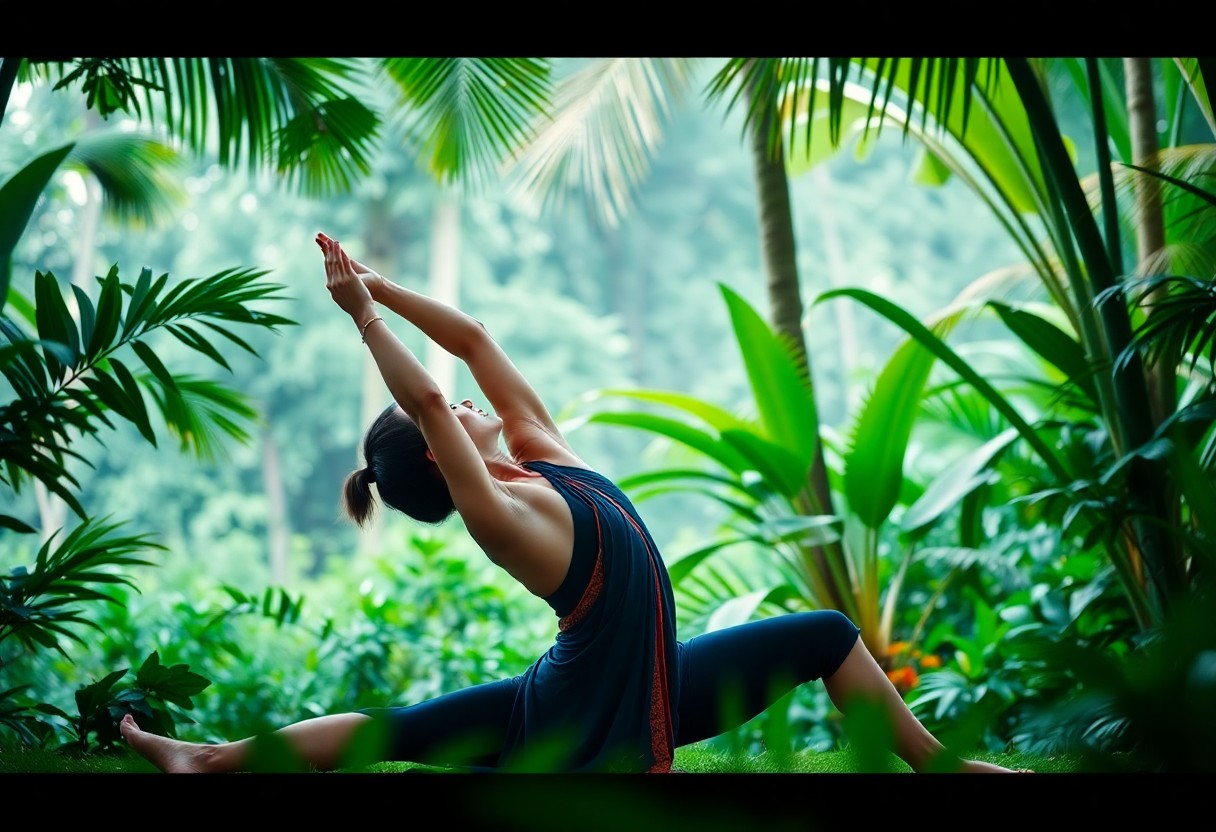

How Thai Stretching Techniques Enhance Flexibility

With the growing interest in holistic wellness, you may be looking for effective ways to increase your flexibility. Thai stretching techniques, rooted in traditional practices, offer a dynamic approach to enhancing your physical capabilities. These methods not only promote greater range of motion but also foster relaxation and balance within your body. By incorporating these techniques into your routine, you can experience significant improvements in your flexibility and overall well-being.

Key Takeaways:

  • Increased Flexibility: Thai stretching techniques are designed to improve overall body flexibility through a series of dynamic and static stretches.
  • Holistic Approach: These techniques incorporate both physical movements and mindful breathing, promoting a deeper mind-body connection.
  • Joint Mobility: The emphasis on full range of motion helps enhance joint mobility, reducing stiffness and enhancing functional movement.
  • Prevention of Injury: Regular practice of Thai stretching can help prevent injuries by gradually increasing muscle elasticity and strength.
  • Enhanced Relaxation: The methods encourage relaxation of both body and mind, leading to improved overall well-being and recovery from strenuous activities.

Understanding Thai Stretching Techniques

Your journey toward enhanced flexibility can be greatly supported by Thai stretching techniques. These methods, rooted in ancient practices, focus on the balance between breath and movement. If you’re curious about real-life experiences, check out Had 40+ Thai massages to get more flexible. Many enthusiasts share their progress and insights, highlighting the transformative power of these techniques.

Historical Background

Thai stretching techniques have their origins in traditional Thai medicine, which dates back over 2,500 years. Influenced by Ayurveda and Chinese medicine, these techniques emphasize energy lines known as “Sen,” promoting harmony and relaxation while enhancing flexibility. This holistic approach has been handed down through generations, making it both a respected and revered practice within Thai culture.

Key Principles of Thai Stretching

Any effective Thai stretching routine operates on certain principles, with an emphasis on body awareness and mindfulness. You’ll find that these techniques incorporate various stretches, breathing exercises, and the use of gentle pressure applied by a partner or therapist to encourage deeper elongation of the muscles.

Stretching in the context of Thai techniques isn’t merely about pushing your limits; it’s about understanding your body’s unique capabilities. Integrating breath with movement promotes liberation of tension and enhances your overall range of motion. Flexibility is approached holistically, ensuring that both physical and mental barriers are addressed through these ancient methods.

Benefits of Thai Stretching for Flexibility

Some outstanding benefits of Thai stretching techniques include enhanced overall flexibility, improved posture, and decreased risk of injury. By integrating these traditional practices into your routine, you can experience not only greater ease in movement but also the ability to perform daily activities with increased comfort. As your body becomes more flexible, you may find that your physical performance in various sports and activities significantly improves, promoting a healthy lifestyle.

Increased Range of Motion

Behind the effectiveness of Thai stretching, you can discover its ability to increase your range of motion. By gently stretching and lengthening your muscles, you help to release any stiffness and tension. The unique techniques utilized in Thai stretching encourage natural, flowing movements that allow you to access deeper stretches, ultimately promoting more fluid and unrestricted movement in your body.

Improved Muscle Elasticity

About muscle elasticity, Thai stretching plays a vital role in enhancing this crucial quality. By consistently engaging in these stretching practices, you foster better muscle responsiveness and flexibility, allowing your muscles to stretch further without strain. As a result, you potentially minimize the risk of injury while participating in various physical activities, making your workouts more effective.

Improved muscle elasticity not only enhances your flexibility but also contributes to overall strength and performance. With greater elasticity, your muscles can efficiently contract and relax, adapting quickly to the demands of different activities. This responsiveness helps you achieve a fuller range of motion during exercises, ultimately elevating your fitness level. Additionally, as you integrate Thai stretching into your routine, you’ll notice a reduction in soreness and tightness, allowing you to progress more comfortably in your physical pursuits.

Comparison with Other Stretching Methods

For anyone looking to enhance flexibility, understanding the differences between Thai stretching techniques and other methods can be enlightening. The following table highlights key distinctions:

Aspect Thai Stretching
Type Passive, partner-assisted
Focus Full-body integration
Breathing Incorporated for relaxation
Intensity Gentle, therapeutic
Duration Can be longer, holding positions

Static vs. Dynamic Stretching

Other forms of stretching, such as static and dynamic methods, vary significantly in their approach. While static stretching involves holding a position to lengthen muscles, dynamic stretching focuses on movement and muscle engagement. Thai stretching often incorporates elements of both, allowing for a holistic approach that balances mobility and stability.

Unique Aspects of Thai Techniques

Any discussion on Thai stretching techniques would be incomplete without addressing their unique characteristics. These methods not only emphasize passive stretching but also involve rhythmic movement and partner assistance, which fosters a deeper connection between your body and your flexibility goals.

But what truly sets Thai techniques apart is their incorporation of holistic principles. Unlike many traditional methods, Thai stretching encourages a dialogue between the practitioner and the therapist, allowing for adjustments based on body feedback. This responsive approach makes each session uniquely tailored to your needs, promoting not just physical flexibility but also relaxation and mental clarity.

Incorporating Thai Stretching into Your Routine

All you need to do is integrate Thai stretching techniques into your daily exercise routine to experience significant improvements in flexibility. Start with a designated time, perhaps before your workouts or as part of your cool-down. You can also incorporate these stretches during your breaks or while watching TV to maximize their benefits without requiring extra time. Just a few minutes each day can yield impressive results, helping to enhance your overall range of motion and relaxation.

Basic Techniques for Beginners

Techniques for beginners are designed to ease you into the practice of Thai stretching. Start with basic stretches such as assisted forward bends or gentle seated stretches. These provide a foundation for understanding your body’s limits and capabilities while building initial flexibility. Aim for a consistent routine, allowing yourself to progress naturally as you become more comfortable with each movement.

Advanced Practices for Experienced Individuals

Beside the basics, advanced practices can significantly challenge and enhance your flexibility. Once you feel confident with foundational techniques, consider implementing some of the following practices into your routine:

  1. Partner-assisted stretching for deeper flexibility.
  2. Dynamic stretching movements to improve range of motion.
  3. Incorporating breathing techniques to enhance relaxation.
Technique Description
Partner-Assisted Stretching Utilizing a partner to push your limits safely.
Dynamic Stretching Engaging in movements that promote flexibility through action.
Breath Control Focusing on breathing to elongate muscle fibers effectively.

Considering these advanced techniques allows you to further develop your flexibility and mastery of Thai stretching. Incorporate a combination of slow, controlled movements and dynamic stretches to achieve maximum results while ensuring you maintain awareness of your body’s limits. Following are some advanced practices to consider:

  1. Incorporating yoga postures to enhance balance.
  2. Using props like straps or blocks for support during stretches.
  3. Adding meditation to improve your focus and relaxation.
Practice Benefit
Yoga Postures Improves overall body balance and stability.
Straps/Blocks Provides support, ensuring correct alignment during stretches.
Meditation Enhances focus and body awareness during stretching.

Common Myths and Misconceptions

Despite the growing popularity of Thai stretching techniques, several myths and misconceptions persist. Many individuals believe that flexibility is solely determined by genetics, leading them to assume that they cannot improve. Others think that stretching will instantly increase their range of motion, which may result in disappointment. Understanding the truth behind these misconceptions can empower you to embrace your flexibility journey confidently.

Debunking Flexibility Myths

Misconceptions about flexibility often revolve around the idea that some people will never be flexible, while others are naturally bendy. In reality, anyone can improve their flexibility with consistent practice and the right techniques. It’s crucial to distinguish between maintaining flexibility and forcing your body into positions it isn’t ready for, as this can lead to injury.

Understanding Safety and Risks

The willingness to push your limits is commendable, but it’s vital to approach stretching with caution. Many individuals overlook the risks of improper techniques or overstretching, which can lead to injuries. Incorporating Thai stretching methods requires a focus on listening to your body and knowing when to stop. Taking the time to warm up and understanding your limits will help you experience the benefits without unnecessary harm.

Myths surrounding safety in stretching often lead individuals to take undue risks. You may feel the urge to stretch further or push harder, thinking it will yield faster results. However, it’s crucial to prioritize your body’s signals over any self-imposed pressure. Ensure you are utilizing proper techniques and gradually easing into deeper stretches, allowing your muscles to adapt. By fostering a mindful approach, you can enhance your flexibility while minimizing the risk of injury.

Success Stories and Testimonials

Unlike conventional stretching methods, numerous individuals have experienced remarkable improvements in flexibility through Thai stretching techniques. These techniques have become a game-changer for many, enhancing overall physical well-being and mobility. You’ll find that these personal stories reflect the profound impact these practices can have on your flexibility journey.

Case Studies of Positive Outcomes

Testimonials reveal significant progress among practitioners:

  • Case Study 1: A 30-year-old runner improved hamstring flexibility by 40% in just 4 weeks.
  • Case Study 2: A 45-year-old office worker increased shoulder mobility by 30% after 6 sessions.
  • Case Study 3: A 25-year-old dancer enhanced overall flexibility scores by 50% in 3 months.
  • Case Study 4: A 60-year-old yogi reported pain reduction and a 35% increase in hip flexibility within 8 weeks.

Expert Opinions and Insights

Before begining on your flexibility journey, consider perspectives from famous practitioners and researchers who promote Thai stretching. Their insights emphasize the holistic benefits of integrating Thai techniques, not only enhancing flexibility but also improving balance and mental relaxation. These experts consistently highlight how the mindful approach to stretching encourages deeper body awareness and injury prevention.

It is imperative to recognize the value of expert recommendations and experiences from those who have studied Thai stretching extensively. They advocate for its effectiveness in various settings—be it athletic training, rehabilitation, or general wellbeing. By incorporating these techniques into your routine, you can expect meaningful results that foster long-lasting flexibility and overall physical health.

Final Words

Hence, by incorporating Thai stretching techniques into your routine, you can significantly enhance your flexibility and overall mobility. These time-tested methods allow you to engage deeply with your body, promoting not just physical flexibility but also mindfulness. As you practice these techniques, you’ll likely notice improvements in your range of motion and a reduction in tension, helping you to perform daily activities with greater ease. Embracing these practices can lead to a more balanced and agile lifestyle, empowering you to achieve your fitness goals.

FAQ

Q: How do Thai stretching techniques differ from traditional stretching methods?

A: Thai stretching techniques are often part of a holistic approach that combines elements of yoga, massage, and physical therapy. Unlike traditional stretching, which typically focuses on static holds, Thai stretching often involves dynamic movements and assisted stretches performed with the help of a partner or therapist. This interaction can facilitate deeper stretches, enhance muscle engagement, and promote better alignment throughout the body.

Q: What are the main benefits of incorporating Thai stretching into a flexibility routine?

A: Incorporating Thai stretching into a flexibility routine can lead to numerous benefits. These include improved range of motion, enhanced muscle elasticity, and increased blood flow to the muscles. Additionally, the holistic aspects of Thai stretching promote relaxation and stress relief, which can further contribute to overall well-being and flexibility through a balanced mind-body approach.

Q: Is Thai stretching suitable for all levels of flexibility, and how can beginners get started?

A: Yes, Thai stretching is suitable for individuals at all levels of flexibility. Beginners can start by seeking out a qualified instructor or practitioner who can guide them through the techniques safely. It’s important for newcomers to communicate their limitations and comfort levels. Practicing in a supportive environment allows beginners to gradually build their flexibility and confidence while learning how to engage their bodies effectively in various stretches.

Skip to content