It’s no secret that managing stress and alleviating muscle tension can significantly enhance your overall well-being. One effective method to achieve this is through aquatic massage, a soothing technique that utilizes water’s buoyancy and warmth to promote relaxation and healing. This unique form of therapy combines the benefits of massage with hydrotherapy, allowing you to experience a deeper level of relaxation. To learn more about similar practices, check out Hydromassage: What it is, benefits, costs, and more.
Key Takeaways:
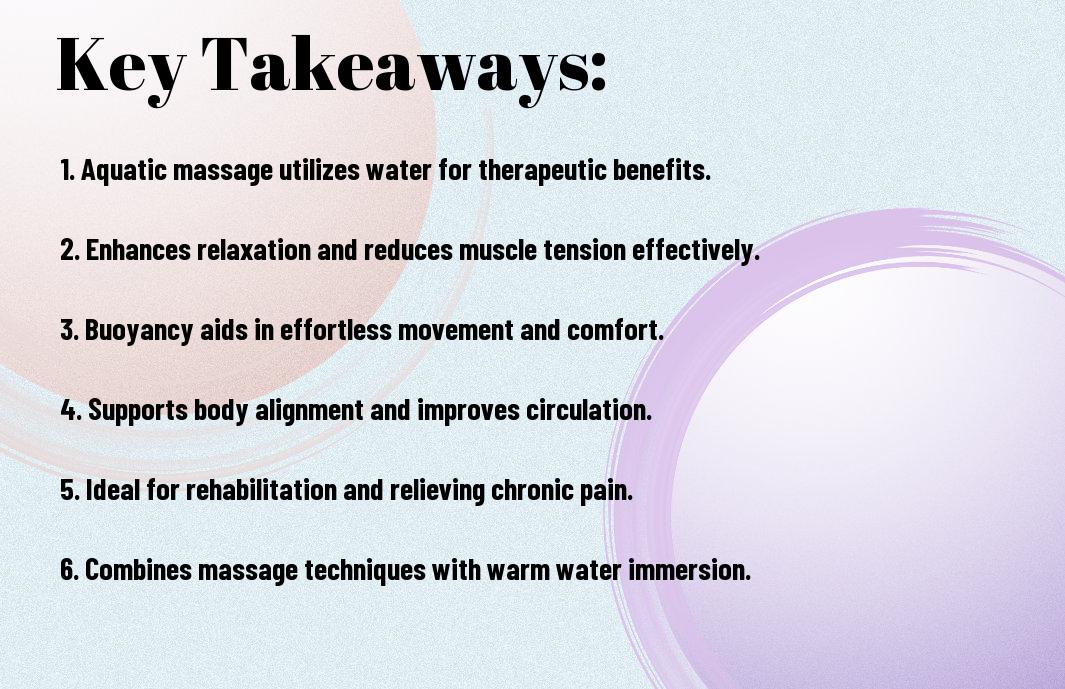
- Aquatic Massage is a type of bodywork performed in water, utilizing the buoyancy of the water to support relaxation and improve circulation.
- Benefits include relief from muscle tension, stress reduction, and enhanced mobility, making it suitable for various physical conditions.
- Hydrotherapy principles are incorporated, where the warm water helps to soothe sore muscles and joints, further promoting relaxation.
- The practice encourages a deeper connection between mind and body, fostering an optimal environment for healing and rejuvenation.
- It is especially beneficial for individuals with limited mobility, allowing them to experience massage without the weight and strain typically felt on land.
Aquatic Massage
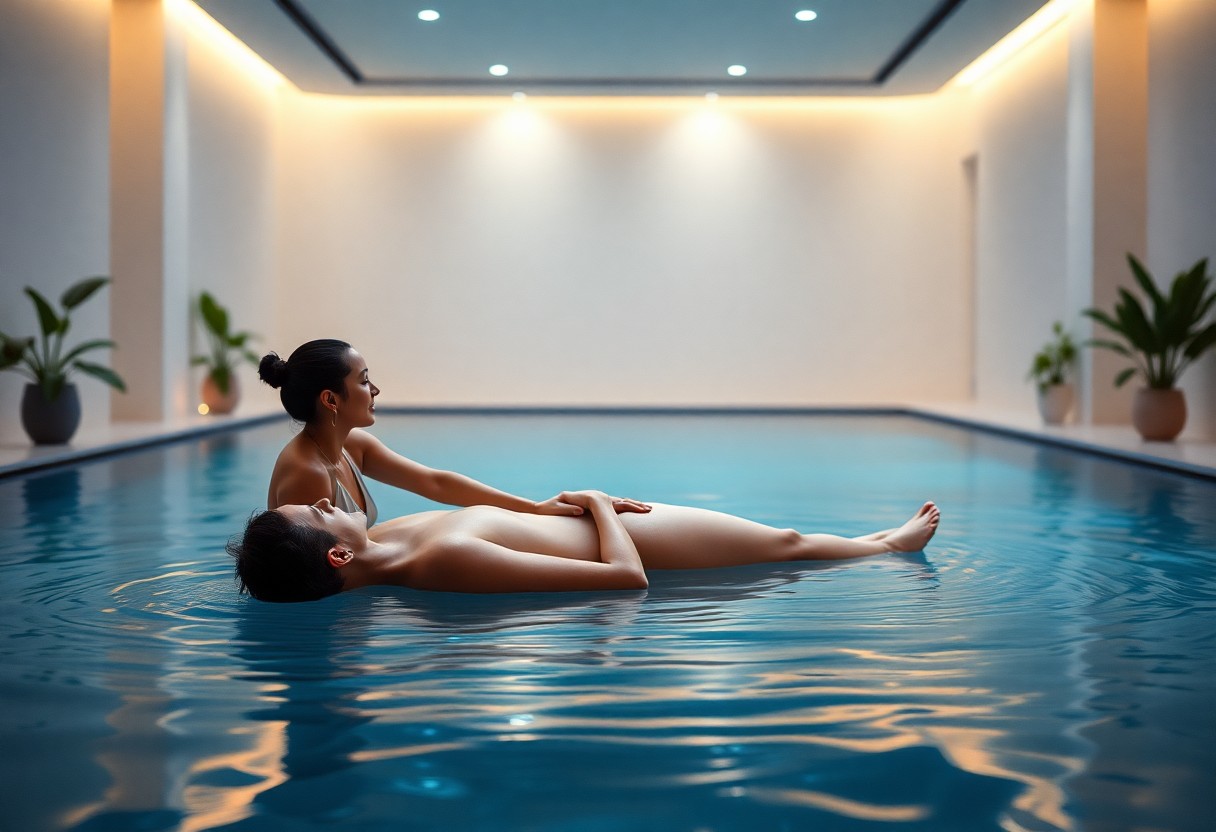
Your journey into relaxation and healing begins with aquatic massage, a holistic bodywork practice that combines the therapeutic benefits of water with skilled massage techniques. This innovative approach takes place in a warm, shallow pool, allowing your body to float and experience a gentle, soothing touch that relieves tension and promotes deep relaxation. The buoyancy of water supports your body, making the techniques more effective while reducing strain on muscles and joints.
Definition and Overview
Before entering into the specifics, it’s important to understand that aquatic massage is a unique form of therapy that leverages the properties of water to enhance traditional massage techniques. By utilizing the soothing warmth of water and the weightlessness it provides, you can experience an elevated sense of relaxation and a deeper connection to your body during the session. This method is often used for stress relief, rehabilitation, and overall well-being.
Techniques and Methods
Methods employed in aquatic massage vary but primarily include floating, gentle stretching, and rhythmic pressure application. Each technique is designed to relax your muscles and facilitate movement, promoting a sense of tranquility. The therapist utilizes both hands-on manipulation and the supportive environment of water to target specific areas of tension and stress in your body.
Aquatic massage techniques can include fluid movements that mimic traditional massage strokes, such as kneading and gliding, adapted to the aquatic setting. Water enhances these methods, enabling a level of relaxation that can be hard to achieve on land. The therapist’s intuitive touch, combined with the calming effects of the water, allows you to surrender to the experience fully, fostering a profound sense of peace and well-being.
The Science Behind Aquatic Massage
If you’re curious about how aquatic massage works, numerous studies highlight its unique benefits. The combination of buoyancy and water temperature facilitates relaxation while reducing muscle tension. This environment allows you to experience deeper tissue manipulation without the usual discomfort associated with traditional massage, ultimately promoting healing and well-being. The hydrostatic pressure from the water also enhances circulation, making your body respond more effectively to the massage techniques employed.
Physiological Benefits
Along with relieving stress, aquatic massage provides numerous physiological benefits. The warm water helps dilate blood vessels, improving circulation while easing muscle tension. As your body floats, gravity’s effects are minimized, allowing for greater flexibility and range of motion. This can accelerate recovery from injuries and enhance overall mobility.
Psychological Effects
The soothing environment of aquatic massage creates a tranquil space for mental relaxation. You may find that the warm water and gentle movements activate your body’s natural relaxation response. This can reduce anxiety levels, improve mood, and foster an overall sense of well-being.
At a deeper level, aquatic massage allows your mind to disconnect from daily stressors. The sensory experience of being submerged in water can trigger a meditative state, promoting mindfulness and self-awareness. Through this immersion, you can cultivate a profound sense of peace, leaving you refreshed mentally and emotionally after each session.
Applications of Aquatic Massage
After understanding the fundamentals of aquatic massage, it is important to explore its diverse applications. This therapeutic technique caters to a wide range of needs, from promoting physical healing to enhancing relaxation. Whether you are dealing with a specific ailment or simply seeking a sense of tranquility, aquatic massage offers versatile solutions tailored to your individual requirements.
Therapeutic Uses
Aquatic massage is particularly beneficial for addressing various health issues. It aids in relieving muscle tension, reduces pain, and enhances circulation. You can experience improvements in your overall mobility and flexibility, making it an excellent choice if you are recovering from injuries or managing chronic pain conditions.
Recreational Benefits
By incorporating aquatic massage into your wellness routine, you also tap into its recreational benefits. This approach promotes relaxation, reduces stress levels, and improves your mood. The soothing effects of water combined with targeted massage techniques allow you to unwind effectively, making it a great way to recharge and rejuvenate your body and mind.
Benefits of aquatic massage extend beyond physical relief. You will find that the gentle buoyancy of water alleviates stress on your joints and muscles, allowing you to enjoy the experience fully. This unique environment promotes a deep state of relaxation, enabling you to let go of daily pressures and immerse yourself in the therapeutic sensations. Over time, you might discover that regular sessions not only improve your physical state but also enhance your mental well-being, helping you to cultivate a more balanced lifestyle.
Comparing Aquatic Massage to Traditional Massage
Keep in mind that both aquatic massage and traditional massage have their unique qualities and benefits. Below, you can see a comparison of their key features.
Comparison Table
| Aquatic Massage | Traditional Massage |
|---|---|
| Performed in water, allowing for buoyancy | Done on a stable surface, usually a massage table |
| Gentler pressure with less physical strain | Can utilize a variety of techniques with varying pressure |
| Enhanced relaxation due to warmth of water | Relaxation may come from the therapist’s touch and techniques |
| Improved range of motion through resistance | Focuses on muscle tension release and therapy |
Key Differences
Behind the scenes, the environment and methodology of these two techniques set them apart. Aquatic massage leverages the unique properties of water for support and relaxation, while traditional massage relies on the therapist’s touch and techniques on dry surfaces. Understanding these differences can help you choose the option that aligns best with your wellness goals.
Unique Advantages
The benefits of aquatic massage extend beyond just relaxation. This method allows you to experience relief from stress in a soothing environment, complemented by the buoyancy of water. You may find that aquatic massage can effectively enhance your movement and flexibility, particularly if you have physical limitations or are recovering from an injury.
Advantages continue as the water’s warmth can increase blood circulation and promote healing—two effects that may be less pronounced in traditional settings. With reduced joint strain and sustained comfort, you might find lasting relief from chronic pain or tension. Ultimately, choosing aquatic massage could lead to a more enjoyable and restorative experience, ensuring you feel pampered and rejuvenated.
Who Can Benefit from Aquatic Massage?
Now, aquatic massage offers therapeutic advantages for a diverse array of individuals. Whether you are an athlete seeking recovery, someone managing chronic pain, or simply looking to reduce stress, this treatment is accessible and effective for many. The buoyancy of water can relieve pressure, allowing you to relax while still receiving the benefits of deep tissue manipulation. It’s especially advantageous for those with limited mobility or joint issues, making it a valuable addition to your wellness routine.
Ideal Candidates
At its core, aquatic massage is ideal for individuals of all ages who are seeking relaxation and therapeutic benefits. Specifically, those dealing with musculoskeletal issues, fibromyalgia, or anxiety may find significant relief through this unique approach. Athletes may also benefit from enhanced recovery and improved flexibility following strenuous activities.
Precautions and Considerations
Ideal candidates should also be aware of certain precautions before indulging in aquatic massage. Individuals with specific medical conditions, such as severe cardiovascular issues or open wounds, should consult a healthcare professional prior to treatment. Additionally, it’s important to communicate any allergies, sensitivities, or preferences you may have with your therapist to ensure a safe and comfortable experience.
Benefit from thorough communication about your health history and any discomfort during the session. This allows your therapist to adapt the treatment to your individual needs, ensuring a personalized experience. If you’re pregnant, discussing your condition with a healthcare provider is also important to prevent any complications during treatment. Combining awareness of your body’s signals with professional guidance can enhance the benefits of aquatic massage while keeping your safety a priority.
How to Find an Aquatic Massage Practitioner
Not all massage therapists are equipped to provide aquatic massage. To ensure an effective experience, it’s necessary to seek out practitioners who specialize in this unique form of therapy. You can start your search by checking local wellness centers, spas, or even fitness facilities that offer aquatic therapy programs. Online directories and professional associations can also help you find licensed practitioners in your area who have experience in aquatic massage. Don’t hesitate to ask about their specific training and experience to ensure they meet your needs.
Qualifications and Training
Across the United States, aquatic massage practitioners typically have backgrounds in massage therapy, physical therapy, or related fields. Look for individuals who have completed specialized training programs that focus on aquatic techniques, water safety, and hydrotherapy. Certifications from reputable organizations indicate a level of expertise and will contribute to your overall experience during the session.
What to Expect in a Session
Along with the soothing environment of warm water, you can expect a personalized approach tailored to your specific needs and preferences during your aquatic massage session. The practitioner will guide you through various movements, blending gentle stretching, buoyancy support, and massage techniques to encourage relaxation and pain relief.
Even as you float in the water, the sensation of weightlessness allows your body to relax deeply, making it easier for the therapist to work out tight muscles and improve circulation. You will likely begin with a warm-up period to acclimate to the water and establish comfort before the practitioner applies various massage techniques. Be prepared to communicate about areas that require more focus to enhance the session’s effectiveness. Your overall experience should leave you feeling rejuvenated and peaceful, both physically and mentally.
Summing up
Upon reflecting on aquatic massage, you’ll find that its unique combination of buoyancy, warmth, and gentle movements offers profound relaxation and pain relief. By working with the properties of water, you can experience a depth of relaxation that traditional massage may not provide. This therapy not only soothes your body but also aids in emotional wellness. Whether you’re seeking stress relief, rehabilitation, or a new sensory experience, aquatic massage can be a valuable addition to your self-care routine.
FAQ
Q: What is Aquatic Massage?
A: Aquatic massage is a form of therapeutic massage performed in water, typically in a warm pool. It incorporates various techniques that utilize the buoyancy of water to support and relieve pressure on the body. This unique environment allows therapists to gently stretch, mobilize, and manipulate the client’s body with ease, creating a soothing experience that can enhance relaxation. It aims to relieve muscle tension, improve circulation, and promote overall well-being.
Q: Why does Aquatic Massage work so effectively for muscle tension?
A: Aquatic massage works effectively for muscle tension due to the properties of water. The buoyancy provided by the water reduces the weight and load on muscles and joints, allowing for greater freedom of movement. This environment reduces stress on the body while enabling deeper stretches and easier access to tight muscles. Additionally, the warmth of the water helps to dilate blood vessels, which enhances circulation and aids in the recovery of sore muscles, offering a soothing experience that can significantly decrease tension.
Q: Who can benefit from Aquatic Massage?
A: Aquatic massage can benefit a wide range of individuals. It is particularly effective for those experiencing chronic pain, muscle stiffness, or mobility limitations, as the warm water environment provides support and alleviation of discomfort. Athletes often find it useful for recovery after intense workouts, while individuals with conditions such as arthritis, fibromyalgia, or stress-related issues can also experience relief. Additionally, prenatal clients may use aquatic massage as a gentle way to relieve tension and stress during pregnancy. However, it is vital to consult with a healthcare professional to determine if it is suitable for specific health conditions.