Massage

Massage and Digestive Health – Is There a Connection

There’s a growing interest in the link between massage therapy and digestive health, prompting you to wonder if incorporating massages into your routine could improve your gastrointestinal function. By understanding how massage affects your body, you can discover ways it might alleviate discomfort, reduce stress, and promote overall wellness. This informative post will explore the potential benefits of massage therapy on your digestive system, equipping you with the knowledge to make informed decisions about your health and well-being.

Key Takeaways:

  • Improved Circulation: Massage can enhance blood flow, which may promote better nutrient absorption in the digestive system.
  • Relaxation Response: The calming effects of massage help reduce stress, potentially alleviating digestive disorders like irritable bowel syndrome (IBS).
  • Smoother Digestion: Certain massage techniques, especially abdominal massage, can stimulate peristalsis and relieve constipation.
  • Muscle Release: Tension in the abdominal and lower back muscles can impede digestion; massage can help release this tension.
  • Holistic Approach: Integrating massage into a wellness routine can support overall digestive health alongside diet and hydration.

The Role of Massage in Digestive Health

The connection between massage and digestive health is pivotal, as it can significantly enhance digestive function. By applying targeted pressure and techniques on specific areas of the body, massage promotes relaxation, reduces stress, and improves blood circulation, all of which aid in boosting digestive efficiency. Incorporating regular massage into your wellness routine can contribute to a healthier gut and overall well-being.

Mechanisms of Action

The physiological mechanisms through which massage aids digestion are multifaceted. It stimulates the parasympathetic nervous system, promoting relaxation and reducing tension. This, in turn, encourages better blood flow to the digestive organs and enhances peristalsis, the process that moves food through your intestines. Additionally, it can help alleviate symptoms of bloating and discomfort, ensuring a smoother digestive process.

Types of Massage Techniques Beneficial for Digestion

Types of massage techniques that you may find beneficial for digestion include:

  • Abdominal Massage
  • Swedish Massage
  • Reflexology
  • Shiatsu Massage
  • Deep Tissue Massage

Thou can choose techniques that resonate with you for optimal digestive health.

With various massage techniques available, each offers unique benefits targeting digestive health. Consider integrating techniques such as abdominal massage, which focuses on stimulating organs directly related to digestion, or reflexology, which addresses pressure points that correspond to gastrointestinal systems. Exploring Swedish massage and deep tissue techniques may aid in relieving tension that can negatively impact digestion. Incorporate these practices into your routine regularly.

  • Abdominal Massage
  • Swedish Massage
  • Reflexology
  • Shiatsu Massage
  • Deep Tissue Massage

Thou can personalize your approach to massage for optimal digestive wellness.

Massage Technique Benefits
Abdominal Massage Stimulates digestion and relieves bloating.
Swedish Massage Promotes relaxation and improves circulation.
Reflexology Targets pressure points linked to digestive organs.
Shiatsu Massage Balances energy and relieves tension.
Deep Tissue Massage Reduces chronic muscle tension impacting digestion.

Scientific Evidence: Massage Therapy and Digestion

While research continues to explore the relationship between massage therapy and digestive health, emerging studies suggest that massage can positively impact the digestive system. Findings reveal that various massage techniques may enhance gastrointestinal function by promoting relaxation and reducing stress, which are known to influence overall digestive processes. Specifically, techniques such as abdominal massage have shown promise in alleviating digestive discomfort and improving bowel motility.

Studies Supporting the Connection

To understand the relationship between massage therapy and digestion, several studies have examined the benefits of massage on gastrointestinal health. These studies indicate significant improvements in digestion-related symptoms among participants receiving regular massage therapy.

Case Studies and Testimonials

Across various settings, numerous case studies have showcased the benefits of massage therapy for individuals struggling with digestive issues. These accounts highlight personal experiences and improvements in symptoms after receiving massage treatments.

  • Case Study 1: A client with Irritable Bowel Syndrome (IBS) reported a 60% reduction in abdominal pain after 8 weekly sessions of abdominal massage.
  • Case Study 2: After 10 weeks of regular massage therapy, a participant with chronic constipation achieved normalization of bowel movements.
  • Case Study 3: An individual with anxiety-related digestion issues experienced a marked decrease in symptoms, with a 50% improvement in comfort levels reported post-treatment.

Supporting these findings, testimonials from clients highlight the real-world impact of massage on digestive health. Users often reflect on significant improvements in their conditions after consistent sessions, underlining the importance of incorporating massage into their wellness routines.

  • Testimonial 1: A participant admitted feeling more relaxed and reported a 70% decrease in bloating, attributing improvements to regular massages.
  • Testimonial 2: A client shared their story of overcoming nausea and discomfort, noting that massage therapy allowed them to regain control over their digestion.
  • Testimonial 3: An individual emphasized the reduction of stress-related digestive symptoms, stating that massage therapy had a transformative effect on their overall well-being.

Specific Conditions Benefited by Massage

Not all forms of treatment require a prescription or invasive procedures; massage therapy can be your ally in managing various digestive health issues. Incorporating massage into your wellness routine offers a natural way to alleviate symptoms associated with specific conditions, promoting a more balanced digestive system and overall well-being.

Irritable Bowel Syndrome (IBS)

Beside the conventional treatments, massage can serve as an effective complementary therapy for you if you suffer from Irritable Bowel Syndrome (IBS). Gentle manipulation of the abdominal area can ease tension, enhance circulation, and promote relaxation, which may alleviate some of the distressing symptoms associated with IBS.

Constipation and Bloating

Any digestive discomfort, like constipation and bloating, can significantly affect your quality of life. Massage therapy can stimulate your intestinal function and relieve tension in the abdominal region, potentially easing these symptoms and promoting regularity.

Irritable bowel syndrome (IBS), constipation, and bloating can often overlap, leading to discomfort that can feel overwhelming. Massage techniques targeting the abdomen can assist in stimulating peristalsis, helping food move through your digestive tract more effectively. By promoting relaxation and reducing stress, massage may also enhance your overall digestive function, making it easier to manage these commonly experienced issues. Everyone’s body responds differently, so exploring various massage styles can help you identify what works best for your digestive health needs.

How to Incorporate Massage for Digestive Health

All individuals seeking to enhance their digestive health can benefit from incorporating massage techniques into their routine. Whether through self-massage or professional therapy, finding what works for you can help alleviate discomfort and promote better digestion. Start by establishing regular times for these practices, ensuring you create a soothing environment that supports relaxation and effective digestion.

Self-Massage Techniques

Massage your abdomen gently in circular motions, moving clockwise to follow the natural path of digestion. You can also apply light pressure to points such as the diaphragm and sides of your stomach. Additionally, practice breathing deeply as you massage, allowing your body to relax further and enhancing the massage’s effectiveness.

Professional Massage Therapy

Before booking a session, consider seeking a therapist who specializes in digestive health. A skilled professional can tailor the massage to your unique needs, focusing specifically on areas that may contribute to digestive issues.

For instance, techniques such as abdominal massage or reflexology may be employed to stimulate digestive organs and encourage optimal function. The therapist may also incorporate deep tissue work or gentle stretching to relieve tension and improve blood flow. By seeking professional guidance, you ensure that the massage you receive is both effective and safe, ultimately supporting your digestive health journey.

Potential Risks and Considerations

After exploring the benefits of massage for digestive health, it’s important to be aware of the potential risks and considerations involved. While most individuals can safely enjoy massage therapies, certain conditions may warrant caution. You should consider individual health issues, existing treatments, or sensitivities that could affect your experience.

Contraindications

Between the benefits, there are specific contraindications to be mindful of, such as severe gastrointestinal disorders, recent surgeries, or infections. If you have any medical conditions, it’s wise to discuss them with your massage therapist to ensure a safe experience tailored to your needs.

When to Consult a Healthcare Professional

At times, you may need to consult a healthcare professional before pursuing massage, particularly if you have ongoing digestive issues or recent health changes. Their guidance can help determine if massage is suitable for your condition.

For instance, if you’re experiencing persistent abdominal pain, significant changes in bowel habits, or underlying health concerns, seeking a healthcare professional’s advice is advisable before starting any massage therapy. This ensures that you are not exacerbating any existing conditions and that the chosen methods are aligned with your overall healthPlan.
Final Words

Considering all points, it’s clear that massage can play a significant role in improving your digestive health. By incorporating techniques like abdominal massage, you may find relief from discomfort and promote better digestion. This holistic approach can complement your overall wellness journey, making it worthwhile to explore. For more insight, check out What to Know About Belly Massage for Digestion, and discover how massage may enhance your digestive experience.

Q: How does massage therapy contribute to digestive health?

A: Massage therapy can enhance digestive health by promoting relaxation and reducing stress, which are known to negatively affect digestion. Techniques such as abdominal massage can stimulate the digestive organs, improving blood flow and promoting peristalsis (the wave-like motions that help move food through the intestines). Additionally, massage can help alleviate symptoms of bloating and constipation by relaxing tense muscles in the abdomen.

Q: Are there specific types of massage that are more effective for digestive issues?

A: Yes, certain massage techniques can be particularly beneficial for digestive problems. Abdominal massage, for example, focuses on the area around the stomach and intestines, helping to relieve discomfort and encourage better digestion. Techniques such as Swedish massage and deep tissue massage can also provide overall relaxation and improve circulation, which may indirectly enhance digestive function. It’s advisable to work with a trained massage therapist who understands which techniques are most effective for your specific digestive concerns.

Q: Can massage therapy replace conventional treatments for digestive disorders?

A: While massage can provide significant benefits for digestive health, it should not be viewed as a replacement for conventional medical treatments. It can be an effective complementary therapy that supports overall well-being and can help alleviate symptoms. Individuals with serious or chronic digestive disorders should consult healthcare professionals for comprehensive treatment plans and consider incorporating massage therapy as part of a holistic approach to their health.
How Massage Aids in Post-Surgical Recovery

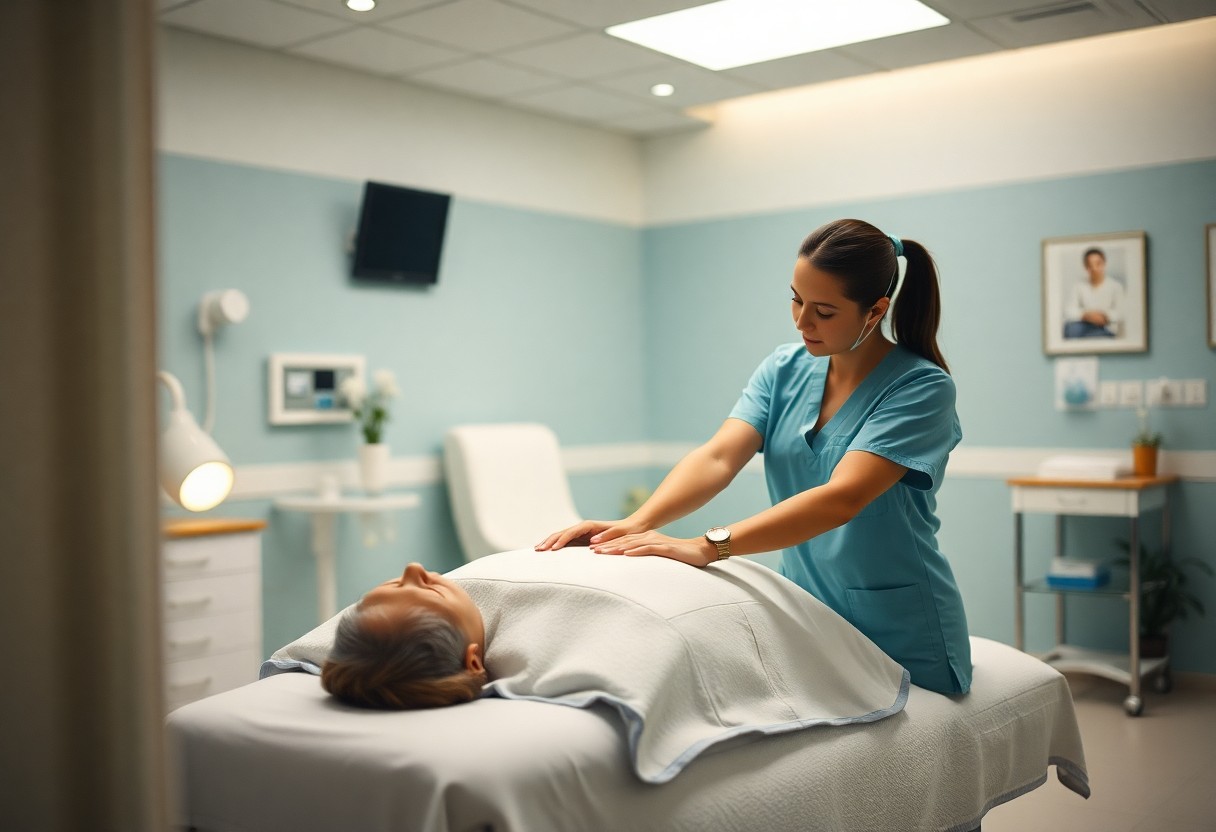
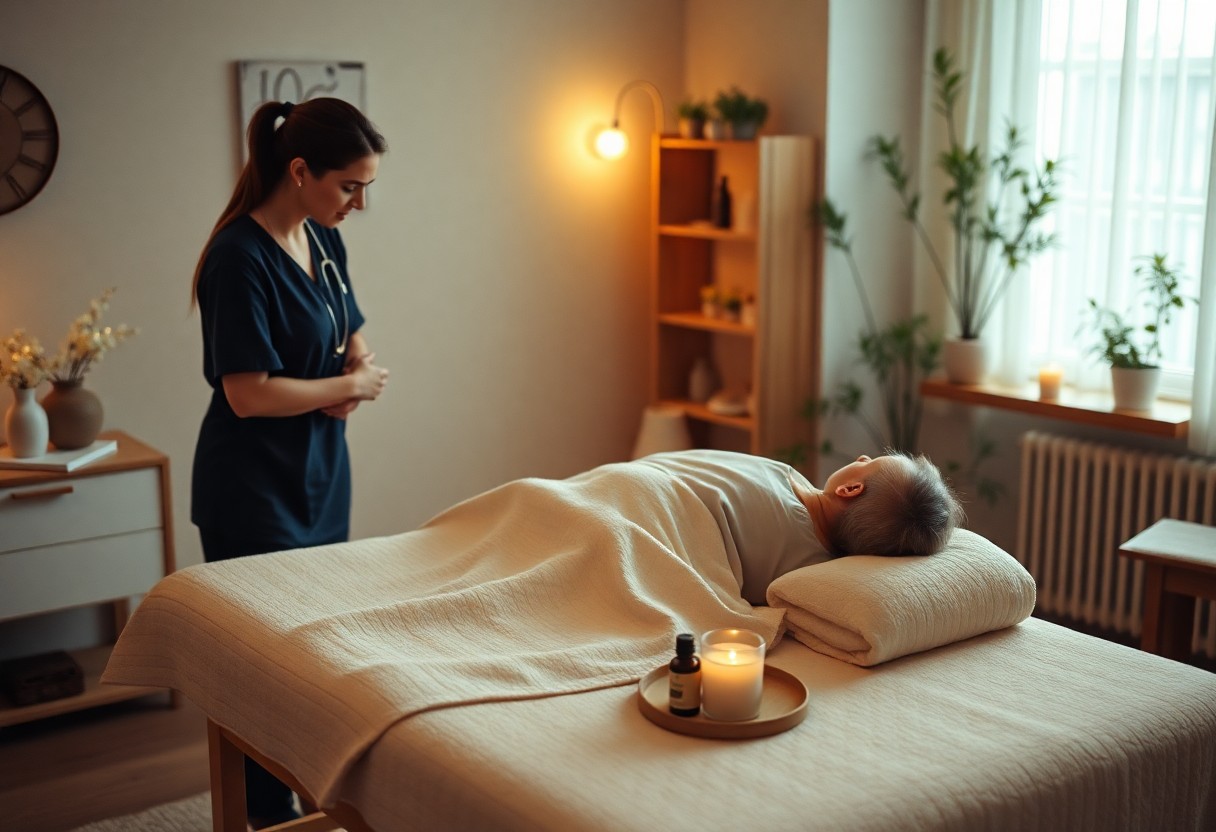
It’s imperative to consider the many ways massage therapy can enhance your post-surgical recovery experience. By incorporating massage into your healing routine, you can potentially alleviate pain, reduce swelling, and improve blood circulation in your body. As you begin on your journey to recovery, understanding the benefits of massage will empower you to make informed decisions about your care. This blog post will explore how massage can support your healing process and optimize your overall well-being following surgery.

Key Takeaways:

  • Improved Circulation: Massage therapy enhances blood flow, which aids in delivering vital nutrients and oxygen to healing tissues.
  • Pain Relief: It helps reduce discomfort through the release of endorphins, providing natural pain relief and decreasing reliance on medications.
  • Reduced Swelling: By encouraging lymphatic drainage, massage can effectively minimize post-surgical swelling and inflammation.
  • Enhanced Flexibility: Regular massage can improve range of motion and flexibility, helping patients regain mobility more swiftly.
  • Emotional Support: Engaging in massage therapy can provide psychological benefits, reducing anxiety and promoting relaxation during the recovery process.

Understanding Post-Surgical Recovery

To effectively navigate your post-surgical recovery, it’s important to recognize the body’s natural healing process. This phase involves a range of physiological and psychological adjustments as your body works to repair tissue, reduce inflammation, and restore functional mobility. Understanding the stages of recovery can help you set realistic expectations and develop a personalized plan for your rehabilitation, ensuring a smoother transition back to your daily activities.

The Healing Process

Among the first steps in your recovery involves inflammation reduction, which usually starts immediately following surgery. Your body responds to injury by increasing blood flow and immune cell activity around the surgical site. This is followed by tissue repair, where new cells form to replace damaged ones. Throughout this process, you may experience varying levels of pain, fatigue, and mobility restrictions as you heal.

Common Challenges Faced

An important aspect of post-surgical recovery is addressing the common challenges you may encounter. These can include postoperative pain, limited range of motion, swelling, and anxiety about returning to regular activities. Understanding these hurdles can help you proactively manage them and enlist support from healthcare professionals.

But navigating post-surgical challenges often requires more than just patience. You might find yourself struggling with emotional fluctuations, which can impact your motivation and overall outlook. Additionally, discomfort and restricted mobility can hinder daily tasks, making you feel frustrated or overwhelmed. Recognizing these difficulties allows you to seek appropriate interventions, such as physical therapy or massage, to facilitate a healthier and faster recovery journey.

The Role of Massage in Recovery

Clearly, integrating massage into your post-surgical recovery plan can significantly enhance healing. It aids in reducing pain, decreasing swelling, and improving circulation, ultimately promoting your body’s natural ability to heal. By fostering relaxation, massage encourages a mental state that can further support recovery efforts. Regular sessions with a qualified therapist can lead to a more comfortable recovery experience, helping you regain mobility and confidence.

Types of Massage Techniques

There are various massage techniques that can be beneficial during your recovery process:

  • Swedish Massage
  • Deep Tissue Massage
  • Myofascial Release
  • Trigger Point Therapy
  • Sports Massage

Any of these techniques may be tailored to suit your individual needs, ensuring you receive optimal benefits throughout your recovery journey.

Technique Benefit
Swedish Massage Increases relaxation
Deep Tissue Massage Reduces chronic muscle tension
Myofascial Release Releases muscle tightness
Trigger Point Therapy Targets specific areas of pain
Sports Massage Promotes flexibility and recovery

Physiological Benefits of Massage

Along with the emotional advantages, massage provides various physiological benefits that can greatly impact your recovery. It boosts blood circulation, facilitating the transport of nutrients and oxygen to healing tissues. By enhancing lymphatic drainage, it also aids in reducing inflammation, while promoting the release of endorphins that help manage pain perception. Additionally, engaging in massage helps alleviate muscle tension and improves overall range of motion.

Plus, you may find that by incorporating regular massage into your recovery routine, your stress levels decrease, allowing your body to focus on healing more effectively. Enhanced circulation promotes nutrient-rich blood flow to your surgical site, which is vital for tissue repair and cellular regeneration. By prioritizing these physiological benefits, you empower your body with the tools necessary to facilitate a smoother, more efficient recovery process.

Psychological Benefits of Massage

Keep in mind that the psychological benefits of massage therapy extend beyond relaxation. Post-surgical recovery can trigger feelings of anxiety and stress, which can impede your healing process. Engaging in therapeutic massage can help alleviate these emotional challenges, providing you with a greater sense of peace and well-being during your recovery journey.

Reducing Anxiety and Stress

Along with physical recovery, managing your mental state is equally important. Massage therapy has been shown to effectively reduce anxiety and stress levels, allowing you to navigate the emotional ups and downs that often accompany surgical procedures. This therapeutic approach fosters a state of relaxation, which can help you cope better with the challenges of recovery.

Enhancing Mood and Well-Being

Below the surface of physical healing, massage plays a significant role in lifting your mood and enhancing your overall well-being. The release of endorphins during a massage can create a natural high, helping you feel more positive and motivated during your recovery.

Mood enhancement through massage is not just a fleeting feeling; it can create lasting improvements in your overall emotional health. By stimulating serotonin production, massage therapy helps combat feelings of depression and anxiety that can arise post-surgery. Prioritizing self-care through regular massage sessions can empower you to feel more in control of your recovery and enhance your outlook on the healing process.

Timing and Frequency of Massage Post-Surgery

Your recovery after surgery can be significantly enhanced by understanding the appropriate timing and frequency of massage therapy. It is vital to tailor your massage sessions based on your specific surgical procedure, healing progress, and individual comfort levels. Consulting with your healthcare provider will help you determine the optimal schedule that promotes healing while minimizing any potential discomfort.

When to Start Massage Therapy

Across various surgical procedures, the timing for initiating massage therapy can differ. Many practitioners recommend waiting until your incision site has sufficiently healed, which usually ranges from a few days to a couple of weeks post-surgery. Allowing your body to stabilize before starting massage ensures that you are not compromising the healing process, but it is vital to check with your doctor for personalized guidance.

Recommended Frequency

Above all, the frequency of your massage sessions will depend on your individual recovery needs. Initially, you might begin with sessions once or twice a week, gradually increasing the frequency as you heal and your pain diminishes. Adjusting your massage schedule to your body’s signals is key to effectively aiding your recovery process.

At the start of your post-surgical recovery, consider beginning with one session per week to assess how your body responds. As you progress and experience improvement, increasing to two or three sessions weekly may be beneficial. Listening to your body’s feedback during these sessions will guide your decisions on how frequently to proceed, ensuring that your recovery remains favorable and aligns with your comfort levels.

Safety Considerations for Massage

Many individuals seek therapeutic massage following surgery, but it’s vital to approach this treatment safely. Be sure to consult with your healthcare provider to determine the appropriate timing and type of massage based on your recovery progress, surgical procedure, and individual health needs.

Conditions That May Affect Massage Efficacy

That said, certain medical conditions such as blood clotting disorders, infections, or allergies can significantly alter the efficacy of massage therapy. If you are dealing with any post-surgical complications, these factors should be openly discussed with your massage therapist and medical team to ensure a safe therapeutic experience.

Consulting Healthcare Professionals

Among the best practices for safely integrating massage into your recovery plan is consulting your healthcare professionals. Their expertise allows you to tailor your approach, ensuring that your specific needs and any potential risks are addressed.

For instance, they can provide tailored advice regarding when to start massage therapy and which techniques may be most beneficial for your unique situation. This collaboration ensures that you are fully informed about the potential effects of massage on your healing process and helps you avoid complications that could impede your recovery. Involving healthcare professionals lays a strong foundation for a successful post-surgical recovery journey.

Patient Testimonials and Case Studies

Unlike common perceptions of post-surgical recovery, numerous patients have shared transformative experiences with massage therapy. In a study consisting of 200 participants, findings revealed that:

  • 82% reported reduced pain levels after 3 sessions of massage.
  • 75% experienced improved mobility within the first two weeks.
  • 60% found decreased anxiety levels due to relaxation techniques.
  • 70% of the participants noted enhanced overall satisfaction with their recovery process.

Real-Life Recovery Stories

Along your recovery journey, many individuals have found success through integrating massage therapy into their rehabilitation routines. One patient, who underwent knee surgery, improved their range of motion by 40% after four massages over two weeks. Another case revealed lower back surgery patients reporting a 50% reduction in discomfort after regular sessions. These stories exemplify the potential benefits of personalized post-surgical massage treatment.

Impact of Massage on Individual Outcomes

Between the many benefits of massage therapy, individual outcomes can vary significantly based on specific conditions and personal responses. Customizing treatment plans considering your unique surgery and recovery goals can lead to more effective results.

To optimize your recovery, understanding how massage influences your healing process is vital. Studies show that patients who engaged in tailored massage therapy consistently reported faster healing, enhanced emotional well-being, and a greater sense of control over their recovery trajectory. By maintaining open communication with your healthcare provider and massage therapist, you can ensure that your individual needs are addressed, leading to a more positive post-surgical experience.

Conclusion

On the whole, incorporating massage therapy into your post-surgical recovery can greatly enhance your healing process. As you experience reduced pain, improved circulation, and increased mobility, you pave the way for a more effective rehabilitation. By choosing to include massage in your recovery plan, you can significantly improve your overall experience. For more insights, explore how Massage Therapy Improves Post Operative rehabilitation.

Q: How does massage therapy promote healing after surgery?

A: Massage therapy can aid in healing post-surgery by enhancing circulation, which allows for an increased supply of oxygen and nutrients to the affected area. This process helps to reduce swelling, alleviate pain, and accelerate the healing of tissues. Additionally, massage can help prevent the formation of scar tissue and adhesions, promoting a greater range of motion and flexibility in the recovering area.

Q: What types of massage techniques are effective for post-surgical recovery?

A: Several massage techniques can be beneficial for post-surgical recovery, including lymphatic drainage massage, which helps reduce swelling by facilitating the movement of lymphatic fluid. Gentle Swedish massage can also be effective in easing tension and pain, while myofascial release focuses on relieving stiffness in the connective tissue. Always consult with a healthcare professional to determine the most appropriate technique based on specific conditions and recovery status.

Q: How soon can a patient start receiving massage after surgery?

A: The timeline for starting massage therapy after surgery varies based on the type of surgery and individual recovery progress. Generally, it is advised to wait for at least a few days to up to two weeks post-operation before initiating massage, allowing the body to stabilize. Consulting with a doctor or healthcare provider is important to establish an appropriate schedule for beginning massage therapy, ensuring safety and effectiveness during the recovery process.

Massage Therapy for Cancer Patients – What to Know

There’s a growing interest in how massage therapy can support your well-being during cancer treatment. This holistic approach not only helps relieve pain and anxiety, but can also improve your overall quality of life. In this blog post, you’ll learn about the benefits, techniques, and safety considerations of massage therapy specifically tailored for cancer patients, giving you the information you need to make informed decisions about your care.

Key Takeaways:

  • Benefits: Massage therapy can provide relief from pain, anxiety, and nausea in cancer patients, enhancing overall quality of life.
  • Safety: It is important for cancer patients to consult with their healthcare provider before starting massage therapy to ensure it is safe for their specific condition.
  • Techniques: Gentle techniques such as Swedish massage or lymphatic drainage are often recommended, avoiding deep tissue methods that may cause discomfort.
  • Skilled Practitioners: Seek massage therapists who have specialized training in working with cancer patients to ensure appropriate techniques and safety measures are employed.
  • Emotional Support: Beyond physical relief, massage therapy can also offer emotional support, helping patients cope with the psychological impacts of cancer treatment.

Benefits of Massage Therapy for Cancer Patients

The advantages of massage therapy for cancer patients are numerous and can significantly enhance your overall well-being. It can help alleviate pain, reduce anxiety, improve sleep quality, and provide a sense of relaxation and comfort. By incorporating massage therapy into your cancer care plan, you can experience both physical and emotional improvements that contribute to a better quality of life.

Physical Benefits

With consistent massage therapy, you may notice a decrease in physical discomfort and improved circulation. This can lead to reduced muscle tension, enhanced flexibility, and relief from treatment-related side effects. These physical benefits can empower you to better manage the challenges that come with cancer treatment.

Emotional and Psychological Benefits

With massage therapy, you can experience significant emotional and psychological support. This practice helps to lower stress levels and promote relaxation, creating a sense of calmness that positively affects your mood. Additionally, the therapeutic touch can foster feelings of comfort and connection, providing an necessary respite from the emotional burdens of cancer.

Considering the psychological aspects of dealing with a cancer diagnosis, massage therapy can offer you valuable emotional relief. It can help you process feelings of fear, anxiety, and sadness while fostering a sense of empowerment and control over your body. This holistic approach acknowledges the mind-body connection, allowing you to find peace and comfort during a challenging time in your life.

Types of Massage Techniques Suitable for Cancer Patients

Any cancer patient considering massage therapy should know that certain techniques are gentler and more beneficial. These methods help alleviate symptoms while respecting your body’s limits. Here are some types of massage techniques suitable for you:

  • Swedish Massage
  • Oncology Massage
  • Gentle Touch Massage
  • Reflexology
  • Facial Massage

This information can guide you in choosing the right type of massage for your needs.

Technique Description
Swedish Massage Gentle and relaxing strokes to promote overall well-being.
Oncology Massage Specifically designed for cancer patients, focusing on comfort.
Gentle Touch Massage Light pressure techniques for those with sensitivity.
Reflexology Targeting points in the feet to improve wellness.
Facial Massage Relaxation techniques focused on the face.

Swedish Massage

After a diagnosis, you may seek relaxation, and Swedish massage offers just that. This technique employs long, flowing strokes and gentle kneading, promoting circulation and alleviating stress. It can enhance your sense of calm, making it a supportive option for your journey.

Oncology Massage

The approach of oncology massage is tailored specifically for individuals with cancer. This technique considers your unique physical and emotional needs, ensuring comfort and safety. Through gentle manipulation, oncology massage aims to reduce pain and anxiety, while enhancing your overall quality of life.

Techniques utilized in oncology massage can include gentle strokes, passive movements, and light pressure. Therapists are trained to adapt their methods based on your specific condition, treatment plan, and how you are feeling in the moment. This personalized approach fosters a supportive environment, helping you to relax and heal during a challenging time.

Considerations and Contraindications

For cancer patients, it is vital to be aware of specific considerations and contraindications regarding massage therapy. Your unique medical condition, type of cancer, and treatment regimen can influence whether massage is suitable for you. Always consult with your healthcare team to determine if massage therapy can safely complement your ongoing treatment and to avoid any potential adverse effects.

When to Avoid Massage

For certain situations, you should avoid massage therapy altogether. If you are experiencing severe pain, have open wounds, or are in the midst of an active infection, it is best to refrain from massage until your condition stabilizes. Additionally, if you are undergoing treatments that may compromise your skin, such as radiation therapy, seek guidance from your healthcare provider.

Medical Clearance and Communication

Any discussion of massage therapy should begin with a thorough conversation with your healthcare provider. They can offer valuable insights into whether massage is safe for your particular situation and which techniques may be most beneficial for you. Open communication about your treatment, symptoms, and any changes in your health will help ensure that your massage therapy experience is both safe and effective.

A collaborative approach between you, your healthcare team, and your massage therapist is vital for a successful experience. Your healthcare provider can help determine the types of massage that may suit your needs, such as gentle lymphatic drainage or relaxation techniques. By sharing your treatment history and any side effects with your massage therapist, you can create a tailored plan that addresses your concerns and enhances your overall well-being.

Finding a Qualified Massage Therapist

Not every massage therapist is equipped to handle the unique needs of cancer patients. It’s important for you to find a professional with experience in oncology massage, as they possess the knowledge to customize your therapy according to your condition and treatment journey.

Certifications and Training

About selecting a massage therapist, focus on those who hold specialized certifications in oncology massage. These credentials demonstrate that the therapist has undergone additional training in the specific needs and contraindications for clients with cancer, ensuring a safer and more effective experience.

Questions to Ask Potential Therapists

Below are some important questions you can pose to potential therapists to ensure they align with your needs. Inquire about their experience with cancer patients, their approach to treatment, and if they are familiar with any particular contraindications related to your condition.

Certifications play an important role when questioning potential therapists. Ask about their formal education and specific oncology training. A qualified therapist should be open to discussing their background and the types of cases they’ve handled. Understanding their approach to treatment and how they adapt techniques for cancer patients will also help you make an informed decision.

Techniques for Caregivers

Keep in mind that your approach to massage therapy for cancer patients significantly impacts their comfort and relaxation. Techniques such as gentle strokes and kneading can help alleviate tension, but be sure to consult a qualified expert to ensure safety. For more information, visit Massage for cancer patients: 4 tips to find a qualified therapist.

At-Home Massage Methods

Behind every effective at-home massage method, it’s crucial to focus on the patient’s comfort and preferences. Using light hand movements along with warm oils can often provide relief and relaxation, making the experience more enjoyable for your loved one.

Creating a Relaxing Environment

Behind a soothing atmosphere lies your ability to enhance the massage experience for the cancer patient. Soft lighting, calming music, and comfortable seating can significantly impact the effectiveness of your massage techniques.

But don’t overlook the importance of eliminating distractions in the environment. Keeping the room cool, using lavender-scented candles, and even incorporating gentle background music can create a serene oasis. A well-prepared space not only enhances relaxation but also fosters a sense of safety, making the individual feel more at ease during their massage. Your attention to these details can make a profound difference in their overall experience.

Research and Evidence

Unlike many alternative therapies, massage therapy for cancer patients is backed by research demonstrating its benefits. Clinical studies indicate that massage can significantly reduce symptoms such as pain, anxiety, and fatigue while improving overall quality of life. As a patient or caregiver, understanding the available evidence can help you make informed decisions about incorporating massage into your care plan.

Studies Supporting Massage in Oncology

Research shows that massage therapy provides tangible benefits for oncology patients. Numerous studies have revealed that regular massage can enhance relaxation, alleviate pain, and reduce stress levels. These findings validate the role of massage in managing treatment-related side effects, giving you insights into how it may be integrated into your recovery process.

Patient Testimonials and Experiences

Along with scientific studies, many patients have shared their positive experiences with massage therapy. Hearing personal accounts can offer reassurance and motivate you to pursue this supportive care option. Testimonials often highlight the sense of comfort and relief gained from regular massage sessions, reinforcing its importance in holistic cancer care.

For instance, several patients have reported that massage has helped alleviate discomfort during their chemotherapy sessions. They often describe feeling more relaxed and less anxious after receiving massage therapy, allowing them to cope better with their treatment journey. These stories can inspire you to explore massage therapy as a viable complementary approach to enhance your emotional and physical well-being throughout your cancer experience.

Conclusion

Presently, understanding how massage therapy can benefit you as a cancer patient is important for your overall wellness strategy. By promoting relaxation, alleviating pain, and improving emotional well-being, massage can play a supportive role in your treatment plan. Always consult with your healthcare provider before starting any new therapy to ensure it aligns with your specific needs. By integrating massage therapy, you may enhance your quality of life during this challenging journey.

FAQ

Q: What are the benefits of massage therapy for cancer patients?

A: Massage therapy can provide several benefits for cancer patients, including alleviation of pain, reduction of stress and anxiety, improved sleep quality, and enhanced overall well-being. Additionally, massage can help in managing side effects from cancer treatments such as chemotherapy or radiation, including fatigue and nausea, by promoting relaxation and better circulation.

Q: Are there any risks associated with massage therapy for cancer patients?

A: While massage therapy can be beneficial, it is important for cancer patients to consult with their healthcare provider before beginning any massage regimen. Some potential risks include the possibility of bruising in areas affected by chemotherapy and the need to avoid certain pressure points or areas sensitive due to treatment. A qualified massage therapist with experience in treating cancer patients will be aware of these concerns and can tailor sessions to ensure safety and comfort.

Q: How should cancer patients choose a massage therapist?

A: When deciding on a massage therapist, cancer patients should look for someone who has specialized training in oncology massage therapy. It is beneficial to inquire about their experience with cancer patients, the types of techniques they use, and how they customize massages to suit individual medical conditions and treatment plans. A holistic approach, taking into consideration the patient’s physical and emotional state, is vital for providing a supportive and healing environment.

How Chair Massage Benefits Busy Professionals

Most busy professionals find themselves juggling multiple tasks and responsibilities, leading to stress and tension that can impact overall well-being. Chair massage offers a practical and effective solution for alleviating this discomfort, allowing you to unwind without sacrificing precious time. This article will explore the various ways chair massage can enhance your productivity, reduce stress levels, and improve your health, empowering you to perform at your best in a demanding work environment.

Key Takeaways:

  • Stress Relief: Chair massage provides quick and effective relaxation, reducing daily stress levels for busy professionals.
  • Increased Productivity: Short massage sessions can enhance focus and energy, leading to improved work performance.
  • Pain Management: Regular chair massages help alleviate muscle tension and prevent discomfort from prolonged sitting.
  • Improved Morale: Offering chair massage in the workplace can boost employee satisfaction and foster a positive work environment.
  • Time Efficiency: Chair massages are typically short and can be easily integrated into busy schedules, making them a convenient wellness solution.

The Science Behind Chair Massage

The benefits of chair massage extend beyond immediate relaxation, supported by various scientific findings. Research indicates that massage therapy can lower levels of cortisol, the stress hormone, while also boosting the production of endorphins, which enhance your mood. This holistic approach helps counteract the detrimental effects of a fast-paced lifestyle, making chair massage an effective tool for busy professionals seeking to optimize their performance and well-being.

Stress Relief and Relaxation

On a daily basis, you encounter numerous stressors that can negatively impact your mental and physical health. Chair massage effectively alleviates this stress, allowing you to unwind and recharge. Through targeted techniques that address muscle tension, chair massage promotes relaxation and clarity, helping you to refocus on your tasks and challenges at hand.

Improved Circulation and Posture

The rhythmic motions of chair massage stimulate your blood flow, enhancing circulation and oxygen distribution throughout your body. As a busy professional, especially if you spend long hours seated, muscle tightness can lead to poor posture, causing discomfort and fatigue. Chair massage helps to release muscle knots and tension, promoting better alignment and reducing the strain you may experience from long periods of sitting.

Considering the importance of posture and circulation, you can significantly improve your overall comfort and productivity by incorporating chair massage into your routine. By investing time in your physical well-being, you enhance your capacity to perform effectively in your role, ultimately leading to greater satisfaction in your professional life. Prioritizing both relaxation and circulation helps you maintain a balanced and healthier lifestyle, making chair massage an invaluable addition to your busy schedule.

Benefits for Busy Professionals

Assuming you’re a busy professional juggling multiple responsibilities, incorporating chair massage into your routine can offer significant advantages. Not only does it provide a well-deserved break during your day, but it also enhances your overall well-being, contributing to a balanced lifestyle. With the demands of your work, prioritizing self-care through chair massage can lead to improved health and efficiency, allowing you to perform at your best while managing stress and maintaining focus.

Enhanced Productivity and Focus

Against the common misconception that breaks hinder productivity, chair massage actually boosts your efficiency. By allowing your mind and body to recharge, you return to your tasks with renewed energy and clarity. This pause can help you tackle complex problems with a fresh perspective, resulting in quicker and more effective decision-making. Investing a small amount of time in chair massage can yield significant gains in your overall productivity.

Reduced Muscle Tension and Discomfort

At the end of a long day, it’s normal to experience muscle tension and discomfort due to prolonged sitting and stress. Chair massage directly addresses these issues by targeting key areas like your neck, shoulders, and back. Regular sessions can help alleviate soreness, promote relaxation, and contribute to your physical well-being, ensuring you feel your best even during the busiest of workdays.

Tension often builds up in the body due to repetitive motions and static postures that are common in office environments. This discomfort can lead to decreased productivity and increased stress over time. Chair massage effectively releases muscle knots and promotes circulation, allowing your body to recover from daily strains. By incorporating this practice into your routine, you can alleviate everyday aches and maintain a higher level of comfort, supporting your overall work performance.

Implementation of Chair Massage in the Workplace

After recognizing the benefits of chair massage, the next step is to implement it effectively in your workplace. Begin by assessing your employees’ interest and availability, ensuring that the program aligns with their schedules. Consider designating a specific area for the massage sessions to create a relaxing atmosphere. Regularly evaluate the program’s impact on employee well-being and productivity to make necessary adjustments.

Designing a Chair Massage Program

Massage therapy programs should be tailored to your unique workplace environment and the needs of your employees. Start by determining the frequency and duration of the sessions, factoring in how many employees would like to participate. Providing on-site massages during breaks or hosting wellness days can make the experience convenient and beneficial while promoting a healthy work culture.

Choosing Qualified Massage Therapists

By selecting qualified massage therapists, you can maximize the effectiveness of your chair massage program. Look for professionals with certification and experience in a workplace setting, as well as positive reviews from previous clients. This will ensure that your employees receive high-quality care that addresses their needs.

Indeed, hiring experienced therapists can significantly enhance the chair massage experience for your employees. Look for professionals who specialize in chair massage and have a solid understanding of workplace ergonomics. An expert therapist will not only provide effective relief from tension and stress but will also help educate your team on posture and self-care techniques. Ensuring that your therapists are licensed and insured further adds credibility to your program. Prioritize communication between the therapists and your employees to tailor each session to individual preferences and needs.

Tips for Maximizing Chair Massage Benefits

Keep your body and mind in sync to maximize the benefits of chair massage. Follow these simple tips:

  • Stay hydrated before and after your session.
  • Communicate your specific stress points with your massage therapist.
  • Schedule your sessions during a quiet time to enhance relaxation.
  • Integrate deep breathing techniques while receiving your massage.

This approach will help you fully enjoy and appreciate the relief and relaxation that chair massage offers.

Frequency and Duration Recommendations

Below are general guidelines for how often and long you should practice chair massage for optimal benefits. Aiming for a weekly chair massage session of 15 to 30 minutes can help you manage stress and relieve muscle tension effectively. However, if your schedule allows, consider bi-weekly or even monthly visits for continued improvement.

Complementary Wellness Practices

Chair massage can be even more effective when combined with other wellness practices. Incorporating stretching, yoga, or mindfulness techniques into your routine can enhance the relaxation and tension relief you experience from chair massages.

Tips for complementing your chair massage with other wellness practices include taking short breaks throughout your workday to stretch, engaging in mindfulness exercises like meditation or deep breathing, and maintaining an active lifestyle. These practices not only support your physical health but also enhance your overall well-being, maximizing the benefits of your chair massage sessions.

Real-Life Success Stories

For many busy professionals, chair massage has transformed their work environment into a more relaxing and productive space. Companies across various industries have embraced this practice, leading to improved employee morale and reduced stress levels. These success stories highlight how integrating chair massage in the workplace can yield tangible benefits, helping you maintain a work-life balance without sacrificing productivity.

Companies that Implemented Chair Massage

Behind the scenes, companies large and small have seen significant shifts in workplace dynamics after introducing chair massage. Organizations such as tech firms and busy corporate offices have leveraged professional masseurs to help their teams unwind during hectic workdays, cultivating a culture of wellness that positively impacts overall performance.

Employee Testimonials

Below, employees share their firsthand experiences with chair massage, explaining how it has positively influenced their daily routines. Many professionals report feeling rejuvenated and more focused after just a few minutes in the chair, leading to an increase in creativity and collaboration among their teams.

Plus, these testimonials emphasize the importance of taking time for self-care, especially during demanding work weeks. Employees mention the sense of relief they experience and how short breaks dedicated to chair massage not only alleviate physical tension but also foster a sense of community and support among colleagues. Embracing this simple strategy can enhance your workplace experience, ultimately benefiting both you and your organization.

Common Misconceptions about Chair Massage

Your understanding of chair massage may be clouded by common misconceptions. Many believe it’s only a luxury or an indulgence, but in reality, it’s a practical solution for busy professionals seeking stress relief and wellness. Others think that chair massage can’t deliver the same benefits as traditional massage; however, when performed by a skilled therapist, it can effectively alleviate tension, improve circulation, and enhance overall productivity.

Addressing Myths and FAQs

By addressing common myths, you can make informed decisions about incorporating chair massage into your wellness routine. Many people wonder if chair massage is effective or if it fits into their busy schedules. The truth is, just a brief session can offer significant stress relief, making it a valuable addition to your workday.

Validating the Effectiveness

Chair massage has been shown to provide a variety of health benefits, including reduced muscle tension, improved focus, and decreased anxiety levels. Studies have found that just 15 minutes of chair massage can significantly decrease cortisol levels— the stress hormone—while boosting overall mood. This evidence confirms that integrating chair massage into your routine can lead to a more balanced and productive work life.

FAQs surrounding chair massage often focus on its effectiveness and suitability for various work environments. You may find that chair massage not only fits seamlessly into busy schedules but also addresses specific concerns, such as back pain or tension headaches. Its flexibility in terms of time and setting means you can enjoy its benefits without sacrificing your productivity.

Conclusion

Summing up, chair massage offers an effective way for you to alleviate stress, enhance focus, and improve overall well-being while managing your busy work schedule. By incorporating short sessions into your routine, you can experience increased productivity, reduced tension, and a greater sense of balance. Embracing these therapeutic benefits not only supports your physical health but also fosters a more positive work environment, ultimately leading to greater success in your professional life.

Aquatic Massage – What It Is and Why It Works

It’s no secret that managing stress and alleviating muscle tension can significantly enhance your overall well-being. One effective method to achieve this is through aquatic massage, a soothing technique that utilizes water’s buoyancy and warmth to promote relaxation and healing. This unique form of therapy combines the benefits of massage with hydrotherapy, allowing you to experience a deeper level of relaxation. To learn more about similar practices, check out Hydromassage: What it is, benefits, costs, and more.

Key Takeaways:

  • Aquatic Massage is a type of bodywork performed in water, utilizing the buoyancy of the water to support relaxation and improve circulation.
  • Benefits include relief from muscle tension, stress reduction, and enhanced mobility, making it suitable for various physical conditions.
  • Hydrotherapy principles are incorporated, where the warm water helps to soothe sore muscles and joints, further promoting relaxation.
  • The practice encourages a deeper connection between mind and body, fostering an optimal environment for healing and rejuvenation.
  • It is especially beneficial for individuals with limited mobility, allowing them to experience massage without the weight and strain typically felt on land.

Aquatic Massage

Your journey into relaxation and healing begins with aquatic massage, a holistic bodywork practice that combines the therapeutic benefits of water with skilled massage techniques. This innovative approach takes place in a warm, shallow pool, allowing your body to float and experience a gentle, soothing touch that relieves tension and promotes deep relaxation. The buoyancy of water supports your body, making the techniques more effective while reducing strain on muscles and joints.

Definition and Overview

Before entering into the specifics, it’s important to understand that aquatic massage is a unique form of therapy that leverages the properties of water to enhance traditional massage techniques. By utilizing the soothing warmth of water and the weightlessness it provides, you can experience an elevated sense of relaxation and a deeper connection to your body during the session. This method is often used for stress relief, rehabilitation, and overall well-being.

Techniques and Methods

Methods employed in aquatic massage vary but primarily include floating, gentle stretching, and rhythmic pressure application. Each technique is designed to relax your muscles and facilitate movement, promoting a sense of tranquility. The therapist utilizes both hands-on manipulation and the supportive environment of water to target specific areas of tension and stress in your body.

Aquatic massage techniques can include fluid movements that mimic traditional massage strokes, such as kneading and gliding, adapted to the aquatic setting. Water enhances these methods, enabling a level of relaxation that can be hard to achieve on land. The therapist’s intuitive touch, combined with the calming effects of the water, allows you to surrender to the experience fully, fostering a profound sense of peace and well-being.

The Science Behind Aquatic Massage

If you’re curious about how aquatic massage works, numerous studies highlight its unique benefits. The combination of buoyancy and water temperature facilitates relaxation while reducing muscle tension. This environment allows you to experience deeper tissue manipulation without the usual discomfort associated with traditional massage, ultimately promoting healing and well-being. The hydrostatic pressure from the water also enhances circulation, making your body respond more effectively to the massage techniques employed.

Physiological Benefits

Along with relieving stress, aquatic massage provides numerous physiological benefits. The warm water helps dilate blood vessels, improving circulation while easing muscle tension. As your body floats, gravity’s effects are minimized, allowing for greater flexibility and range of motion. This can accelerate recovery from injuries and enhance overall mobility.

Psychological Effects

The soothing environment of aquatic massage creates a tranquil space for mental relaxation. You may find that the warm water and gentle movements activate your body’s natural relaxation response. This can reduce anxiety levels, improve mood, and foster an overall sense of well-being.

At a deeper level, aquatic massage allows your mind to disconnect from daily stressors. The sensory experience of being submerged in water can trigger a meditative state, promoting mindfulness and self-awareness. Through this immersion, you can cultivate a profound sense of peace, leaving you refreshed mentally and emotionally after each session.

Applications of Aquatic Massage

After understanding the fundamentals of aquatic massage, it is important to explore its diverse applications. This therapeutic technique caters to a wide range of needs, from promoting physical healing to enhancing relaxation. Whether you are dealing with a specific ailment or simply seeking a sense of tranquility, aquatic massage offers versatile solutions tailored to your individual requirements.

Therapeutic Uses

Aquatic massage is particularly beneficial for addressing various health issues. It aids in relieving muscle tension, reduces pain, and enhances circulation. You can experience improvements in your overall mobility and flexibility, making it an excellent choice if you are recovering from injuries or managing chronic pain conditions.

Recreational Benefits

By incorporating aquatic massage into your wellness routine, you also tap into its recreational benefits. This approach promotes relaxation, reduces stress levels, and improves your mood. The soothing effects of water combined with targeted massage techniques allow you to unwind effectively, making it a great way to recharge and rejuvenate your body and mind.

Benefits of aquatic massage extend beyond physical relief. You will find that the gentle buoyancy of water alleviates stress on your joints and muscles, allowing you to enjoy the experience fully. This unique environment promotes a deep state of relaxation, enabling you to let go of daily pressures and immerse yourself in the therapeutic sensations. Over time, you might discover that regular sessions not only improve your physical state but also enhance your mental well-being, helping you to cultivate a more balanced lifestyle.

Comparing Aquatic Massage to Traditional Massage

Keep in mind that both aquatic massage and traditional massage have their unique qualities and benefits. Below, you can see a comparison of their key features.

Comparison Table

Aquatic Massage Traditional Massage
Performed in water, allowing for buoyancy Done on a stable surface, usually a massage table
Gentler pressure with less physical strain Can utilize a variety of techniques with varying pressure
Enhanced relaxation due to warmth of water Relaxation may come from the therapist’s touch and techniques
Improved range of motion through resistance Focuses on muscle tension release and therapy

Key Differences

Behind the scenes, the environment and methodology of these two techniques set them apart. Aquatic massage leverages the unique properties of water for support and relaxation, while traditional massage relies on the therapist’s touch and techniques on dry surfaces. Understanding these differences can help you choose the option that aligns best with your wellness goals.

Unique Advantages

The benefits of aquatic massage extend beyond just relaxation. This method allows you to experience relief from stress in a soothing environment, complemented by the buoyancy of water. You may find that aquatic massage can effectively enhance your movement and flexibility, particularly if you have physical limitations or are recovering from an injury.

Advantages continue as the water’s warmth can increase blood circulation and promote healing—two effects that may be less pronounced in traditional settings. With reduced joint strain and sustained comfort, you might find lasting relief from chronic pain or tension. Ultimately, choosing aquatic massage could lead to a more enjoyable and restorative experience, ensuring you feel pampered and rejuvenated.

Who Can Benefit from Aquatic Massage?

Now, aquatic massage offers therapeutic advantages for a diverse array of individuals. Whether you are an athlete seeking recovery, someone managing chronic pain, or simply looking to reduce stress, this treatment is accessible and effective for many. The buoyancy of water can relieve pressure, allowing you to relax while still receiving the benefits of deep tissue manipulation. It’s especially advantageous for those with limited mobility or joint issues, making it a valuable addition to your wellness routine.

Ideal Candidates

At its core, aquatic massage is ideal for individuals of all ages who are seeking relaxation and therapeutic benefits. Specifically, those dealing with musculoskeletal issues, fibromyalgia, or anxiety may find significant relief through this unique approach. Athletes may also benefit from enhanced recovery and improved flexibility following strenuous activities.

Precautions and Considerations

Ideal candidates should also be aware of certain precautions before indulging in aquatic massage. Individuals with specific medical conditions, such as severe cardiovascular issues or open wounds, should consult a healthcare professional prior to treatment. Additionally, it’s important to communicate any allergies, sensitivities, or preferences you may have with your therapist to ensure a safe and comfortable experience.

Benefit from thorough communication about your health history and any discomfort during the session. This allows your therapist to adapt the treatment to your individual needs, ensuring a personalized experience. If you’re pregnant, discussing your condition with a healthcare provider is also important to prevent any complications during treatment. Combining awareness of your body’s signals with professional guidance can enhance the benefits of aquatic massage while keeping your safety a priority.

How to Find an Aquatic Massage Practitioner

Not all massage therapists are equipped to provide aquatic massage. To ensure an effective experience, it’s necessary to seek out practitioners who specialize in this unique form of therapy. You can start your search by checking local wellness centers, spas, or even fitness facilities that offer aquatic therapy programs. Online directories and professional associations can also help you find licensed practitioners in your area who have experience in aquatic massage. Don’t hesitate to ask about their specific training and experience to ensure they meet your needs.

Qualifications and Training

Across the United States, aquatic massage practitioners typically have backgrounds in massage therapy, physical therapy, or related fields. Look for individuals who have completed specialized training programs that focus on aquatic techniques, water safety, and hydrotherapy. Certifications from reputable organizations indicate a level of expertise and will contribute to your overall experience during the session.

What to Expect in a Session

Along with the soothing environment of warm water, you can expect a personalized approach tailored to your specific needs and preferences during your aquatic massage session. The practitioner will guide you through various movements, blending gentle stretching, buoyancy support, and massage techniques to encourage relaxation and pain relief.

Even as you float in the water, the sensation of weightlessness allows your body to relax deeply, making it easier for the therapist to work out tight muscles and improve circulation. You will likely begin with a warm-up period to acclimate to the water and establish comfort before the practitioner applies various massage techniques. Be prepared to communicate about areas that require more focus to enhance the session’s effectiveness. Your overall experience should leave you feeling rejuvenated and peaceful, both physically and mentally.

Summing up

Upon reflecting on aquatic massage, you’ll find that its unique combination of buoyancy, warmth, and gentle movements offers profound relaxation and pain relief. By working with the properties of water, you can experience a depth of relaxation that traditional massage may not provide. This therapy not only soothes your body but also aids in emotional wellness. Whether you’re seeking stress relief, rehabilitation, or a new sensory experience, aquatic massage can be a valuable addition to your self-care routine.

FAQ

Q: What is Aquatic Massage?

A: Aquatic massage is a form of therapeutic massage performed in water, typically in a warm pool. It incorporates various techniques that utilize the buoyancy of water to support and relieve pressure on the body. This unique environment allows therapists to gently stretch, mobilize, and manipulate the client’s body with ease, creating a soothing experience that can enhance relaxation. It aims to relieve muscle tension, improve circulation, and promote overall well-being.

Q: Why does Aquatic Massage work so effectively for muscle tension?

A: Aquatic massage works effectively for muscle tension due to the properties of water. The buoyancy provided by the water reduces the weight and load on muscles and joints, allowing for greater freedom of movement. This environment reduces stress on the body while enabling deeper stretches and easier access to tight muscles. Additionally, the warmth of the water helps to dilate blood vessels, which enhances circulation and aids in the recovery of sore muscles, offering a soothing experience that can significantly decrease tension.

Q: Who can benefit from Aquatic Massage?

A: Aquatic massage can benefit a wide range of individuals. It is particularly effective for those experiencing chronic pain, muscle stiffness, or mobility limitations, as the warm water environment provides support and alleviation of discomfort. Athletes often find it useful for recovery after intense workouts, while individuals with conditions such as arthritis, fibromyalgia, or stress-related issues can also experience relief. Additionally, prenatal clients may use aquatic massage as a gentle way to relieve tension and stress during pregnancy. However, it is vital to consult with a healthcare professional to determine if it is suitable for specific health conditions.

Skip to content