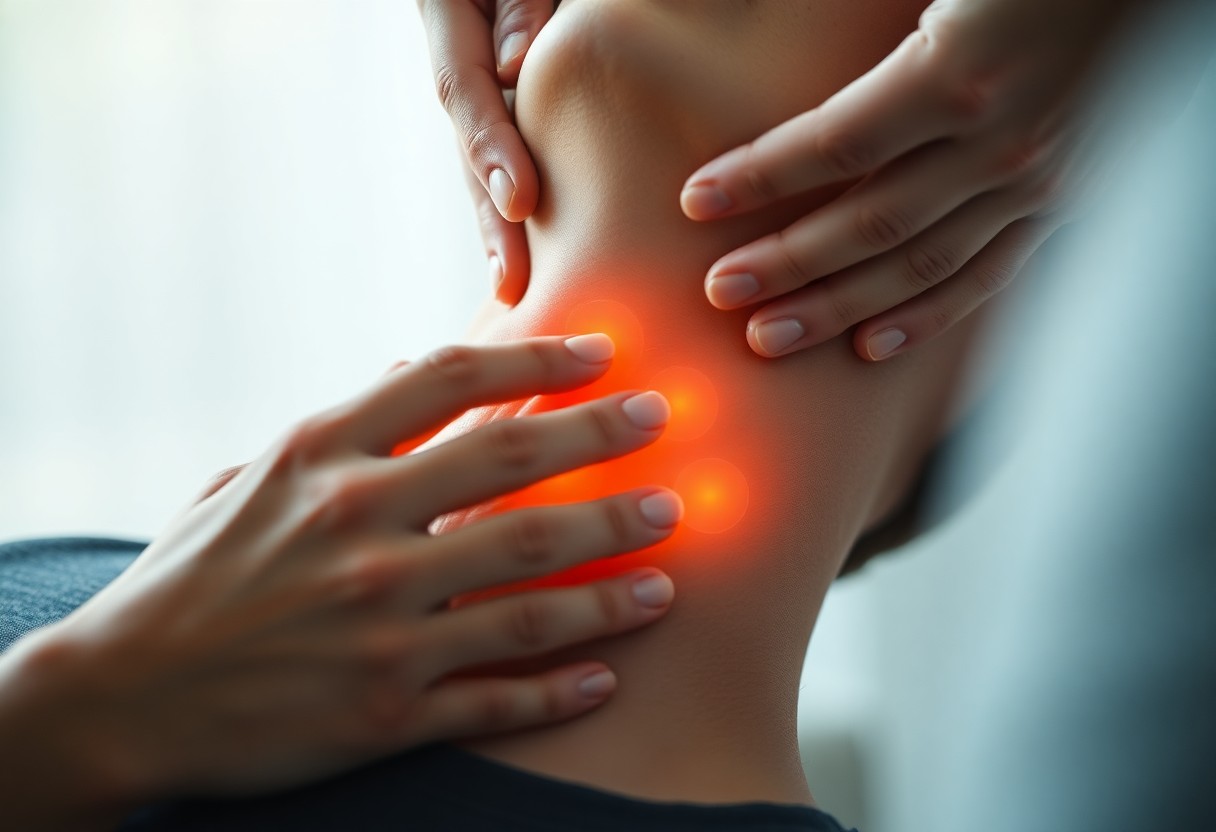
Massage for Specific Ailments

How Massage Supports Muscle Growth and Recovery

Many athletes and fitness enthusiasts often overlook the importance of massage in their training regimen. This powerful practice not only alleviates tension and promotes relaxation but also plays a significant role in enhancing muscle growth and speeding up recovery. By incorporating regular massage sessions into your routine, you can improve circulation, reduce soreness, and increase flexibility, all of which contribute to better performance and faster recovery times. Understanding these benefits can help you make informed decisions about optimizing your fitness journey.

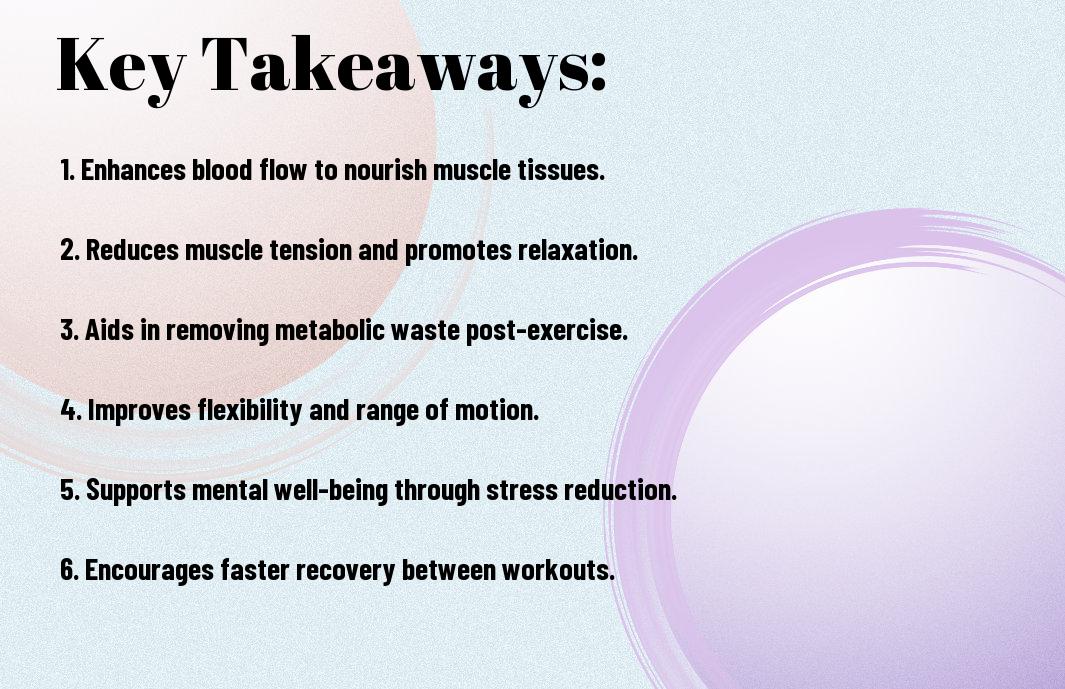
Key Takeaways:

  • Enhanced Blood Flow: Massage increases circulation, delivering more oxygen and nutrients to muscles, which aids in growth and recovery.
  • Reduced Muscle Tension: The technique helps relax tight muscles, alleviating soreness and preventing injury during workouts.
  • Improved Flexibility: Regular massage can increase the range of motion, promoting better performance and reducing the risk of strains.
  • Decreased Recovery Time: Massage therapy accelerates the removal of metabolic waste products, leading to quicker recovery between workouts.
  • Mental Relaxation: Beyond physical benefits, massage can reduce stress and improve mental focus, which is beneficial for overall training progress.

The Science of Muscle Growth

To understand how massage supports muscle growth, you must first explore the underlying science behind muscle development. Muscle growth, or hypertrophy, is a process that occurs when you subject your muscles to stress, prompting them to rebuild stronger and larger as a response. This intricate physiological process is influenced by factors such as nutrition, exercise intensity, and recovery methods, including massage therapy. By optimizing these elements, you can enhance your gains in muscle size and performance.

Muscle Hypertrophy

By engaging in resistance training, you initiate tiny tears in your muscle fibers. Your body then responds by repairing these tears, leading to an increase in muscle fiber size and strength, a phenomenon known as muscle hypertrophy. The type and intensity of stimuli you provide during workouts determine the extent of hypertrophy, making it crucial to tailor your training for maximum effectiveness.

Role of Recovery

Between your workouts, adequate recovery is vital for muscle growth and overall performance. During periods of rest, your body has the opportunity to repair muscle fibers, replenish energy stores, and synthesize new proteins crucial for muscle growth. This is where massage can play a supportive role, helping to alleviate soreness and improve circulation, enabling your muscles to recover more efficiently.

Muscle recovery is not merely a passive process; it requires active engagement through proper nutrition, hydration, and strategies like massage. Engaging in regular massage therapy can enhance your recovery by reducing muscle tension and improving blood flow to the targeted areas. This ensures that your muscles receive the crucial nutrients and oxygen they need to recover optimally, ultimately enhancing your muscle growth potential. By prioritizing your recovery, you set a solid foundation for maximizing your gains while minimizing the risk of injury.

Benefits of Massage Therapy

One of the key advantages of massage therapy is its ability to enhance muscle growth and recovery. Regular sessions can significantly improve overall athletic performance by reducing soreness, increasing flexibility, and promoting faster healing. By incorporating massage into your routine, you open the door to a variety of benefits that help you achieve your fitness goals more efficiently.

Increased Blood Flow

The enhanced circulation resulting from massage therapy plays a vital role in muscle recovery. Increased blood flow delivers fresh oxygen and vital nutrients to your muscles, which aids in repairing tissue and reducing soreness after intense workouts. This process not only promotes efficient recovery but also improves performance by enabling your body to recover faster for subsequent training sessions.

Muscle Relaxation and Flexibility

The relaxation of tense muscles through massage can greatly contribute to your flexibility and overall range of motion. When your muscles are relaxed, they can stretch more easily, which reduces the risk of injury and enhances your ability to perform various exercises. Improved flexibility also supports better movement patterns during workouts, allowing you to engage in more effective training.

Massage therapy can be particularly effective in addressing tight muscle groups, alleviating discomfort, and improving overall muscle pliability. As your muscles become more relaxed, you’ll notice an increase in your flexibility, enabling you to perform exercises that require a greater range of motion. This heightened flexibility not only boosts your performance but also aids in preventing injuries, allowing you to consistently pursue your fitness journey with greater ease.

Types of Massage Techniques

Unlike traditional methods of relaxation, different massage techniques offer specific benefits that can enhance muscle growth and speed recovery. Here are some popular types of massage:

  • Swedish Massage
  • Deep Tissue Massage
  • Sport Massage
  • Trigger Point Therapy
  • Myofascial Release

This variety allows you to choose a technique that best supports your individual needs and recovery goals.

Massage Technique Description
Swedish Massage A gentle form of massage to relax the entire body.
Deep Tissue Massage A focused technique that targets deeper layers of muscle.
Sport Massage Specifically designed for athletes to enhance performance.
Trigger Point Therapy Targets knots in muscles causing pain.
Myofascial Release Relieves tension in the fascia surrounding muscles.

Swedish Massage

Techniques used in Swedish massage, such as long, sweeping strokes, kneading, and rhythmic tapping, promote relaxation and improve circulation. This type of massage is excellent for reducing overall tension, allowing your muscles to recover and grow after physical exertion.

Deep Tissue Massage

After physical activity, deep tissue massage plays a significant role in muscle recovery. It targets deeper muscle layers and connective tissues, helping to alleviate pain from tension and stress accumulated during workouts.

Even if you have chronic pain or experience muscle tightness, deep tissue massage can provide profound relief. By applying sustained pressure, it allows you to break up muscle adhesions and promotes better blood flow, which is vital for muscle growth and recovery. Integrating this technique into your routine can significantly enhance your overall performance and wellbeing.

How Massage Enhances Recovery

Your recovery process can be significantly improved with massage therapy, which aids in reducing muscle tension and promoting relaxation. This not only helps you feel better post-workout but also enhances blood flow to your muscles, speeding up healing. For deeper insights into how massage can alleviate muscle soreness, check out Diving Into The Benefits Of Deep Tissue Massage ….

Reducing Delayed Onset Muscle Soreness (DOMS)

At times, you might experience delayed onset muscle soreness after an intense workout. Massage can be effective in lowering the intensity of this soreness, helping you feel more comfortable and ready for your next session.

Accelerating Lactic Acid Removal

DOMS often stems from the accumulation of lactic acid in your muscles during exercise. Massage aids in the efficient removal of this lactic acid from your system, allowing you to recover faster and return to your workouts with less discomfort.

In fact, by increasing circulation, massage helps flush out metabolic waste products, including lactic acid, which is known to cause muscle fatigue and discomfort. This process accelerates your recovery, enabling you to train more effectively and consistently, without the prolonged discomfort that can slow down your progress.

Incorporating Massage into Training Regimens

Once again, integrating massage into your training routine can significantly enhance your performance and recovery. By scheduling regular massage sessions alongside your workouts, you can optimize muscle growth, increase flexibility, and alleviate soreness. Whether you choose professional massage therapy or self-massage techniques, adjusting your regimen to include massage will support your overall fitness goals and potentially prevent injury.

Frequency and Timing

Training smarter involves understanding how often to incorporate massage. Ideally, you should schedule massages after intense workout sessions to promote recovery. You can also benefit from lighter massage sessions during your active recovery days, helping to stimulate blood flow to the muscles without overexertion. Experiment with frequency to find what aligns best with your training cycle and recovery needs.

Professional vs. Self-Massage

Before deciding on your massage approach, consider the benefits of professional versus self-massage techniques. Professional massage therapists are trained to target specific muscle groups and can provide deeper tissue work that may be difficult to achieve on your own. However, self-massage using foam rollers or massage balls can offer convenience and help you maintain consistent care throughout your training journey.

Considering your individual needs and circumstances, combining both professional and self-massage can provide a well-rounded approach. Professional therapists can help address specific issues or injuries, while self-massage allows flexibility and accessibility on a day-to-day basis. By utilizing both methods, you can create a personalized massage routine that enhances your recovery while also fitting seamlessly into your training schedule.

Case Studies and Research Findings

All available studies indicate that massage therapy positively influences muscle growth and recovery. Here’s a detailed list of recent findings:

  • Study 1: Athletes receiving massage reported a 30% reduction in muscle soreness compared to those who did not.
  • Study 2: 80% of participants in a massage program showed increased flexibility after just four sessions.
  • Study 3: Muscle repair rates were 25% faster in subjects treated with massage post-exercise.
  • Study 4: A reduction of up to 50% in cortisol levels was observed in individuals after a 30-minute massage.
  • Study 5: Test subjects demonstrated a 15% improvement in performance metrics following regular massage sessions over three months.

Evidence-Based Results

About the evidence gathered, numerous peer-reviewed studies substantiate the benefits of massage on muscle growth and recovery. These findings link massage with enhanced blood flow, decreased inflammation, and improved tissue elasticity, collectively fostering a more conducive environment for muscle adaptation and development.

Testimonials from Athletes

After countless sessions of massage therapy, athletes have expressed significant improvements in their performance and recovery times. Many highlight the reduction in muscle tightness and overall discomfort, crediting massage for helping them stay at the peak of their physical capabilities.

The feedback from these athletes reflects a common experience: consistent massage therapy alleviates muscle fatigue and enhances recovery, enabling you to push your physical limits. Athletes have noted feeling more energized and capable during training sessions, emphasizing how massage has transformed their approach to recovery and overall athletic performance.
Final Words

On the whole, integrating massage into your fitness routine can significantly enhance your muscle growth and recovery process. By improving blood circulation and reducing muscle tension, massage helps you achieve better performance and faster healing. Furthermore, you can benefit from an enriched mind-body connection, allowing you to tune into your physical needs more effectively. Prioritizing massage therapy not only supports your body in the short term but also encourages long-term health and fitness success.

Q: How does massage therapy enhance muscle growth?

A: Massage therapy promotes muscle growth by increasing blood circulation to the muscles. This enhanced circulation helps deliver vital nutrients and oxygen while facilitating the removal of metabolic waste products. By ensuring that the muscles are well-nourished and free of toxins, massage can create an optimal environment for muscle repair and growth. Additionally, massage can help to minimize muscle stiffness and tension, allowing for better range of motion during workouts, which can lead to more effective training sessions and, subsequently, increased muscle mass over time.

Q: What role does massage play in muscle recovery after intense workouts?

A: After intense workouts, muscle fibers experience tiny tears, which require time to heal. Massage aids in the recovery process by alleviating soreness and discomfort commonly associated with delayed onset muscle soreness (DOMS). The manipulation of soft tissue during a massage helps to reduce inflammation and enhance lymphatic drainage. This makes it easier for the body to clear out waste products and promote healing. Moreover, massage can help to relax tight muscles, thus reducing the risk of injury and enabling athletes to get back to training more quickly.

Q: Can all types of massage contribute to muscle growth and recovery?

A: Yes, various types of massage can support muscle growth and recovery, although their effects may vary. For example, deep tissue massage focuses on realigning deeper layers of muscles and connective tissue, which can help in relieving chronic pain and tension. Sports massage specifically addresses the needs of athletes, focusing on areas of the body that are overused and stressed from repetitive motion. On the other hand, Swedish massage promotes relaxation and improves overall well-being, which can indirectly benefit recovery by reducing stress levels. Ultimately, choosing the right type of massage based on individual needs and preferences can enhance both muscle recovery and growth.
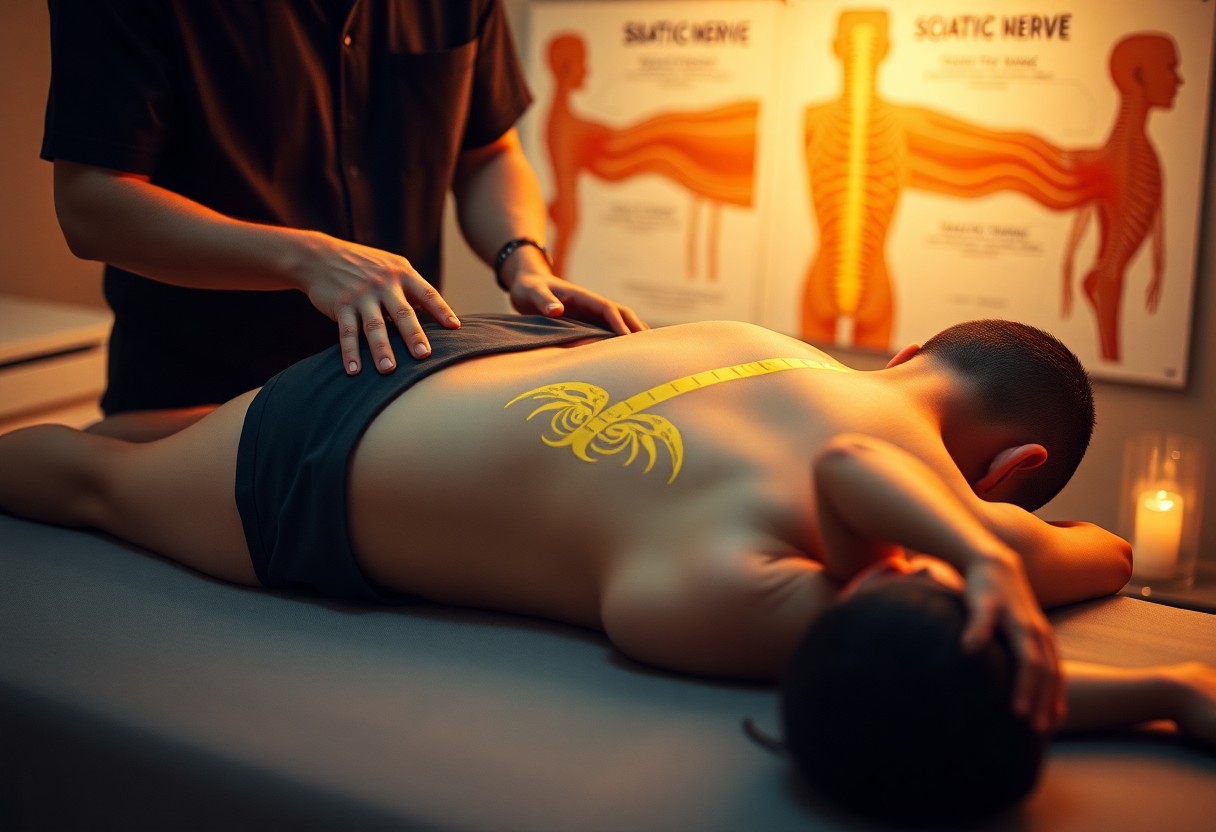
How Massage Helps Ease Sciatica Pain

Sciatica can be a debilitating condition, causing sharp pain that radiates from your lower back down your legs. If you’re seeking relief, massage therapy may be a beneficial option to consider. By manipulating the muscles and tissues surrounding the sciatic nerve, massage can alleviate tension, improve circulation, and promote relaxation. In this post, you’ll discover how different massage techniques can specifically target sciatica pain and enhance your overall well-being.

Key Takeaways:

  • Relaxation: Massage therapy promotes muscle relaxation, reducing tension around the sciatic nerve, which alleviates pain.
  • Increased Circulation: Improved blood flow through massage helps deliver nutrients and oxygen to affected areas, aiding recovery.
  • Joint Mobility: Regular massage can enhance joint mobility and flexibility, easing sciatic discomfort caused by stiff muscles.
  • Stress Reduction: Massage lowers stress levels, which can contribute to overall pain levels and discomfort in the body.
  • Holistic Approach: Incorporating massage as part of a comprehensive treatment plan can provide a more effective way to manage sciatica pain.

Understanding Sciatica

A common yet often misunderstood condition, sciatica refers to pain that radiates along the sciatic nerve, which runs from your lower back down to your legs. This discomfort may stem from nerve irritation or compression, causing anything from mild discomfort to severe pain that disrupts your daily activities. Understanding this condition is important in finding effective treatment options that can help alleviate your symptoms.

What is Sciatica?

After experiencing discomfort in your lower back or legs, you might be wondering if sciatica is the cause. It is characterized by pain that follows the path of the sciatic nerve, often triggered by various underlying conditions affecting this critical nerve pathway.

Common Causes of Sciatica

Sciatica can result from a variety of factors, including herniated discs, spinal stenosis, or muscle spasms. Your risk increases with age, obesity, and certain lifestyle choices. Understanding these causes can help you avoid triggers and manage your symptoms more effectively.

Understanding the common causes of sciatica enables you to take proactive steps in addressing the pain. Herniated discs can push against nerve roots, while spinal stenosis narrows the spinal canal, causing nerve compression. Additionally, muscle spasms or tightness in your lower back and legs can lead to sciatic nerve irritation. Identifying these factors allows you to seek appropriate treatment and tailor preventative measures to your lifestyle, promoting better spinal health.

Symptoms of Sciatica

The symptoms of sciatica primarily originate from the irritation or compression of the sciatic nerve. You may experience pain that radiates from your lower back through the buttock and down one leg. This discomfort can vary in intensity, often exacerbating during specific movements or prolonged sitting. Numbness, tingling, or weakness in the leg may feel like additional burdens you face with sciatica. Recognizing these symptoms early can greatly aid in managing your condition effectively.

Pain Characteristics

To understand the pain characteristics associated with sciatica, you may find that the discomfort often starts in your lower back or buttocks and travels down the affected leg. The intensity of the pain can range from a mild ache to sharp, shooting sensations that can be debilitating. This pain is frequently worsened by actions such as coughing, sneezing, or prolonged sitting, creating challenges in your daily activities.

Other Associated Symptoms

Along with the primary pain, you may also encounter symptoms like numbness or tingling in your leg or foot. This discomfort can disrupt your daily activities and lead to muscle weakness, impacting your ability to walk or move comfortably. In some cases, you might notice a decrease in reflexes in your affected leg as well, creating further issues in your mobility.

A deeper understanding of other associated symptoms can help you identify how sciatica affects your overall well-being. You might notice difficulties in standing or walking for extended periods due to weakness in your leg muscles. Additionally, the sensation of numbness or tingling can interfere with your ability to perform routine tasks, further complicating your situation. Addressing these symptoms promptly is important for managing sciatica effectively and improving your quality of life.

Massage Therapy and Its Benefits

All forms of massage therapy can provide significant relief for various muscular and skeletal issues. By applying pressure to specific points on your body, massage therapy helps to relax muscles, improve circulation, and promote overall well-being. You can experience a sense of relaxation that not only alleviates physical discomfort but also enhances mental clarity, making it an excellent complementary treatment for conditions such as sciatica pain.

Overview of Massage Therapy

Across cultures and throughout history, massage therapy has been utilized as a healing modality. This practice involves the manipulation of soft tissues to alleviate tension and pain, improve flexibility, and promote relaxation. Whether you choose Swedish, deep tissue, or trigger point massage, the evidence supporting its efficacy for pain relief continues to grow.

Benefits Specific to Sciatica Pain

Massage can be particularly effective in relieving sciatica pain by targeting the muscles surrounding the sciatic nerve. This targeted approach helps to reduce muscle tightness, improve blood flow, and alleviate inflammation. Many individuals find that regular massage sessions can significantly improve their mobility and decrease the frequency of sciatica flare-ups.

And when you incorporate massage therapy into your routine, you’re not just addressing the pain but also promoting healing in the affected areas. By focusing on the lower back, hips, and leg muscles, massage helps release muscle knots and tension that may be contributing to your discomfort. Furthermore, the reduction in stress and the promotion of relaxation can enhance your overall quality of life, allowing you to engage in daily activities with ease. This holistic approach can empower you in your journey to alleviate sciatica pain and support your physical well-being.

Types of Massage Techniques for Sciatica

Keep in mind that various massage techniques can effectively relieve sciatica discomfort. Here are some popular methods:

  • Swedish Massage
  • Deep Tissue Massage
  • Myofascial Release
  • Trigger Point Therapy
  • Hot Stone Massage

This variety of options allows you to find the best approach for your unique needs.

Massage Technique Benefits
Swedish Massage Promotes relaxation and improves circulation.
Deep Tissue Massage Alleviates tension in deeper muscle layers.
Myofascial Release Releases tension in fascia surrounding muscles.
Trigger Point Therapy Targets and relieves specific pain points.
Hot Stone Massage Provides therapeutic heat for muscle relaxation.

Swedish Massage

One of the most popular forms of massage is the Swedish technique, which uses long, flowing strokes to promote relaxation and improve blood circulation. This gentle approach helps alleviate superficial tension, making it an excellent option for those with sciatica pain.

Deep Tissue Massage

Techniques used in deep tissue massage focus on realigning deeper layers of muscles and connective tissue. This method is especially beneficial when you experience chronic pain or tension, targeting areas of discomfort to relieve deeper-seated pain associated with sciatica.

Consequently, deep tissue massage employs slow strokes and deep pressure to help reduce muscle tightness and alleviate pain. This technique not only addresses the muscles but also aims to break down scar tissue and adhesions, allowing for more mobility and reducing pain related to sciatica.

Myofascial Release

Among the various massage therapies, myofascial release is notable for its focus on releasing tension in the fascia—the connective tissue that surrounds your muscles. By applying gentle sustained pressure, this technique aims to restore movement and alleviate pain in the affected areas.

Release of the fascia can lead to improved range of motion and reduced discomfort in your body. This method is particularly effective for sciatica sufferers, as it targets the areas where fascia may pull against your sciatic nerve, helping promote a more balanced and pain-free experience.

Incorporating Massage into Treatment Plans

Your journey toward alleviating sciatica pain can greatly benefit from including massage therapy in your overall treatment plan. By consulting with your healthcare provider, you can ensure that therapeutic massage complements any medical interventions you might be undergoing. This holistic approach not only targets the pain but also addresses underlying issues such as muscle tension and stress, leading to a more comprehensive path to relief.

Frequency and Duration

On average, a weekly massage session can be highly beneficial for managing sciatica pain. Depending on the severity of your symptoms, more frequent sessions may be required initially, with treatments gradually reducing in frequency as your condition improves. Each session should ideally last between 60 to 90 minutes to maximize its therapeutic effects.

Complementary Therapies

Plans involving complementary therapies alongside massage can enhance your overall healing process. Techniques such as acupuncture, physical therapy, and yoga can provide synergistic benefits, helping to improve flexibility, reduce inflammation, and promote relaxation. When combined with massage, these therapies can lead to more significant pain relief and improved mobility.

Plus, integrating complementary therapies can also give you more options for managing your sciatica. For instance, acupuncture may target specific pressure points to alleviate pain, while physical therapy focuses on strengthening the muscles surrounding your spine. Yoga can offer gentle stretches to improve mobility and decrease muscle tension. Each of these therapies complements massage, encouraging a well-rounded approach to your treatment plan and enhancing your overall quality of life.

Precautions and Considerations

Once again, it is crucial to take certain precautions when seeking massage therapy for sciatica pain. You should inform your massage therapist of your specific symptoms and any underlying health conditions. Communicating openly will help ensure that the techniques used are safe and beneficial for your situation. It’s also important to listen to your body during the session; if you feel any discomfort, let the therapist know immediately. Always prioritize your health and well-being when considering any new treatment option.

When to Avoid Massage

Below are specific instances in which you should avoid massage therapy. If you are experiencing severe sciatica pain, have an injury that has not been diagnosed, or are dealing with inflammation or swelling in the affected area, it’s better to postpone your massage until these issues are resolved. Additionally, if you have certain medical conditions, such as blood clots or skin infections, massage therapy could aggravate your condition and should be approached with caution.

Consulting with a Healthcare Provider

Below, engaging a healthcare provider before starting massage therapy is important for proper guidance. They can evaluate your condition and help you determine whether massage is an appropriate treatment option for your sciatica pain. Your healthcare provider may offer recommendations on specific types of massage, frequency, and what other treatments may complement your therapy to maximize relief.

Considerations for consulting with a healthcare provider should include a thorough discussion of your medical history and any current medications you’re taking. They may also conduct a physical examination to assess your situation more accurately and identify any underlying issues. By obtaining professional advice, you can design a comprehensive treatment plan that addresses your sciatica pain safely and effectively.

Summing Up

To wrap up, massage therapy can significantly alleviate your sciatica pain by reducing muscle tension, improving circulation, and enhancing flexibility. By incorporating targeted massage techniques, you can experience relief from discomfort and support your overall recovery. For more insights on effective methods, explore Four Ways Massage Therapy Can Stop Sciatica Pain. Prioritizing your health through massage can lead to lasting improvements in your well-being.

FAQ

Q: How does massage therapy alleviate sciatica pain?

A: Massage therapy can significantly help ease sciatica pain by targeting the muscles surrounding the sciatic nerve. By applying pressure to the affected areas, massage promotes blood circulation, which can reduce inflammation and muscle tension. It can also help release tightness in the lower back and hips, providing relief from discomfort caused by nerve compression. Additionally, massage encourages relaxation and reduces stress, which can further alleviate pain levels.

Q: What types of massage techniques are most effective for sciatica?

A: Various massage techniques can be beneficial for sciatica. Deep tissue massage is often recommended as it penetrates deeper muscle layers, relieving chronic tension and pain. Trigger point therapy focuses on specific tight areas that may refer pain along the sciatic nerve. Myofascial release is another effective technique that helps release fascial restrictions surrounding the muscles. Consulting a licensed massage therapist experienced in treating sciatica can help determine the best approach for your specific condition.

Q: How often should I receive massage therapy for sciatica pain relief?

A: The frequency of massage therapy for sciatica pain relief can vary based on individual circumstances, such as the severity of the pain and overall health. Generally, it is recommended to start with weekly sessions to address acute pain and then gradually decrease the frequency as symptoms improve. Your therapist can provide guidance tailored to your condition and help you establish a suitable schedule to optimize benefits while avoiding over-treatment.

The Role of Massage in Treating Plantar Fasciitis

There’s a growing awareness of how massage therapy can effectively alleviate symptoms of plantar fasciitis, a condition that often leads to debilitating foot pain. As you explore treatment options, understanding how massage can target specific areas of tension can help improve your mobility and comfort. By addressing muscle tightness and enhancing circulation, massage not only provides immediate relief but also promotes long-term recovery. Discover how incorporating this therapeutic approach into your self-care routine can make a significant difference in managing your plantar fasciitis symptoms.

Key Takeaways:

  • Relief of Tension: Massage helps to alleviate tension in the calf muscles and foot, reducing strain on the plantar fascia.
  • Increased Blood Flow: Massage improves circulation to the affected area, promoting healing and recovery.
  • Reduction of Pain: Regular massage can decrease pain levels associated with plantar fasciitis, helping individuals regain mobility.
  • Improved Flexibility: Targeted massage therapy enhances flexibility in the foot and ankle, contributing to overall foot health.
  • Complementary Therapy: Massage is an effective addition to other treatments for plantar fasciitis, such as stretching and physical therapy.

Understanding Plantar Fasciitis

Your feet are vital for mobility, and when dealing with plantar fasciitis, you may experience considerable discomfort. This common condition occurs when the plantar fascia, a thick band of tissue that runs along the bottom of your foot, becomes inflamed. This inflammation can arise from various factors, including overuse and improper foot mechanics, leading to sharp heel pain, especially during morning activities or after long periods of rest.

Symptoms and Causes

Understanding the symptoms of plantar fasciitis is the first step toward effective treatment. The primary symptom is sharp pain in the heel, typically felt in the morning or after sitting for extended periods. Other symptoms may include tenderness, swelling, and stiffness in the foot, often worsening after activity. Common causes include excessive running or walking, improper footwear, and biomechanical issues within your foot structure.

Risk Factors

Factors that increase your likelihood of developing plantar fasciitis include:

  • Age: Common in individuals aged 40-60
  • Obesity: Excess weight adds more stress to the plantar fascia
  • Foot mechanics: Flat feet, high arches, or an abnormal walking pattern
  • Occupational hazards: Jobs that require prolonged standing or walking

Recognizing these risk factors can help you take preventive measures and seek timely treatment for plantar fasciitis.

Causes of plantar fasciitis often center on repetitive strain to the plantar fascia. Other contributors can include abrupt changes in physical activity, inadequate footwear, and even certain sports. You may find that engaging in activities without proper conditioning can lead to inflammation in this critical tissue, undermining your foot health. The following factors might further exacerbate your condition:

  • Intense athletic training or exercise
  • Footwear that fails to offer adequate support
  • Previous foot injuries, which may alter your walking pattern
  • Certain medical conditions like arthritis or diabetes

Recognizing these causes allows you to approach treatment with a clear understanding and the necessary steps to address your plantar fasciitis effectively.

The Benefits of Massage Therapy

While many treatments exist for plantar fasciitis, massage therapy is particularly effective in managing pain and promoting healing. This holistic approach not only addresses the discomfort associated with the condition but also focuses on the underlying muscle tensions and issues that contribute to your symptoms. By incorporating massage into your treatment plan, you can enhance your recovery journey and improve your overall foot health.

Pain Relief and Muscle Tension

Therapy targeting the muscles and soft tissues of your feet can significantly alleviate pain stemming from plantar fasciitis. Through deep tissue manipulation, massage helps release built-up tension, reducing discomfort and promoting relaxation. This targeted focus allows you to regain mobility and enjoy activities without the persistent ache that often accompanies this condition.

Enhanced Blood Circulation

Around your feet and legs, improved blood flow plays a vital role in healing and recovery. Massage therapy stimulates circulation, ensuring that important nutrients and oxygen reach the affected areas. This enhanced blood circulation not only aids in healing damaged tissues but also helps reduce inflammation, allowing you to experience greater comfort as you work through your plantar fasciitis symptoms.

Understanding the importance of blood circulation in your healing process can greatly impact your recovery from plantar fasciitis. Improved circulation delivers needed nutrients while aiding in the removal of metabolic waste, which can accumulate in the tissues and exacerbate pain. By choosing massage therapy, you are actively encouraging your body to optimize its healing potential, reducing recovery time and enhancing your overall well-being.

Types of Massage Techniques for Plantar Fasciitis

Keep in mind that various massage techniques can help alleviate the discomfort associated with plantar fasciitis. Here’s a breakdown of some effective methods:

Technique Description
Deep Tissue Massage Focuses on the deeper layers of muscles and fascia.
Trigger Point Therapy Targets specific muscle knots causing referred pain.
Myofascial Release Aims to release tension in the fascia surrounding muscles.
Swedish Massage Uses long, flowing strokes for relaxation and circulation.
Sports Massage Tailored techniques for athletes to improve performance and recovery.

Assume that integrating these techniques into your treatment plan can lead to significant improvements in managing plantar fasciitis symptoms.

Deep Tissue Massage

Plantar fasciitis can benefit from deep tissue massage, which employs firm pressure and slow strokes to reach deeper layers of muscle and connective tissue. This technique targets the plantar fascia and surrounding muscles, helping to release tension and reduce inflammation effectively.

Trigger Point Therapy

Above all, trigger point therapy can be highly effective for relieving your plantar fasciitis pain. By focusing on specific pressure points within tight bands of muscle, this technique can alleviate referred pain and soothe soreness in areas affected by overuse.

At its core, trigger point therapy works by applying pressure to identified knots, thereby promoting blood flow and relaxation in your muscles. By addressing these localized areas of tension, you can experience a reduction in pain as well as an overall improvement in mobility. Consider incorporating this therapy into your routine to complement other treatment methods for plantar fasciitis.

Self-Massage Techniques

Despite the discomfort that plantar fasciitis can cause, self-massage techniques can greatly alleviate your symptoms. Engaging in regular self-massage can help release tension in your foot muscles, improve circulation, and promote healing. This simple practice requires minimal time and can fit easily into your daily routine, allowing you to manage your pain effectively.

Tools and Equipment

Among the various tools and equipment you can use for self-massage, items like tennis balls, massage balls, and foam rollers are particularly effective. These tools can target specific areas of tension, helping you access those hard-to-reach spots in your foot. Additionally, consider using a foot roller or even your hands to apply direct pressure to the affected areas.

Step-by-Step Guide

The following steps outline a practical guide to performing self-massage for plantar fasciitis:

Self-Massage Steps

1. Find a comfortable seated position. 2. Hold the massage tool of your choice.
3. Roll the tool under your foot, focusing on the arch. 4. Apply pressure to any tight spots for 10-15 seconds.
5. Repeat this process for each foot. 6. Incorporate gentle stretching after massage.

For instance, when you start rolling the massage ball or your foot roller under your arch, you should focus on the areas that feel the most tense. Pay attention to your body’s signals—if you experience pain, adjust the pressure accordingly. Moreover, consider incorporating additional techniques, like using your thumbs to apply circular motions on your heel, to enhance the overall effectiveness of your self-massage routine.

Advanced Self-Massage Techniques

1. Use your thumbs to massage the heel area. 2. Incorporate stretches for any tight calf muscles.
3. Combine rolling with ankle flexion and extension. 4. Practice consistency for the best results.

Integrating Massage with Other Treatments

Once again, incorporating massage therapy into your treatment plan for plantar fasciitis can enhance overall effectiveness. By combining massages with other therapies, you create a comprehensive approach that addresses both symptoms and underlying issues. This integration can lead to faster recovery and improved mobility. Consult with your healthcare provider to customize your treatment regimen to best fit your needs.

Physical Therapy

Treatments involving physical therapy can complement massage in managing plantar fasciitis. Physical therapists can educate you on proper foot mechanics while developing a personalized plan that includes exercises to improve strength and flexibility. This tailored approach can help you achieve optimal recovery and prevent future flare-ups.

Stretching and Strengthening Exercises

Other forms of treatment include targeted stretching and strengthening exercises that emphasize the muscles supporting your feet. Implementing these exercises into your routine can reinforce the effects of massage therapy and provide lasting benefits.

At the start, you should focus on stretches that target the calf muscles and the plantar fascia itself. Strengthening exercises for the foot muscles can also help alleviate stress on the plantar fascia. As you progress, your physical therapist can guide you in adjusting these exercises to ensure they promote optimal flexibility and strength, aiding in your recovery from plantar fasciitis.

Finding a Qualified Massage Therapist

Now that you understand the benefits of massage therapy for plantar fasciitis, finding a qualified massage therapist is necessary. Look for professionals who specialize in treating foot and lower leg conditions. Check local listings and read reviews to identify therapists who have experience in working with patients suffering from plantar fasciitis. Making the right choice can significantly impact your recovery process.

Credentials and Specializations

Specializations among massage therapists can vary greatly, affecting treatment outcomes. Seek therapists with specific training in sports massage, deep tissue techniques, or myofascial release, as these areas align well with the needs of plantar fasciitis. Verify their certifications and inquire about their experience with similar conditions, ensuring you receive the optimal care tailored to your situation.

Questions to Ask

By asking the right questions, you can assess whether a therapist is suitable for your needs. Inquire about their experience with plantar fasciitis, the techniques they utilize, and their approach to treatment. Additionally, ask how they personalize their sessions to address your unique symptoms. A well-informed conversation will help you feel more confident in your choice.

But don’t stop at just a few questions; investigate deeper to understand their methodology. Ask about the therapist’s background in handling chronic pain and how they monitor progress over time. A competent therapist should be open to discussing your concerns and adapting their approach based on your feedback, ensuring that your treatment aligns with your healing journey.

FAQ

Q: How can massage therapy help alleviate symptoms of plantar fasciitis?

A: Massage therapy can significantly reduce the discomfort associated with plantar fasciitis by targeting the muscles and fascia in the foot and lower leg. Techniques such as deep tissue massage, trigger point therapy, and myofascial release can help relieve tension, improve blood circulation, and promote relaxation. This can lead to decreased pain and increased mobility in individuals suffering from this condition.

Q: What types of massage techniques are most effective for treating plantar fasciitis?

A: Various massage techniques can be beneficial for treating plantar fasciitis. Techniques such as deep tissue massage focus on the deeper layers of muscle and connective tissue, helping to release chronic tension. Additionally, plantar reflexology targets specific pressure points on the feet, promoting overall relaxation and pain relief. Stretching and kneading the calf muscles may also help since tight calves can contribute to the strain on the plantar fascia.

Q: How often should one receive massage therapy for optimal results in managing plantar fasciitis?

A: The frequency of massage therapy sessions can vary depending on the severity of the symptoms and individual circumstances. Generally, it is recommended to have massage therapy once or twice a week during the initial treatment phase to address pain and stiffness. As symptoms improve, sessions can be spaced out to every two to three weeks for maintenance. It’s important to consult with a qualified therapist to create a personalized treatment plan.

Massage Techniques for TMJ Relief

With an understanding of how tension in your jaw can lead to discomfort and pain, exploring effective massage techniques for TMJ relief can greatly enhance your overall well-being. You will discover various methods that target the muscles surrounding your temporomandibular joint, alleviating stress and promoting relaxation. Incorporating these techniques into your routine can help improve mobility, reduce pain, and enhance your quality of life, allowing you to enjoy everyday activities without restrictions.

Key Takeaways:

  • Understand TMJ Disorder: Familiarize yourself with the symptoms of TMJ disorder, including jaw pain, headaches, and clicking sounds.
  • Target Muscle Groups: Focus on the muscles involved, such as the masseter and temporalis, to alleviate tension and discomfort.
  • Incorporate Stretching: Combine massage techniques with gentle stretching exercises to enhance mobility and reduce stiffness in the jaw area.
  • Use Heat Therapy: Applying heat prior to massage can relax muscles and increase blood flow, making the massage more effective.
  • Seek Professional Guidance: Consulting a physical therapist or a massage therapist experienced in TMJ disorders can provide tailored techniques and advice.

Understanding TMJ Disorders

The temporomandibular joint (TMJ) connects your jawbone to your skull, enabling vital functions like speaking and eating. TMJ disorders can lead to pain and dysfunction in this joint, often causing discomfort and limiting your mobility. Various factors contribute to these disorders, making it vital to understand the underlying issues to manage and treat the symptoms effectively.

Causes of TMJ Pain

At times, TMJ pain can arise from an array of issues, including stress, jaw injuries, arthritis, or teeth grinding (bruxism). You may experience increased tension in the jaw muscles due to stress, leading to inflammation and stiffness. Identifying these causes is key to alleviating discomfort and restoring function.

Symptoms and Diagnosis

About TMJ disorders, the symptoms can include jaw pain, headaches, earaches, and difficulty chewing or opening your mouth. To diagnose TMJ disorders, a healthcare professional will assess your medical history, physical Exam, and may use imaging tests like X-rays or MRIs. Understanding these symptoms helps you seek appropriate treatment.

In addition, diagnosing TMJ disorders involves evaluating how your jaw moves and whether you experience any clicking or popping sounds during movement. You might also notice changes in the alignment of your teeth. Gathering this information allows healthcare providers to better tailor treatment plans specifically for your needs, improving your quality of life.

Benefits of Massage for TMJ Relief

Some of the key advantages of incorporating massage into your TMJ relief routine include reduced muscle tension, improved jaw mobility, and enhanced overall comfort. Regular massage can help alleviate pain and discomfort associated with TMJ disorders, allowing you to enjoy a better quality of life. By targeting the muscles around your jaw and neck, massage offers a holistic approach to managing your symptoms effectively.

Reducing Muscle Tension

One of the primary benefits of massage is its ability to reduce muscle tension in the jaw and surrounding areas. When you experience TMJ pain, your muscles often become tight and tense, contributing to your discomfort. By using various massage techniques, you can effectively release this tension, promoting relaxation and relief.

Improving Jaw Mobility

To enhance your jaw’s mobility, massage can be an effective tool in your TMJ relief arsenal. Regular manipulation of the muscles and tissues surrounding the jaw can lead to increased flexibility and a broader range of motion. This improved mobility not only helps in reducing discomfort but also allows you to perform daily activities like eating and speaking without restrictions.

In fact, incorporating massage into your routine can significantly facilitate jaw mobility. By addressing the tightness in your muscles and breaking down any adhesions, massage can help restore movement and alleviate any stiffness you might be experiencing. Improved jaw mobility will not only make daily tasks more comfortable but can also minimize the risk of further TMJ-related issues in the future.

Types of Massage Techniques

After exploring the different massage options available for TMJ relief, you can choose from a range of techniques tailored to your specific needs. Each massage style provides unique benefits that target the muscles surrounding the jaw. Consider the following:

Technique Benefits
Myofascial Release Reduces tension and improves circulation.
Trigger Point Therapy Releases tight knots in the muscles.
Guasha Technique Stimulates healing through scraping motions.
Swedish Massage Promotes relaxation and stress relief.
Deep Tissue Massage Treats chronic muscle tension and pain.

Knowing the various options available allows you to make an informed decision about which techniques might be most effective for your TMJ discomfort. For more information, check out A Guide for TMJ Massages and Exercises.

Myofascial Release

Among the effective methods for TMJ relief, myofascial release focuses on relieving tension in the fascia, which is the connective tissue surrounding the muscles. This technique targets restricted areas in your jaw and neck, improving blood flow and promoting relaxation. Through gentle stretching and pressure, it helps release tightness and improve mobility, making it a valuable tool for alleviating TMJ discomfort.

Trigger Point Therapy

Between the various treatment options, trigger point therapy stands out due to its specific focus on tight muscle knots, or trigger points, that can contribute to TMJ pain. By applying pressure to these points, you can effectively diminish localized pain and discomfort in your jaw. This technique not only provides immediate relief but also helps address underlying muscle tension that may aggravate your TMJ symptoms.

Myofascial techniques can significantly enhance the effectiveness of trigger point therapy. By releasing the connections found between various muscle groups, your jaw will experience a reduction in tension and improved function. This holistic approach can lead to long-lasting relief from TMJ pain, allowing you to enjoy daily activities without discomfort.

Guasha Technique

The guasha technique is a traditional method that employs a smooth-edged tool to scrape the skin along the jawline and neck. This technique enhances blood circulation and revitalizes the area, promoting healing for overworked muscles. Using guasha can help warm up tight muscle tissue, encouraging relaxation and easing TMJ discomfort effectively.

Another benefit of the guasha technique is its ability to release toxins, improving lymphatic drainage and overall muscle health. This natural approach not only targets TMJ symptoms but also contributes to your overall well-being. Regular guasha practice can become an integral part of your self-care routine, ensuring that you maintain optimal jaw health.

Self-Massage Strategies

Keep your jaw tension at bay with effective self-massage techniques designed for TMJ relief. You can incorporate simple hand movements, pressure points, and mindful breathing into your routine. By dedicating just a few minutes each day to self-massage, you can promote relaxation in your jaw and neck muscles, making a noticeable difference in your overall comfort and well-being.

Techniques for Home Use

Strategies like using your fingers to apply gentle pressure on the muscles around your jaw can significantly relieve TMJ pain. Focus on areas near your temples, along your jawline, and beneath your chin. Moving in circular motions can help reduce tension, while steady pressure on specific points can enhance relaxation. Be attentive to how your body responds, adjusting your technique as needed for the best results.

Tools and Aids for Massage

With the right tools and aids, you can elevate your self-massage experience for better TMJ relief. Items such as tennis balls, foam rollers, or specialized jaw massage devices can complement your techniques. These tools allow you to apply targeted pressure with greater ease and can enhance the effectiveness of your home massage routines.

Plus, incorporating tools like a jaw joint massager or vibrating devices can be especially beneficial for reaching those hard-to-target areas. Look for options that are designed specifically for TMJ relief, as they can offer varying levels of pressure and vibration to best suit your comfort preferences. These aids can make your self-massage routine more efficient, helping you achieve relief from discomfort more effectively.

When to Seek Professional Help

Once again, if your TMJ symptoms persist despite self-care methods such as home massage and relaxation techniques, it may be time to seek professional help. A qualified therapist can provide targeted treatments tailored to your specific needs. You should also consider professional intervention if you experience severe pain, frequent headaches, or noticeable jaw misalignment, as these may indicate that more intensive care is necessary for a complete resolution.

Indicators for Professional Massage

Above all, certain indicators suggest that professional massage could greatly benefit you. If your TMJ-related discomfort is impacting your daily activities or causing significant stress, it’s advisable to consult a massage therapist who specializes in jaw disorders. Increased tension in surrounding muscles, persistent pain, or even clicking sounds in your jaw can highlight the need for expert intervention.

Selecting a Qualified Therapist

Selecting the right therapist is vital for effective TMJ relief. Look for individuals who have experience in treating temporomandibular disorders, as they will understand your specific needs. It’s also beneficial to read reviews and seek recommendations to ensure you are choosing a therapist who can provide personalized and effective care.

In fact, a qualified therapist will generally possess specialized training in techniques specifically designed to relieve TMJ symptoms. They may employ a combination of deep tissue massage, myofascial release, and other modalities to address the underlying issues. Always inquire about their experience with TMJ-related concerns to ensure that your therapy sessions are both safe and effective, ultimately leading you to a greater sense of relief and well-being.

Preventive Measures and Care

Your approach to preventive care is vital in reducing the frequency and severity of TMJ symptoms. Incorporating relaxation techniques and maintaining good posture can significantly alleviate stress on the jaw. Additionally, managing your diet to avoid hard or chewy foods can prevent unnecessary strain on the jaw muscles. Regular visits to a healthcare professional can also provide valuable insights and adjustments as needed to support your TMJ health.

Lifestyle Changes

About making small lifestyle adjustments can greatly benefit your TMJ health. Prioritizing stress management through mindfulness or yoga can lower tension in your jaw. Moreover, maintaining a balanced diet rich in vitamins and minerals supports overall muscle function. Be mindful of your nighttime habits, such as avoiding teeth grinding, which can exacerbate TMJ issues.

Exercises for TMJ Health

An effective way to promote TMJ health is through targeted exercises. Simple jaw stretches can improve flexibility and reduce tension, while relaxation techniques help alleviate stress. Incorporating these exercises into your daily routine can strengthen the muscles around your temporomandibular joint and enhance its functionality over time.

Lifestyle changes focusing on regular exercises for TMJ health can lead to lasting relief. Gentle stretches like opening and closing the mouth slowly, side-to-side jaw movements, and pushing against the jaw can increase mobility and decrease discomfort. Maintaining consistency with these exercises is key to achieving the best results, ensuring that you keep your jaw strong and functionally efficient.

Final Words

Ultimately, integrating massage techniques into your routine can significantly alleviate TMJ symptoms and promote relaxation. By targeting the jaw muscles, neck, and associated areas, you can reduce tension and improve your overall comfort. Listening to your body and using methods that resonate with you will enhance your experience. Whether you choose self-massage or professional treatment, maintaining consistency will yield the best results for your TMJ relief journey.

FAQ

Q: What is TMJ, and how can massage techniques help relieve its symptoms?

A: TMJ stands for temporomandibular joint, which connects the jawbone to the skull. Issues with this joint can lead to pain, discomfort, and difficulty with movement. Massage techniques can alleviate symptoms by relaxing the surrounding muscles, improving blood circulation, and reducing tension around the jaw. By focusing on areas that are tight or sore, such as the neck, shoulders, and jaw muscles, relief can be achieved through improved function and decreased discomfort.

Q: What specific massage techniques are effective for relieving TMJ pain?

A: Several techniques can be beneficial for TMJ relief, including soothing manual therapy, trigger point therapy, and intraoral massage. Soothing manual therapy involves gentle kneading and pressure around the jaw and neck to promote relaxation. Trigger point therapy targets specific knots in muscles that may be leading to pain; applying pressure to these points can help release tension. Intraoral massage is performed inside the mouth by a trained therapist and focuses on the muscles that control jaw movement, providing direct relief to the inner jaw area.

Q: How often should massage be performed for those suffering from TMJ issues?

A: The frequency of massages for TMJ relief varies depending on the severity of the symptoms and individual preferences. For optimal results, many individuals find it helpful to engage in massage sessions 1-2 times a week. Consistency is key, as regular massages can develop lasting benefits by continually alleviating tension and discomfort in the affected areas. Additionally, incorporating self-massage techniques at home can be effective in between professional sessions to maintain relief.

How to Handle Post-Massage Soreness

Massage therapy can leave you feeling relaxed and rejuvenated, but it’s not uncommon to experience some soreness afterward. Understanding how to effectively manage this discomfort is key to maximizing the benefits of your massage. You may feel muscle tenderness or tightness, but with the right strategies, you can alleviate these sensations and ensure your body continues to feel great. This post will guide you through practical tips and techniques to help you handle post-massage soreness and enhance your overall recovery experience.

Key Takeaways:

  • Stay Hydrated: Drinking plenty of water helps flush out toxins released during the massage and aids in muscle recovery.
  • Gentle Movement: Engage in light stretching or walking to keep your muscles loose and reduce stiffness.
  • Heat Application: Using a warm compress or heating pad can alleviate soreness and promote blood circulation.
  • Rest: Allow your body time to recover by getting adequate sleep and taking breaks from strenuous activities.
  • Monitor Pain Levels: Pay attention to your body’s response; if soreness persists or worsens, consider consulting a healthcare professional.

Understanding Post-Massage Soreness

To fully appreciate the feelings you may experience after a massage, it’s necessary to understand post-massage soreness. This sensation is often a normal reaction to the therapeutic techniques used during your session, promoting muscle recovery and relaxation. While discomfort may be an expected reaction, recognizing the context behind it can help you better manage your body’s responses and enhance your overall wellness experience.

Causes of Soreness

Above all, the primary causes of post-massage soreness include increased blood circulation, muscle manipulation, and the release of built-up tension. During your massage, therapists target specific areas, sometimes leading to slight muscle micro-tears that may result in soreness. These effects are typically short-lived and indicate that your body is benefiting from the treatment.

Normal vs. Abnormal Reactions

Above all, distinguishing between normal and abnormal reactions can help you assess your post-massage state effectively. Normal soreness may feel similar to the aftereffects of an intense workout, fading within a day or so, whereas abnormal reactions can include severe pain, extended discomfort, or bruising, signaling the need for professional evaluation.

Abnormal reactions may require your attention, as they can indicate injury or an adverse reaction to the massage techniques. If you’re experiencing sharp pain, extreme tenderness, or prolonged soreness lasting more than a few days, it’s wise to consult with your massage therapist or a healthcare professional. Staying attuned to your body’s responses helps ensure that you enjoy the benefits of massage without unnecessary complications.

Immediate Aftercare Tips

Even though you might feel relaxed after a massage, your body requires some immediate care to mitigate soreness. Follow these tips to support your recovery:

  • Stay in a calm environment for a while.
  • Apply a warm compress to sore areas.
  • Avoid intense physical activity for the rest of the day.
  • Take a warm bath with Epsom salts if possible.

Assume that these steps will enhance your overall comfort and accelerate your healing process.

Hydration

At the conclusion of your massage, your body loses fluids due to various techniques used by the therapist. Hydrating is important to replenish what you’ve lost and to help flush out any toxins that were released during the massage.

Gentle Movement

About incorporating gentle movement into your routine can help reduce stiffness and promote circulation after a massage. Simple stretches and low-impact activities like walking can keep your body limber and assist in the recovery process.

Tips for gentle movement include giving yourself permission to move slowly and listening to your body’s signals. You don’t need to engage in rigorous exercise; instead, aim for light stretching or a leisurely stroll to help alleviate tightness and improve blood flow. This approach helps in maintaining flexibility without overwhelming your muscles.

Home Remedies for Relief

Keep your body comfortable after a massage by using a combination of simple home remedies. Drinking plenty of water helps flush out toxins and hydrates your muscles, while applying topical creams with menthol or arnica can soothe soreness. If you’re seeking more guidance, check out Sore After A Massage? Tips For Relieving Post- … for additional techniques to ease any discomfort.

Heat vs. Cold Therapy

Across the board, people often wonder whether to apply heat or cold for post-massage soreness. Generally, cold therapy, applied with an ice pack, can reduce inflammation and numb sharp pain. In contrast, heat therapy can help to relax muscles and improve blood flow, promoting healing. Assess your symptoms to determine which method suits your recovery best.

Stretching and Foam Rolling

A useful approach to alleviate soreness is incorporating stretching and foam rolling into your routine. Gentle stretches can help lengthen tight muscles, while foam rolling allows you to target specific areas of tension. By rolling out knots and tight spots, you can enhance circulation and encourage muscle recovery, making it easier to return to normal activities after your massage.

When to Seek Professional Help

All experiences of post-massage soreness are normal, but you should know when it may signify a more serious issue. If your discomfort persists beyond a couple of days, or if you experience symptoms such as swelling, sharp pain, or limited range of motion, it is advisable to seek help from a healthcare professional. Don’t hesitate to listen to your body; it’s better to check in with an expert to ensure your wellbeing.

Signs of Severe Discomfort

The signs of severe discomfort can manifest in various ways, such as intense pain that hampers your daily activities, prolonged muscle stiffness, or numbness in the affected area. If you notice these symptoms escalating rather than improving, it’s wise to consult a professional. Your body might be communicating that it needs more than just rest and self-care.

Consultation with a Therapist

Across different scenarios, seeking a consultation with a therapist is a beneficial step if post-massage soreness escalates into more serious issues. A qualified therapist can provide tailored advice, assess your symptoms thoroughly, and recommend appropriate treatments or adjustments to your massage techniques for future sessions.

Indeed, a therapist has the expertise to evaluate your condition and determine the underlying cause of your discomfort. They can guide you through personalized recovery strategies, which may include modified massage techniques, physical therapy, or exercises to help alleviate pain and enhance your mobility. By consulting with a professional, you pave the way for optimal healing and prevent further complications.

Preventing Future Soreness

For a more enjoyable experience during and after your next massage, you can incorporate a few preventive measures. Staying hydrated before and after the session helps flush out toxins and reduce muscle tension. Additionally, engaging in light stretching or gentle movement can aid in easing stiffness. Pay attention to your body’s signals and adjust the intensity of your sessions based on your comfort level to foster a better relationship with massage therapy.

Communicating with Your Therapist

Above all, discussing your preferences and concerns with your therapist is vital. Be open about your soreness levels, pressure preferences, and any areas that need special attention. This dialogue allows them to tailor your sessions to better suit your needs and minimize discomfort in the future.

Regular Self-Care Practices

At home, integrating self-care practices into your routine can significantly reduce the likelihood of post-massage soreness. Prioritize activities like stretching, foam rolling, and hydration post-massage to promote recovery. Additionally, consider applying heat or cold packs to sore areas and practicing relaxation techniques such as deep breathing or meditation to support overall muscle health.

Considering the cumulative effects of regular self-care practices can lead to lasting benefits for your muscles and overall well-being. Incorporating stretching and gentle exercise into your daily routine enhances flexibility and reduces tension. Foam rolling or using a massage ball can help alleviate tightness in areas that may be prone to soreness. Lastly, ensure that you get enough rest and proper nutrition, as these elements are vital for muscle recovery and maintaining a balanced body. By prioritizing these practices, you can pave the way for more enjoyable massage experiences in the future.

The Benefits of Staying Active

Once again, maintaining an active lifestyle can significantly help alleviate post-massage soreness. Engaging in light physical activities boosts circulation and promotes muscle recovery, making you feel more energized. Staying active encourages endorphin release, which can elevate your mood and provide relief from discomfort. Integrating movement into your routine not only assists with soreness but also contributes to overall well-being.

Light Exercise Recommendations

Recommendations for light exercise include activities such as walking, gentle stretching, or yoga. These low-impact exercises are beneficial for maintaining joint flexibility and muscle mobility without overexertion. Aim for short sessions throughout the day to keep your body moving, allowing for enhanced recovery and a sense of relaxation without straining your muscles further.

Importance of Listening to Your Body

Recommendations for post-massage recovery include being attuned to your body’s signals. As you engage in light exercise, pay close attention to how your muscles respond. Adjust your activity level based on comfort and avoid pushing through pain, which can lead to further soreness or injury.

Light exercise should always feel pleasant and supportive rather than taxing. If you detect signs of fatigue or discomfort, consider modifying your activity or taking additional rest. Your body often provides cues that guide you towards the right balance of movement and rest, ensuring a more effective recovery process. Prioritizing your well-being helps you achieve a healthier and more resilient body.

Final Words

Conclusively, handling post-massage soreness involves gentle movement, proper hydration, and taking time for rest and recovery. You can employ heat or cold therapy to alleviate discomfort and consider over-the-counter pain relief if needed. Incorporating stretches can enhance flexibility and reduce tightness. Listening to your body’s signals is necessary; adjust your activity level accordingly. By following these steps, you can ensure a smoother transition from the massage effects to your regular routine, allowing you to reap the full benefits of your treatment.

Q: What causes soreness after a massage?

A: Soreness after a massage is typically caused by the manipulation of muscles and connective tissue. When a therapist applies pressure, it can create micro-tears in muscle fibers. This is a normal response as the body works to repair and adapt, which can lead to discomfort. Additionally, if you are not used to receiving massages or if the intensity of the massage was higher than what you are accustomed to, soreness can become more pronounced.

Q: How can I alleviate soreness after a massage?

A: Alleviating soreness after a massage can involve several strategies. First, gentle stretching can help relax tight muscles. Applying a warm compress can increase blood flow and ease tension, while cold packs can reduce any swelling. Staying hydrated is also important, as it aids in flushing out toxins released during the massage. Over-the-counter pain relief medications may help as well, but it’s always advisable to consult with a healthcare professional before taking any medication.

Q: How long does post-massage soreness typically last?

A: The duration of post-massage soreness can vary from person to person. Generally, soreness may last anywhere from a few hours to a couple of days, depending on factors such as the intensity of the massage, your body’s response, and your overall physical condition. If soreness persists beyond 72 hours or is accompanied by severe pain or unusual symptoms, it’s recommended to consult a healthcare professional for further evaluation.

Skip to content