With an understanding of how tension in your jaw can lead to discomfort and pain, exploring effective massage techniques for TMJ relief can greatly enhance your overall well-being. You will discover various methods that target the muscles surrounding your temporomandibular joint, alleviating stress and promoting relaxation. Incorporating these techniques into your routine can help improve mobility, reduce pain, and enhance your quality of life, allowing you to enjoy everyday activities without restrictions.
Key Takeaways:
- Understand TMJ Disorder: Familiarize yourself with the symptoms of TMJ disorder, including jaw pain, headaches, and clicking sounds.
- Target Muscle Groups: Focus on the muscles involved, such as the masseter and temporalis, to alleviate tension and discomfort.
- Incorporate Stretching: Combine massage techniques with gentle stretching exercises to enhance mobility and reduce stiffness in the jaw area.
- Use Heat Therapy: Applying heat prior to massage can relax muscles and increase blood flow, making the massage more effective.
- Seek Professional Guidance: Consulting a physical therapist or a massage therapist experienced in TMJ disorders can provide tailored techniques and advice.
Understanding TMJ Disorders
The temporomandibular joint (TMJ) connects your jawbone to your skull, enabling vital functions like speaking and eating. TMJ disorders can lead to pain and dysfunction in this joint, often causing discomfort and limiting your mobility. Various factors contribute to these disorders, making it vital to understand the underlying issues to manage and treat the symptoms effectively.
Causes of TMJ Pain
At times, TMJ pain can arise from an array of issues, including stress, jaw injuries, arthritis, or teeth grinding (bruxism). You may experience increased tension in the jaw muscles due to stress, leading to inflammation and stiffness. Identifying these causes is key to alleviating discomfort and restoring function.
Symptoms and Diagnosis
About TMJ disorders, the symptoms can include jaw pain, headaches, earaches, and difficulty chewing or opening your mouth. To diagnose TMJ disorders, a healthcare professional will assess your medical history, physical Exam, and may use imaging tests like X-rays or MRIs. Understanding these symptoms helps you seek appropriate treatment.
In addition, diagnosing TMJ disorders involves evaluating how your jaw moves and whether you experience any clicking or popping sounds during movement. You might also notice changes in the alignment of your teeth. Gathering this information allows healthcare providers to better tailor treatment plans specifically for your needs, improving your quality of life.
Benefits of Massage for TMJ Relief
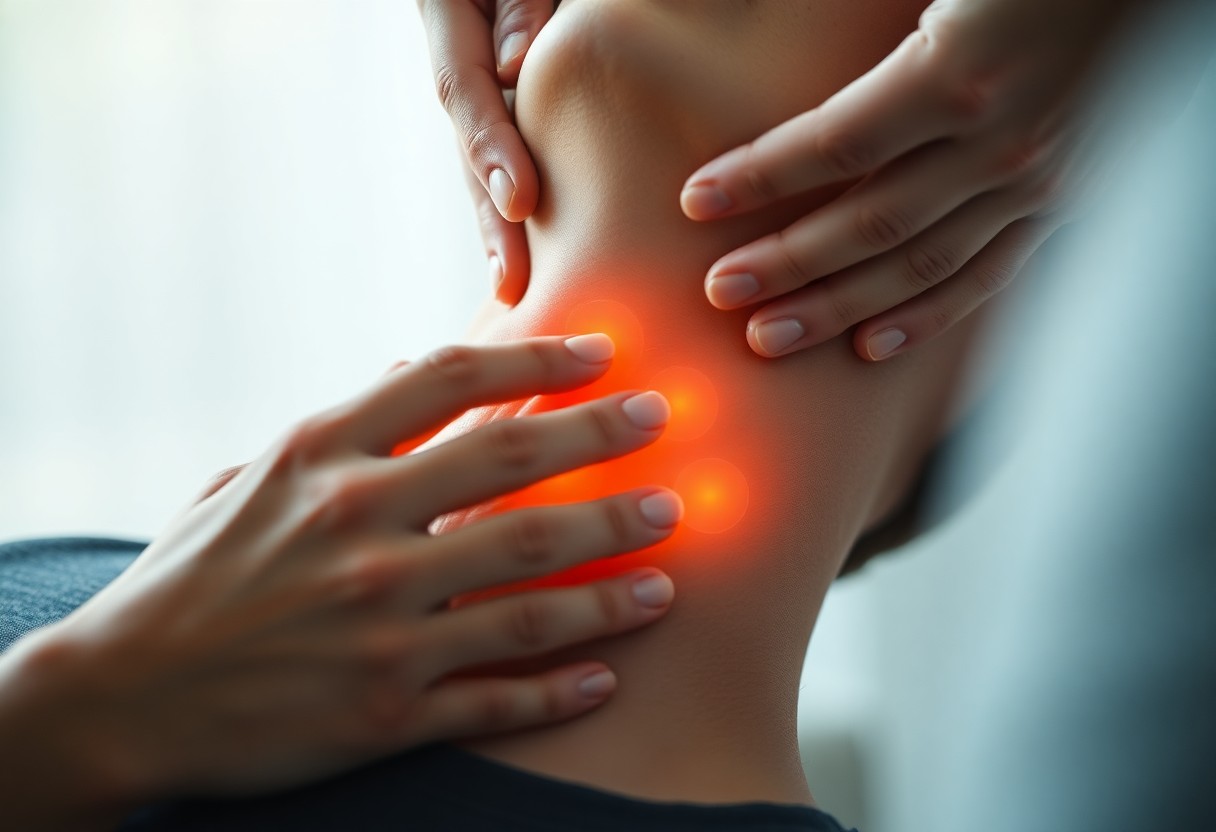
Some of the key advantages of incorporating massage into your TMJ relief routine include reduced muscle tension, improved jaw mobility, and enhanced overall comfort. Regular massage can help alleviate pain and discomfort associated with TMJ disorders, allowing you to enjoy a better quality of life. By targeting the muscles around your jaw and neck, massage offers a holistic approach to managing your symptoms effectively.
Reducing Muscle Tension
One of the primary benefits of massage is its ability to reduce muscle tension in the jaw and surrounding areas. When you experience TMJ pain, your muscles often become tight and tense, contributing to your discomfort. By using various massage techniques, you can effectively release this tension, promoting relaxation and relief.
Improving Jaw Mobility
To enhance your jaw’s mobility, massage can be an effective tool in your TMJ relief arsenal. Regular manipulation of the muscles and tissues surrounding the jaw can lead to increased flexibility and a broader range of motion. This improved mobility not only helps in reducing discomfort but also allows you to perform daily activities like eating and speaking without restrictions.
In fact, incorporating massage into your routine can significantly facilitate jaw mobility. By addressing the tightness in your muscles and breaking down any adhesions, massage can help restore movement and alleviate any stiffness you might be experiencing. Improved jaw mobility will not only make daily tasks more comfortable but can also minimize the risk of further TMJ-related issues in the future.
Types of Massage Techniques
After exploring the different massage options available for TMJ relief, you can choose from a range of techniques tailored to your specific needs. Each massage style provides unique benefits that target the muscles surrounding the jaw. Consider the following:
| Technique | Benefits |
| Myofascial Release | Reduces tension and improves circulation. |
| Trigger Point Therapy | Releases tight knots in the muscles. |
| Guasha Technique | Stimulates healing through scraping motions. |
| Swedish Massage | Promotes relaxation and stress relief. |
| Deep Tissue Massage | Treats chronic muscle tension and pain. |
Knowing the various options available allows you to make an informed decision about which techniques might be most effective for your TMJ discomfort. For more information, check out A Guide for TMJ Massages and Exercises.
Myofascial Release
Among the effective methods for TMJ relief, myofascial release focuses on relieving tension in the fascia, which is the connective tissue surrounding the muscles. This technique targets restricted areas in your jaw and neck, improving blood flow and promoting relaxation. Through gentle stretching and pressure, it helps release tightness and improve mobility, making it a valuable tool for alleviating TMJ discomfort.
Trigger Point Therapy
Between the various treatment options, trigger point therapy stands out due to its specific focus on tight muscle knots, or trigger points, that can contribute to TMJ pain. By applying pressure to these points, you can effectively diminish localized pain and discomfort in your jaw. This technique not only provides immediate relief but also helps address underlying muscle tension that may aggravate your TMJ symptoms.
Myofascial techniques can significantly enhance the effectiveness of trigger point therapy. By releasing the connections found between various muscle groups, your jaw will experience a reduction in tension and improved function. This holistic approach can lead to long-lasting relief from TMJ pain, allowing you to enjoy daily activities without discomfort.
Guasha Technique
The guasha technique is a traditional method that employs a smooth-edged tool to scrape the skin along the jawline and neck. This technique enhances blood circulation and revitalizes the area, promoting healing for overworked muscles. Using guasha can help warm up tight muscle tissue, encouraging relaxation and easing TMJ discomfort effectively.
Another benefit of the guasha technique is its ability to release toxins, improving lymphatic drainage and overall muscle health. This natural approach not only targets TMJ symptoms but also contributes to your overall well-being. Regular guasha practice can become an integral part of your self-care routine, ensuring that you maintain optimal jaw health.
Self-Massage Strategies
Keep your jaw tension at bay with effective self-massage techniques designed for TMJ relief. You can incorporate simple hand movements, pressure points, and mindful breathing into your routine. By dedicating just a few minutes each day to self-massage, you can promote relaxation in your jaw and neck muscles, making a noticeable difference in your overall comfort and well-being.
Techniques for Home Use
Strategies like using your fingers to apply gentle pressure on the muscles around your jaw can significantly relieve TMJ pain. Focus on areas near your temples, along your jawline, and beneath your chin. Moving in circular motions can help reduce tension, while steady pressure on specific points can enhance relaxation. Be attentive to how your body responds, adjusting your technique as needed for the best results.
Tools and Aids for Massage
With the right tools and aids, you can elevate your self-massage experience for better TMJ relief. Items such as tennis balls, foam rollers, or specialized jaw massage devices can complement your techniques. These tools allow you to apply targeted pressure with greater ease and can enhance the effectiveness of your home massage routines.
Plus, incorporating tools like a jaw joint massager or vibrating devices can be especially beneficial for reaching those hard-to-target areas. Look for options that are designed specifically for TMJ relief, as they can offer varying levels of pressure and vibration to best suit your comfort preferences. These aids can make your self-massage routine more efficient, helping you achieve relief from discomfort more effectively.
When to Seek Professional Help
Once again, if your TMJ symptoms persist despite self-care methods such as home massage and relaxation techniques, it may be time to seek professional help. A qualified therapist can provide targeted treatments tailored to your specific needs. You should also consider professional intervention if you experience severe pain, frequent headaches, or noticeable jaw misalignment, as these may indicate that more intensive care is necessary for a complete resolution.
Indicators for Professional Massage
Above all, certain indicators suggest that professional massage could greatly benefit you. If your TMJ-related discomfort is impacting your daily activities or causing significant stress, it’s advisable to consult a massage therapist who specializes in jaw disorders. Increased tension in surrounding muscles, persistent pain, or even clicking sounds in your jaw can highlight the need for expert intervention.
Selecting a Qualified Therapist
Selecting the right therapist is vital for effective TMJ relief. Look for individuals who have experience in treating temporomandibular disorders, as they will understand your specific needs. It’s also beneficial to read reviews and seek recommendations to ensure you are choosing a therapist who can provide personalized and effective care.
In fact, a qualified therapist will generally possess specialized training in techniques specifically designed to relieve TMJ symptoms. They may employ a combination of deep tissue massage, myofascial release, and other modalities to address the underlying issues. Always inquire about their experience with TMJ-related concerns to ensure that your therapy sessions are both safe and effective, ultimately leading you to a greater sense of relief and well-being.
Preventive Measures and Care
Your approach to preventive care is vital in reducing the frequency and severity of TMJ symptoms. Incorporating relaxation techniques and maintaining good posture can significantly alleviate stress on the jaw. Additionally, managing your diet to avoid hard or chewy foods can prevent unnecessary strain on the jaw muscles. Regular visits to a healthcare professional can also provide valuable insights and adjustments as needed to support your TMJ health.
Lifestyle Changes
About making small lifestyle adjustments can greatly benefit your TMJ health. Prioritizing stress management through mindfulness or yoga can lower tension in your jaw. Moreover, maintaining a balanced diet rich in vitamins and minerals supports overall muscle function. Be mindful of your nighttime habits, such as avoiding teeth grinding, which can exacerbate TMJ issues.
Exercises for TMJ Health
An effective way to promote TMJ health is through targeted exercises. Simple jaw stretches can improve flexibility and reduce tension, while relaxation techniques help alleviate stress. Incorporating these exercises into your daily routine can strengthen the muscles around your temporomandibular joint and enhance its functionality over time.
Lifestyle changes focusing on regular exercises for TMJ health can lead to lasting relief. Gentle stretches like opening and closing the mouth slowly, side-to-side jaw movements, and pushing against the jaw can increase mobility and decrease discomfort. Maintaining consistency with these exercises is key to achieving the best results, ensuring that you keep your jaw strong and functionally efficient.
Final Words
Ultimately, integrating massage techniques into your routine can significantly alleviate TMJ symptoms and promote relaxation. By targeting the jaw muscles, neck, and associated areas, you can reduce tension and improve your overall comfort. Listening to your body and using methods that resonate with you will enhance your experience. Whether you choose self-massage or professional treatment, maintaining consistency will yield the best results for your TMJ relief journey.
FAQ
Q: What is TMJ, and how can massage techniques help relieve its symptoms?
A: TMJ stands for temporomandibular joint, which connects the jawbone to the skull. Issues with this joint can lead to pain, discomfort, and difficulty with movement. Massage techniques can alleviate symptoms by relaxing the surrounding muscles, improving blood circulation, and reducing tension around the jaw. By focusing on areas that are tight or sore, such as the neck, shoulders, and jaw muscles, relief can be achieved through improved function and decreased discomfort.
Q: What specific massage techniques are effective for relieving TMJ pain?
A: Several techniques can be beneficial for TMJ relief, including soothing manual therapy, trigger point therapy, and intraoral massage. Soothing manual therapy involves gentle kneading and pressure around the jaw and neck to promote relaxation. Trigger point therapy targets specific knots in muscles that may be leading to pain; applying pressure to these points can help release tension. Intraoral massage is performed inside the mouth by a trained therapist and focuses on the muscles that control jaw movement, providing direct relief to the inner jaw area.
Q: How often should massage be performed for those suffering from TMJ issues?
A: The frequency of massages for TMJ relief varies depending on the severity of the symptoms and individual preferences. For optimal results, many individuals find it helpful to engage in massage sessions 1-2 times a week. Consistency is key, as regular massages can develop lasting benefits by continually alleviating tension and discomfort in the affected areas. Additionally, incorporating self-massage techniques at home can be effective in between professional sessions to maintain relief.