Benefits of Massage

Benefits of Massage

What Is Prenatal Massage Benefits for Expecting Mothers

It’s important to understand how prenatal massage can positively impact your pregnancy journey. As an expecting mother, you may experience various physical and emotional changes, and prenatal massage offers a therapeutic solution to alleviate discomfort and promote relaxation. This specialized massage therapy focuses on your unique needs during pregnancy, helping to ease muscle tension, reduce swelling, and improve your overall well-being. To explore more about this topic, check out The Benefits of Prenatal Massage Therapy.

Key Takeaways:

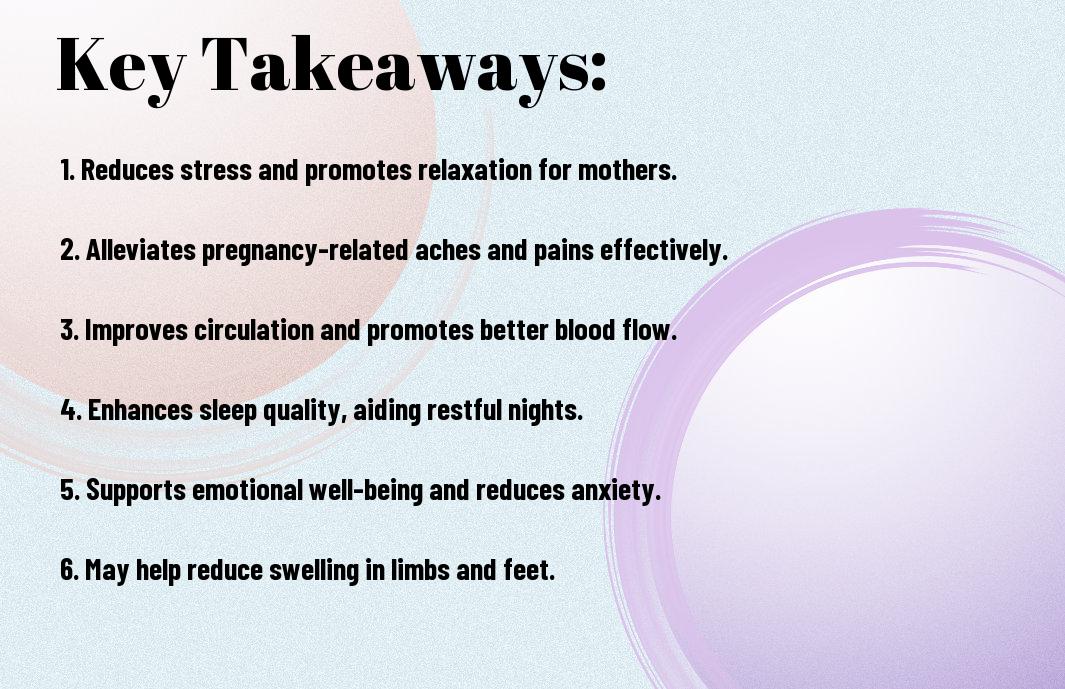
  • Relief from Discomfort: Prenatal massage helps alleviate common pregnancy-related issues like back pain, swelling, and muscle tension.
  • Improved Circulation: This type of massage enhances blood flow, which can benefit both the mother and the developing fetus.
  • Stress Reduction: Prenatal massage promotes relaxation and can reduce anxiety, contributing to a healthier mental state for expecting mothers.
  • Better Sleep: Regular sessions can help improve sleep quality, making it easier for mothers-to-be to cope with the demands of pregnancy.
  • Preparation for Labor: Certain techniques in prenatal massage may aid in preparing the body for labor and delivery by relaxing muscles and reducing tension.

Understanding Prenatal Massage

A prenatal massage is a specialized form of therapy designed to address the unique needs of expectant mothers. This therapeutic technique aims to alleviate common discomforts associated with pregnancy, such as back pain, swelling, and tension. By promoting relaxation and improving circulation, prenatal massage can enhance your overall well-being during this transformative time in your life.

Definition and Techniques

On a fundamental level, prenatal massage involves gentle, non-invasive techniques tailored to accommodate your changing body. Therapists utilize a variety of methods, including Swedish massage, deep tissue work, and specific acupressure points, all aimed at relieving stress and tension. Special pillows and cushions can be used to provide extra support and comfort while ensuring that you are positioned safely throughout the session.

Safety Considerations

Among the many benefits of prenatal massage, safety remains a top priority. It’s imperative to consult your healthcare provider before beginning any massage therapy, especially during the first trimester when the risk of complications may be higher. Also, choosing a therapist who specializes in prenatal techniques ensures that the treatment is safe and effective for you and your growing baby.

For instance, qualified prenatal massage therapists are trained to avoid certain pressure points and techniques that could pose risks during pregnancy. They should also be mindful of your comfort levels and any specific conditions you may have, such as gestational diabetes or preeclampsia. Ensuring a safe environment with proper positioning and cushioning can enhance your experience, allowing you to relax and reap the full benefits of the massage.

Physical Benefits of Prenatal Massage

Some of the many physical benefits of prenatal massage include relief from stress, reduced muscle tension, and improved overall wellness. As your body undergoes significant changes during pregnancy, massage therapy can help support your physical health, allowing you to navigate this transformative time with greater ease and comfort.

Alleviating Common Discomforts

Massage is an effective way to alleviate common discomforts associated with pregnancy, such as back pain, swollen feet, and headaches. By targeting specific areas of tension, massage helps ease muscle strain and promote relaxation, making your pregnancy journey more enjoyable.

Improving Circulation

Physical benefits also encompass improved circulation, which is crucial for both you and your baby. Enhanced blood flow increases oxygen and nutrient delivery to your growing baby while flushing out toxins from your system.

It is vital to maintain healthy circulation during pregnancy, as it helps to manage the swelling and discomfort often experienced in your limbs. Improved circulation can also reduce the risk of complications like gestational hypertension and ensure that your body is functioning optimally, which ultimately benefits your developing child. Through prenatal massage, you can enhance your circulatory health, promoting overall well-being throughout your pregnancy.

Emotional and Psychological Benefits

To navigate the unique emotional landscape of pregnancy, you can benefit greatly from prenatal massage. This therapeutic practice fosters a sense of calm and well-being, helping you to embrace the numerous changes your body is undergoing. By incorporating prenatal massage into your routine, you nurture both your mental and emotional health, providing a holistic approach to your pregnancy journey.

Reducing Stress and Anxiety

Above all, prenatal massage is an excellent way to reduce stress and anxiety levels. The gentle techniques involved in massage promote relaxation, allowing you to let go of the daily worries that may accompany pregnancy. As you experience reduced tension, your body releases endorphins, which naturally boost your mood and help create a calmer mental space.

Enhancing Sleep Quality

Between physical discomfort, hormonal changes, and emotional fluctuations, getting quality sleep can be a challenge during pregnancy. Prenatal massage can play a significant role in enhancing your sleep quality by promoting relaxation in your mind and body. This restorative practice helps ease the tensions that may keep you awake, paving the way for more restful nights.

At the same time, improved sleep quality can have a positive impact on your overall well-being. By fostering relaxation and reducing discomfort, prenatal massage can lead to deeper, more restorative rest. As you cultivate better sleep patterns, you may find yourself feeling more energized and better equipped to handle the demands of pregnancy, ultimately enhancing your experience as an expecting mother.

Benefits for Labor and Delivery

Not only does prenatal massage soothe discomfort during pregnancy, but it also enhances your experience during labor and delivery. By integrating massage techniques, you can reduce anxiety and establish a deeper connection with your body, ultimately leading to a more positive birthing experience.

Preparing the Body

For optimal labor, prenatal massage helps prepare your body by relaxing tight muscles and alleviating tension. This increased flexibility and circulation can make contractions more manageable and may even help in positioning your baby properly for delivery.

Supporting Pain Management

Between the physical demands of labor and the emotional stress that often accompanies it, effective pain management is imperative for you. Prenatal massage techniques can provide relief by targeting specific muscle groups and promoting the release of endorphins, your body’s natural painkillers.

Supporting your pain management during labor is vital for a more comfortable experience. By focusing on areas such as the lower back, hips, and shoulders, massage therapy can alleviate muscle tension and enhance relaxation. Additionally, breathing techniques used during massage can further aid in pain control. Ultimately, incorporating massage into your birth plan may empower you to navigate the challenges of labor more effectively, helping you remain centered and in control.

Choosing the Right Practitioner

For expecting mothers, selecting the right prenatal massage practitioner is important for a safe and effective experience. Look for a therapist who specializes in prenatal massage and is experienced in working with pregnant clients. Take your time to research practitioners in your area, read reviews, and seek personal recommendations to ensure you find someone who meets your specific needs.

Qualifications and Certifications

On your journey to find the right practitioner, it’s important to verify their qualifications and certifications. Look for therapists who have completed specialized training in prenatal massage, as this ensures they understand the unique needs and considerations for pregnant women. Proper certification demonstrates their commitment to safe practices and effective techniques tailored for your comfort and well-being.

Questions to Ask

Questions about your practitioner’s experience and approach to prenatal massage can help you gauge their suitability for your needs. Ask how long they’ve been practicing, what specific training they’ve completed in prenatal care, and how they tailor their techniques for expectant mothers. Ensuring open communication helps establish trust and comfort, which are vital for a positive experience.

But don’t stop at just those questions; feel free to ask about their understanding of common pregnancy-related issues and how they address them during sessions. Inquire about their massage techniques and any modifications they may make based on your evolving needs throughout pregnancy. This dialogue ensures you feel confident and comfortable throughout your pregnancy journey.

Frequency and Duration of Sessions

Keep in mind that the frequency and duration of prenatal massage sessions can greatly impact your overall experience. It is typically recommended to have sessions once a month during the first trimester, moving to bi-weekly or weekly sessions in the second and third trimesters as your body undergoes more significant changes. Each session generally lasts between 60 to 90 minutes, allowing ample time for relaxation and targeted relief.

Recommended Schedule

Below is a general guideline for scheduling your prenatal massages. During your first trimester, aim for one session each month. In the second trimester, consider increasing this to every two weeks, and during the third trimester, weekly sessions may be beneficial. This schedule can be adjusted based on your specific needs and how your body responds.

What to Expect in a Session

For your prenatal massage session, you can expect a warm, calming environment that promotes relaxation. Your therapist will use specially designed pillows and techniques to ensure your comfort and safety while targeting the areas that need relief, such as your lower back, hips, and legs.

With each session tailored to your individual needs, you’ll likely experience various techniques aimed at alleviating discomfort associated with pregnancy. Your therapist may incorporate gentle stretching, pressure point work, or even light stroking motions to enhance circulation and reduce tension. Feel free to communicate any specific concerns or areas you’d like them to focus on to receive the most benefit from your experience.
Summing up

Considering all points, prenatal massage offers a range of benefits that can enhance your experience during pregnancy. By alleviating discomfort, reducing stress, and improving circulation, this specialized form of massage can help you feel more relaxed and connected to your body. Additionally, it may promote better sleep and prepare you for labor by easing tension and discomfort. Incorporating prenatal massage into your self-care routine can be a valuable tool for nurturing both your emotional and physical well-being as you prepare for motherhood.

Q: What are the primary benefits of prenatal massage for expecting mothers?

A: Prenatal massage offers numerous benefits for expecting mothers. It can help reduce common discomforts such as lower back pain, hip pain, and leg cramps which many women experience during pregnancy. The therapy promotes relaxation, which can lower the levels of stress and anxiety that often accompany this transformative period. Additionally, prenatal massage can improve circulation, leading to better nutrient and oxygen delivery to both the mother and baby. Overall, it fosters a sense of well-being that is beneficial for both physical and emotional health.

Q: Is prenatal massage safe for all stages of pregnancy?

A: Generally, prenatal massage is safe for women in all stages of pregnancy, but it is necessary to consult with a healthcare professional before scheduling a session, especially if there are any underlying medical conditions or complications. Most therapists trained in prenatal massage will modify techniques and positions based on the stage of pregnancy to ensure the safety and comfort of the mother and fetus. Typically, sessions are especially beneficial during the second and third trimesters when physical discomfort may increase.

Q: How often should expecting mothers get prenatal massages for optimal benefits?

A: The frequency of prenatal massages can vary based on the individual’s needs and preferences. Some women may benefit from a massage once a month in the early stages of pregnancy, while others may choose to have weekly sessions as they progress into the later stages. Listening to one’s body and discussing any specific concerns with a knowledgeable therapist can help determine the best schedule. Regular sessions can help manage stress, alleviate pain, and enhance the overall pregnancy experience.
The Benefits of Ayurvedic Massage

Massage is a time-honored practice rooted in ancient traditions, particularly in Ayurveda, which focuses on balancing your body, mind, and spirit. By incorporating Ayurvedic massage into your wellness routine, you can experience a plethora of benefits, from improved circulation and detoxification to enhanced relaxation and stress relief. This holistic approach not only alleviates physical discomfort but also promotes emotional well-being, helping you achieve harmony in your life. Explore the transformative power of Ayurvedic massage and discover how it can enhance your overall health and vitality.

Key Takeaways:

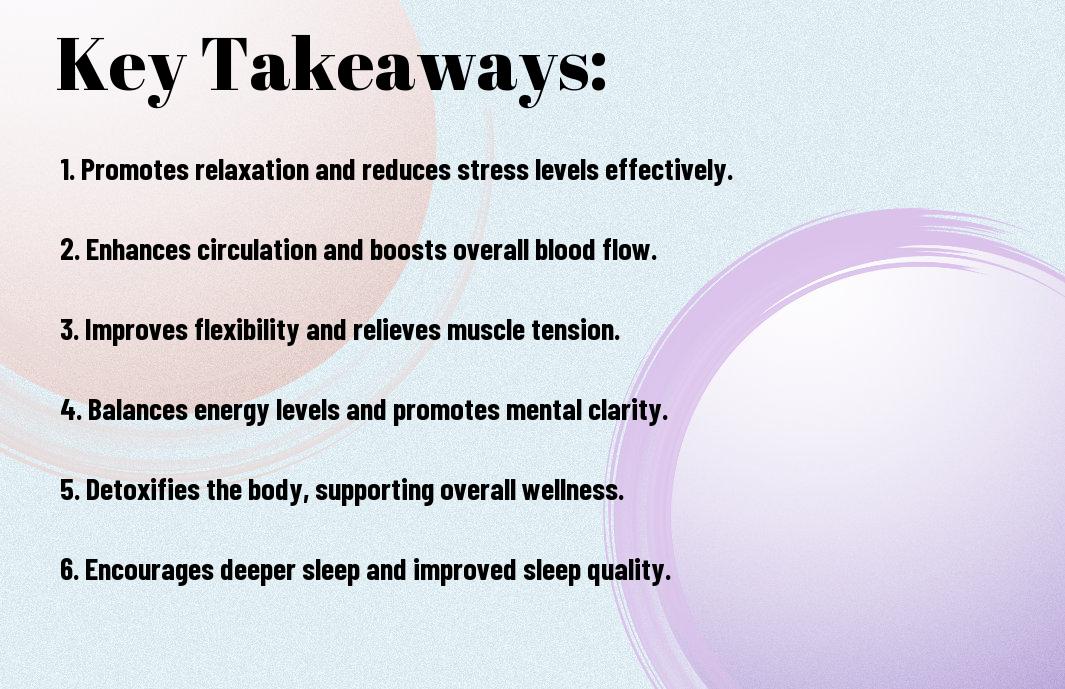
  • Promotes Relaxation: Ayurvedic massage helps in reducing stress and promoting a deep sense of relaxation, enhancing overall well-being.
  • Improves Circulation: The techniques used in Ayurvedic massage stimulate blood flow, leading to better nutrient delivery and waste removal in the body.
  • Balances Energy: This type of massage works to align the body’s energies, fostering balance between body, mind, and spirit.
  • Enhances Flexibility: Regular Ayurvedic massage can increase flexibility and mobility by releasing tension in muscles and joints.
  • Detoxification: The use of natural oils in Ayurvedic massage aids in detoxifying the body, promoting the removal of toxins and impurities.

Understanding Ayurvedic Massage

The essence of Ayurvedic massage lies in its holistic approach to wellness. Rooted in ancient Indian healing traditions, this form of therapy focuses on balancing the body, mind, and spirit. By incorporating specific techniques and natural oils tailored to your unique constitution or ‘dosha’, Ayurvedic massage addresses specific health concerns while promoting relaxation and rejuvenation.

Definition and Principles

Principles of Ayurvedic massage revolve around the concept of ‘doshas’, which are the energies that shape your physical and mental constitution. This therapy seeks to harmonize these energies using various techniques, including gentle strokes, kneading, and stretching, resulting in improved circulation, detoxification, and overall balance in your body.

Differences from Other Massage Therapies

At its core, Ayurvedic massage differs from other massage therapies in its personalized approach. While many conventional massages may focus solely on muscle relaxation, Ayurvedic massage emphasizes the treatment of the individual’s unique body type and wellness needs, ensuring a holistic experience.

Differences extend to techniques and philosophy. Unlike typical relaxation massages, Ayurvedic methods utilize warmed herbal oils, which are chosen based on your dosha. This personalized oil blend not only enhances the massage experience but also nourishes your skin and promotes detoxification. Furthermore, Ayurvedic massage incorporates breathing exercises and meditation, aiming for deeper mental clarity and emotional release, setting it apart from standard practices.

Physical Benefits

Some of the key physical benefits of Ayurvedic massage include enhanced flexibility, improved muscle tone, and an overall sense of well-being. This holistic approach targets various physical ailments, promoting balance within your body. By incorporating natural oils and techniques tailored to your dosha, you can experience significant improvements in your physical health, energy levels, and vitality.

Improved Circulation

By stimulating blood flow, Ayurvedic massage promotes improved circulation throughout your body. This enhanced blood flow not only helps deliver crucial nutrients and oxygen to your muscles and tissues but also aids in the removal of toxins. You may find that increased circulation leads to an overall boost in your energy levels and contributes to a more vibrant mental state.

Pain Relief and Muscle Relaxation

Beside improving circulation, Ayurvedic massage is highly effective for pain relief and muscle relaxation. You can expect to experience reduced tension, stiffness, and discomfort in your body after a session. This invigorating practice not only helps to alleviate chronic pain but also promotes faster recovery from injuries.

Physical tension often accumulates in your muscles due to stress, poor posture, or repetitive movements. Ayurvedic massage targets these areas, delivering strokes and kneading techniques that dissolve knots and tightness. The application of warm herbal oils during the massage further enhances muscle relaxation by penetrating deep into your tissues, promoting a soothing experience. As a result, you may find yourself not only feeling physically lighter but also enjoying improved mobility and enhanced range of motion.

Mental and Emotional Benefits

Your mental and emotional well-being can see significant improvements through Ayurvedic massage. This ancient practice not only soothes your body but also calms your mind and emotions. By integrating therapeutic techniques and natural oils, Ayurvedic massage creates a serene environment that promotes relaxation, helping you manage stress, anxiety, and emotional imbalances effectively.

Stress Reduction

Behind the soothing strokes of Ayurvedic massage lies a powerful method for reducing stress. The holistic techniques engage your senses, allowing you to disconnect from daily pressures. As a result, you can achieve a tranquil state of mind, letting go of tension and embracing a more peaceful existence.

Enhanced Mental Clarity

Enhanced mental clarity is another benefit you can achieve through Ayurvedic massage. The practices employed during the session can help clear mental fog and sharpen your focus, leading to better decision-making and increased productivity in your daily life.

Mental clarity is a critical aspect of maintaining emotional balance and overall well-being. When you experience enhanced mental clarity, your mind becomes more agile, allowing you to think creatively and solve problems more efficiently. This newfound focus can lead to improved relationships, both personally and professionally, as you become more present and engaged in your interactions. Ayurvedic massage supports this process by harmonizing your body and mind, paving the way for a more insightful approach to life’s challenges.

Ayurvedic Oils and Techniques

All aspects of Ayurvedic massage aim to balance the body’s energies, and the selection of oils and techniques plays a significant role in achieving this harmony. Specific oils, combined with various massage techniques, enhance the therapeutic benefits, ensuring a holistic approach to wellness that nurtures both body and mind.

Types of Oils Used

Below is a list of some common oils utilized in Ayurvedic massage:

Oil Benefits
Sesame Oil Warmth and nourishment for the skin
Coconut Oil Coolness and hydration
Castor Oil Detoxifying and relieving muscle tension
Mustard Oil Stimulating circulation and boosting energy
Herbal Infused Oils Enhanced therapeutic effects based on herbs

After exploring these oils, you can choose the one that best suits your needs for an effective Ayurvedic massage experience.

Tailoring Techniques to Individual Needs

Ayurvedic massage is not a one-size-fits-all approach; it is tailored to your unique constitution and health concerns. Understanding your body type, or dosha, is crucial for selecting the appropriate techniques and oils that will provide maximum benefit.

This personalized approach ensures that each session addresses your specific needs—whether you seek relaxation, detoxification, or relief from discomfort. A skilled practitioner will assess your dosha and adapt the massage techniques, pressure, and duration to create a customized experience that promotes balance and well-being, leaving you rejuvenated and harmonized.

Incorporating Ayurvedic Massage into Your Routine

Despite the busy nature of modern life, incorporating Ayurvedic massage into your routine can enhance your overall well-being. You can begin by scheduling regular sessions and integrating simple techniques that align with your body’s needs. For insights into how Ayurvedic massage can positively impact your health, check out The Healing Benefits of Ayurvedic Massage.

Finding a Qualified Practitioner

At the heart of experiencing authentic Ayurvedic massage is finding a qualified practitioner who understands the principles and practices of Ayurveda. You should look for individuals with proper certification and training, as well as positive reviews from previous clients. A skilled practitioner will tailor the experience to your individual needs, ensuring you receive the maximum benefits.

Self-Massage Techniques

Incorporating self-massage techniques into your daily routine can be a beneficial addition to your wellness practices. Simple methods like Abhyanga, or warm oil self-massage, can promote relaxation and stimulate circulation. You can easily learn these techniques through online resources or local workshops.

Routine self-massage not only helps to alleviate stress and tension but also supports your overall health. You can use warm herbal oils and focus on areas like the neck, shoulders, and feet to relieve discomfort and boost energy flow. Making this practice a regular part of your day brings balance and harmony to your body and mind.

Scientific Research on Ayurvedic Massage

Not all massage techniques are created equal, and recent scientific research is beginning to shed light on the specific benefits of Ayurvedic massage. Studies have indicated that Ayurvedic practices may enhance physical and mental well-being, possibly by harmonizing bodily energies and relieving stress. This growing body of evidence suggests that the principles of Ayurveda, when paired with massage, can contribute significantly to holistic health outcomes.

Current Studies and Findings

By exploring various scholarly articles and clinical trials, you will find that current studies highlight the effectiveness of Ayurvedic massage in managing chronic pain, improving sleep quality, and reducing anxiety levels. Many of these findings emphasize the role of personalized treatment plans, tailored to individual needs, enhancing the overall therapeutic experience.

The Future of Ayurvedic Therapies

Around the globe, Ayurvedic therapies are gaining recognition as more people seek holistic approaches to health. The merging of traditional practices with modern scientific validation is paving the way for wider acceptance of these therapies in mainstream healthcare.

Plus, as research continues to evolve, you can expect to see innovations in Ayurvedic therapies that integrate new technologies and evidence-based practices. This evolution may also lead to improved training for practitioners, ensuring that you receive the most effective treatments. As awareness grows, health professionals from various backgrounds are recognizing the value of Ayurvedic massage, ultimately leading to more integrative options for your well-being.

Summing up

With these considerations, you can appreciate the numerous benefits of Ayurvedic massage, which not only promotes relaxation but also enhances your overall well-being. By incorporating this ancient practice into your routine, you can improve your circulation, alleviate muscle tension, and detoxify your body. Additionally, the personalized nature of Ayurvedic treatments allows for tailored approaches to meet your specific health needs, ultimately leading to a more balanced and harmonious state of mind and body. Embracing Ayurvedic massage could be a transformative step towards achieving holistic health.

FAQ

Q: What are the primary benefits of Ayurvedic massage for physical health?

A: Ayurvedic massage offers numerous benefits for physical health, including improved circulation, enhanced flexibility, and relief from tension and muscle pain. By utilizing herbal oils that are tailored to an individual’s dosha (mind-body type), this massage technique helps to detoxify the body and promote overall well-being. Additionally, it can aid in improving skin tone and texture, contributing to a more youthful appearance.

Q: How does Ayurvedic massage contribute to mental well-being?

A: Ayurvedic massage not only addresses physical ailments but also greatly enhances mental well-being. The rhythmic strokes and soothing techniques used in the massage promote relaxation and help to reduce stress and anxiety levels. This approach fosters a sense of peace and tranquility, encouraging a more balanced emotional state. Regular sessions can lead to improved clarity of thought and a deeper connection to one’s inner self.

Q: Can Ayurvedic massage help with specific health conditions or symptoms?

A: Yes, Ayurvedic massage is beneficial for various health conditions. It can assist in managing chronic pain, arthritis, and headaches by alleviating muscle tension and enhancing joint mobility. Additionally, it is effective in alleviating digestive issues and promoting better sleep patterns. By focusing on the individual’s unique needs and addressing specific symptoms, Ayurvedic massage can serve as a supportive therapy alongside conventional treatments.

Top 10 Benefits of Regular Massage Therapy

Just as your body deserves rest and recovery, regular massage therapy offers a wealth of benefits that can enhance your overall well-being. By incorporating massage into your routine, you can alleviate stress, reduce muscle tension, and improve flexibility. In this blog post, you’ll discover the top ten advantages of regular massage therapy, empowering you to take control of your health and happiness. Whether you’re seeking relief from daily stress or aiming to boost your athletic performance, understanding these benefits will help you make informed decisions for your self-care journey.

Key Takeaways:

  • Stress Reduction: Regular massage therapy significantly alleviates stress levels, promoting relaxation and overall mental well-being.
  • Pain Management: Massage can help reduce chronic pain, particularly in areas such as the back, neck, and shoulders, providing relief and improving mobility.
  • Improved Circulation: Enhanced blood flow is a key benefit of massage, which aids in tissue recovery and promotes better oxygenation of the body.
  • Better Sleep: Regular sessions can lead to improved sleep quality, making it easier to fall asleep and wake up rested.
  • Enhanced Flexibility: Consistent massage therapy can lead to greater flexibility, reducing the risk of injuries and promoting better overall physical function.

Benefit 1: Improved Muscle Relaxation

To experience improved muscle relaxation, regular massage therapy can play a vital role in relieving tension and stress stored in your muscles. As skilled therapists work through muscle knots and tightness, you may feel an immediate decrease in discomfort and an increase in flexibility. This physical release not only enhances your overall well-being but also reduces the risk of injury and improves your posture. By incorporating massage therapy into your routine, you allow your body the opportunity to restore balance, leaving you feeling refreshed and rejuvenated.

Benefit 2: Enhanced Circulation

Before you book your next massage, consider that regular massage therapy significantly enhances circulation throughout your body. As your massage therapist manipulates your muscles, the pressure applied stimulates blood flow, delivering oxygen and vital nutrients to your tissues. This improved circulation not only helps in the recovery of sore muscles but also facilitates the removal of metabolic waste products. By promoting better blood flow, you may notice increased energy levels and an overall sense of well-being. Ultimately, enhanced circulation can contribute to a healthier cardiovascular system, benefiting you both physically and mentally.

Benefit 3: Pain Relief and Management

Some people experience chronic pain due to conditions like arthritis, fibromyalgia, or muscle tension. Regular massage therapy can significantly alleviate this discomfort by increasing blood flow, relaxing tight muscles, and enhancing overall mobility. As you incorporate massage into your routine, you may find a marked reduction in pain levels and an improvement in your ability to manage daily activities. By communicating your specific pain areas to your therapist, you can receive tailored treatments that focus on relieving your unique discomfort.

Benefit 4: Stress Reduction and Mental Clarity

It is well-known that regular massage therapy can significantly reduce stress levels, giving you a much-needed break from the pressures of daily life. As the soothing touch of the therapist melts away tension, your body releases endorphins, enhancing your mood and promoting a sense of well-being. This relaxation not only calms your mind but also improves your mental clarity, allowing you to focus better and think more clearly. By incorporating massage into your routine, you create a dedicated time for self-care that benefits both your mental state and overall productivity.

Benefit 5: Improved Sleep Quality

If you struggle with restless nights or difficulty falling asleep, regular massage therapy can be a game-changer for your sleep quality. The relaxation induced by massage helps reduce stress and anxiety, allowing your body to transition into a deeper state of rest. Additionally, massage encourages the release of serotonin, a neurotransmitter that aids in sleep regulation. As your body learns to relax during each session, you may find it easier to drift off into a restorative sleep, waking up feeling refreshed and more energized for the day ahead.

Benefit 6: Increased Flexibility and Range of Motion

Clearly, regular massage therapy can significantly enhance your flexibility and range of motion. Through targeted techniques such as stretching and myofascial release, massage helps to alleviate tight muscles and improve joint mobility. As a result, you may experience a greater ease in performing daily activities and physical exercises. This increase in flexibility not only contributes to your overall athletic performance but also reduces the risk of injuries. Incorporating massage into your wellness routine can lead to a more mobile and agile body, allowing you to move freely and comfortably in your everyday life.

Conclusion

Hence, incorporating regular massage therapy into your self-care routine can enhance your overall well-being in numerous ways. From reducing stress and muscle tension to improving circulation and boosting your immune system, the benefits are extensive. By prioritizing massage therapy, you empower yourself to manage pain, promote relaxation, and elevate your mood, ultimately enriching your quality of life. Make it a part of your wellness journey, and experience the positive changes it can bring.

FAQ

Q: What are the primary health benefits of regular massage therapy?

A: Regular massage therapy offers a multitude of health benefits including reduced muscle tension, improved circulation, and enhanced flexibility. It can help alleviate chronic pain conditions like arthritis and provide relief from headaches. Additionally, massage can promote better sleep quality and reduce anxiety and stress levels, contributing to an overall sense of well-being.

Q: How does massage therapy benefit mental health?

A: Massage therapy plays a significant role in improving mental health by reducing stress hormones and increasing the production of serotonin and dopamine, which are associated with feelings of happiness. Regular sessions can lead to decreased levels of anxiety and depression, enhancing mood and promoting relaxation. Furthermore, the physical touch involved in massage fosters a sense of connection and can help build trust, which is soothing for individuals experiencing emotional distress.

Q: How often should I get a massage to experience the benefits?

A: The frequency of massage therapy can vary based on individual needs and goals. For general wellness, receiving a massage once a month may suffice. However, if you’re dealing with chronic pain, higher levels of stress, or specific physical issues, it may be beneficial to schedule weekly or bi-weekly sessions. It’s important to consult with a licensed massage therapist to determine the optimal frequency that best fits your personal health situation.

Skip to content