Over time, your muscles can accumulate tension in places that are challenging to target, making relief feel elusive. A massage cane is a versatile tool that empowers you to alleviate soreness and improve circulation in those hard-to-reach areas. In this post, you’ll discover effective techniques to use a massage cane, ensuring you can comfortably address muscle knots and tension whenever the need arises. Get ready to enhance your self-care routine with simple yet effective strategies.
Key Takeaways:
- Technique: Utilize a gentle rolling motion with the cane to apply pressure gradually on tight muscles.
- Positioning: Adjust your body position to access different angles, making it easier to target hard-to-reach spots.
- Pressure Control: Start with light pressure and gradually increase it based on your comfort level and needs.
- Target Areas: Focus on common tight areas like the back, neck, and shoulders for effective relief.
- Consistency: Incorporate regular use of the massage cane into your routine for long-term benefits.
Understanding the Massage Cane
To effectively target your sore muscles, it’s important to comprehend the function and design of a massage cane. This handy tool features a unique shape that allows you to apply focused pressure to hard-to-reach areas of your body, such as your back, shoulders, and legs. The ergonomic design enhances your ability to control the intensity of the massage, making it an excellent addition to your self-care routine.
What is a Massage Cane?
Cane massage tools are handheld instruments specifically designed to relieve tension in muscles. Shaped like a cane or hook, these devices empower you to massage your own body where traditional methods may fall short. With various textures and curves, a massage cane becomes a versatile tool for self-care, promoting relaxation and increased blood circulation.
Benefits of Using a Massage Cane
Above all, using a massage cane provides you with the convenience and control necessary to effectively relieve muscle tension. It offers an easy way to reach those challenging spots that are otherwise difficult to target, ensuring that every part of your body gets the attention it deserves. This tool not only enhances relaxation but also encourages better posture and reduces the risk of injury, making it a beneficial addition to your wellness toolkit.
Massage canes also allow you to tailor your experience to your personal needs. By adjusting the pressure and focus on specific areas, you can alleviate discomfort caused by stress, long hours at a desk, or physical activity. Additionally, by incorporating a massage cane into your routine, you’re actively promoting muscle recovery and enhancing overall flexibility. This self-care tool can empower you to take control of your wellness journey while ensuring you feel your best.
Identifying Hard-to-Reach Spots
There’s no denying that certain muscle groups can be challenging to target effectively during self-massage. To maximize the benefits of using a massage cane, it’s vital to identify those hard-to-reach areas that often accumulate tension and discomfort. By focusing your efforts on these spots, you can alleviate muscle tightness and promote overall relaxation, enhancing your self-care routine.
Common Areas of Tension
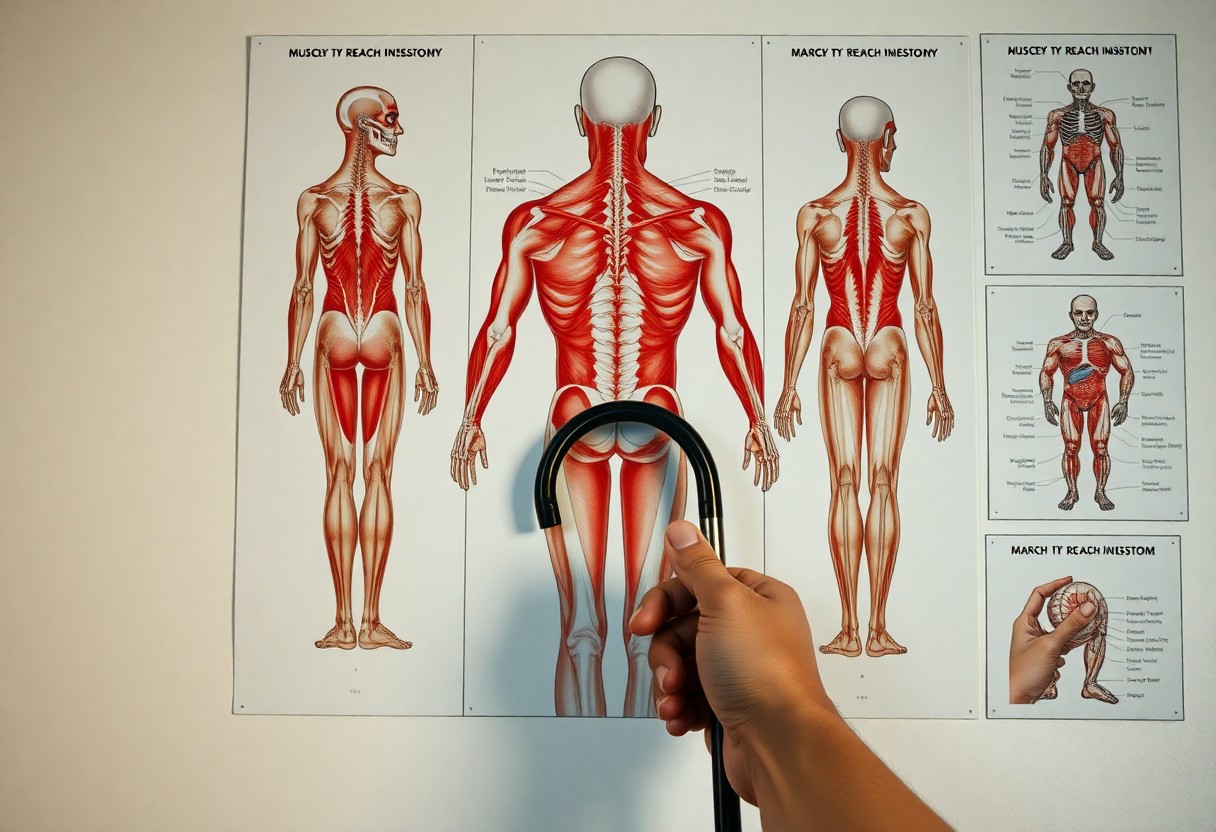
Across your body, common areas of tension often include the upper back, shoulders, and hamstrings. These muscle groups tend to harbor stress and tightness from everyday activities such as sitting for long periods, poor posture, and repetitive motions. By addressing these specific areas, you can effectively reduce discomfort and improve your overall well-being.
How to Locate Trigger Points
Trigger points are importantly knots in your muscles that can cause pain and discomfort in surrounding areas. Identifying these trigger points is vital for effective self-massage with a cane.
Even when they are elusive, trigger points can be located by applying pressure to various muscle groups. Start by gently palpating your muscles and pay attention to areas that feel especially tender or tight. You may notice a sensation radiating from the point of pressure, which can confirm the presence of a trigger point. Use your massage cane to pinpoint these areas further and release tension effectively.
Proper Technique for Using a Massage Cane
All successful usage of a massage cane lies in mastering your technique. Position the cane so it comfortably fits in your grasp, allowing you to apply direct pressure to sore spots without straining your body. Utilize your body weight for better force application and avoid any jerking motions. For specific guidance, check out Thera Cane Techniques for Upper Back Pain! to enhance your skills.
Best Practices for Application
Among the best practices in using a massage cane are taking your time and allowing your muscles to relax. Begin at a low intensity and gradually increase pressure as needed. Moving slowly helps you identify areas that require more attention and prevents overexertion.
Tips for Effective Pressure
After you’ve established a comfort level, apply the right amount of pressure for maximum relief. Consider the following suggestions to maximize your effectiveness:
- Utilize steady, consistent pressure rather than rapid movements.
- Adjust the cane angle for targeted pressure on specific muscles.
- Incorporate your breath; exhale while applying pressure to enhance relaxation.
Thou should always remain attentive to your body’s feedback and adjust accordingly.
Understanding the importance of pressure can lead to a more positive self-massage experience. Here are additional tips for achieving effective pressure:
- Use pain scales to gauge your comfort level for better control.
- Vary your pressure according to the muscle’s tension; apply more to tight areas.
- Take breaks if the pressure becomes too intense.
Thou will ultimately find your sweet spot for optimal relief.
Frequency and Duration of Use
Your approach to using a massage cane should be guided by consistency and moderation. Aim for regular sessions to effectively release tension, typically ranging from two to three times a week. Each session can last between 10 to 20 minutes, allowing you to focus on different hard-to-reach spots without overworking your muscles.
Recommended Sessions
At the beginning, you may want to start with shorter sessions of around 10 minutes, gradually increasing the duration as your body gets accustomed to the pressure and strokes of the massage cane.
Listening to Your Body
Among the most important aspects of using a massage cane is paying close attention to how your body responds during and after each session. This awareness will help you gauge the effectiveness of your technique and avoid discomfort.
And as you engage in your massage routine, be mindful of any discomfort or pain that arises. If you experience significant soreness, consider reducing the intensity or frequency of use. Your body is your best guide; always prioritize your own comfort and well-being to ensure that you gain the maximum benefits from the massage cane.
Maintenance and Care for Your Massage Cane
Once again, investing time in the maintenance and care of your massage cane will enhance its longevity and effectiveness. Regular checks for wear and tear, as well as proper handling, will ensure you enjoy its benefits without compromising your comfort or safety. By keeping your cane in good condition, you can rely on it for targeted relief in hard-to-reach areas whenever you need it.
Cleaning and Storage
Between uses, it’s important to keep your massage cane clean to prevent the buildup of dirt and bacteria. Wipe it down with a damp cloth and mild soap regularly, and ensure it’s completely dry before storing it in a cool, dry place. Proper storage will maintain its integrity and ensure it’s always ready for your next massage session.
When to Replace It
By cognizantly observing the condition of your massage cane, you can determine the right time to replace it. Look for signs of severe damage, such as cracks, bending, or a loss of functionality, which may hinder its performance during use.
Cane longevity is impacted by frequent use and the materials used in its construction. If you notice these damages affecting your ability to relieve tension in hard-to-reach spots, it may be time to invest in a new one. Taking action at the right moment will ensure you continue to achieve optimal relaxation and maintain the health benefits you seek from your massage cane.
Additional Tools and Techniques
Despite the effectiveness of a massage cane for targeting hard-to-reach spots, incorporating additional tools and techniques can enhance your self-care routine. Consider combining a foam roller or massage ball for deeper muscle release, and stretch regularly to improve overall flexibility. Techniques such as breathing exercises and mindfulness can further amplify the benefits of your massage sessions, creating a holistic approach to your well-being.
Combining with Other Massage Tools
Behind every effective self-care regimen is the ability to mix and match various tools. Using accessories like massage balls or foam rollers alongside your massage cane can help you address different muscle groups, ensuring a comprehensive self-massage experience. This combination allows you to tackle stubborn knots and relieve tension more effectively than using just one tool alone.
Integrating Self-Massage into Your Routine
SelfMassage techniques can be easily integrated into your daily life, transforming your routine into a mindful practice. Start by setting aside a few minutes each day for targeted massage using your cane, focusing on areas that feel tense or tight. You can also explore self-massage techniques while watching TV or during breaks at work to maximize your treatment.
But creating a regular self-massage schedule can make a significant difference in your overall muscle health and stress management. You may find that dedicating time each week to self-massage becomes a relaxing ritual that not only eases physical discomfort but also promotes mental clarity. Over time, this routine can help you develop a greater awareness of your body, enabling you to address tension as it arises.
To wrap up
With this in mind, using a massage cane can greatly enhance your ability to target those hard-to-reach areas in your body. By applying appropriate pressure and using various techniques, you can alleviate muscle tension and improve circulation effectively. Ensure you maintain a comfortable posture while manipulating the cane, and feel free to experiment with different angles to find what works best for you. By integrating a massage cane into your routine, you empower yourself to take control of your muscle health and well-being.
FAQ
Q: What are the benefits of using a massage cane for hard-to-reach spots?
A: A massage cane is an effective tool for targeting specific areas of tension in your body, especially those that are difficult to access with your hands. Utilizing a massage cane can help alleviate sore muscles, improve circulation, and promote relaxation. Additionally, it allows you to apply the desired pressure based on your comfort level, giving you control over your massage experience.
Q: How can I properly position a massage cane to target specific areas?
A: To effectively use a massage cane, first identify the hard-to-reach spot that needs attention, such as the upper back or shoulders. Position the cane against the area while standing or sitting, using one hand to stabilize it. Use your body weight to press into the cane, rolling it back and forth over the targeted muscle to apply pressure. Adjust the angle of the cane to find the most comfortable position that effectively addresses muscle tension.
Q: Are there any safety tips to keep in mind while using a massage cane?
A: Yes, it’s important to use a massage cane safely to avoid injury. Always start with gentle pressure, gradually increasing as you feel comfortable. Listen to your body and avoid applying too much force, which may cause pain. If you encounter sharp discomfort, stop immediately. Additionally, avoid using the cane on bony areas or bruised muscles, and consult a healthcare professional if you have any underlying health concerns before using the cane.