wellness

Why a Weekly Massage Can Transform Your Life

Wellness is not just a destination; it’s a journey that you can embrace through simple yet profound practices. Incorporating a weekly massage into your routine can significantly enhance your mental and physical well-being. By prioritizing this time for relaxation and healing, you can alleviate stress, improve circulation, and foster emotional balance. Discover more about how this rejuvenating practice can be a game changer in your life by exploring How Massage Therapy Can Transform Your Life? and start your path to transformation today.

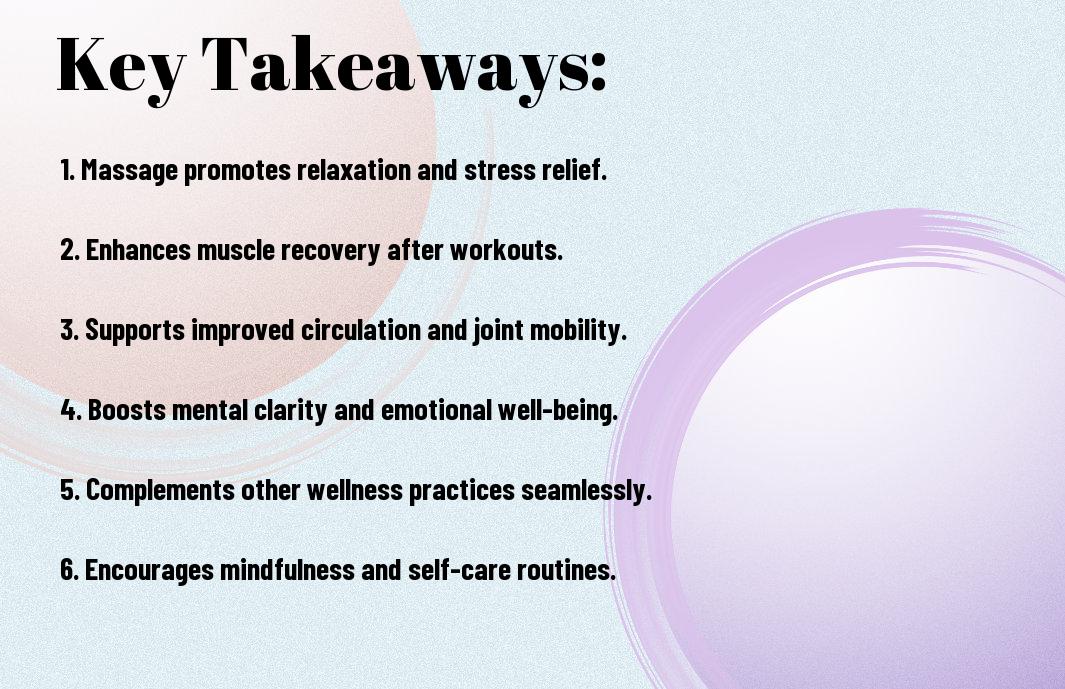
Key Takeaways:

  • Stress Reduction: Regular massages can significantly lower levels of stress hormones, promoting relaxation and a sense of calm in daily life.
  • Improved Circulation: Weekly massages enhance blood flow, which helps deliver oxygen and nutrients to the body’s tissues, facilitating healing and overall vitality.
  • Pain Relief: Massage therapy is effective in alleviating chronic pain conditions, reducing muscle tension, and improving flexibility.
  • Better Sleep: Consistent massage sessions can lead to improved sleep quality by relaxing the mind and body, making it easier to fall asleep and stay asleep.
  • Mental Clarity: Regular massages can promote mental clarity and focus, as they help reduce anxiety and foster a sense of overall well-being.

The Physical Benefits of Weekly Massages

A weekly massage offers a wealth of physical benefits, contributing to your overall well-being. Regular sessions can alleviate muscle soreness, reduce stress, and promote a sense of relaxation that enhances your daily life. By making massage a part of your routine, you’re not only investing in your physical health but also enhancing your mental clarity and emotional resilience.

Improved Circulation

One of the standout benefits of weekly massages is improved circulation. This increase in blood flow helps deliver vital nutrients and oxygen to your muscles, promoting healing and overall vitality. As circulation improves, you may find that your energy levels rise, leaving you feeling more invigorated and ready to tackle your day.

Muscle Tension Relief

Any athlete or individual can attest to the discomfort that muscle tension can create. Weekly massages target tight muscles, helping to loosen knots and relieve discomfort. Regular attention to muscle tension not only improves your range of motion but also contributes to your overall physical performance, making daily tasks feel more manageable.

Circulation is key when it comes to muscle tension relief. When your muscles are tense, the blood flow can become restricted, leading to discomfort and stiffness. Regular massages enhance circulation, which can flush out toxins that contribute to muscle tightness. This targeted approach not only alleviates current tension but can prevent it from reoccurring, allowing you to maintain a greater sense of comfort in your daily activities.

Mental Health Advantages

The impact of regular massage therapy on your mental health can be profound. Engaging in weekly massages not only helps release pent-up tension but also fosters a sense of calmness and relaxation that can enhance your overall mental state. As you incorporate this self-care habit into your routine, you’ll likely find improvements in anxiety levels, focus, and emotional resilience, ultimately transforming your daily experience.

Stress Reduction

Between the demands of work, family, and life in general, it’s common to feel overwhelmed. Regular massages can serve as a much-needed escape, providing you with the opportunity to unwind and release stress. The soothing touch and targeted pressure during a massage stimulate your body’s relaxation response, lowering cortisol levels and promoting feelings of tranquility.

Enhanced Mood and Well-Being

Advantages of regular massages extend beyond just physical benefits; they greatly enhance your mood and overall sense of well-being. You may notice an uplift in your spirits immediately after a session, largely due to the release of endorphins and serotonin during treatment. These mood-enhancing chemicals can help alleviate feelings of depression and anxiety, allowing you to navigate daily challenges with a more positive outlook.

With consistent sessions, the cumulative effect of massage can lead to long-term improvements in your emotional health. Feeling more balanced and uplifted helps you interact better in social situations and handle stress more effectively. You’ll likely find yourself enjoying life more fully, as your newfound sense of well-being allows you to approach challenges with a refreshed perspective.

Boosting Immunity Through Massage

Despite common misconceptions, regular massage goes beyond relaxation; it significantly enhances your immune system. By incorporating weekly sessions into your routine, you can experience improved circulation, reduced stress, and a heightened ability to fend off illnesses. Your body will thank you as the natural healing response is stimulated, leading to a more robust immunity.

Immune System Function

Below, it’s important to understand how massage impacts your immune system function. The stimulation of lymphatic circulation aids in removing toxins out of your body, while the release of specific neuropeptides enhances your overall well-being. With each session, you are directly encouraging the production of immune cells, which strengthens your body’s ability to combat pathogens.

Reducing Inflammation

Reducing inflammation is another key benefit of regular massage, as it can lower the levels of stress hormones in your body. This reduction helps balance your immune response and decreases the likelihood of chronic inflammation, which can weaken your defenses against illness.

Hence, consistent massage therapy can lead to lasting changes in your body’s inflammatory responses. By promoting relaxation and easing muscle tension, massage encourages better blood flow and oxygenation, allowing your body to heal more efficiently. Lower inflammation not only enhances your comfort but also uplifts your overall health, creating a stronger foundation for your immune system. Prioritizing massage can lead to a healthier, more resilient you.

Improving Sleep Quality

Not only does regular massage help relieve tension and stress, but it also has a significant impact on your sleep quality. By promoting relaxation and reducing anxiety, weekly massages can help you fall asleep faster and enjoy a deeper, more restful slumber. Your body will feel rejuvenated, and you’ll wake up feeling more refreshed and ready to tackle the day ahead.

Better Sleep Patterns

Before you examine various sleep aids, consider that regular massage can help reset your sleep patterns. By alleviating muscle tension and enhancing your overall well-being, you’ll find it easier to establish a consistent sleep routine. This naturally leads to improved sleep duration and quality, allowing you to wake up energized each day.

Relaxation Techniques

Along with enhancing your sleep quality, massage can introduce you to effective relaxation techniques. These methods contribute to reducing your stress levels, which can disrupt your sleep. By integrating massage into your routine, you create a peaceful environment that fosters quiet reflection and mindfulness, imperative for preparing your mind and body for restful nights.

Considering that stress factors can greatly impact your sleep, learning and applying relaxation techniques from your massage experience can be beneficial. Techniques such as deep breathing, visualization, and gentle stretching can be practiced in your daily life, further promoting a calm state of mind. By incorporating these methods into your pre-sleep ritual, you prepare your body for a more restful night’s sleep, allowing you to enjoy the countless benefits of high-quality rest.

Incorporating Massage into Your Routine

For a truly transformative experience, make massage a regular part of your self-care routine. By scheduling weekly sessions, you not only prioritize your health but also create a sacred space for relaxation. Start by selecting a convenient day and time that fits seamlessly into your schedule, ensuring you can commit to it consistently. Treat it like any important appointment to foster accountability, and notice how this ritual positively impacts your physical and mental well-being over time.

Finding the Right Therapist

Massage therapy can significantly enhance your wellness journey, but finding a therapist who meets your needs is necessary. Look for a licensed professional with experience in the modalities that interest you. Read reviews, ask for recommendations, and don’t hesitate to schedule consultations to assess their approach. This personal connection is vital, as it ensures you feel comfortable and understood during your sessions. A good therapist will tailor their techniques to address your specific concerns, helping you achieve the best results.

Setting Realistic Goals

Before stepping into your massage journey, it’s important to set realistic goals that align with your lifestyle and well-being desires. Consider what you want to achieve from regular massage—whether it’s stress reduction, pain relief, or overall relaxation—and ensure these objectives are attainable. By outlining clear, manageable goals, you create a roadmap that encourages your progress and satisfaction throughout your massage experience.

The journey toward improved wellness through massage can be more effective when you set achievable goals. Establish a timeline and make sure your objectives are specific and measurable. For instance, if your aim is to alleviate back pain, consider tracking the frequency of your discomfort and noting changes after each session. Allow yourself the flexibility to adjust these goals as needed, embracing the journey itself rather than just the end results. With a clear direction, you can fully appreciate the benefits that regular massage brings to your life.

Testimonials and Success Stories

Now you can explore the remarkable experiences of individuals whose lives have been positively transformed through weekly massage therapy. These testimonials reflect not just physical changes, but also enhanced emotional well-being and overall quality of life. Whether you seek relief from stress, chronic pain, or simply a touch of relaxation, these stories demonstrate the profound impact regular massage can have on your journey toward personal health and happiness.

Real-Life Transformation

Testimonials often highlight how weekly massages have helped people break free from tension and anxiety, leading to a refreshed mindset and increased productivity. Clients describe feeling more in tune with their bodies, allowing them to manage stress more effectively and enjoy greater emotional balance.

Long-Term Benefits

Success stories reveal that those who commit to regular massage experience long-lasting benefits, including improved mobility, reduced muscle soreness, and a heightened sense of well-being. This consistent care not only alleviates immediate discomfort but also equips you with the tools to handle everyday stressors more effectively.

Benefits of sustaining a weekly massage routine extend beyond immediate relief. You may notice increased energy levels, better sleep, and enhanced mental clarity as your body learns to release tension more efficiently over time. Investing in your weekly massage can be a transformative practice, paving the way for a more balanced and healthier lifestyle.

Final Words

Drawing together the benefits of weekly massages, you can experience significant positive changes in your life. By prioritizing this self-care practice, you enhance your physical and mental well-being, reduce stress, and elevate your overall quality of life. As you continuously renew and restore your body and mind, you foster resilience against daily challenges. Investing this time in yourself not only promotes relaxation but also boosts your energy levels and productivity, allowing you to thrive both personally and professionally. Embrace the transformative power of weekly massages and unlock your full potential.

Q: How does regular massage therapy benefit mental health?

A: Regular massage therapy can significantly enhance mental health by reducing stress and anxiety levels. The practice encourages the release of endorphins, which are hormones responsible for feelings of happiness. Consistent massage sessions also promote relaxation, helping to clear the mind and improve overall emotional well-being. Studies have shown that individuals who receive weekly massages report lower levels of depression and enhanced overall mood, making it an excellent addition to mental health management strategies.

Q: What physical health benefits can I expect from weekly massages?

A: Engaging in weekly massages can lead to a multitude of physical health benefits. Regular massage therapy improves circulation, which aids in delivering oxygen and nutrients to muscles and tissues, promoting overall wellness. Additionally, it can alleviate muscle tension, reduce chronic pain, and improve flexibility and range of motion. Many individuals experience faster recovery times from injuries and enhanced athletic performance as a direct result of consistent massage treatments.

Q: Can weekly massages improve my sleep quality?

A: Yes, weekly massages can greatly improve sleep quality. The relaxation response triggered during a massage reduces the levels of cortisol, the stress hormone, while simultaneously boosting levels of serotonin, fostering a more restful state. By alleviating tension and promoting relaxation, massage therapy can help create a calming effect that makes it easier to fall asleep and stay asleep throughout the night. Those who incorporate massages into their routine often report deeper and more restorative sleep, leading to better overall health.

Facial Cupping – What You Need to Know

Most people are seeking effective ways to enhance their skincare routine, and facial cupping is gaining attention as a popular treatment. This ancient technique harnesses the power of suction to stimulate blood flow, promote lymphatic drainage, and improve collagen production in your skin. In this post, you will discover what facial cupping entails, its benefits, and how you can incorporate it into your beauty regimen for healthier, glowing skin. From tools to techniques, we’ll cover everything you need to know to get started.

Key Takeaways:

  • Facial Cupping: A beauty technique that uses suction cups to enhance blood flow, stimulate collagen production, and improve skin texture.
  • Benefits: Can help reduce fine lines, puffiness, and improve skin elasticity, providing a more youthful appearance.
  • Preparation: It’s necessary to start with clean skin and use an appropriate facial oil to ensure smooth movement of the cups.
  • Technique: Cupping should be done gently and strategically, avoiding areas with active acne or broken skin.
  • Frequency: For optimal results, sessions can be incorporated into skincare routines 1-2 times per week, depending on individual skin needs.

What is Facial Cupping?

For those looking to rejuvenate their skin, facial cupping is an innovative skincare technique that uses small vacuum cups to create suction on the face. This method stimulates blood flow, encourages lymphatic drainage, and promotes a radiant complexion. If you’re curious about the benefits and techniques of facial cupping, check out Everything You Need to Know About Facial Cupping.

History and Origins

On ancient records indicate that cupping therapy has been used for centuries across various cultures, including Chinese, Egyptian, and Greek medicine. Initially employed for pain relief, it has evolved to include beauty applications, particularly on the face. Today, many seek out this treatment for its anti-aging benefits and to enhance their skincare routine.

How It Works

The process of facial cupping involves placing small cups on your skin, creating a gentle suction that lifts your skin. This technique helps increase blood circulation and can promote a more youthful appearance.

Works by gently drawing the skin upward, facial cupping not only enhances circulation but also stimulates collagen production and improves elasticity in your skin. The suction effect helps to release tension in facial muscles, andaided by this action, your skin feels more toned and refreshed. Additionally, this technique targets areas of stagnation, helping to decrease puffiness and fine lines, resulting in a more vibrant complexion.

Benefits of Facial Cupping

There’s a world of benefits to explore with facial cupping, making it a popular choice among beauty enthusiasts. This ancient practice not only enhances your complexion but also promotes overall skin health. By incorporating facial cupping into your routine, you can enjoy improved blood flow, reduced puffiness, and a more youthful, radiant appearance.

Improved Circulation

Any skin care enthusiast knows the importance of blood circulation for a healthy complexion. Facial cupping encourages increased blood flow to the skin, which in turn promotes the delivery of vital nutrients and the removal of toxins. This enhanced circulation can lead to a brighter, more vibrant complexion and may even help to alleviate some skin conditions.

Skin Tightening and Lifting

Lifting and firming your skin is easier than you think with facial cupping. This technique works to stimulate collagen production and improve skin elasticity, giving you a more youthful look. The gentle suction of the cups helps to lift the skin, reducing the appearance of fine lines and sagging.

But you’ll want to pair facial cupping with other skin care practices for the best results. Regular sessions can enhance the benefits, especially when combined with hydrating serums and moisturizers. You’ll not only notice tighter skin but also a more defined facial contour, making you look and feel revitalized.

Risks and Considerations

To ensure a safe facial cupping experience, it’s necessary to be aware of the risks and considerations involved. Although the technique can provide numerous benefits, improper application or oversight can lead to bruising or skin irritation. It’s highly advised to consult with a qualified practitioner and communicate any skin conditions you may have beforehand to mitigate these risks.

Who Should Avoid It

Behind certain skin conditions and health issues, you may need to avoid facial cupping. If you have active acne, rosacea, or skin allergies, for instance, cupping could exacerbate your situation. Additionally, if you have clotting disorders or are pregnant, be sure to discuss these concerns with your healthcare provider first.

Potential Side Effects

Side effects from facial cupping can range from mild to moderate. While some individuals may experience temporary redness or light bruising at the site of the cups, these symptoms typically resolve quickly. However, you should be aware that in rare cases, more intense bruising or skin irritation may occur, especially if the cupping is performed too aggressively or for an extended period.

Considering your skin’s sensitivity and overall health, it’s wise to approach facial cupping with caution. Always consult with a professional who can provide personalized advice based on your unique needs. Additionally, aftercare is important to minimize any potential side effects, so be gentle with your skin following the treatment and avoid harsh products or sun exposure for at least 24 hours.

How to Prepare for a Session

Keep your skin clean and free of makeup before your facial cupping session. It’s advisable to wash your face with a gentle cleanser and pat it dry. Additionally, stay hydrated in the hours leading up to your appointment, as this can enhance the overall effectiveness of the treatment. Arriving relaxed and without the stress of a rushed schedule can also contribute to a more enjoyable experience.

Choosing the Right Practitioner

After you’ve decided to try facial cupping, it’s important to select a qualified practitioner. Look for someone with experience and proper training in the technique, ideally someone certified in holistic or alternative therapies. Read reviews or seek recommendations to ensure you receive safe and effective treatment tailored to your needs.

What to Expect During Treatment

Behind the scenes of your facial cupping session, you can expect a serene environment designed for relaxation. Your practitioner will apply specialized cups to your face after preparing your skin and using an oil or serum for better glide. The cups may be moved around gently or left in place for a few minutes, creating a soothing sensation.

A typical facial cupping session lasts around 30 to 60 minutes, during which you may feel a slight pull or pressure from the cups. Most find this sensation comfortable and even enjoyable. After treatment, your skin may appear slightly red due to increased circulation, but this should subside quickly. You might also notice an immediate glow and improved texture, while the full benefits often become more apparent in the days following your session.

Aftercare Tips for Optimal Results

Many find that proper aftercare significantly enhances the benefits of facial cupping. To ensure you achieve optimal results, consider these tips:

  • Stay hydrated by drinking plenty of water.
  • Avoid excessive sun exposure for at least 24 hours.
  • Refrain from applying heavy makeup immediately after.
  • Gently massage the face to encourage circulation.
  • Limit intense workouts for 24 hours post-treatment.

Any deviation from these guidelines may hinder your desired outcome.

Post-Session Care

Across your post-session care routine, focus on gentle skincare products that will not irritate your skin. Use soothing ingredients like aloe or chamomile to calm any redness that may occur. Allow your skin to breathe, and it’s best to avoid any abrasive treatments for the next few days. Trust your body; it will let you know what feels right for optimal healing.

Recommended Products

Optimal results from facial cupping can be enhanced with the right skincare products. Look for serums and moisturizers that contain ingredients such as hyaluronic acid, vitamin C, or peptides, which can help nourish and rejuvenate your skin.

Due to the enhanced blood flow and lymphatic drainage from facial cupping, your skin will be more receptive to absorbing these nourishing ingredients. Consider incorporating a gentle facial oil or a hydrating mask into your routine to further support your skin’s recovery process. Always choose products that suit your specific skin type to reap the maximum benefits from your cupping session.

Frequently Asked Questions

Despite the growing popularity of facial cupping, many people still have questions about its effectiveness and safety. Addressing common concerns can help you understand the benefits and limitations of this treatment. Feel free to explore questions about techniques, suitable skin types, and potential side effects to make an informed decision.

How Often Should You Do Facial Cupping?

With regular practice, you can enjoy the best results from facial cupping. It’s typically recommended to start with one session per week and gradually increase to two or three sessions, depending on your skin’s response and your personal goals.

Can You Do It at Home?

One of the appealing aspects of facial cupping is its accessibility; you can do it at home. Many users find it convenient and cost-effective, allowing for self-care as part of their routine.

Understanding the proper techniques and products is vital if you choose to do facial cupping at home. Invest in quality silicone or glass cups designed specifically for facial use. Familiarize yourself with safe application methods and always perform a patch test on your skin. With patience and practice, you can enjoy the benefits of facial cupping in the comfort of your home.

Summing up

So, if you’re considering facial cupping, it’s important to understand its benefits and techniques. This treatment can enhance your skin’s appearance by promoting circulation and lymphatic drainage, while also providing a unique relaxation experience. By incorporating facial cupping into your skincare routine, you can achieve a natural glow and improve the overall texture of your skin. Make sure to consult a professional for guidance and to ensure it’s suitable for your skin type. With the right approach, you can enjoy the full advantages of this ancient beauty practice.

FAQ

Q: What is facial cupping and how does it work?

A: Facial cupping is a therapy that involves the use of small suction cups placed on the skin of the face to promote blood circulation, lymphatic drainage, and collagen production. This method works by creating a vacuum effect, which helps to lift and stretch the skin. As the cup is placed on the skin, it increases blood flow to the area, providing oxygen and nutrients that can enhance the overall appearance of the skin. Additionally, facial cupping can assist in reducing tension in facial muscles, leading to a more relaxed and rejuvenated look.

Q: What are the benefits of facial cupping?

A: The benefits of facial cupping include improved skin tone, reduction of fine lines and wrinkles, and increased elasticity of the skin. By enhancing blood circulation, facial cupping can also help to reduce puffiness and inflammation, especially around the eyes. Furthermore, it promotes lymphatic drainage, which can eliminate toxins from the skin and provide a clearer complexion. Many users also report improved relaxation and a sense of well-being after a session, as the process can help alleviate stress in the facial muscles.

Q: Is facial cupping safe for everyone?

A: Facial cupping is generally safe for most individuals; however, it is not suitable for everyone. Those with certain skin conditions such as eczema, psoriasis, or active acne should consult with a dermatologist before trying this treatment. Additionally, individuals with blood clotting disorders, deep vein thrombosis, or who are pregnant should avoid facial cupping. It is advisable to consult with a qualified practitioner to assess your skin’s condition and to ensure that these treatments align with your specific health needs.

How Massage Fits into Your New Year Wellness Goals

Massage can play a significant role in helping you achieve your New Year wellness goals. As you begin on this journey towards better health and self-care, incorporating regular massage sessions can enhance your physical and mental well-being. Not only does it promote relaxation and stress relief, but it also aids in muscle recovery and improves circulation. By understanding how massage complements your overall wellness strategy, you can make informed choices that align with your aspirations for the year ahead.

Key Takeaways:

  • Stress Relief: Incorporating massage therapy can significantly reduce stress levels, promoting relaxation and overall mental well-being.
  • Physical Recovery: Regular massages enhance muscle recovery, making them an excellent addition for those with fitness or wellness goals.
  • Improved Circulation: Massage helps improve blood circulation, which can enhance overall health and vitality.
  • Mind-Body Connection: Engaging in regular massage sessions fosters a stronger connection between your mind and body, aiding in mindfulness practices.
  • Personalized Wellness: Tailoring massage types to fit individual wellness goals ensures a more effective and satisfying experience.

Understanding Wellness Goals

The journey toward improved wellness begins with understanding your goals. Setting clear and attainable wellness objectives allows you to focus on specific areas of your life that you wish to enhance. By identifying what wellness means to you personally, whether it’s physical health, mental clarity, or emotional balance, you create a roadmap that guides you toward lasting change and fulfillment throughout the year.

Definition of Wellness

Definition of wellness encompasses a holistic approach to health that includes physical, emotional, mental, and social well-being. It’s not merely the absence of illness, but a proactive state where you actively pursue activities and choices that enhance your quality of life. Understanding this broad definition helps you tailor your goals to foster a balanced lifestyle.

Importance of Setting Goals

Setting goals plays a vital role in your wellness journey. By defining what you want to achieve, you create a sense of direction and motivation. Goals serve as benchmarks that allow you to measure your progress and celebrate your achievements, fostering a positive mindset and reinforcing your commitment to wellness.

Considering the importance of setting goals, it becomes evident that they act as a driving force in your wellness journey. When you establish specific, measurable, and attainable objectives, you enhance your ability to follow through on your commitments. This structured approach not only keeps you accountable but also encourages you to reevaluate and adjust your goals as needed, ensuring they remain relevant and aligned with your evolving wellness aspirations.

The Role of Massage in Wellness

It is vital to incorporate various wellness practices into your routine to enhance your overall well-being, and massage therapy is a powerful tool in this journey. This holistic approach not only alleviates physical tension but also promotes emotional balance, making it an excellent addition to your New Year wellness goals.

Physical Benefits

Along with relaxation, massage therapy improves circulation, reduces muscle tension, and enhances flexibility. These physical benefits can lead to improved performance in daily activities and exercise, ultimately contributing to your overall health and wellness journey.

Mental and Emotional Benefits

By engaging in regular massage sessions, you can experience significant reductions in stress and anxiety. This therapeutic practice not only fosters relaxation but also helps in processing emotions, creating a more balanced mental state.

Plus, massage encourages the release of endorphins, which are natural mood elevators. This can empower you to face daily challenges with greater resilience and clarity. Additionally, the nurturing environment of a massage session allows you to disconnect from technology and life’s pressures, providing vital time to recharge and refocus your mental energies. Integrating massage into your wellness regime not only nurtures your body but also your mind, aligning perfectly with your New Year goals.

Types of Massage Techniques

To achieve your wellness goals, it’s important to explore different massage techniques that cater to your personal needs. Here are some popular types of massage you might consider:

  • Swedish Massage
  • Deep Tissue Massage
  • Sports Massage
  • Hot Stone Massage
  • Aromatherapy Massage

After understanding these techniques, you can choose which aligns best with your wellness objectives.

Technique Description
Swedish Massage Relaxing and gentle strokes to ease tension.
Deep Tissue Massage Focuses on deeper layers of muscle using firm pressure.
Sports Massage Targets muscles used in various sports.
Hot Stone Massage Uses heated stones to relieve tension.
Aromatherapy Massage Combines imperative oils with gentle techniques.

Swedish Massage

About Swedish massage, it employs soft, long strokes, kneading, and circular movements on superficial layers of muscle. This technique is designed to promote relaxation, improve circulation, and alleviate stress. It’s ideal for individuals looking to unwind and enhance their overall well-being.

Deep Tissue Massage

For deep tissue massage, you will experience stronger, more intense pressure focusing on the deeper layers of muscle and connective tissue. This form of massage can help relieve chronic pain, ease tension, and break up adhesions that may cause discomfort.

Further, deep tissue massage can be particularly beneficial if you lead an active lifestyle or suffer from specific muscular issues. The technique often involves slower strokes and more focused pressure, which targets knots and tightness in your body. You may find it helpful for recovery after strenuous workouts, as it aids in reducing inflammation and promoting muscle recovery.

Incorporating Massage into Your Routine

Keep massage at the forefront of your wellness journey by intentionally scheduling it into your routine. You can easily blend it with other self-care practices, such as yoga or meditation, to enhance your relaxation and well-being. For tips on how to maximize your New Year’s resolutions, check out New Year’s Resolutions: How to massage your plan to get best results.

Frequency and Duration

Beside the benefits of massage, establishing a regular frequency is necessary for achieving long-term results. Aim for sessions at least once a month, but consider more frequent visits if your schedule allows. Tailoring the duration of each session to your specific needs can enhance overall effectiveness, whether you prefer shorter weekly sessions or longer monthly indulgences.

Finding the Right Therapist

Therapist selection significantly impacts your massage experience and benefits. Look for someone whose style aligns with your preferences, whether you seek deep tissue work or relaxation techniques. Don’t hesitate to seek referrals and read reviews to ensure you find a provider that meets your unique needs.

And, take the time to communicate your goals and preferences with your therapist during your first appointment. This will help them tailor the session to effectively address your specific concerns and ensure a more personalized experience. A trustworthy therapist will listen actively and adapt their techniques to provide the best results for your wellness journey.

Complementing Massage with Other Wellness Practices

Not only does massage contribute positively to your wellness journey, but integrating it with other healthy habits can amplify its benefits. When you blend massage with practices like nutrition, hydration, and regular movement, you create a comprehensive approach that fosters overall well-being. This synergy enhances the effects of each aspect of your wellness regimen, ensuring you feel your best throughout the year.

Nutrition and Hydration

At the core of any wellness plan are the foods you consume and the fluids you drink. Proper nutrition helps fuel your body, while adequate hydration keeps your muscles functioning optimally. When you combine a balanced diet with regular massages, you enhance muscle recovery and promote better circulation, ultimately taking your wellness experience to the next level.

Exercise and Movement

With an active lifestyle, you can further support the benefits of massage therapy. Regular physical activity strengthens your muscles, improves flexibility, and boosts your overall health. When you incorporate both exercise and massage into your routine, you can alleviate muscle tension and improve recovery time, fostering a more holistic approach to wellness.

Nutrition plays a vital role here as well. By choosing nutritious foods that provide energy and promote muscle repair, you create a strong foundation for your exercise routine. Pairing these healthy eating habits with massages enhances your physical performance and aids in faster recovery, empowering you to meet your wellness goals more effectively.

Tracking Progress and Adjusting Goals

Once again, it’s necessary to check in on your wellness goals regularly, especially as you incorporate massage into your routine. By tracking your progress, you can identify which aspects of your wellness plan are working and which may need adjustments. This ongoing evaluation allows you to stay aligned with your objectives and adapt as necessary, ensuring that you maximize the benefits massage can provide in your overall well-being journey.

Setting Measurable Outcomes

Any goal you set should have clear, measurable outcomes that you can monitor over time. For instance, you might decide to receive a massage once a month and assess its impact on your stress levels or muscle tension. By having a specific target, you can evaluate whether this frequency meets your needs or if adjustments are necessary.

Assessing Overall Wellness

The journey to wellness involves a holistic approach that encompasses physical, mental, and emotional health. You should routinely assess how massage therapy is contributing to your overall wellness. This might mean keeping a journal of your experiences, tracking changes in your mood or energy levels, or discussing your progress with your massage therapist.

Goals that focus on assessing overall wellness help you gain insight into how massage therapy enhances your life. Regular self-reflection can reveal patterns in how you feel before and after massages, guiding you to better understand their impact. Elevated awareness will empower you to set more effective goals, ensuring that your wellness journey remains aligned with your evolving needs.

To wrap up

Taking this into account, incorporating massage therapy into your New Year wellness goals can significantly enhance your overall well-being. Not only does it help in relieving stress and tension, but it also promotes physical and mental health benefits that can support your resolutions. You can learn more about the importance of including massage in your plans by visiting Why must you add a massage to your New Year resolution list?. Prioritize self-care and embrace the soothing touch of massage to achieve your health goals this year.

Q: How can regular massage therapy support my overall wellness goals for the New Year?

A: Incorporating regular massage therapy into your wellness routine can significantly enhance your physical and mental health. Massage helps alleviate muscle tension, improve circulation, and promote relaxation, which can contribute to reduced stress levels and improved focus. By scheduling regular sessions, you create a dedicated time for self-care, allowing you to regroup and recharge. This consistency not only improves your physical well-being but may also inspire you to maintain other healthy habits, such as exercise and balanced nutrition.

Q: What type of massage is best suited for achieving New Year wellness goals?

A: The type of massage that best fits your wellness goals will depend on your specific needs and preferences. For relaxation and stress reduction, a Swedish massage is often beneficial. If you focus on muscle recovery or managing chronic pain, deep tissue or sports massage may be more effective. Additionally, if your goal is to enhance flexibility or mobility, consider incorporating techniques like myofascial release or stretching into your routine. It’s recommended to discuss your wellness objectives with a licensed massage therapist, who can tailor a treatment plan accordingly.

Q: How often should I schedule massage sessions to align with my wellness goals for the New Year?

A: The frequency of massage sessions can vary based on individual needs and wellness objectives. For general maintenance and stress relief, scheduling a session every 4 to 6 weeks may be adequate. However, if you’re aiming for specific goals, such as recovering from an injury, managing chronic pain, or preparing for an event, more frequent sessions—such as weekly or bi-weekly—could be beneficial. Listening to your body and adjusting your schedule accordingly will help you stay on track with your wellness goals throughout the year.

The Role of Massage in Corporate Wellness Programs

Wellness initiatives in the workplace are increasingly incorporating massage therapy to enhance employee satisfaction and productivity. Understanding how massage can alleviate stress, reduce tension, and promote relaxation is necessary for cultivating a healthier work environment. You’ll discover that by integrating massage into your corporate wellness strategy, you can foster a positive atmosphere that benefits both employees and the organization. Let’s explore the various ways massage therapy can contribute to your overall corporate wellness programs, improving employee well-being and performance.

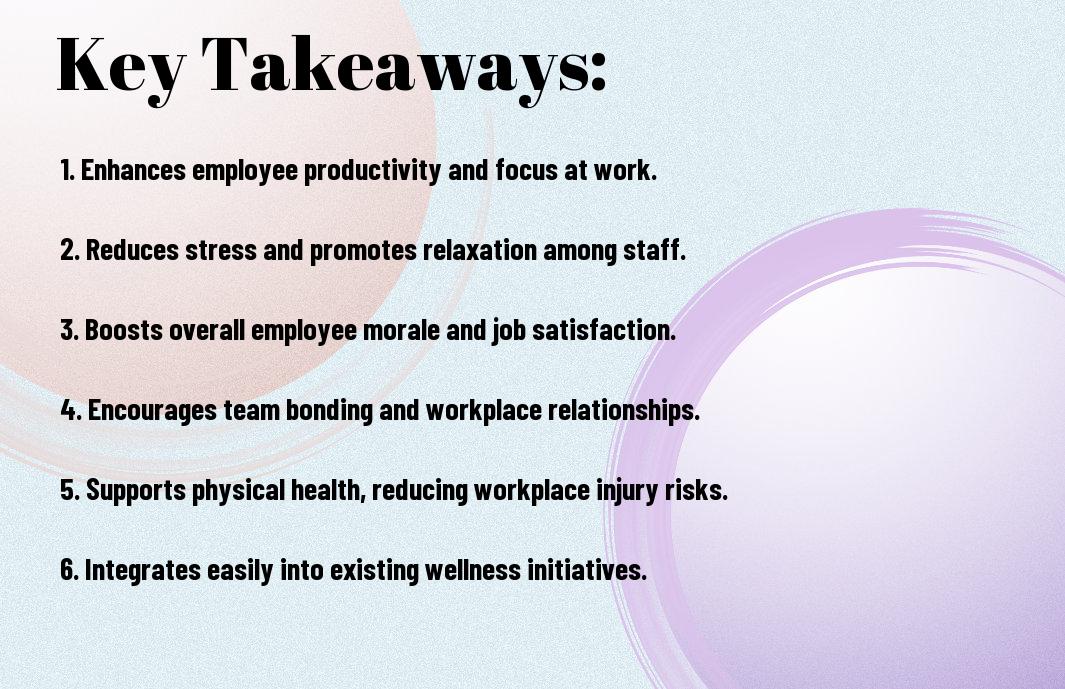
Key Takeaways:

  • Stress reduction: Incorporating massage therapy in corporate wellness programs significantly lowers employee stress levels, promoting a more relaxed work environment.
  • Improved productivity: Regular access to massage can lead to enhanced focus and productivity, as employees feel more revitalized and less fatigued.
  • Enhanced employee morale: Offering massage services signals a company’s commitment to employee wellbeing, fostering a positive workplace culture and boosting morale.
  • Health benefits: Massage therapy can alleviate physical discomfort from prolonged sitting and reduce the risk of musculoskeletal issues, contributing to overall employee health.
  • Team building: Group massage sessions can strengthen interpersonal relationships among employees, promoting teamwork and collaboration within the organization.

Understanding Corporate Wellness Programs

While the modern workplace demands high productivity, it often results in stress and health issues among employees. Corporate wellness programs aim to mitigate these challenges by promoting healthy lifestyle choices within the organization. These initiatives encompass a variety of strategies, including physical fitness, mental health support, and stress management, ultimately creating a healthier, more engaged workforce.

Definition and Objectives

Definition: Corporate wellness programs are structured initiatives designed to improve employee health and well-being through a series of organized activities and resources. Their primary objective is to enhance overall employee wellness, reduce healthcare costs, and promote a positive workplace culture.

Benefits of Wellness Programs for Organizations

Objectives: Implementing wellness programs can lead to numerous benefits for organizations, including increased employee morale, improved productivity, and reduced absenteeism. By investing in the health of your workforce, you can nurture a supportive work environment that encourages personal growth and teamwork.

For instance, companies that prioritize employee wellness often experience lower turnover rates, saving costs associated with hiring and training new staff. Additionally, healthier employees tend to be more engaged and motivated, contributing to a more positive workplace atmosphere. By creating a culture that values health and well-being, your organization can enjoy enhanced performance and overall success.

The Importance of Massage Therapy

Assuming you are part of a corporate wellness program, understanding the importance of massage therapy can significantly elevate your well-being in the workplace. Massage therapy not only promotes relaxation and stress relief but also enhances overall health, making it an indispensable component of a thriving corporate environment. By incorporating regular massage into your routine, you can experience improved physical and mental health, ultimately leading to higher productivity and job satisfaction.

Physical Benefits

Benefits of massage therapy extend beyond mere relaxation. You may notice a significant reduction in muscle tension, improved circulation, and enhanced flexibility. By alleviating physical discomfort, massage enables you to perform at your best, mitigating the risks of injuries and chronic pain that often stem from long hours at a desk.

Mental and Emotional Benefits

Any ongoing stress or anxiety you experience can be effectively managed through the power of massage therapy. Regular sessions allow you to unwind mentally, leading to a clearer mind and increased focus. The soothing effects of massage can transform your mood, creating a more positive work atmosphere that fosters creativity and collaboration.

It is crucial to recognize that the mental and emotional benefits of massage therapy are profound and transformative. Not only does it help in reducing stress levels and anxiety, but it also encourages a sense of emotional balance. As you indulge in regular massage, you may find that your ability to cope with everyday pressures improves, allowing you to face challenges with a renewed sense of resilience. This emotional support translates into better relationships with your colleagues and a more harmonious workplace culture.

Integrating Massage into Wellness Programs

After acknowledging the benefits of massage, you can seamlessly incorporate it into your corporate wellness programs. This integration not only enhances employee satisfaction but also promotes a healthier work environment. By providing designated massage sessions, you encourage your team to prioritize their well-being, ultimately improving productivity and morale.

Types of Massage Services Offered

About the various types of massage services, here is a list of popular options you may consider for your workplace:

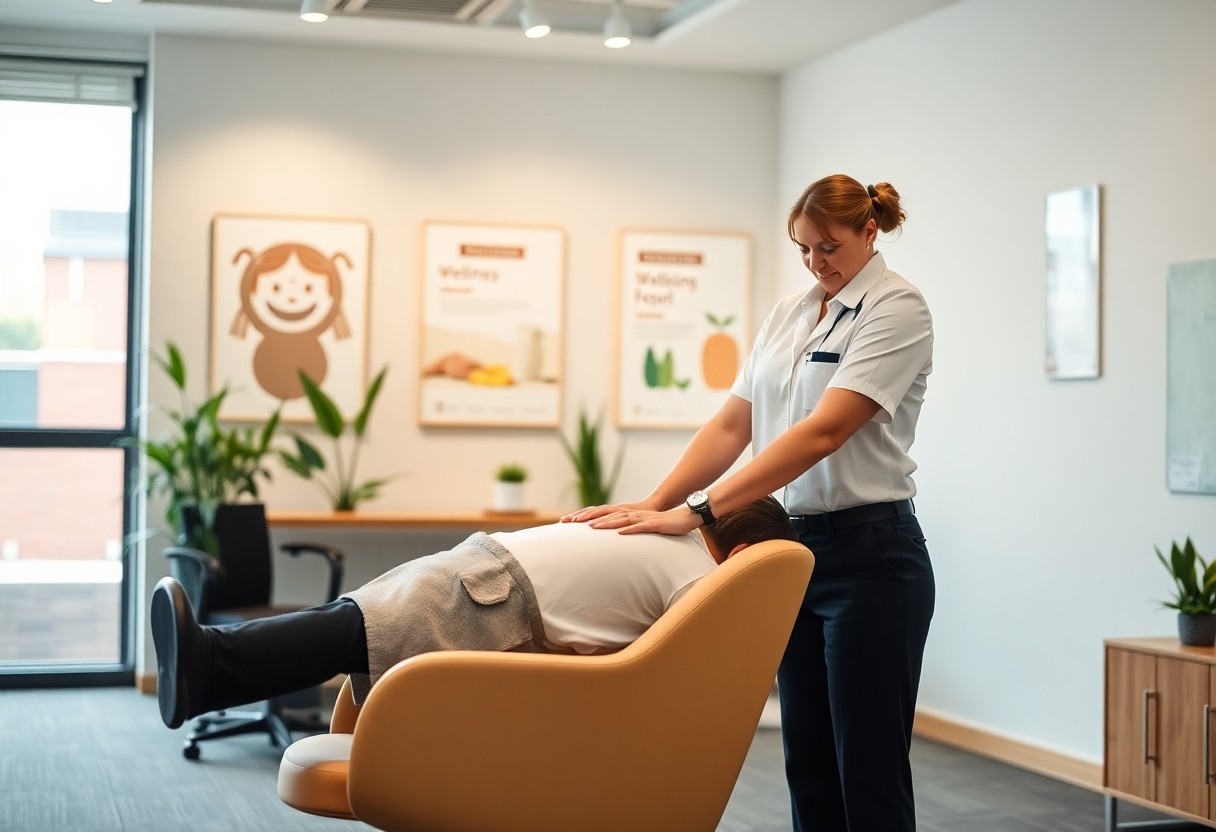
  • Chair Massage
  • Table Massage
  • On-site Massage
  • Wellness Days with Multiple Therapies
  • Weekly or Monthly Massage Programs

The incorporation of these services can significantly enhance employee engagement and well-being.

Implementation Strategies

One effective way to implement massage services is by scheduling regular sessions that accommodate your team’s availability. This method eliminates barriers, allowing your employees to benefit from massages without disrupting their workflow.

Hence, establishing a partnership with a professional massage service can streamline the logistics. You should consider factors such as on-site access, frequency of sessions, and employee feedback on preferred types of massage. Additionally, promoting these services well can lead to higher participation rates, ensuring that your workforce can take full advantage of the wellness benefits offered. Regular assessments of the program’s effectiveness will also help in refining the strategy to better meet your employees’ needs.

Measuring the Impact of Massage on Employee Well-being

To effectively assess the impact of massage on employee well-being, it is crucial to implement structured evaluation processes. Through surveys, feedback forms, and wellness assessments, you can gather valuable insights into how massage therapy influences stress reduction, job satisfaction, and overall mental health. By systematically measuring these outcomes, you can confidently demonstrate the benefits of incorporating massage into your corporate wellness programs.

Employee Feedback and Satisfaction

Against the backdrop of traditional wellness programs, employee feedback is vital. When employees actively participate in sessions, their perceived satisfaction can be gauged through direct responses and surveys. Collecting this feedback not only helps refine your offerings but also fosters a culture of open communication and support within the workplace.

Health Metrics and Productivity

About the measurable outcomes, tracking health metrics such as absenteeism, stress levels, and overall employee well-being can provide clear insights into the effectiveness of massage in your corporate wellness program. Understanding these correlations will allow you to make informed decisions on how to enhance productivity through targeted initiatives.

In addition to individual health metrics, you can analyze broader productivity trends within your organization. By monitoring performance indicators such as reduced sick days, increased focus, and job engagement levels, you will find compelling evidence of massage therapy’s contribution to organizational success. This data-driven approach reinforces the value of your wellness program, demonstrating a direct link between employee well-being and productivity outcomes.

Challenges and Considerations

Not every organization is fully prepared for integrating massage therapy into their corporate wellness programs. Factors such as employee skepticism, budget constraints, and logistical challenges can hinder implementation. To better understand the impact of on-site chair massages, explore 5 Reasons Why Implementing On-Site Chair Massages … which can shed light on effective strategies to overcome these hurdles.

Addressing Employee Concerns

An imperative part of overcoming challenges is addressing employee concerns about massage therapy in the workplace. Open communication is key; hosting sessions to discuss the benefits and potential issues allows employees to voice their opinions. Encouraging feedback and demonstrating flexibility in your approach can foster a positive environment for the program.

Cost vs. Benefit Analysis

The balance between cost and benefit is pivotal when considering massage therapy for corporate wellness. Understanding the potential return on investment through increased employee productivity and reduced healthcare costs is imperative to making an informed decision.

Considerations need to focus on the long-term gains of integrating massage therapy into your wellness program. Analyze the initial investments against the potential for improved employee morale, reduced absenteeism, and enhanced overall workplace satisfaction. By systematically evaluating these factors, you can make a well-informed decision that aligns with your organization’s goals and fosters a healthier work environment.

Case Studies: Successful Implementation

Once again, massage therapy has proven its value in corporate wellness programs. Here are some impactful case studies showcasing its effectiveness:

  • Company A reported a 30% decrease in employee stress levels after six months of on-site massage.
  • Company B saw a 25% increase in productivity and a 40% reduction in absenteeism due to regular massage sessions.
  • Company C experienced a significant 20% decrease in healthcare costs linked to stress-related illnesses over one year.

For more insights, check out Workplace Massage on the Rise.

Corporate Examples

An excellent illustration comes from Company D, which integrated bi-weekly massage sessions for employees. As a result, they noted enhanced team collaboration and a 15% improvement in overall morale, illustrating how a dedicated wellness program can uplift organizational culture.

Lessons Learned

Between the various case studies, it’s evident that successful implementation plays a key role in maximizing the benefits of massage in corporate settings.

This insight indicates that tailoring massage programs to your employees’ preferences and scheduling them during high-stress periods can lead to more significant outcomes. Consistent feedback loops with employees about their experiences can refine these programs, ensuring ongoing engagement and visible results. Tracking metrics such as productivity and employee satisfaction will further help you assess the program’s impacts effectively.

Summing up

Following this, incorporating massage into your corporate wellness programs can significantly enhance employee satisfaction and productivity. By prioritizing wellness through massage, you provide your team with a valuable tool to reduce stress, improve focus, and foster a healthier work environment. Investing in these wellness initiatives not only boosts morale but can also lead to lower absenteeism and higher retention rates. As you consider your company’s wellness strategy, think about how massage therapy can be an integral part of a more holistic approach to employee health and well-being.

FAQ

Q: How does incorporating massage therapy into a corporate wellness program benefit employees?

A: Integrating massage therapy into corporate wellness programs offers numerous advantages for employees. Firstly, regular massage sessions can help reduce stress and anxiety levels, leading to improved mental well-being. This, in turn, can enhance focus and productivity at work. Secondly, massage therapy helps alleviate physical discomfort, such as muscle tension and headaches, which are often exacerbated by prolonged periods of sitting. By addressing these issues, employees can experience an increase in overall job satisfaction and morale. Lastly, providing massage as part of wellness initiatives fosters a supportive company culture, making employees feel valued and cared for.

Q: What types of massage are typically offered in a corporate wellness setting?

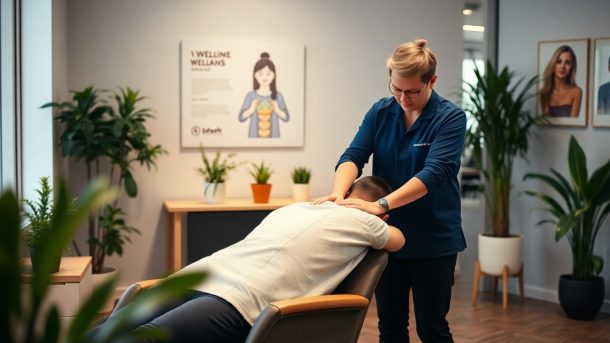
A: In corporate wellness programs, the most commonly offered types of massage are chair massage and on-site massage therapy. Chair massage is a quick, efficient option where employees receive massage while seated in a specially designed chair, usually for a duration of 10-30 minutes. This type of massage is convenient and requires minimal setup, making it ideal for a busy office environment. On-site massage therapy, on the other hand, may include more personalized and longer sessions where therapists can work on specific issues. Both options are designed to address the immediate needs of employees and can be tailored to fit various workplace environments.

Q: How can companies effectively implement a massage component into their wellness programs?

A: To effectively incorporate massage into wellness programs, companies should start by assessing their employees’ needs and preferences through surveys or feedback sessions. Engaging employees in the planning process can help ensure participation and enthusiasm. Once clear preferences are established, organizations can partner with professional massage therapists or wellness providers to design a customized program. Scheduling regular massage days or having therapists on-site weekly can foster ongoing participation. Additionally, companies should promote the availability of massage services through internal communications to create awareness and encourage employees to take advantage of these offerings.

Skip to content