Massage

Relieving Neck and Shoulder Tension Through Massage

It’s necessary to recognize the impact that tension in your neck and shoulders can have on your overall well-being. This common issue often stems from stress, poor posture, and prolonged screen time, leading to discomfort and reduced mobility. By incorporating massage into your routine, you can effectively alleviate this tension, promote relaxation, and enhance your physical vitality. In this post, we will explore various massage techniques to help you release tension and regain harmony in your body.
Key Takeaways:

  • Technique Variety: Different massage techniques can effectively target neck and shoulder tension, including Swedish, deep tissue, and trigger point therapies.
  • Regular Sessions: Consistent massage appointments can help maintain muscle relaxation and prevent recurring tension.
  • Self-Care: Incorporating stretching and self-massage into your daily routine can further alleviate tension between professional sessions.
  • Posture Awareness: Improving posture and ergonomics can significantly reduce neck and shoulder strain, complementing the effects of massage.
  • Mind-Body Connection: Addressing emotional stress through massage can also benefit physical tension, as muscles often hold onto stress and anxiety.

Understanding Neck and Shoulder Tension

For many people, neck and shoulder tension is a common issue that can impact daily life. This tension often stems from various lifestyle factors, such as poor posture, stressful work environments, or even the habitual use of mobile devices. Understanding the underlying causes of this discomfort can help you address the problem effectively and improve your overall well-being.

Common Causes

Around your daily activities, several factors can lead to neck and shoulder tension. Prolonged periods of sitting, particularly at a desk or in front of screens, can cause muscle stiffness. Additionally, emotional stress, lack of sleep, insufficient hydration, and improper ergonomic setups contribute to your discomfort.

Symptoms and Effects

Tension in your neck and shoulders can manifest in various ways, often resulting in pain, stiffness, and reduced mobility. You may also experience headaches, fatigue, or difficulty concentrating. Over time, these symptoms can affect your daily tasks and overall quality of life, making it necessary to address the issues promptly.

This tension can interfere with your productivity and emotional well-being if left unaddressed. You may find it challenging to focus on tasks or engage in social activities, leading to increased frustration. Repeated discomfort can also cause your body to adopt compensatory postures, exacerbating the problem. Being aware of these symptoms and their effects is the first step in seeking effective relief through massage and other therapeutic interventions.

Benefits of Massage for Tension Relief

While many people seek massage for relaxation, it offers numerous benefits specifically for relieving neck and shoulder tension. This hands-on therapy not only promotes physical comfort but also enhances your overall well-being. Massage helps to improve circulation, reduce muscle tightness, and promote a greater range of motion, allowing you to feel rejuvenated and free from discomfort in your everyday activities.

Physiological Benefits

Between increased blood flow and the release of endorphins, massage therapy acts as a natural remedy for muscular tension. The manipulation of soft tissues encourages the relaxation of tight muscles, alleviating pain and discomfort. Furthermore, it enhances flexibility and improves posture, enabling your body to perform better in daily tasks.

Psychological Benefits

Across the spectrum of mental wellness, massage therapy can significantly lower stress and anxiety levels. The soothing effects of massage not only help calm your mind but can also lead to improved mood and mental clarity. This holistic approach to tension relief allows you to approach your day with a more positive outlook.

Due to the release of oxytocin and other neurotransmitters during a massage, you experience a profound sense of relaxation and well-being. As tension dissipates, the reduction in your body’s stress response allows you to feel more in control and centered. This mental clarity can lead to better decision-making and enhanced focus, both of which are crucial for your productivity and overall quality of life.

Types of Massage Techniques

Keep in mind that different massage techniques cater to specific needs, and each offers unique benefits. Here are some popular types:

Swedish Massage Relaxation and improved circulation.
Deep Tissue Massage Relief from chronic muscle tension.
Trigger Point Therapy Targeted relief from muscle knots.
Hot Stone Massage Deep relaxation using heated stones.
Aromatherapy Massage Incorporates imperative oils for added benefits.

This array of techniques allows you to select the most suitable option for your needs, whether you seek relaxation, pain relief, or improved mobility.

Swedish Massage

Any individual looking for relaxation will benefit from a Swedish massage, which is characterized by long, flowing strokes and gentle kneading. This technique promotes better circulation and a sense of overall well-being, making it an excellent choice for relieving neck and shoulder tension.

Deep Tissue Massage

With a focus on deeper layers of muscle and connective tissue, deep tissue massage is ideal for addressing chronic pain and tension. By utilizing firm pressure and slow strokes, this technique targets specific areas of discomfort, providing significant relief for those suffering from ongoing tension in the neck and shoulders.

Understanding the importance of this technique can help you make an informed choice about your massage therapy. Deep tissue massage not only alleviates tension and pain but also aids in the recovery of injuries, enhancing flexibility and movement. Keep in mind, communication with your therapist about your discomfort levels is key to achieving optimal results.

Trigger Point Therapy

Against muscle knots and tightness, trigger point therapy specifically targets areas of intense pain. This technique focuses on applying pressure to localized points, releasing tension and improving muscle function in the neck and shoulders.

Consequently, trigger point therapy can bring significant relief from headaches, limited mobility, and overall discomfort. By addressing these tight areas, you can experience enhanced performance in daily activities and a better quality of life. This targeted approach is imperative for those dealing with chronic issues or muscle imbalances.

Self-Massage Techniques

To effectively relieve neck and shoulder tension, incorporating self-massage techniques into your routine can be highly beneficial. Start by applying gentle pressure with your fingertips or using your thumbs to knead the areas around your shoulders and neck. You can also use your palm to make circular motions or press firmly on tight spots to alleviate soreness. This practice can increase blood flow and promote relaxation, making it easier to release built-up tension throughout the day.

Simple Stretches

On a regular basis, integrating simple stretches into your routine can significantly enhance flexibility and relieve stiffness in your neck and shoulders. Try tilting your head from side to side, or gently rolling your shoulders forward and backward to increase mobility. These basic movements can help elongate tight muscles and prepare them for deeper release through self-massage.

Tools and Accessories

One way to enhance your self-massage experience is by using various tools and accessories designed for muscle relaxation. Foam rollers, massage balls, and handheld massagers can target specific muscle groups more effectively than just your hands alone. These tools can help you reach those difficult spots or apply deeper pressure to relieve tension effectively and conveniently at home or on the go.

Considering the variety of tools available, you might find certain accessories particularly useful for more targeted relief. For instance, a massage ball can pinpoint pressure on knots in your shoulders, while a foam roller helps release tension along the spine and upper back. Handheld massagers come in different shapes and sizes, allowing you to customize your experience based on your specific tension areas. Investing in the right tools can elevate your self-care routine, promoting overall neck and shoulder wellness.

Professional Massage Therapy

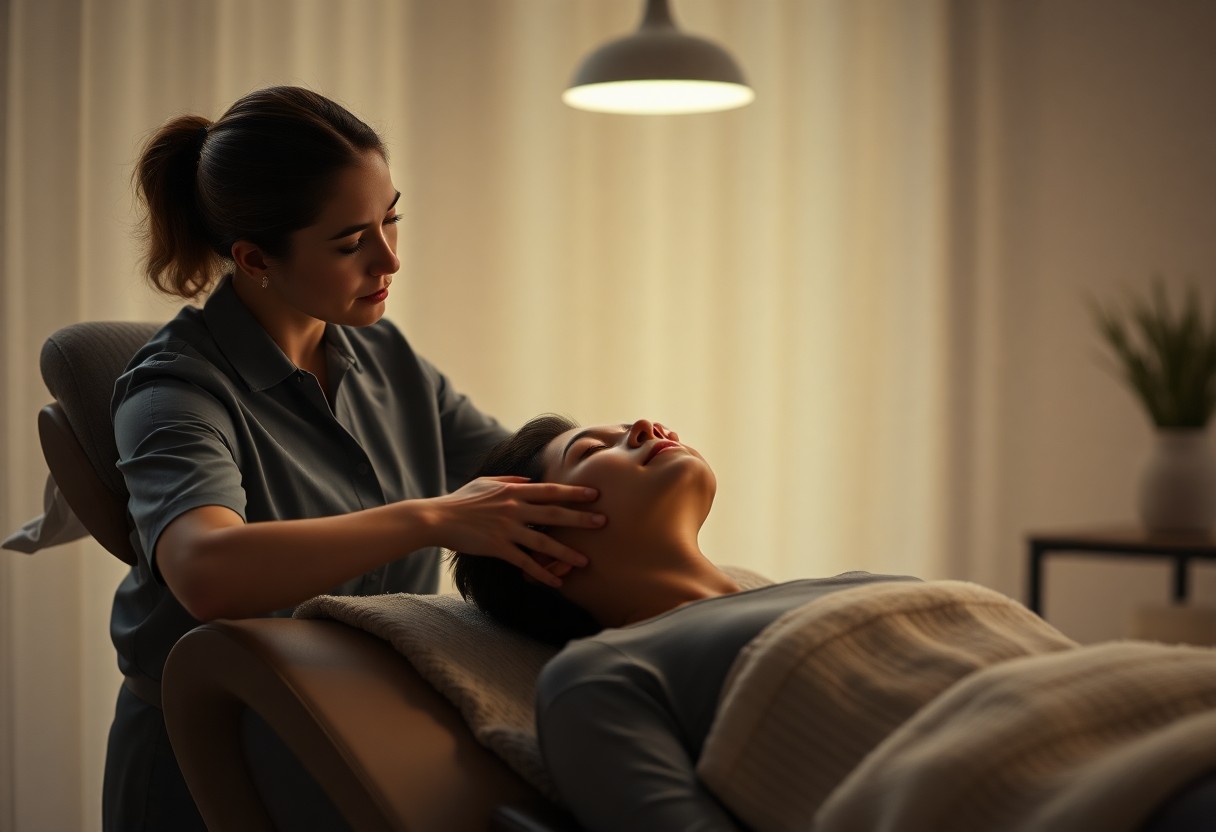
Many people find relief from neck and shoulder tension by seeking professional massage therapy. A trained therapist can effectively target specific muscle groups, providing you with tailored techniques designed to release built-up tension, improve circulation, and enhance overall relaxation. By incorporating various modalities, such as Swedish, deep tissue, or trigger point therapy, a professional can help alleviate discomfort and restore mobility, allowing you to feel rejuvenated and stress-free.

Finding a Qualified Therapist

To ensure you receive the best massage experience, it’s vital to find a qualified therapist who meets your specific needs. Look for therapists with the right credentials, such as certifications and licenses, and check their areas of specialty. Personal recommendations and online reviews can help guide you in selecting a therapist experienced in addressing neck and shoulder issues.

What to Expect During a Session

Among the benefits of professional massage therapy is knowing what to expect during your session, which can enhance your overall experience. An initial consultation will typically involve discussing your concerns and any specific areas of tension, allowing the therapist to tailor the treatment accordingly.

For instance, during the session, the therapist will ask you about your pain levels, past injuries, and preferences regarding pressure. You can expect a combination of techniques aimed at relieving your discomfort while promoting relaxation. The environment is usually serene, aiding in your calmness. Don’t hesitate to communicate with your therapist throughout the session to ensure the treatment aligns with your comfort level and expectations.

Incorporating Massage into Your Routine

Once again, integrating massage into your daily life can significantly ease neck and shoulder tension. Whether it’s a self-massage or a session with a professional, making it a regular practice will aid in maintaining overall well-being. You can start by exploring How to Give a Neck Massage (with Pictures) for some simple techniques to apply.

Frequency and Timing

On a practical level, aim to incorporate massage into your routine at least once or twice a week. You’ll find that consistent, shorter sessions tend to be more beneficial than sporadic, longer treatments. Listen to your body; if you feel tension building, don’t hesitate to address it sooner.

Complementary Practices

At the same time, consider incorporating other practices that promote relaxation and flexibility. Activities such as yoga, stretching, and deep-breathing exercises can work synergistically with massage, enhancing your body’s ability to release tension.

Plus, these complementary practices benefit your overall health, fostering a rounded approach to self-care. Engaging in regular physical activity or mindfulness techniques allows for improved circulation and stress reduction. Together with massage, these habits can create a resilient foundation for managing neck and shoulder tension effectively.

Conclusion

With these considerations, you can effectively relieve neck and shoulder tension through massage by incorporating specific techniques and regularly prioritizing self-care. Understanding your body’s needs and employing targeted pressure can enhance your overall well-being. Whether you seek professional help or practice self-massage, being mindful of your posture and stress levels can lead to significant improvements in your comfort and health.

Q: What techniques are commonly used in massage to relieve neck and shoulder tension?

A: Various techniques can be helpful in alleviating tension in the neck and shoulders during a massage. Common methods include:

  • Swedish Massage: This involves long, flowing strokes combined with kneading to relax tight muscles.
  • Deep Tissue Massage: This focuses on the deeper layers of muscle and connective tissue, using slower strokes and more intense pressure to target areas of tension.
  • Trigger Point Therapy: This technique involves locating and applying pressure to specific knots or trigger points in the muscles, helping to release tension and improve circulation.

Each of these methods can be tailored to the individual’s specific needs, offering relief from tension and promoting relaxation.

Q: How often should I get a massage to effectively manage neck and shoulder tension?

A: The frequency of massages can vary depending on individual circumstances such as lifestyle, activity levels, and specific muscle tension issues. For ongoing management of neck and shoulder tension, it is often recommended to receive a massage:

  • Once a week for acute or persistent tension.
  • Every two to four weeks for maintenance in less severe cases.

It’s important to listen to your body and adjust the frequency as necessary, ensuring you find a balance that works best for your personal comfort and relief from tension.

Q: Can self-massage techniques be effective for relieving neck and shoulder tension?

A: Yes, self-massage techniques can be quite effective when aiming to relieve tension in the neck and shoulders. Some simple self-massage methods include:

  • Finger Pressure: Use your fingers to apply gentle pressure to the muscles surrounding the neck and shoulders, focusing on areas that feel tense.
  • Using a Foam Roller: Gently rolling your upper back on a foam roller can help release tight muscles and improve circulation.
  • Gentle Stretching: Incorporating neck and shoulder stretches into your routine can complement self-massage efforts and enhance flexibility.

While self-massage can provide relief, regular professional massage can also facilitate deeper relaxation and may be beneficial for more severe tension issues.
Massage Techniques for Lower Back Pain

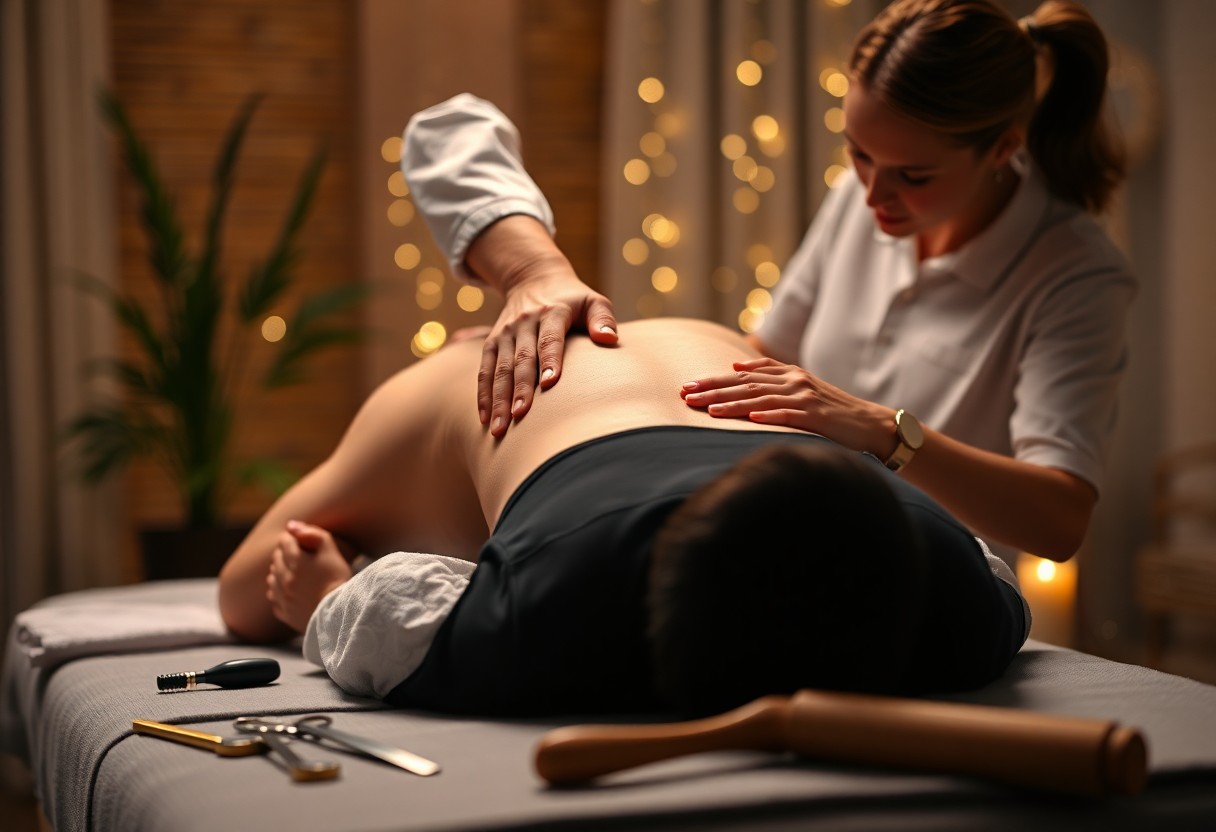
You often find that lower back pain can hinder your daily activities and overall well-being. Fortunately, various massage techniques can help alleviate discomfort and promote healing. In this blog post, you will explore effective methods tailored to your needs, whether you prefer self-massage or seeking professional help. By incorporating these techniques into your routine, you can enhance relaxation and support your body’s natural recovery process.

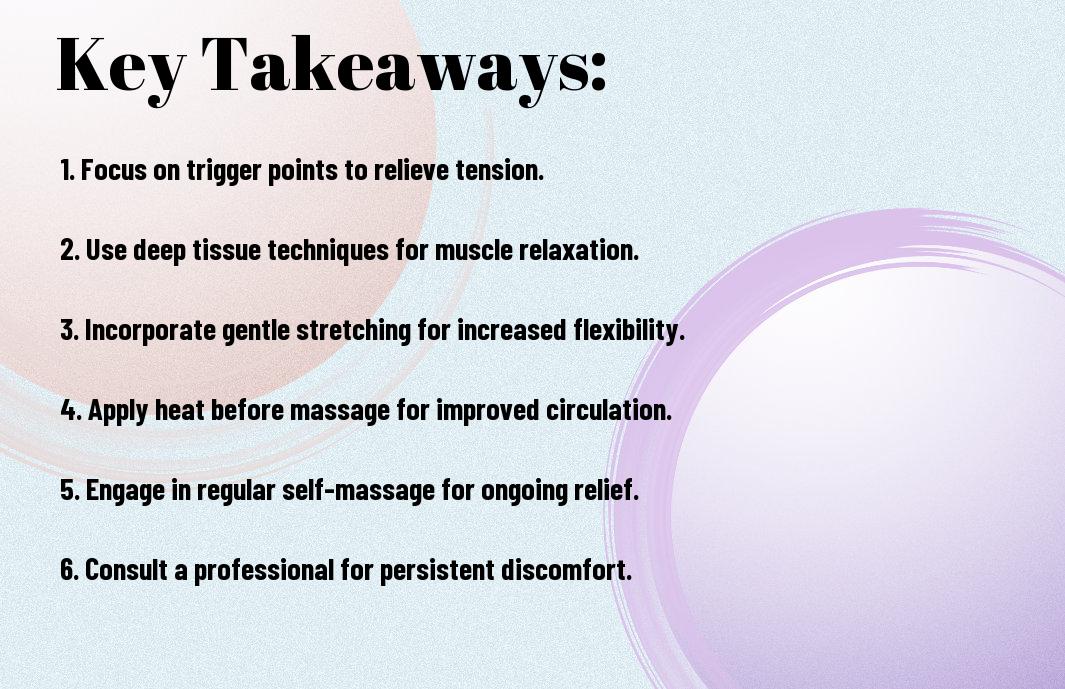
Key Takeaways:

  • Targeted Techniques: Specific massage techniques like deep tissue, trigger point therapy, and myofascial release can effectively alleviate lower back pain.
  • Frequency of Sessions: Regular massage sessions may provide cumulative benefits, leading to improved muscle relaxation and pain reduction.
  • Professional Guidance: Consulting a qualified massage therapist ensures the customization of techniques to address individual pain causes and areas.
  • Complementary Methods: Combining massage with other treatments such as physical therapy or exercise can enhance overall recovery and pain management.
  • Listening to Your Body: It’s important to communicate discomfort levels during a massage to avoid exacerbating pain and ensure a beneficial experience.

Understanding Lower Back Pain

Before you can effectively address lower back pain, it’s crucial to comprehend its nature and impact on your daily life. This discomfort can stem from various sources and may be acute or chronic. Understanding lower back pain helps you identify the best treatment options, including the massage techniques that can alleviate your discomfort and improve your overall quality of life.

Common Causes

With numerous triggers that can lead to lower back pain, identifying the culprit is vital. Common causes include muscle strains, herniated discs, arthritis, poor posture, and prolonged inactivity. Each can create a unique pattern of pain, emphasizing the importance of knowing the origin of your discomfort to pursue the most effective relief strategies.

Symptoms and Diagnosis

Below are several symptoms associated with lower back pain, which may include aching, stiffness, or sharp pain that can radiate down the legs. The severity of symptoms can vary, and seeking a proper diagnosis from a healthcare professional is crucial to determine the underlying causes and explore appropriate treatment options.

Considering the broad range of symptoms, it is vital to recognize when to seek medical advice. If you experience persistent pain, numbness, or weakness in your legs, or if your pain worsens over time, these could be indicators of a more serious condition. A healthcare provider can perform a physical examination and may recommend imaging tests to pinpoint the exact causes, ensuring you receive tailored treatment for effective pain management.

Benefits of Massage for Lower Back Pain

Clearly, massage therapy can offer significant relief for individuals suffering from lower back pain. By targeting tension and discomfort in the muscles surrounding the spine, massage promotes relaxation and improves blood circulation, ultimately aiding the healing process. Regular massage not only alleviates pain but also enhances flexibility and promotes overall well-being, allowing you to engage more actively in your daily activities without discomfort.

Physiological Effects

Effects of massage on your body include reducing muscle tension and spasms, enhancing circulation, and increasing the production of endorphins. These physiological responses promote a more relaxed state, relieving the tightness that often contributes to lower back pain. Improved blood flow also ensures that vital nutrients reach your muscles, accelerating recovery and reducing inflammation.

Psychological Benefits

On a psychological level, massage can significantly reduce stress and anxiety, which are often linked to chronic pain. The calming effects of massage allow you to enter a state of relaxation, enhancing your mood and increasing overall feelings of well-being. With reduced stress, you may find your perception of pain diminishes, leading to a more positive outlook on managing your lower back discomfort.

And not only does massage provide immediate pain relief, but it also fosters a deeper connection with your body. By focusing on areas of tension, you become more aware of your bodily sensations and emotional responses. This mind-body awareness can empower you to better manage your pain and explore other coping strategies, enhancing your overall mental resilience in the face of discomfort.

Popular Massage Techniques

For those dealing with lower back pain, various massage techniques can provide relief and improve your overall well-being. The most effective methods, such as Swedish Massage, Deep Tissue Massage, and Trigger Point Therapy, offer different approaches to alleviate pain while promoting relaxation and rejuvenation.

Swedish Massage

Between gentle strokes and kneading, Swedish Massage is designed to promote relaxation and enhance blood flow. This technique is particularly effective for loosening tight muscles in the lower back, allowing for improved flexibility and ease of movement.

Deep Tissue Massage

The Deep Tissue Massage technique focuses on realigning deeper layers of muscles and connective tissue. This is especially beneficial for targeting chronic pain and muscle tension in the lower back, providing a thorough and effective release of tightness.

Even though this technique may involve more pressure than other styles, you will appreciate the profound sense of relief it brings. As your therapist works through the layers of muscle, they can help release chronic knots and tension, resulting in both immediate relief and long-term benefits.

Trigger Point Therapy

An effective method for addressing specific pain points, Trigger Point Therapy focuses on areas of tight muscle fibers that can cause discomfort in other regions. This targeted approach can provide significant relief from lower back pain by releasing tension stored in related muscles.

Massage therapy techniques employed in Trigger Point Therapy can help you identify and address the underlying issues in your body. By working directly on these tight points, you can alleviate both local pain and the radiating discomfort that often accompanies muscle tension, leading to a more balanced and pain-free experience.

Self-Massage Techniques for Relief

After a long day, self-massage can be an effective way to alleviate lower back pain. By utilizing simple techniques, you can target tense muscles and promote relaxation. Incorporating self-massage into your daily routine can help improve your overall well-being while reducing discomfort and enhancing mobility.

Foam Rolling

One effective self-massage technique is foam rolling, which targets muscle knots and enhances blood flow to your lower back. By rolling on a foam roller, you can apply pressure to tight areas, helping them relax and relieve tension. Start slowly and gradually increase pressure as needed for best results.

Manual Techniques

Beside foam rolling, you can also use manual techniques to relieve lower back tension. Simple methods such as kneading or applying pressure with your fingers, palms, or a massage tool can be quite effective. Focus on the lumbar region and the surrounding muscles for optimal relief.

This method not only releases tightness but also improves circulation in the affected area. You can use your thumbs to perform circular motions along the muscles on either side of your spine. Additionally, pressing into tight spots with your fingers for a few seconds can further help to reduce discomfort and enhance your mobility. Finally, combining these techniques with deep breaths will maximize relaxation during your self-massage session.

When to Seek Professional Help

To effectively manage lower back pain, you should know when it’s time to seek professional help. If your pain persists beyond a few weeks, worsens, or is accompanied by other troubling symptoms such as numbness, weakness, or changes in bowel or bladder function, it’s important to consult a healthcare professional. Early intervention can prevent further complications and allow you to explore appropriate treatment options tailored to your needs.

Identifying Serious Issues

Behind persistent lower back pain, there could be serious underlying issues that require immediate attention. Conditions such as herniated discs, fractures, or infections may present with alarming symptoms, making it imperative to seek professional evaluation if you experience intense pain, loss of mobility, or any neurological symptoms. Addressing serious issues promptly can lead to more effective treatment and recovery.

Choosing the Right Massage Therapist

Between various massage modalities available, selecting the right therapist can significantly impact your recovery from lower back pain. Look for therapists who specialize in treating musculoskeletal issues and have relevant experience. Check their credentials and consider seeking recommendations or reading reviews to ensure they have a solid reputation in addressing back pain specifically.

Identifying the right massage therapist involves assessing their qualifications and skills. Look for therapists who demonstrate a thorough understanding of the anatomy and techniques that target lower back pain. Engaging in an initial conversation where you describe your concerns and treatment goals can also help establish whether this therapist suits your needs. A collaborative relationship with your massage therapist can enhance the effectiveness of your treatment and contribute to your overall well-being.

Safety Tips for Massage

Now, before you start any massage technique for lower back pain, keep these safety tips in mind:

  • Always consult a healthcare professional if you have chronic pain.
  • Avoid massaging areas with open wounds, rashes, or infections.
  • Listen to your body and stop if you feel any discomfort.
  • Ensure you use proper body mechanics to avoid injury.

The well-being of your body should come first.

Contraindications

By understanding contraindications, you can avoid potentially harmful situations. Conditions like fractures, severe osteoporosis, or recent surgeries are reasons to refrain from massage. If you have any unresolved medical issues, consult your healthcare provider to ensure you’re safe to proceed.

Best Practices for Comfort

Beside choosing the right technique, your comfort during the massage is necessary. Make sure the environment is conducive to relaxation by keeping the room at a comfortable temperature and minimizing distractions.

Indeed, a comfortable setting can significantly enhance your massage experience. Consider using soft lighting and calming music to create a soothing atmosphere. Ensure that your massage surface is supportive, and use pillows or cushions for added comfort. You should also communicate openly with your therapist about any preferences you have regarding pressure or technique. This way, you can maximize the benefits of your massage while minimizing any discomfort.

Summing up

Drawing together the insights on massage techniques for lower back pain, it’s necessary to understand how various methods can effectively alleviate discomfort. By employing techniques like Swedish massage, deep tissue methods, or trigger point therapy, you can enhance blood circulation, release muscle tension, and promote relaxation in your lower back. Incorporating these techniques into your self-care routine not only helps manage pain but also improves your overall well-being. So take the time to assess what works best for you and create a personalized approach to alleviating your lower back issues.

FAQ

Q: What are the most effective massage techniques for relieving lower back pain?

A: Several massage techniques can be effective for alleviating lower back pain. Some of the most recommended methods include:

  • Swedish Massage: This technique uses long, flowing strokes combined with kneading and circular movements to enhance relaxation and improve circulation in the lower back.
  • Deep Tissue Massage: Focused on deeper layers of muscle and connective tissue, this method targets tension in the lower back, helping to alleviate chronic pain and stiffness.
  • Trigger Point Therapy: This involves applying pressure to specific points in the muscles that are taut and tender, releasing tension and reducing pain in the lower back.
  • Myofascial Release: This technique focuses on the fascia—the connective tissue surrounding muscles—promoting greater flexibility and reducing pain by addressing tightness in the lower back.

Q: How often should I get a massage to help with lower back pain?

A: The frequency of massages for lower back pain can vary depending on the severity of the condition and individual needs. Generally, it is advisable to start with sessions once a week for 4-6 weeks, which can help to break the pain cycle. Afterward, frequency can be adjusted based on how your back responds. Some people benefit from biweekly or monthly sessions to maintain relief and prevent new issues. Always consult with a licensed massage therapist for personalized recommendations based on your situation.

Q: Can I perform self-massage techniques at home to alleviate lower back pain?

A: Yes, self-massage can be a helpful way to alleviate lower back pain. Here are a few techniques you can try at home:

  • Foam Rolling: Use a foam roller to gently roll out tight areas of your lower back, which can help release muscle tension.
  • Stretching with Massage Balls: Place a tennis ball or a massage ball against a wall, lean into it, and roll it over tight areas on your lower back for targeted relief.
  • Back Self-Massage: Use your hands to apply pressure to your lower back, focusing on sore spots. This can enhance circulation and promote relaxation.

However, if pain persists or worsens, consulting with a healthcare professional is recommended.

The Role of Massage in Managing Migraines

Managing migraines can be challenging, but incorporating massage therapy into your routine may provide significant relief. By understanding how massage influences tension and circulation, you can discover effective techniques to ease your discomfort. This post will explore into various massage styles, their benefits specifically for migraine sufferers, and tips on how to incorporate them into your self-care practices. Explore the potential of massage as a valuable tool in your migraine management plan, allowing you to regain control over your pain and enhance your overall well-being.

Key Takeaways:

  • Reduction of Tension: Massage therapy can help alleviate muscle tension and stress, which are common triggers for migraines.
  • Improved Circulation: Regular massage can enhance blood flow, potentially reducing the frequency and intensity of migraine attacks.
  • Enhanced Relaxation: Massage promotes relaxation and decreases anxiety, contributing to a calming effect on the nervous system.
  • Pain Relief: Targeted massage techniques can provide immediate relief from pain associated with migraines.
  • Holistic Approach: Integrating massage into a migraine management plan can complement other treatments and lifestyle changes for better overall results.

Understanding Migraines

Before stepping into managing migraines, it’s important to grasp what they are. Migraines are intense, often debilitating headaches that can last for hours or even days. They can affect not only your head but also your overall well-being, as they are frequently accompanied by nausea, sensitivity to light and sound, and other symptoms. Understanding the nature of migraines is the first step toward finding effective treatments and relief methods.

Causes and Triggers

Before exploring treatment options, identifying potential causes and triggers for your migraines is necessary. Various factors can contribute to the onset of migraines, including hormonal changes, stress, certain foods, lack of sleep, and environmental stimuli. Keeping a detailed headache diary can help you recognize patterns and pinpoint what exacerbates your condition.

Symptoms and Phases

Against the backdrop of understanding migraines, it’s necessary to recognize the symptoms and phases they undergo. Migraines typically progress through four phases: prodrome, aura, headache, and postdrome. Each phase presents different symptoms, from subtle changes in mood or energy to severe pain and exhaustion following an attack.

In fact, during the prodrome phase, you might experience mood swings, fatigue, or cravings, serving as your body’s warning that a migraine is approaching. The aura phase can involve visual disturbances or sensory changes, indicating that pain is imminent. When the headache phase occurs, it can be intense and debilitating. Finally, the postdrome phase often leaves you feeling drained and mentally foggy, making it difficult to return to your daily activities. Understanding these phases can enhance your ability to manage your migraines more effectively.

The Science Behind Massage Therapy

Clearly, massage therapy is rooted in scientific principles that highlight its efficacy in alleviating migraine symptoms. Research shows that massage can influence the body’s neurochemistry, significantly lowering levels of cortisol and enhancing the production of serotonin. These changes can lead to reduced pain and diminished migraine frequency, making massage therapy a viable complement to conventional migraine management techniques. Additionally, the physical manipulation of muscles and tissues can improve circulation and relieve tension, further contributing to your overall sense of wellness.

Physiological Benefits

One significant aspect of massage therapy is its physiological benefits. Regular sessions can help alleviate muscle tension, reduce inflammation, and improve blood flow, which are all important factors in migraine management. Enhanced circulation ensures that oxygen and nutrients are effectively delivered to your muscles and tissues, supporting recovery and relaxation. Consequently, you may notice fewer episodes of migraine as your body becomes more adept at handling stressors and physical discomfort.

Psychological Benefits

On the psychological side, massage therapy offers noteworthy advantages that can impact your experience with migraines. The soothing nature of massage helps to promote relaxation and alleviate stress, which are often triggers for migraine headaches. Through gentle touch and targeted pressure, you can activate the body’s relaxation response, leading to lower anxiety levels and improved emotional well-being.

Physiological response to massage does not only encompass physical relaxation; it also plays a vital role in your mental state. By engaging in regular massage therapy, you can cultivate mindfulness and enhance your emotional resilience. The tranquil environment during a session encourages introspection, helping you process stressors that may contribute to migraines. Ultimately, addressing both the physical and psychological dimensions of your health can equip you with the tools necessary for better migraine management.

Types of Massage Techniques for Migraines

For effective migraine management, various massage techniques can be employed to alleviate pain and tension. You can explore these options:

  • Swedish Massage
  • Trigger Point Therapy
  • Deep Tissue Massage
  • Aromatherapy Massage
  • Shiatsu Massage

Assume that each technique addresses different aspects of your migraine, offering tailored relief according to your specific needs.

Massage Technique Description
Swedish Massage Gentle strokes to relax and improve circulation.
Trigger Point Therapy Targets tight knots in muscles for pain relief.
Deep Tissue Massage Focuses on deeper layers of muscle and connective tissue.
Aromatherapy Massage Incorporates necessary oils to enhance relaxation.
Shiatsu Massage Uses finger pressure on specific points to relieve tension.

Swedish Massage

On experiencing a Swedish massage, you will find the application of gentle, flowing strokes designed to relax your body and enhance blood flow. This technique helps release muscle tension and promotes overall relaxation, making it an excellent choice for migraine sufferers seeking relief from stress and discomfort.

Trigger Point Therapy

Across the landscape of massage techniques, trigger point therapy stands out for its targeted approach in relieving migraine pain. This method involves applying direct pressure to specific knots in your muscles, which can often be the source of referred pain associated with migraines.

And understanding trigger point therapy can deepen your relief experience. By focusing on areas where muscle tension creates discomfort, you can achieve significant reduction in pain and improve your overall sense of well-being. This precision makes it a valuable tool in your migraine management toolkit, ensuring effective treatment tailored to your specific pain points.

Evidence and Research on Massage Efficacy

To understand the effectiveness of massage in managing migraines, numerous studies have explored its benefits. Research findings indicate that massage therapy can reduce the frequency, intensity, and duration of migraine attacks, providing a non-pharmaceutical option for treatment. By promoting relaxation and improving circulation, massage may help alleviate the tension that often triggers migraines, making it a valuable addition to your management plan.

Clinical Studies

After reviewing various clinical studies, you will find compelling evidence supporting the role of massage therapy in migraine management. Certain trials have reported significant reductions in headache days among participants receiving regular massage treatment compared to control groups. These studies often highlight how massage reduces muscle tension and enhances mood, which can make a substantial difference in your overall experience with migraines.

Patient Testimonials

About the experiences of those who have incorporated massage into their migraine management routine, many individuals share positive outcomes. Patients frequently report feeling more relaxed and less susceptible to migraine triggers after receiving massage therapy. Such testimonials can serve as a motivating factor for you to explore this alternative approach in your quest for relief.

Efficacy of massage as described in patient testimonials is often linked to the subjective experience of relief and well-being. Many individuals express a noticeable reduction in stress levels, describing how regular sessions can create a sense of empowerment in managing their condition. While personal experiences may vary, these accounts highlight the potential of massage therapy in enhancing your quality of life while dealing with migraines.

Integrating Massage into Migraine Management

Unlike many conventional treatments, massage therapy can provide a holistic approach to managing migraines. By incorporating regular massage into your routine, you can help release tension in the muscles, improve circulation, and promote relaxation. This practice not only addresses the physical symptoms associated with migraines but also contributes to a greater sense of overall well-being.

Professional vs. Self-Massage

Professional massage therapy offers the advantage of targeted techniques carried out by trained practitioners who understand your specific migraine triggers and needs. However, self-massage can also be beneficial, providing you with immediate relief and the ability to focus on areas that are most tense. Both options have their place in your migraine management plan.

Recommended Frequency

Against the belief that occasional massage is sufficient, establishing a consistent massage routine can enhance its effectiveness in alleviating migraine symptoms. Aim for sessions once or twice a month to reap optimal benefits.

Migraine management is often most successful with regular attention to muscle tension and stress relief. It’s advisable to consider scheduling a massage at least once every three to four weeks, or even more frequently during migraine flare-ups. This consistent practice can help your body adapt and respond better to massage, decreasing the frequency and intensity of migraines over time.

Precautions and Considerations

Now you should be aware that while massage may provide relief from migraines, it’s important to approach it thoughtfully. Consider your individual health status and the severity of your symptoms before scheduling a session. Being informed about potential side effects and contraindications can help you maximize the benefits while minimizing risks associated with your treatment.

When to Avoid Massage

With certain conditions such as acute migraines, infections, or skin diseases, it may be advisable to avoid massage. If you are experiencing severe pain or other symptoms that accompany migraines, it’s best to consult a healthcare provider before proceeding with any massage therapy. Your safety and well-being should always come first.

Consultation with Healthcare Providers

With any new therapy, you should consult your healthcare provider to discuss your migraines and how massage may fit into your treatment plan. Professional guidance ensures you receive personalized recommendations based on your unique health history and circumstances.

Consequently, having an open conversation with your healthcare provider allows you to explore the potential benefits of massage therapy in managing your migraines while considering any contraindications. This conversation is an opportunity to align your goals with your treatment options. Your provider can offer insights on the most suitable massage styles for you and may even recommend experienced therapists who specialize in headache management. Prioritizing this step will help you on your journey to a more manageable migraine experience.

Summing up

On the whole, incorporating massage into your migraine management routine can provide significant relief and improve your overall quality of life. By reducing muscle tension and promoting relaxation, massage can alleviate some of the triggers associated with migraines. You may find that regular sessions enhance circulation and ease headaches, supporting your journey toward better health. Always consult with a healthcare professional before starting any new treatment, and consider integrating massage therapy as a complementary approach to your migraine management plan.

Q: How can massage therapy help alleviate migraine symptoms?

A: Massage therapy can help alleviate migraine symptoms by reducing muscle tension and improving circulation in the body. Tension in the neck, shoulders, and head can often contribute to the severity of migraines. Through targeted techniques, such as Swedish or deep tissue massage, a therapist can relieve muscle tightness and promote relaxation. Additionally, massage can trigger the release of endorphins, which are natural pain relievers, and may help reduce the frequency and intensity of migraine attacks.

Q: Are there specific massage techniques that are more effective for migraines?

A: Yes, certain massage techniques can be particularly effective in addressing migraines. Trigger point therapy, for example, focuses on specific areas of tension in the muscles that may cause referred pain, such as in the head or neck. Other beneficial techniques include myofascial release, which targets fascia to alleviate pressure points, and craniosacral therapy, which gently manipulates the skull and spine. Combining these techniques can create a tailored approach that addresses individual pain sources and enhances overall relaxation.

Q: How often should someone with migraines seek massage therapy for best results?

A: The frequency of massage therapy for migraine management can vary based on individual needs and the severity of the condition. For some, weekly sessions may be beneficial, especially during acute phases of migraines, while others may find relief with bi-weekly or monthly treatments. It is advisable to consult with a healthcare professional or a licensed massage therapist to establish a personalized treatment plan. Consistency, along with other self-care practices, can contribute to better overall management of migraines.

What Is Massage Therapy A Beginner’s Guide

Beginning your journey into the world of massage therapy can open up new avenues for relaxation and wellness. You might be curious about what massage therapy entails, its various techniques, and how it can benefit your overall health. This guide will provide you with necessary knowledge, helping you understand the basics of massage therapy and its significance in promoting physical and mental well-being. For a deeper investigate the topic, check out Massage Therapy 101: A Beginner’s Guide To What To ….

Key Takeaways:

  • Definition: Massage therapy involves manipulation of the body’s soft tissues, aimed at promoting relaxation and improving physical function.
  • Types: There are various types of massage therapy, such as Swedish, deep tissue, and sports massage, each serving different needs and preferences.
  • Benefits: Massage therapy offers numerous benefits, including stress relief, pain management, and enhanced circulation.
  • Techniques: Practitioners use various techniques like kneading, tapping, and friction to achieve desired outcomes.
  • Training: Proper training and certification are imperative for massage therapists to ensure safe and effective treatment.

Understanding Massage Therapy

For anyone looking to explore the world of wellness, understanding massage therapy is necessary. This holistic practice not only aims to relieve physical discomfort but also enhances overall well-being. You may find various techniques and approaches, each designed to cater to different needs. By learning about the foundations of massage therapy, you can better appreciate its therapeutic benefits and how it may improve your life.

Definition of Massage Therapy

By definition, massage therapy involves the manipulation of soft tissues in your body, including muscles, tendons, and ligaments, to promote relaxation and healing. It incorporates various techniques aimed at relieving pain, reducing stress, and enhancing circulation, ultimately contributing to your overall physical and mental wellness.

History and Evolution

Understanding the history and evolution of massage therapy can deepen your appreciation for this ancient practice. Massage has been utilized for thousands of years, with roots traced back to ancient civilizations such as Egypt, China, and Greece, where it was employed for relaxation, healing, and performance enhancement.

Massage has evolved significantly over the centuries. While ancient techniques focused on basic manipulation of the body, modern advancements in anatomy and physiology have refined these practices. Today, you can explore various styles ranging from Swedish and deep tissue to sports and trigger point massage. This evolution reflects a growing recognition of the mind-body connection and how effective techniques can benefit your physical and mental health.

Types of Massage Techniques

While exploring massage therapy, you’ll encounter various techniques that cater to different needs and preferences. Each technique offers unique benefits, helping you choose the right massage for your experience. Here’s a brief overview of some common styles:

Swedish Massage A gentle technique using long strokes and kneading.
Deep Tissue Massage Focuses on the deeper layers of muscle and connective tissue.
Sports Massage Designed for athletes to enhance performance and recovery.
Aromatherapy Massage Utilizes crucial oils for relaxation and stress relief.
Thai Massage Incorporates stretching techniques to improve flexibility.

Recognizing the variety of massage techniques allows you to make an informed choice that aligns with your wellness goals.

Swedish Massage

Across various massage styles, Swedish massage stands out as one of the most popular methods. It utilizes long, flowing strokes to promote relaxation and improve circulation. This technique is ideal for beginners, as it provides a gentle introduction to the world of massage therapy. You’ll find that it can help alleviate stress, enhance mood, and relieve muscle tension.

Deep Tissue Massage

On the other hand, deep tissue massage targets the deeper layers of muscle and connective tissue. This technique employs slower strokes and firm pressure, making it beneficial for those suffering from chronic pain or muscle tightness. If you experience discomfort in specific areas, deep tissue massage can effectively alleviate these issues.

The primary goal of deep tissue massage is to break down adhesions or knots in the muscle tissue. As a result, it promotes healing and flexibility in affected areas, ultimately enhancing your mobility. If you have tension from long hours at work or strenuous activities, this technique can provide significant relief and improved comfort.

Other Popular Styles

Besides the popular methods already mentioned, various other styles cater to different needs. Techniques such as sports massage, aromatherapy massage, and Thai massage offer unique benefits tailored to specific concerns, from enhancing sports performance to promoting relaxation through crucial oils.

And as you explore these other popular styles, you may discover which techniques resonate best with your preferences. Diving into different massage therapies will allow you to customize your experience, ensuring you receive the relief and rejuvenation you seek. Take the time to experiment with various styles to find the perfect fit for your unique needs.

Benefits of Massage Therapy

To fully appreciate the advantages of massage therapy, it’s vital to understand how it can positively impact your body and mind. Regular sessions can enhance your physical well-being, improve emotional health, and even bolster your mental clarity. By incorporating massage into your wellness routine, you open the door to a plethora of benefits that can elevate your quality of life.

Physical Benefits

An array of physical benefits accompanies massage therapy, including reduced muscle tension, improved circulation, and enhanced flexibility. You may notice significant relief from chronic pain, as well as heightened energy levels due to the body’s improved function. This holistic approach can also support your recovery from injuries, allowing you to return to everyday activities with greater ease.

Emotional and Mental Benefits

Any form of massage can lead to profound emotional and mental enhancements by promoting relaxation and reducing stress. The soothing effects often help elevate your mood and provide a sense of well-being. You may find that regular treatments can significantly lower anxiety levels and improve your overall emotional resilience.

Hence, the emotional and mental benefits of massage therapy are extensive. Regular sessions can help you achieve a clearer state of mind, reducing feelings of anxiety or depression. The tranquility you experience during and after a massage can create lasting changes in your mental outlook and emotional balance. With improved relaxation and stress management, you can navigate life’s challenges more effectively, leading to a more fulfilled and happier existence.

How to Prepare for a Massage

Your preparation for a massage can enhance your experience and relaxation. Start by drinking plenty of water before your appointment to ensure your muscles are hydrated. Arrive a bit early to fill out any necessary paperwork, and take a moment to relax and breathe. Consider wearing comfortable clothing to the session and communicate your needs openly with your therapist for a tailored experience.

Choosing a Therapist

At the outset of your massage journey, selecting the right therapist is key. Research local professionals, pay attention to their specialties, and look for reviews. Ensure the therapist is licensed and qualified, as this can assure you of their skills. A brief conversation beforehand helps clarify your preferences and discomfort areas, ultimately enhancing your relaxation.

What to Expect

With your appointment set, getting familiar with the process can help ease any anxiety. Your therapist will likely discuss your health history and specific areas of tension before starting the session. Expect a tranquil environment, complete with calming music and dim lighting. You’ll undress to your comfort level, usually beneath a sheet or towel for privacy while the therapist works on your selected areas.

Plus, the massage itself may include various techniques, such as Swedish, deep tissue, or trigger point therapy, depending on your needs. You might experience varying sensations from gentle pressure to deeper manipulation as your therapist works on muscle tension. It’s important to communicate throughout the session, adjusting pressure levels and techniques to ensure your comfort and satisfaction.

Potential Risks and Considerations

Many individuals may not be aware that massage therapy, while generally safe, carries certain risks and considerations. It is crucial to be informed about your health conditions and potential allergic reactions to oils or lotions. You should also discuss any recent surgeries, injuries, or medical treatments with your therapist to ensure that the therapy aligns with your needs and does not exacerbate any existing conditions.

Contraindications

About contraindications, there are specific medical conditions and circumstances where massage therapy may not be advisable. These can include recent surgeries, severe bruising, infections, blood clots, or chronic conditions such as cancer. Before booking your session, consult with your healthcare provider if you have any doubts about whether massage is safe for you.

Communicating with Your Therapist

One of the keys to a successful massage experience lies in effective communication with your therapist. Be open about your preferences, any discomfort you feel during the session, and your specific goals for the massage. This dialogue helps your therapist tailor the treatment to your needs and ensures a more enjoyable and beneficial experience for you.

The more you communicate with your therapist throughout your session, the better they can adjust their techniques to suit your comfort level. Sharing information about areas of tension, pressure preferences, or even past experiences with massage can enhance your treatment significantly. Don’t hesitate to ask questions or express any concerns; your therapist is there to support your well-being and create a positive atmosphere for healing.

Frequently Asked Questions

Despite the growing popularity of massage therapy, you may still have questions about its benefits, frequency, and insurance coverage. This section addresses some of the most common inquiries you might have, helping you better understand what to expect from your massage therapy experience.

How often should I get a massage?

On average, you might consider receiving a massage every four to six weeks for maintenance. However, if you are dealing with specific issues such as chronic pain or stress, weekly or bi-weekly sessions could be beneficial. Ultimately, the ideal frequency depends on your individual needs and lifestyle, ensuring you receive the maximum benefits from your therapy.

Is massage therapy covered by insurance?

An increasing number of insurance plans are starting to cover massage therapy, especially when prescribed by a healthcare professional. However, coverage can vary greatly depending on your specific policy and whether the massage therapist is licensed and recognized by your insurance provider.

Indeed, it’s necessary to check with your insurance company to understand the details of your plan regarding massage therapy. Some policies may require a doctor’s referral, while others might offer partial reimbursement. Also, keep in mind that massage therapy is more likely to be covered if it is deemed medically necessary for treatment of specific conditions, such as back pain or rehabilitation post-surgery. Knowing your rights and options will help you make the most of your massage therapy experience without financial stress.

Summing up

Considering all points, massage therapy serves as a rejuvenating practice that can enhance your physical and mental well-being. With various techniques available, you can choose the one that best suits your needs, whether it’s for relaxation, pain relief, or improved circulation. As you explore this therapeutic art, be open to experimenting with different styles and therapists to discover what works best for your body. Ultimately, embracing massage therapy can lead to a healthier, more balanced life.

Q: What is massage therapy and how does it work?

A: Massage therapy is a manual manipulation of soft tissues in the body, including muscles, tendons, and ligaments. The practice aims to improve overall health and wellbeing by alleviating pain, reducing stress, and promoting relaxation. Techniques can vary widely; some focus on deep tissue work, while others may emphasize gentle, soothing strokes. The therapist uses their hands, fingers, forearms, and sometimes even elbows or feet to apply pressure and movement to the targeted areas. This manipulation may increase blood flow, enhance lymphatic drainage, and improve the flexibility of the muscles, leading to a greater sense of overall wellness.

Q: What are the benefits of massage therapy for beginners?

A: For those new to massage therapy, the benefits can be extensive. Key advantages include relief from muscle tension, reduction of chronic pain, and improvement in range of motion. Many beginners find that massage therapy also aids in decreasing anxiety and enhancing mood due to the release of endorphins and relaxation techniques involved. Additionally, massage can now be seen as a preventative measure to support overall health or recovery from injuries. Beginners may experience improved sleep quality and enhanced focus, making massage therapy a valuable addition to their self-care routine.

Q: How should a beginner prepare for their first massage therapy session?

A: Preparing for your first massage therapy session can help ensure a positive experience. Start by researching the type of massage that appeals to you; options include Swedish, deep tissue, sports, and therapeutic massage. Arrive at your appointment a few minutes early to fill out any necessary paperwork and communicate any specific concerns or areas needing attention to your therapist. Wear comfortable clothing and ease into the process by discussing your preferences regarding pressure and technique with the therapist. It’s also beneficial to be open about any medical conditions or sensitivities to create a tailored and safe experience.

The History of Massage – From Ancient Times to Modern Day

Many people are unaware of massage’s rich history, which spans thousands of years and encompasses numerous cultures. As you explore the evolution of massage techniques, you’ll discover how this ancient practice has transformed from its early roots in ancient Egypt and China to the modern therapies we enjoy today. Your journey will reveal how different civilizations utilized touch for healing, relaxation, and enhancing well-being, ultimately shaping the massage practices and modalities available to you in the present day.

Key Takeaways:

  • Ancient Practices: Massage has been utilized since ancient civilizations, including Egypt, China, and Greece, for health and relaxation.
  • Traditional Techniques: Various cultures have developed their own distinct massage techniques, such as Shiatsu in Japan or Ayurveda in India, each with unique philosophies and practices.
  • Holistic Approach: Throughout history, massage has been seen as a holistic treatment, addressing both physical and mental well-being, often integrated with other therapeutic practices.
  • Modern Adaptations: Today, massage therapy has evolved to include a wide range of techniques, from deep tissue to sports massage, catering to specific needs and preferences.
  • Scientific Recognition: Increasing research supports the benefits of massage, leading to greater acceptance and integration into conventional healthcare and wellness practices.

The Origins of Massage

To understand the origins of massage, you must explore its deep historical roots that span thousands of years. This practice has evolved over time, influenced by various cultures and healing traditions. Ancient societies recognized the therapeutic benefits of touch, using techniques that laid the foundation for the modern massage practices you may benefit from today.

Ancient Civilizations and Their Practices

The ancient Egyptians, Greeks, and Chinese each had unique approaches to massage. You’ll find evidence of techniques involving kneading, rubbing, and pressure in hieroglyphs and texts. These early civilizations understood the importance of physical touch in endorsing health and wellness, employing massage to alleviate pain, foster relaxation, and promote overall well-being.

Holistic Approaches in Early Healing

Around the world, holistic approaches to healing emerged, intertwining body and mind. You can see this in the practices of Ayurveda in India and Traditional Chinese Medicine, where massage was seen as part of a larger system of maintaining balance and harmony within the body.

Their methods were not solely focused on physical ailments; these early healers believed that emotional and spiritual well-being were equally significant. You’ll discover that techniques such as acupressure and energy work in Traditional Chinese Medicine addressed the flow of life energy or “Qi” in the body, while Ayurvedic massage incorporated herbal oils to balance bodily energies. This intertwining of physical and spiritual health in early healing practices set the stage for modern holistic approaches you see today.

The Evolution of Massage Techniques

Some of the earliest forms of massage have significantly influenced how techniques have evolved over centuries. As you explore the history of massage, you’ll notice that practitioners have continuously adapted their methods to incorporate cultural practices, advancements in knowledge, and new therapeutic goals. This ongoing evolution reflects a broader understanding of human anatomy and the importance of both physical and emotional well-being.

Traditional Methods Through the Ages

To appreciate the complete evolution of massage, it’s necessary to examine traditional methods from various cultures that have shaped modern practices. These ancient techniques often emphasized holistic healing, using natural elements such as oils, herbs, and even stones. You may find that these time-honored practices laid a strong foundation for contemporary massage therapies.

Influences from Chinese and Indian Medicine

Among the significant contributors to modern massage techniques are the rich traditions of Chinese and Indian medicine. These systems offered unique perspectives that incorporated energy flow and the body’s meridians, which continue to inform practices like acupuncture and acupressure. You can see how these ancient theories regarding energy balance have woven their way into various massage modalities.

Massage, as rooted in Chinese and Indian traditions, emphasizes the significance of energy channels and the interconnectedness of the body and mind. Techniques such as Tui Na and Ayurvedic massage encourage the flow of Qi or Prana, promoting overall health. By understanding these influences, you’ll appreciate how these ancient philosophies have gained relevance in today’s holistic wellness approaches, ultimately enriching your massage experience.

Massage in Western Culture

Your understanding of massage in Western culture reveals a rich tapestry of influences and adaptations throughout history. From ancient Greece, where athletes and warriors relied on massage for recovery, to the establishment of various techniques in modern spas and healthcare settings, the evolution of massage is a testament to its enduring appeal. This journey through time illustrates how massage has been integrated into Western medical practices and leisure, shaping the way you experience and appreciate its benefits today.

Historical Developments in Europe

Around the Renaissance, massage gained prominence in Europe, influencing medical practice and wellness culture. Traditional European massage techniques were documented as physicians began to recognize the benefits of manual manipulation in promoting health and recovery. Influential figures such as Johann Georg Mezger further refined these methods, leading to the classification of massage types that remain relevant in practice today.

The Rise of Physiotherapy and Its Impact

To comprehend the impact of massage, it’s crucial to explore its integration into physiotherapy. As medical science advanced in the 19th and 20th centuries, the methodologies surrounding physiotherapy began to incorporate massage as a fundamental component of rehabilitation, healing, and wellness practices.

Hence, physiotherapy has not only elevated the status of massage but also broadened its application within Western medicine. By combining therapeutic techniques with clinical assessment, physiotherapists ensure that massage is tailored to individual needs, enhancing recovery from injuries and supporting overall physical health. This evolution emphasizes the significance of massage in fostering physical well-being, making it an integral part of contemporary healthcare practices in the West.

Modern Massage Therapies

All forms of massage therapy have evolved significantly over the years, adapting to contemporary needs while retaining core principles. Today, massage therapy is recognized not just for relaxation but also for pain relief, stress reduction, and overall well-being. With advancements in technology and a growing body of research supporting its benefits, modern massage integrates various techniques tailored to individual needs, ensuring therapeutic effectiveness. This holistic approach combines traditional practices with modern knowledge, creating a versatile landscape for those seeking physical and emotional healing.

Popular Techniques Today

Across the globe, several massage techniques have gained popularity, including Swedish, deep tissue, Shiatsu, and Thai massage. Each technique offers unique benefits, catering to different physical conditions and preferences. Whether you seek tension relief, improved circulation, or enhanced flexibility, there’s a style that can suit your personal needs. You may also find that many therapists blend techniques to create customized treatments that target specific issues, providing an experience catered to you.

Integration into Wellness and Medical Settings

Popular now in both wellness and medical environments, massage therapy serves as an adjunct to conventional treatments. You might notice its implementation in rehabilitation centers, hospitals, and spa settings, where it aids in recovery post-surgery and supports mental health. By being part of holistic treatment plans, massage therapy complements physical therapy and other medical interventions.

Also noteworthy is that studies have indicated massage therapy contributes to reducing anxiety, enhancing mood, and alleviating pain, making it a valuable tool in both physical and mental health care. Integration into medical settings allows you to experience these benefits under professional supervision, ensuring a comprehensive approach to healing. By embracing massage therapy, you can enhance your overall health journey and encourage greater relaxation and wellness in your life.

The Science Behind Massage

Now, the science behind massage reveals its profound impact on the body and mind. Research has demonstrated that various techniques stimulate the release of endorphins and oxytocin, hormones that promote relaxation and happiness. Additionally, massage can enhance blood circulation and reduce muscle tension, contributing to overall physical well-being. Understanding these mechanisms can empower you to incorporate this practice into your wellness routine.

Physiological Benefits

Between improved circulation, reduced muscle tension, and enhanced range of motion, the physiological benefits of massage are extensive. As various techniques work on your body, they can help alleviate pain and promote healing by boosting blood flow and lymphatic drainage. This powerful combination fosters a healthier body and supports your recovery from injuries or muscular stress.

Psychological Effects

Benefits of massage extend beyond the physical realm, significantly impacting your psychological well-being. Regular sessions can reduce anxiety and depression, creating a profound sense of calm and relaxation. The intimate nature of massage often fosters a deeper connection between your body and mind, enabling you to let go of emotional stress and gain clarity.

Consequently, many individuals find that incorporating massage into their routine can lead to improved mood and overall mental health. The tranquility often experienced during and after a session provides a much-needed escape from daily stressors, allowing you to reset your mind. This holistic approach not only enhances your emotional state but also enhances your overall quality of life, fostering a strong mind-body connection that supports joy and resilience in your daily activities.

Cultural Variations in Massage

After exploring the roots of massage, you’ll discover how different cultures have shaped its practice. From the Ayurvedic techniques of India to the deep tissue methods in Sweden, each culture offers unique approaches and philosophies. For a deeper insight, you can Brush Up on the History of the Massage Therapy Profession. Understanding these variations enriches your appreciation of this ancient therapy.

Global Practices and Techniques

After evaluating various cultural practices, you’ll find that massage techniques vary remarkably across the globe. In Asia, Shiatsu combines acupressure and stretching, while in the Middle East, hot stone massage employs heated stones for relaxation. These unique methods not only reflect their geographical origins but also cater to the specific wellness philosophies of their cultures.

The Role of Massage in Different Societies

An examination of massage reveals its diverse roles across societies. In many cultures, massage serves therapeutic purposes, alleviating physical pain and promoting mental well-being. In other societies, it plays a ritualistic role, symbolizing healing or community bonding.

Further analysis shows that in several Indigenous cultures, massage is intertwined with spirituality and communal traditions, often performed during ceremonies to foster social connections. In contemporary settings, the practice has evolved into holistic care, addressing both physical ailments and emotional stress. Recognizing these varied roles helps you appreciate how massage adapts to societal needs while maintaining its deep-rooted significance.

To wrap up

Drawing together the rich tapestry of massage history, you can appreciate its evolution from ancient healing practices to the sophisticated techniques used today. Your understanding of this evolution enhances your appreciation of how various cultures have influenced the art of massage, making it a versatile tool for wellness in modern society. Embracing this knowledge allows you to tap into the benefits of massage, informed by centuries of tradition and expertise.

Q: What are the origins of massage therapy?

A: The origins of massage therapy can be traced back thousands of years to ancient civilizations. Evidence suggests that the practice began around 3000 BCE in China, where it was used as a form of healing and therapeutic treatment. The ancient Egyptians also embraced massage, incorporating it into their healing practices as depicted in various hieroglyphics. In Ancient Greece, notable figures like Hippocrates advocated for massage to promote health and wellness. These early practices laid the foundation for what would eventually evolve into modern massage therapy.

Q: How has massage therapy evolved through history?

A: Throughout history, massage therapy has evolved significantly, adapting to the cultural and medical practices of various societies. During the Middle Ages, massage fell out of favor in Europe due to the prevailing beliefs surrounding health and cleanliness. However, it experienced a revival during the Renaissance, with renewed interest in the human body and anatomy. In the 19th century, massage was incorporated into medical education, leading to the establishment of structured methods and techniques. In the 20th century, with the rise of alternative medicine, massage therapy gained mainstream acceptance as a viable form of wellness and rehabilitation. Today, a variety of styles exist, ranging from Swedish to deep tissue, reflecting the diversity of techniques developed over the centuries.

Q: What influence does modern science have on the practice of massage?

A: Modern science has greatly influenced the practice of massage therapy by providing insights into the physiological effects of massage on the body. Research has shown that massage can improve circulation, reduce muscle tension, and promote relaxation, contributing to overall health and well-being. Additionally, scientific studies have explored the psychological benefits of massage, including stress relief and improved mental clarity. With the integration of evidence-based practices, many massage therapists now utilize assessments and treatment protocols that are grounded in scientific understanding. This collaboration between traditional techniques and modern science continues to enhance the effectiveness and credibility of massage therapy in contemporary healthcare.

Skip to content