Massage

Sports Massage vs. Deep Tissue – Which Do Athletes Need

It’s vital for athletes to choose the right type of massage that best suits their needs and performance goals. You may wonder whether a sports massage or deep tissue massage is more beneficial for you. Each type serves different purposes and addresses specific muscle tension and recovery requirements. For a detailed comparison, check out The Difference Between Deep Tissue and Sports Massage. This guide outlines the benefits of both modalities, empowering you to make an informed decision that supports your training regimen.

Key Takeaways:

  • Target Area: Sports massage focuses on specific muscle groups used in athletic activities, while deep tissue massage targets deeper layers of muscle and connective tissues.
  • Purpose: Sports massage aims to prepare athletes for events and enhance recovery, whereas deep tissue is more suited for addressing chronic pain and muscle tension.
  • Technique: Sports massage techniques include stretching and mobilization, while deep tissue uses slower strokes and more intense pressure to release tightness.
  • Timing: Athletes often utilize sports massage pre- and post-event, while deep tissue may be more beneficial during off-season or recovery phases.
  • Personal Needs: The choice between sports and deep tissue massage depends on individual goals, specific muscle concerns, and overall treatment preferences.

Understanding Sports Massage

To appreciate the role of sports massage in athletic recovery and performance enhancement, you need to understand its purpose. Sports massage is specifically tailored for athletes to optimize their physical condition, relieve tension, and aid in the recovery process after intense training or competition. It focuses on the muscles used in your sport, aiming to improve flexibility, reduce soreness, and prevent injuries, making it an necessary part of an athlete’s routine.

Techniques and Benefits

Among the various techniques employed in sports massage, deep strokes, stretching, and trigger point therapy stand out. These methods help to improve circulation, increase range of motion, and promote muscle relaxation. You may experience reduced muscle soreness and enhanced recovery times, allowing you to train more effectively and perform at your best.

Ideal Scenarios for Use

Massage therapy is particularly beneficial before, during, and after sporting events. It helps you prepare your muscles for strenuous activity, alleviates tension from prolonged exertion, and aids in quicker recovery post-competition. Incorporating sports massage into your routine can enhance your overall performance and keep you in optimal physical condition.

Understanding when to use sports massage can greatly enhance your training regimen. Before an event, it prepares your muscles for action, helping to prevent injuries. During competitions, it can alleviate tightness, keeping you agile. Afterward, it supports muscle recovery and reduces soreness, allowing you to bounce back faster. By strategically incorporating sports massage, you allow your body to perform at its peak while minimizing the risk of injury.

Exploring Deep Tissue Massage

You might be wondering how deep tissue massage differs from other types of massage. This technique focuses on the deeper layers of muscle and connective tissue, often targeting chronic tension and pain. Athletes and active individuals prioritize deep tissue massage to aid in recovery, improve flexibility, and reduce muscle soreness, making it an vital component of their wellness routine.

Techniques and Benefits

At its core, deep tissue massage employs slow strokes and deep finger pressure to effectively reach the deeper muscle layers. This method helps release chronic muscle tension, break down scar tissue, and improve blood circulation. The result is not only alleviating pain but also promoting better muscle function, which is particularly beneficial for athletes looking to enhance their performance.

Ideal Scenarios for Use

On a day when you’ve pushed your body to the limit or are recovering from an injury, deep tissue massage can be exactly what you need. Ideal situations include post-intense training sessions, after competing in events, or when dealing with muscle stiffness that interferes with your performance. Deep tissue massage serves as a powerful tool to support your recovery and overall athletic longevity.

Massage therapy can play a significant role in your athletic journey. By integrating deep tissue massage into your regimen, you allow your muscles to recover more efficiently, reducing recovery time between workouts or competitions. It’s particularly advantageous for those who engage in high-impact sports or have experienced injuries, as it specifically addresses tightness and stiffness in the muscles, facilitating a quicker return to peak performance.

Comparing the Two Modalities

Many athletes find themselves choosing between sports massage and deep tissue techniques, each offering unique benefits tailored to different needs. Understanding how these modalities compare can enhance your recovery and performance. Below is a comparison highlighting key aspects of both approaches.

Aspect Sports Massage Deep Tissue
Purpose Enhances recovery and flexibility Focuses on relieving chronic tension
Technique Light to moderate pressure Intense pressure on targeted areas
Duration Short sessions, often pre or post-event Longer sessions for deeper work
Ideal for General maintenance and relaxation Specific issues like muscle knots

Differences in Techniques

For those in pursuit of optimal performance, the techniques applied in each modality set them apart significantly. Sports massage focuses on stimulating blood flow and warmth to promote overall relaxation and flexibility, while deep tissue massage targets deeper muscle layers using more intense pressure. This contrast makes each technique suitable for different scenarios based on your specific needs.

Effectiveness for Athletes

Modalities such as sports massage and deep tissue play distinct roles in an athlete’s recovery regimen. While sports massage excels in enhancing blood circulation and preventing injury, deep tissue massage can alleviate persistent muscle tightness that often comes from rigorous training. Understanding these roles can help you select the appropriate technique based on your training schedule and recovery needs.

The effectiveness of these modalities can also depend on your individual preferences and specific physical demands. Many athletes incorporate both sports and deep tissue massage into their routines to maximize recovery and address distinct muscle issues. By alternating these techniques, you can ensure that not only are you relieving tension but also maintaining your overall performance and flexibility in the long term.
Recommendations for Athletes

For athletes looking to enhance performance and recovery, understanding the benefits of both sports massage and deep tissue massage is necessary. Tailoring your choice to your specific needs can lead to better outcomes in your training and overall well-being. Consider your activity level, any existing injuries, and your body’s response to various massage techniques when making your decision.

When to Choose Sports Massage

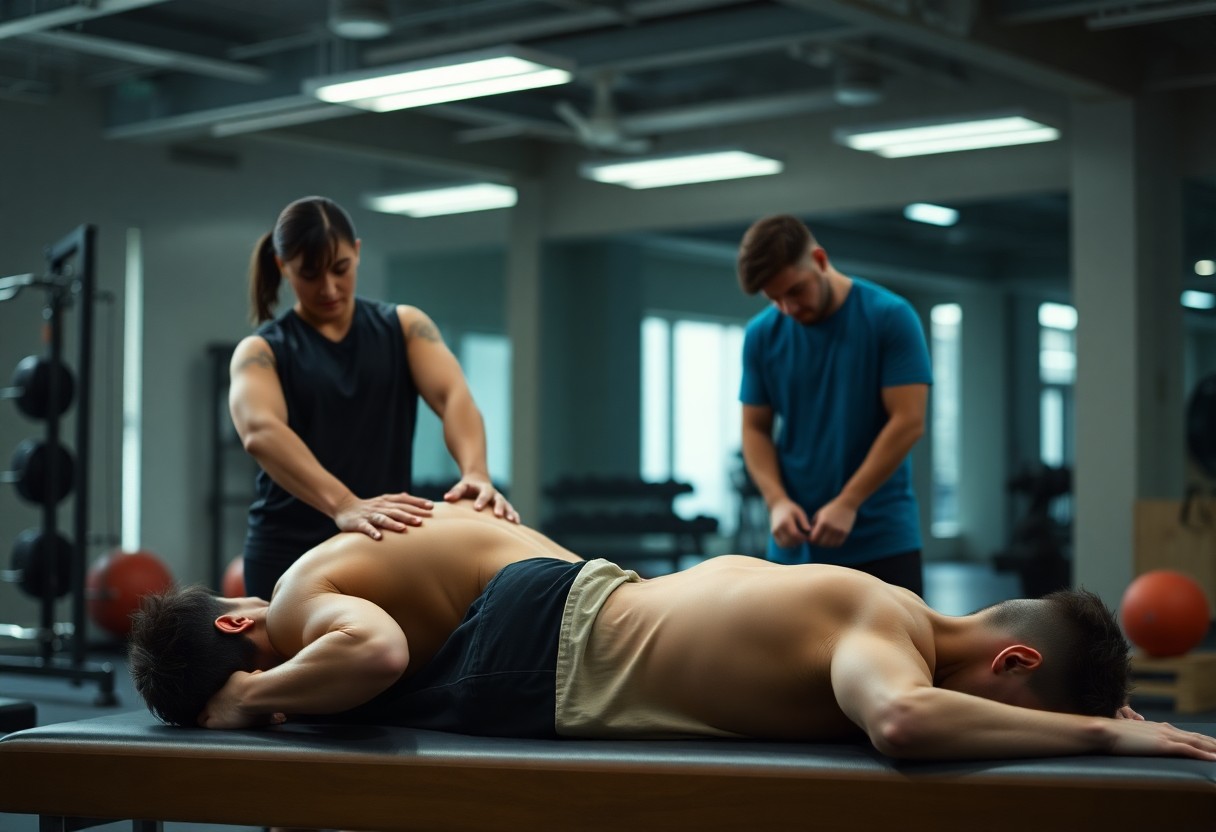
About sports massage, it is ideal for athletes needing muscle recovery, injury prevention, and improved flexibility. This type of massage is particularly effective when performed before or after competitions, helping to warm up muscles or alleviate soreness following an intense session. Incorporating it into your regular routine can enhance your athletic performance.

When to Choose Deep Tissue Massage

Massage therapy focusing on deep tissue work is advantageous when you experience persistent pain or muscle tension. It targets deeper layers of muscle and connective tissue, making it suitable for resolving chronic issues or tackling specific areas of discomfort. If you’re recovering from injury or have high-stress levels in your muscles due to intense training, deep tissue massage may be the right choice.

Hence, incorporating deep tissue massage into your regimen can significantly aid in recovery and relaxation. This massage helps release tight knots and improve circulation, making it beneficial if you regularly train hard or participate in sports requiring repetitive motions. Listening to your body’s signals can guide you in determining when to opt for this type of massage for optimal results.

Common Myths and Misconceptions

Keep in mind that there are several myths surrounding sports massage and deep tissue therapy that can cloud your understanding. One common misconception is that sports massage is only for elite athletes, but anyone engaged in physical activity can benefit. Additionally, many believe that deep tissue massage is synonymous with pain, when in fact, it can be tailored to your comfort level while still providing therapeutic benefits. Understanding these myths will help you make informed choices about your recovery and wellness routines.

Expert Opinions

Unlike many misconceptions, experts advocate for a tailored approach to massage in athletics. Leading physiotherapists and sports coaches emphasize that both sports massage and deep tissue techniques have specific benefits, depending on your individual needs. Sports massage is ideal for enhancing performance and recovery, while deep tissue therapy focuses on alleviating chronic tension and pain. By consulting with a professional familiar with your athletic activities, you can better determine which method aligns with your training regimen and recovery goals, ultimately optimizing your performance and well-being.

Final Words

The choice between sports massage and deep tissue massage ultimately depends on your specific needs as an athlete. If you’re looking to enhance performance and facilitate recovery, sports massage might be more suited to your routine. However, if you’re dealing with chronic muscle tension or injuries, deep tissue massage could provide the relief you need. Assess your body’s signals and consider integrating both techniques into your regimen to maximize your overall athletic well-being.

Q: What are the primary differences between sports massage and deep tissue massage?

A: Sports massage primarily focuses on the specific needs of athletes, helping to enhance performance and promote recovery. It often includes techniques designed to improve flexibility, alleviate muscle tension, and prevent injuries, frequently used before, during, or after sporting events. On the other hand, deep tissue massage targets the deeper layers of muscle and connective tissue, aiming to relieve chronic tension and pain. While it can be beneficial for athletes, it is not specifically tailored to sports-related issues.

Q: How do athletes know which type of massage they need for recovery?

A: Athletes should base their decision on their specific needs and the nature of their activities. If they are preparing for an event or looking for enhanced performance and recovery, sports massage may be more beneficial. Conversely, if they are dealing with persistent pain or muscle tightness, deep tissue massage could provide relief. Consulting with a sports therapist can help determine the most appropriate massage type based on individual conditions and goals.

Q: Can both sports massage and deep tissue massage be beneficial for athletes?

A: Yes, both types of massage can offer unique benefits for athletes. Sports massage can improve circulation, flexibility, and reduce the risk of injury, making it ideal for those who are actively training or competing. Deep tissue massage can address lingering soreness and tension in the muscles, which is helpful for post-training recovery. Incorporating both into an athlete’s routine can help optimize overall performance and maintain muscle health.
Pre-Event and Post-Event Massage Techniques

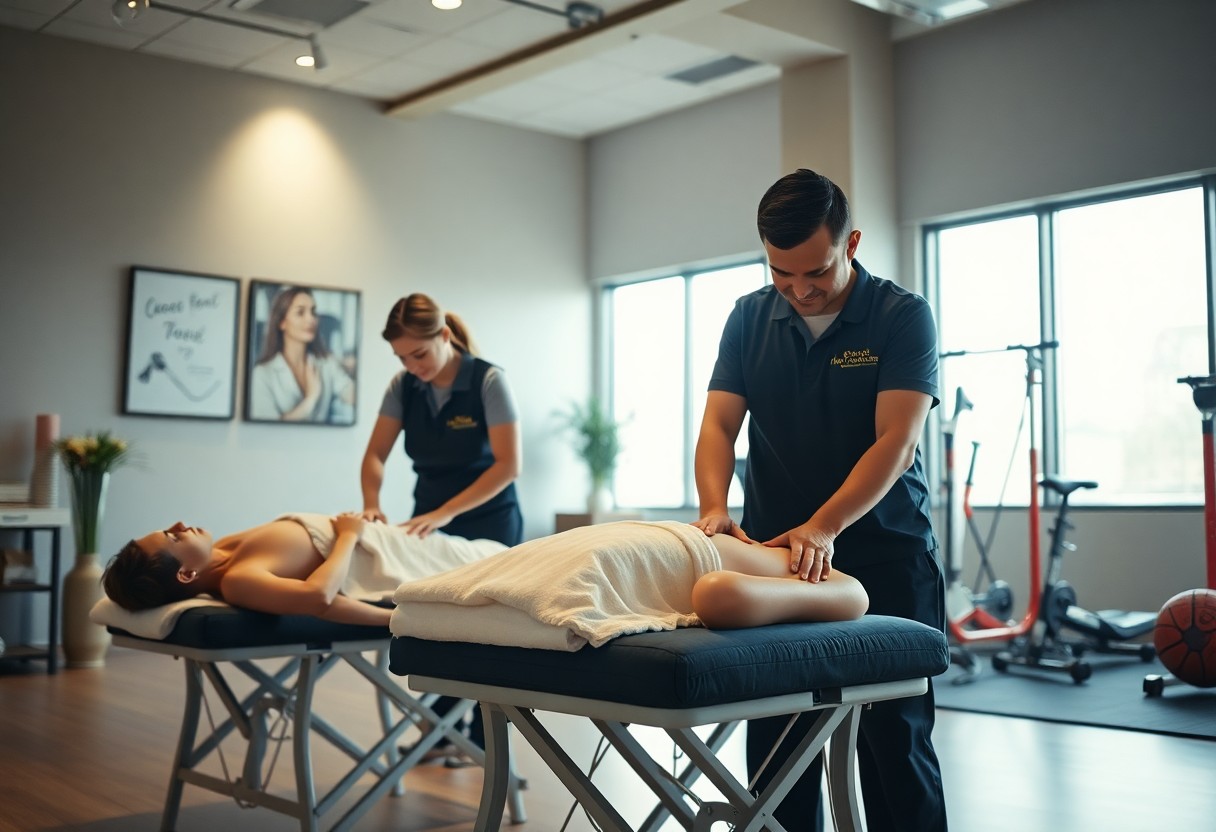
It’s imperative to understand the role of massage in enhancing your athletic performance and recovery. By incorporating pre-event and post-event massage techniques into your routine, you can effectively prepare your body for physical challenges and aid in the recovery process after intense activity. This blog post will explore various massage methods tailored to your needs before and after an event, ensuring you can perform at your best and recover quickly.

Key Takeaways:

  • Pre-Event Techniques: Focus on dynamic stretching and rapid application of pressure to enhance blood circulation and flexibility before a physical event.
  • Post-Event Recovery: Implement gentle techniques such as stroke, kneading, and compression to promote relaxation and assist in muscle recovery after an event.
  • Timing: Schedule pre-event massage about 30 minutes to an hour prior, while post-event massage should occur within two hours after completing the activity.
  • Individual Needs: Tailor techniques to meet the specific needs of the athlete or individual, as preferences and body responses can vary significantly.
  • Hydration: Ensure athletes are well-hydrated before and after massage to facilitate the body’s healing processes and prevent cramps or tightness.

Understanding Massage Techniques

While various massage techniques exist, each serves a unique purpose tailored to your needs. By understanding the distinctions between these techniques, you can better prepare yourself for events or recovery afterward. Knowledge of massage methods empowers you to choose the right approach that aligns with your specific goals, whether enhancing performance or facilitating healing.

Definition and Purpose

With a blend of manual manipulation and targeted pressure, massage therapy aims to relieve tension and improve circulation in your body. Each technique focuses on different muscle groups and offers distinct benefits, allowing you to customize your pre-event warm-up or post-event recovery effectively.

Physiological Benefits

Besides improving your overall physical condition, massage fosters better blood flow and reduces muscle soreness. This not only enhances your athletic performance but also aids in quicker recovery during your post-event phase.

Plus, the physiological benefits of massage extend beyond muscle relaxation. Increased circulation nourishes your cells, while the release of tension lowers stress hormones, allowing for better mental clarity and focus. You may also find that massage improves your range of motion, which is vital for preventing injuries during intense physical activities. By incorporating these techniques into your routine, you can greatly enhance both your performance and recovery periods.

Pre-Event Massage Techniques

Assuming you’re gearing up for a big event, pre-event massage can be a game-changer in optimizing your performance. This special type of massage is designed to enhance blood circulation, improve flexibility, and boost overall muscle readiness before physical activity. By integrating this technique into your pre-event routine, you can reduce tension in your muscles, which may lead to improved performance and a lower risk of injury during the event.

Goals and Timing

Above all, the primary objective of pre-event massage is to prepare you physically and mentally for your upcoming challenge. Ideally, this massage should be administered 15 to 45 minutes before the event to effectively increase circulation and warmth in your muscles. By doing so, you can approach your performance with greater focus and readiness.

Techniques and Applications

Massage techniques utilized in pre-event settings often focus on light to moderate pressure, aiming to stimulate rather than relax your muscles. You can expect methods like effleurage, kneading, and joint mobilization to be applied to enhance muscle elasticity and range of motion. These actions not only prepare your muscles but also help in mental conditioning, making you feel more energized and confident.

The techniques used in pre-event massage should be tailored to your specific needs and the type of event you are participating in. For example, a runner may benefit from focused work on their legs, while a swimmer might require attention on their shoulders and back. By addressing the specific muscle groups that will be engaged during your event, you can maximize the benefits of the massage, ensuring that you feel agile and prepared when it’s time to perform.

Post-Event Massage Techniques

Despite the satisfaction of completing an event, your body requires focused care afterward. Post-event massage techniques help alleviate tension, reduce soreness, and promote overall recovery. By prioritizing these techniques, you can ensure your muscles heal effectively, enhancing your readiness for future challenges.

Recovery Objectives

On recognizing the need for recovery, your primary objectives should include reducing muscle tightness, preventing potential injuries, and enhancing circulation. These goals will help you bounce back more effectively, allowing you to perform at your best in the next event.

Methods and Best Practices

Recovery through massage involves various methods tailored to your specific needs. Techniques such as Swedish massage, myofascial release, or deep tissue massage can be effective in relieving muscle tension. Incorporating stretches post-massage can also enhance flexibility. The key is to listen to your body and adjust pressure and intensity according to your comfort. Following a technique that suits you will facilitate optimal recovery and prepare you for the next challenge.

This personalized approach ensures that your post-event massage not only alleviates discomfort but also aids in muscle relaxation and restoration. Techniques like compression, gentle stretching, and targeted pressure can significantly enhance blood flow and expedite recovery. It’s necessary to tailor your massage style based on your individual soreness levels and areas of concern, allowing you to maximize the benefits of the session. By making post-event massage a regular practice, you can maintain peak physical condition and embrace your next event with confidence.

Comparing Pre-Event and Post-Event Massage

To understand the key distinctions between pre-event and post-event massage, it is beneficial to analyze their unique purposes and techniques. The table below highlights these differences, allowing you to choose the right approach for your needs.

Pre-Event Massage Post-Event Massage
Focuses on preparation and stimulation. Emphasizes relaxation and recovery.
Typically shorter in duration. Usually longer to address fatigue.
Utilizes quick, energizing techniques. Incorporates gentle, soothing strokes.

Key Differences

One primary difference between these massage types is their intent. Pre-event massage is designed to invigorate your muscles and stimulate circulation, while post-event massage aims to alleviate soreness and promote relaxation in your body after exertion.

When to Use Each Technique

When deciding on which massage to utilize, consider your activities. Pre-event massage is best suited before competitions or intense workouts to help energize you. In contrast, post-event massage is ideal after physical activities, as it aids in recovery and helps you return to your normal state.

At various stages of your athletic journey, the timing of each massage is imperative. Pre-event techniques prepare you for peak performance, ensuring your muscles are primed and responsive. After your activity, post-event massage plays a pivotal role in easing muscle tension and reducing recovery time, allowing you to perform consistently at your best in future events.

Incorporating Massage into Training Regimens

Not only can massage enhance your training routine, but it can also expedite recovery and improve performance. By integrating regular massage sessions into your regimen, you can alleviate muscle tension, increase flexibility, and foster a mind-body connection that is vital for peak physical performance. Embrace this holistic approach for a well-rounded training experience that targets both physical and mental well-being.

Scheduling and Frequency

Massage should be strategically scheduled within your training regimen to maximize its benefits. Ideally, you should incorporate sessions before and after intense training days or competitions. A general guideline is to aim for a massage once every one to two weeks, adjusting based on your activity level and personal recovery needs, helping you stay limber, relaxed, and ready to perform.

Selecting the Right Therapist

Around choosing a therapist, consider their qualifications and specialties to match your specific needs as an athlete. Look for licensed professionals with experience in sports massage or physical therapy, as they’ll have the expertise to address the unique demands of your training and competition. Finding a therapist who understands your athletic goals can significantly enhance the benefits you receive from each session.

Due to the wide range of skills and approaches employed by massage therapists, selecting the right one for your needs is vital. Prioritize therapists who have a solid understanding of sports physiology and can tailor their techniques to your sport or physical activity. Reading reviews, seeking recommendations, and conducting initial consultations can help ensure you find a therapist compatible with your personal goals and preferences. This tailored approach will lead to more effective and beneficial sessions that align with your training regimen.

Common Myths About Massage

Once again, misconceptions about massage abound, leading many to overlook its benefits or misunderstand its effectiveness. Some believe that massage is just a luxury or only for the injured; however, it serves a wide range of purposes, from relaxation and stress relief to enhancing athletic performance. Understanding the truth behind these myths can help you make informed decisions about incorporating massage into your wellness routine.

Misconceptions and Clarifications

Against popular belief, you do not need to be in pain to benefit from massage therapy. Many people think it’s only for those suffering from injuries, but regular sessions can promote better overall health and well-being. Additionally, the idea that deeper pressure is always better is misleading; your therapist should always tailor the pressure to your comfort level and specific needs.

Evidence-Based Insights

About the science behind massage therapy, numerous studies have demonstrated its positive effects on physical and mental health. Research indicates that massage can lower cortisol levels, improve circulation, and even enhance immune function. Understanding these evidence-based insights can help you appreciate how massage contributes to your holistic wellness.

In fact, many scientific studies reveal that regular massage therapy may enhance muscle recovery and improve flexibility. A study published in the Journal of Athletic Training found that athletes receiving post-exercise massage reported reduced muscle soreness and improved range of motion. This evidence supports the idea that incorporating massage into your routine can significantly enhance your recovery, making it a valuable tool for both athletes and those simply seeking to improve their overall health.

Summing up

The application of pre-event and post-event massage techniques can significantly enhance your athletic performance and recovery. By incorporating these strategies into your routine, you can prepare your body for optimal performance and promote healing afterward. Understanding the right timing and techniques can make a difference in your mobility and muscle recovery. For a deeper examine these practices, check out The Athlete’s Guide To Pre- And Post-Event Massage.

FAQ

Q: What are Pre-Event Massage Techniques and how do they benefit athletes?

A: Pre-event massage techniques are designed to prepare the body for physical activity. This type of massage typically involves lighter strokes and dynamic movements that help to warm up the muscles, increase blood circulation, and enhance flexibility. The primary benefit is that it can help athletes feel more energized and ready to perform, reduce muscle tension, and improve overall range of motion, potentially leading to better performance and reduced risk of injury during the event.

Q: How does Post-Event Massage differ from Pre-Event Massage?

A: Post-event massage focuses on recovery after physical activity. Unlike pre-event techniques, which aim to energize and prepare the body, post-event massage uses slower, deeper strokes that help to alleviate muscle soreness, promote relaxation, and facilitate the removal of metabolic waste from the muscles. This recovery massage can reduce stiffness, improve circulation, and accelerate the healing process, making it an necessary component of an athlete’s post-competition routine.

Q: What techniques should I expect during a Post-Event Massage session?

A: During a post-event massage, you can expect a variety of techniques designed to promote muscle recovery. These may include myofascial release, deep tissue techniques, and gentle stretching to help Release tension in the muscles. Therapists often focus on areas that are known to be common sources of soreness, such as the legs, back, and shoulders. The session aims to provide relief and speed up recovery by improving blood flow and preventing the onset of delayed onset muscle soreness (DOMS).

Stretching and Massage – The Perfect Duo for Recovery

Over time, your body bears the brunt of physical activity, leading to tension and soreness that can hinder your performance. By incorporating both stretching and massage into your recovery routine, you can significantly enhance your overall well-being. These complementary practices work in harmony to alleviate muscle tightness, improve flexibility, and promote relaxation. In this blog post, you’ll discover how stretching and massage together can optimize your recovery process, helping you feel revitalized and ready to take on your next workout or activity.

Key Takeaways:

  • Improved Flexibility: Stretching helps to enhance overall flexibility, reducing the risk of injury and promoting a greater range of motion.
  • Enhanced Circulation: Both stretching and massage promote increased blood flow, aiding in the delivery of nutrients to muscles and speeding up recovery time.
  • Muscle Tension Relief: Massage effectively alleviates muscle tension, while stretching complements this by lengthening the muscle fibers and relieving soreness.
  • Stress Reduction: Engaging in both practices can lower cortisol levels, leading to decreased stress and fostering a sense of relaxation.
  • Holistic Recovery: Combining stretching and massage addresses both physical and mental aspects of recovery, promoting overall well-being.

The Benefits of Stretching

Before you engage in any physical activity, incorporating stretching into your routine can significantly enhance your overall performance and recovery. Stretching improves circulation throughout your muscles, promoting better oxygen and nutrient delivery. By making stretching a regular practice, you can optimize your body’s range of motion and decrease the risk of injury, allowing you to train harder and recover more efficiently.

Enhancing Flexibility

Beneath the surface of stretching lies its ability to enhance your flexibility. Improved flexibility enables your muscles and joints to move more freely, which leads to better performance during workouts and everyday activities. Regular stretching can help you achieve greater muscle length, resulting in smoother movements and reduced stiffness.

Reducing Muscle Tension

Tension often builds up in your muscles due to stress, overuse, or poor posture. By incorporating stretching into your routine, you can alleviate this tightness and promote relaxation throughout your body.

Consequently, stretching allows your muscle fibers to lengthen and relax, which can help diminish the physical effects of stress and tension. This reduction in muscle tension not only enhances your comfort levels but also improves your overall mobility. Engaging in regular stretching can also promote better posture, reducing the likelihood of discomfort or pain associated with tight muscle groups. By prioritizing stretching, you contribute to a healthier, more balanced body.

The Role of Massage in Recovery

If you’re looking to enhance your recovery, massage is an crucial component to consider. This method not only provides relaxation but also plays a significant role in reducing tension and promoting overall wellness. By incorporating massage into your recovery routine, you can experience relief from discomfort and improve your body’s healing processes, all while achieving a better balance in your physical performance.

Alleviating Soreness

An effective massage technique can significantly alleviate muscle soreness after a workout. By working through knots and tension, massage helps to break down lactic acid build-up in your muscles, allowing you to feel more comfortable and prepared for your next session.

Improving Circulation

Circulation is greatly enhanced through consistent massage therapy. As the therapist applies pressure to your body, it stimulates blood flow, delivering oxygen and nutrients to your muscles more efficiently.

This improved circulation aids in the removal of metabolic waste, further facilitating muscle recovery. As blood flow increases, it brings crucial nutrients to the areas that need it most, helping to repair damaged tissues and speed up the healing process. Incorporating regular massage sessions into your routine can dramatically improve your overall recovery time and promote better athletic performance.

Combining Stretching and Massage

For optimal recovery, integrating stretching and massage into your routine can significantly enhance your overall performance. These two practices not only complement each other but can also boost flexibility and circulation, ultimately reducing the risk of injury. To learn more about how to effectively combine these techniques, check out Melbourne Marathon & Massage: The Perfect Duo for ….

Timing and Technique

An effective combination of massage and stretching is all about timing and technique. Ideally, you should incorporate stretching before and after a massage to prepare your muscles and maximize relaxation. This strategic pairing allows your body to gradually release tension, enhancing the benefits of both practices.

Individualized Approaches

For the best results, personalized approaches are vital when integrating stretching and massage into your routine. It’s important to consider your specific needs, fitness levels, and goals while tailoring these practices to suit your body’s requirements.

And as you explore individualized approaches, you might find it beneficial to consult with a professional therapist who can recommend targeted stretches and massage techniques that address your unique needs. This personal guidance ensures that both methods effectively work together to promote optimal recovery and performance, allowing you to feel your best during workouts and throughout everyday activities.

Best Practices for Effective Recovery

Once again, prioritizing your recovery can significantly enhance your performance and overall well-being. By incorporating a balanced approach of stretching and massage, you not only alleviate muscle tension but also improve flexibility and circulation. To maximize recovery benefits, focus on consistency and follow a well-structured routine that aligns with your physical activities and personal goals.

Frequency and Duration

For optimal recovery, aim to integrate stretching and massage into your weekly schedule, dedicating at least two to three sessions per week. Each session should last about 30 minutes, providing ample time for both techniques to be effective. Adjust the frequency based on your personal activity level and recovery needs, ensuring you prioritize this vital aspect of your fitness regimen.

Integrating into Your Routine

Above all, consistency is key when adding stretching and massage to your routine. Aim to schedule these sessions shortly after workouts when your muscles are warm, as this enhances flexibility and aids recovery. You might consider setting aside specific days exclusively for recovery, allowing you to fully embrace the benefits without feeling rushed.

Duration of your stretching and massage sessions is important to consider when integrating them into your routine. By dedicating 30 minutes to each session, you can establish a structured approach that fits seamlessly with your existing workout patterns. Be sure to listen to your body and adjust your timing based on how you feel after intense physical activities. Prioritizing recovery will ultimately lead to better performance and injury prevention in the long run.

Common Mistakes to Avoid

Not paying attention to the dos and don’ts of stretching and massage can hinder your recovery process instead of helping it. Understanding the common mistakes will empower you to make smarter choices that enhance your well-being and avoid potential setbacks. By being aware of these missteps, you can ensure that you are maximizing the benefits of your recovery routine.

Overstretching

Below the ideal range of motion exists a point where stretching can become counterproductive. Overstretching your muscles can lead to strains or tears, which extends your recovery time. It’s crucial to know your limits and practice stretching within a comfortable range to prevent injury.

Ignoring Pain Signals

Above all, listening to your body is vital. Ignoring pain signals during stretching or massage may lead to severe injuries. Always differentiate between mild discomfort and pain, as pushing through pain can result in longer-term damage.

Consequently, being attuned to your body’s signals enables you to make informed decisions about your recovery. When you feel sharp or persistent pain, it’s your body’s way of indicating that something isn’t right. Heed these warnings by adjusting your routine, seeking professional advice, or resting as needed. Prioritizing your body’s messages lays the foundation for a safe and effective recovery journey.

Case Studies and Expert Insights

Keep exploring the benefits of combining stretching and massage through these compelling findings:

  • Study on athletes showed a 30% improvement in recovery times when massage was combined with daily stretching routines.
  • Survey of 100 fitness enthusiasts found that 75% reported reduced muscle soreness after incorporating both practices into their recovery protocols.
  • Case studies from physiotherapists indicated a 50% decrease in injury recurrence with clients who engaged in consistent stretching and massage therapy.

Real-Life Recovery Stories

One client shared their experience of overcoming chronic muscle tension by integrating stretching and massage into their weekly routine. After just one month, they observed significant improvements in flexibility and a marked reduction in pain, allowing them to return to their favorite activities with ease.

Professional Recommendations

Against the backdrop of your recovery journey, expert advice emphasizes the importance of incorporating both massage and stretching into your routine. Health professionals advocate for personalization in your approach, tailoring techniques to your specific needs for maximum effectiveness.

For instance, physical therapists recommend scheduling regular sessions with a licensed massage therapist while also integrating dynamic stretching before workouts and static stretching after. This combination not only enhances the healing process but also promotes overall muscle health and flexibility. Personalizing your recovery strategy ensures that you achieve optimal results while mitigating the risk of future injuries.

To wrap up

Now that you understand the synergy between stretching and massage, you can enhance your recovery routine effectively. By incorporating both practices, you will improve your flexibility, reduce muscle tension, and accelerate healing. Prioritize your well-being by scheduling regular sessions for both stretching and massage, allowing your body to perform at its best. This perfect duo can lead to a more resilient and relaxed you, ready to tackle any challenges ahead.

FAQ

Q: How does stretching benefit my recovery process?

A: Stretching plays a significant role in enhancing recovery by improving flexibility, increasing blood flow to muscles, and reducing muscle tension. By incorporating regular stretching into your routine, you help to elongate the muscles, which can alleviate soreness and stiffness after physical activity. Additionally, stretching helps to maintain a healthy range of motion in joints, contributing to overall physical performance and decreased risk of injury.

Q: What are the advantages of combining massage with stretching?

A: Combining massage with stretching offers holistic benefits for recovery. While massage helps to alleviate muscle tension and improve circulation, stretching complements these effects by enhancing flexibility and promoting muscle relaxation. This combination facilitates faster recovery times, reduces the likelihood of muscle strains, and improves overall athletic performance. Massage can also help to identify and release tight areas in the body, while stretching helps to maintain that increased flexibility gained from the massage therapy.

Q: How can I integrate both stretching and massage into my recovery routine?

A: To effectively integrate stretching and massage into your recovery routine, consider designating specific times for each practice. After workouts, spend a few minutes engaging in a targeted stretching routine focusing on the muscle groups you’ve worked. Following your stretching, a massage—whether self-administered or professional—can further aid relaxation and recovery. Additionally, you might dedicate rest days to longer massage sessions, focusing on areas that may feel particularly tight or sore. Balancing both methods will enhance your overall recovery experience and support your fitness goals.

How Massage Fits into a Holistic Wellness Routine

Many people seek ways to enhance their overall well-being, and incorporating massage into your holistic wellness routine can be a transformative step. By addressing not only physical tension but also emotional and mental health, massage therapy complements other wellness practices such as nutrition, exercise, and mindfulness. Understanding how massage works in synergy with these elements allows you to create a more balanced approach to caring for your body and mind. Explore the benefits of integrating massage into your self-care regimen and unlock a deeper level of wellness.

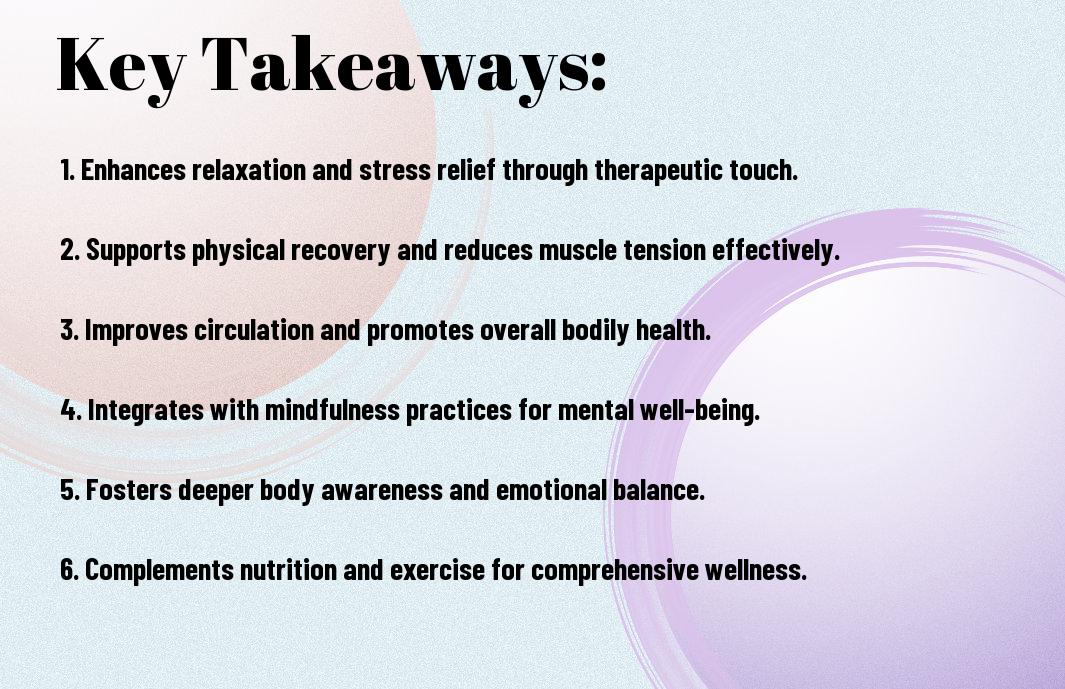
Key Takeaways:

  • Stress Relief: Massage therapy effectively reduces stress levels, promoting relaxation and mental clarity as part of a comprehensive wellness strategy.
  • Enhanced Circulation: Regular massages improve blood flow and circulation, contributing to better overall health and faster recovery from physical exertion.
  • Pain Management: Incorporating massage therapy into a holistic routine can significantly alleviate chronic pain and muscle tension, offering a natural alternative to medication.
  • Mind-Body Connection: Massage fosters a deeper connection between the mind and body, helping individuals become more in tune with their physical and emotional well-being.
  • Improved Flexibility: Regular sessions can enhance flexibility and range of motion, supporting overall physical fitness and reducing the risk of injury.

Understanding Holistic Wellness

While many may view wellness as merely the absence of illness, holistic wellness encompasses a broader spectrum that integrates the physical, emotional, mental, and spiritual dimensions of your life. It encourages a balanced lifestyle, promoting not only physical health but also emotional resilience, mental clarity, and spiritual growth. By embracing holistic wellness, you can cultivate a more fulfilling and harmonious existence.

Definition of Holistic Wellness

Holistic wellness refers to an approach that considers the individual as a whole, emphasizing the interconnectedness of various life aspects—physical, emotional, mental, social, and spiritual. This perspective highlights that well-being is not just about the absence of disease but about thriving and achieving optimal health in every facet of life.

Core Components of Holistic Health

Among the imperative components of holistic health are physical well-being, emotional balance, social connections, mental clarity, and spiritual awareness. Each of these areas contributes to your overall health, highlighting the importance of a multi-faceted approach to wellness.

Wellness involves recognizing that each core component interacts with and influences the others. For instance, engaging in regular physical activity not only improves your bodily health but also enhances your mood and mental sharpness. By nurturing your emotional and social health through meaningful relationships, you build resilience against stress, which in turn supports your physical well-being. Ultimately, achieving a harmonious balance among these elements can lead you to a more enriched and vibrant life.

The Role of Massage in Holistic Health

Some people may overlook massage as a vital component of a holistic health routine. However, it plays a significant role in promoting overall wellness by addressing not just the physical body but also the emotional and mental aspects of your well-being. Incorporating massage into your routine can help create a balanced approach to health, allowing you to thrive in a more holistic manner.

Physical Benefits of Massage

Health professionals widely recognize the various physical benefits of massage therapy. It can alleviate muscle tension, improve circulation, and enhance flexibility, contributing to your body’s overall functionality. Regular sessions can also accelerate recovery from injuries and reduce discomfort in specific areas, helping you maintain a more active and pain-free lifestyle.

Emotional and Mental Wellness through Massage

Massage therapy significantly impacts your emotional and mental wellness. The gentle techniques employed during a session promote relaxation, which can mitigate stress and anxiety. By creating a peaceful environment, massage allows you to connect with your body, fostering a deeper understanding of your emotions.

But the mental benefits of massage extend beyond relaxation. You may find that the soothing effects can lead to enhanced mood and clarity of thought. The release of endorphins during a massage can leave you feeling uplifted, providing a sense of emotional balance that supports your overall mental health. By integrating massage into your wellness routine, you cultivate a space for emotional healing and greater mental resilience.

Integrating Massage into Your Wellness Routine

Many people find that incorporating massage into their wellness routine significantly enhances their overall well-being. By scheduling regular sessions, you can experience both physical and mental benefits, helping to relieve stress, improve circulation, and enhance relaxation. Consider pairing massage with other wellness practices such as yoga or meditation to create a balanced approach to self-care.

Types of Massage Techniques

Types of massage can vary widely, each offering unique benefits to support your wellness routine. Below is a breakdown of some popular techniques:

Technique Benefits
Swedish Relaxation and improved circulation
Deep Tissue Targeted relief from muscle tension
Hot Stone Enhanced relaxation and pain relief
Aromatherapy Stress reduction and emotional balance
Shiatsu Balance energy flow and promote healing

The variety of techniques allows you to choose what best meets your needs and preferences.

Frequency and Timing for Optimal Benefits

Among the keys to maximizing the advantages of massage is understanding its frequency and timing. You should aim for regular sessions, whether weekly or biweekly, to sustain the benefits over time. Listen to your body and adjust based on your lifestyle, stress levels, and any addressing physical issues.

Frequency in your massage schedule can significantly influence its efficacy. Consistency helps your body acclimate to the treatment, promoting deeper relaxation and therapeutic benefits. If you are dealing with high levels of stress or muscle tension, weekly sessions may be more suitable. For routine maintenance or long-term wellness, biweekly or monthly sessions can suffice. Always consider your personal comfort and goals when establishing your frequency, allowing yourself to adapt as necessary.

Choosing a Qualified Massage Therapist

Keep in mind that selecting a qualified massage therapist is vital to maximizing the benefits of your holistic wellness routine. Look for someone who specializes in the type of massage that suits your individual needs, whether that’s deep tissue, Swedish, or another modality. Take your time researching different practitioners, reading reviews, and asking for recommendations to find the right fit for you.

Credentials and Experience

Therapist qualifications often play a significant role in determining the quality of your massage experience. Look for a massage therapist who has completed accredited training programs and holds relevant certifications. Experience matters too; therapists who have worked in various settings tend to be more adaptable and skilled in tailoring sessions to specific concerns. Don’t hesitate to ask about their background and specialties to ensure a secure choice.

Establishing Trust and Comfort

One of the most important aspects of a successful massage is the sense of trust and comfort you feel with your therapist. A positive rapport not only enhances your relaxation but also allows for more effective communication regarding your needs and boundaries.

This trust is built through open dialogue from your first interaction. When you feel comfortable sharing your preferences or concerns, your therapist can adjust techniques to suit your comfort level and therapeutic goals. A compassionate and attentive therapist is key to creating a safe environment where you can fully relax, making your massage sessions more enjoyable and beneficial for your overall wellness journey.

Complementary Wellness Practices

Unlike standalone treatments, integrating massage with complementary wellness practices enhances your overall well-being. By incorporating methods such as nutrition, mindfulness, and physical activity, you can create a balanced approach to your health. These practices work synergistically, helping you to achieve optimal wellness and resilience in everyday life.

Nutrition and Massage

With a focus on nutritional health, you can amplify the benefits of your massage therapy sessions. Consuming a balanced diet rich in vitamins and minerals supports muscle recovery and enhances circulation, allowing your body to respond more effectively to massage. This synergy between nutrition and massage can promote faster healing and increased vitality.

Mindfulness and Stress Management

Nutrition plays a significant role in your emotional and mental health, impacting how you manage stress. When you are mindful of your dietary choices, you can help regulate your mood and energy levels. Practices like meditation and deep breathing techniques can be complemented by massage, creating a holistic approach to stress management that encompasses both body and mind.

For instance, integrating mindfulness meditation before or after your massage can help you fully engage with the experience, promoting deeper relaxation and awareness of your body’s needs. This heightened state of consciousness not only enhances the benefits of the massage but also allows you to better manage stress outside of therapy sessions. By practicing mindfulness, you cultivate resilience and emotional balance, making a lasting impact on your overall wellness journey.

Personalizing Your Holistic Approach

For an effective holistic wellness routine, personalization is key. It allows you to align your practices with your individual needs, preferences, and lifestyle. By integrating various elements that resonate with you, such as nutrition, exercise, and massage, you can create a more balanced and fulfilling approach to wellness. Consider what aspects of your life require more attention and adjust your routine accordingly, ensuring that it serves your unique journey towards well-being.

Assessing Your Unique Needs

Unique to each individual, your wellness needs depend on various factors including your health history, stress levels, and lifestyle. Begin by evaluating how you feel physically and emotionally, pinpointing areas where you seek improvement. Reflect on your daily habits and activities, which can guide you in identifying stressors or imbalances. This assessment will serve as the foundation for tailoring your holistic approach, ensuring that it resonates with your personal wellness goals.

Creating a Balanced Routine

Creating a balanced routine involves incorporating multiple aspects of wellness, including physical, mental, and emotional elements. This balance ensures that you cultivate a well-rounded approach to your overall health. Determine which practices work best for you, whether it’s regular massage sessions, mindful movement, or nutritional adjustments. Emphasizing a variety of activities not only enhances your physical health but also nurtures your mental and emotional well-being, leading to sustainable improvement.

Understanding the importance of balance in your routine encourages you to experiment with different practices, allowing for flexibility and adaptation as your needs evolve. Consider scheduling various activities throughout the week, such as combining massage therapy with yoga and meditation. This approach fosters an engaging and diverse wellness plan that keeps you motivated and open to new experiences. As you discover what resonates most with you, your balanced routine will become an vital pillar of your holistic wellness journey.

Summing up

As a reminder, incorporating massage into your holistic wellness routine can significantly enhance your overall well-being. By addressing physical tension, emotional stress, and promoting relaxation, massage therapy complements other practices like nutrition, exercise, and mindfulness. Prioritizing regular massage sessions allows you to nurture your body, mind, and spirit, helping you achieve a balanced lifestyle. Embrace this healing practice as an integral part of your self-care journey, empowering you to thrive in every aspect of your life.

Q: How does massage therapy contribute to overall well-being?

A: Massage therapy is an integral component of a holistic wellness routine as it promotes physical, mental, and emotional health. Physically, massage helps to alleviate muscle tension, improve circulation, and enhance flexibility. This can lead to reduced pain and improved mobility. Mentally, massage encourages relaxation and stress relief by lowering cortisol levels and increasing serotonin and dopamine, which can enhance mood and mental clarity. Emotionally, receiving regular massage can foster a sense of connection and self-awareness, further supporting an individual’s overall well-being.

Q: Can massage be integrated with other wellness practices?

A: Absolutely! Massage can be seamlessly integrated with various wellness practices such as yoga, meditation, and nutrition. For instance, after a yoga session, massage can help to further release muscle tension and deepen relaxation. Involving massage in a meditation routine can enhance the mind-body connection, allowing for a deeper meditative state. Additionally, the benefits of massage complement a balanced diet by helping the body to recover and absorb nutrients more effectively, facilitating a holistic approach to health. Combining these practices can create a comprehensive strategy for maintaining optimal wellness.

Q: How often should massage be included in a holistic wellness routine?

A: The frequency of massage in a holistic wellness routine can vary based on individual needs, lifestyle, and goals. For general stress relief and maintenance of well-being, scheduling a massage every 2 to 4 weeks may be beneficial. However, for individuals dealing with chronic pain, high-stress levels, or recovering from injuries, weekly or bi-weekly massages could be more appropriate. It’s imperative to listen to your body and adjust the frequency according to your personal wellness goals and how you feel after each session. Consulting with a qualified massage therapist can also provide tailored recommendations.

Combining Massage with Yoga for Ultimate Relaxation

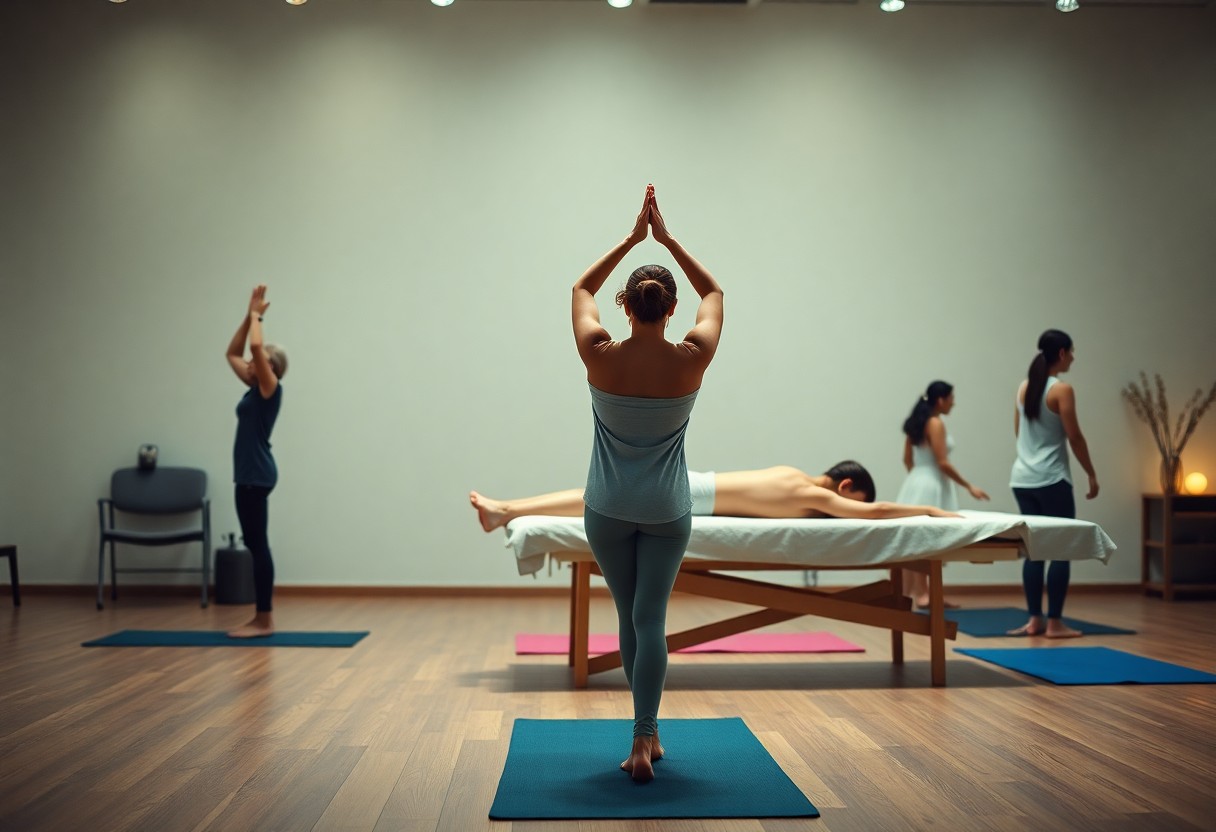
Just imagine enhancing your relaxation routine by merging the soothing benefits of massage with the mindful practice of yoga. This powerful combination not only helps to relieve physical tension but also promotes mental clarity and emotional balance. By integrating these two practices, you can create a holistic approach to wellness that allows you to rejuvenate your body and mind. In this blog post, you’ll discover how to seamlessly blend massage techniques with yoga poses, leading you to an unprecedented level of tranquility and well-being.

Key Takeaways:

  • Enhanced Relaxation: Combining massage and yoga provides deeper levels of relaxation, promoting both physical and mental well-being.
  • Improved Flexibility: Regular practice of yoga increases flexibility, which can be further enhanced through targeted massage techniques.
  • Stress Reduction: The combination helps to effectively reduce stress levels, leading to a more balanced emotional state.
  • Increased Mindfulness: Engaging in both practices encourages mindfulness, helping individuals become more present and aware of their bodies.
  • Holistic Benefits: This integrative approach supports overall health, addressing muscle tension while cultivating a sense of peace and serenity.

The Benefits of Massage and Yoga

Before you launch on your journey to ultimate relaxation, it’s important to understand the combined benefits of massage and yoga. Both practices complement each other by promoting physical healing, enhancing flexibility, and reducing tension. When practiced together, they create a holistic approach to well-being, allowing you to unwind and reconnect with your body and mind. This synergy can help you attain deeper relaxation, increased mindfulness, and a profound sense of balance in your life.

Physical Health Benefits

The combination of massage and yoga provides a multitude of physical health benefits, including improved flexibility, enhanced circulation, and alleviation of muscle tension. You may also experience better posture and reduced pain or discomfort in your joints and muscles. Regular practice fosters a greater awareness of your body, making it easier for you to identify areas in need of attention and care.

Mental and Emotional Advantages

On a mental and emotional level, engaging in massage and yoga can significantly enhance your overall sense of well-being. By incorporating mindful movements and soothing touch, you can reduce stress and alleviate anxiety, promoting a profound sense of relaxation.

Another significant advantage lies in the enhancement of emotional resilience. Both practices encourage present-moment awareness, allowing you to better process emotions and cultivate a peaceful state of mind. You may find that the rhythmic flow of yoga paired with the calming effects of massage helps you release pent-up stress, fostering clarity and emotional stability. This harmonious integration can lead to improved self-esteem and a more positive outlook on life, empowering you to navigate daily challenges with ease.

Techniques for Combining Massage and Yoga

You can elevate your relaxation experience by thoughtfully integrating massage and yoga techniques. By synchronizing the two practices, you cultivate a deeper connection between your body and mind, leading to enhanced wellness. Consider scheduling both activities in tandem, focusing on specific yoga poses that facilitate muscle release while allowing your massage therapist to target tension areas effectively. This harmonious approach not only increases physical relaxation but also contributes to mental clarity and emotional balance.

Integrating Breathwork

Massage can significantly enhance your breathwork practice, allowing for a more profound sense of relaxation. As you receive a massage, focus on your breath, inhaling deeply and exhaling slowly. This conscious breathing helps you stay present and can enhance the overall experience of both the massage and the yoga poses you will practice afterward. By syncing your breath with the rhythm of your body, you’ll be able to release stress more effectively and enhance your overall sense of wellbeing.

Specific Yoga Poses to Enhance Massage

Between your massage sessions, certain yoga poses can amplify the benefits of your treatment. Incorporating gentle stretches and postures such as Child’s Pose, Downward Dog, or Pigeon Pose can open up tight areas and improve circulation, setting the stage for deeper relaxation during your massage. These positions help align your body and target tension points, making your massage more effective in releasing built-up stress.

Plus, these specific yoga poses not only prepare your body for a more effective massage but also help you maintain the benefits afterward. After your session, practicing stretches can assist in keeping your muscles supple and relaxed, reducing the likelihood of tension returning. By committing to this integrated approach, you’re not only improving your immediate relaxation levels but also fostering long-term wellness and flexibility in your body.

Timing and Sequencing: Finding the Right Balance

Unlike a typical yoga class, combining massage and yoga requires careful consideration of timing and sequencing. To achieve ultimate relaxation, you should prioritize the activities that complement each other, allowing your body to transition smoothly from one practice to the next. Tailoring your sessions according to your personal pace will enhance your overall experience, making it imperative to discover what timing works best for you.

Pre-Massage Yoga Warm-Ups

Across various traditions, gentle yoga warm-ups can prepare your body for massage by relieving tension and promoting circulation. Engaging in light stretches and breath work helps to loosen your muscles, making it easier for the therapist to access those tight areas effectively. Focus on poses that open up your major muscle groups to set a calming tone for the upcoming massage.

Post-Massage Restorative Poses

Between your massage sessions, incorporating restorative yoga poses allows your body to integrate the benefits of the massage fully. These gentle stretches provide a supportive environment for your muscles to relax, reducing any residual tension and enhancing your overall state of calm.

Timing these restorative poses right after your massage enhances the relaxation process, allowing you to absorb the therapeutic effects. Poses such as Supta Baddha Konasana or Viparita Karani work beautifully here, offering a soft, grounding experience. Give yourself at least 10-15 minutes in these positions to help foster a deep connection between your body and mind, ensuring you capitalize on the rejuvenation you just received.

Creating the Ideal Environment

After establishing a wellness routine that combines massage and yoga, creating the ideal environment can significantly enhance your relaxation experience. A peaceful and inviting space allows you to fully immerse yourself in the soothing benefits of these practices. Consider the lighting, temperature, and overall ambiance, ensuring that everything aligns with your personal preferences for an optimal experience.

Setting Up a Relaxing Space

For your relaxation experience to be effective, dedicate a specific area in your home to practice yoga and receive massage. Choose a quiet spot free from distractions, where you can easily control the lighting and temperature. Soft mats, cozy blankets, and comfortable cushions will help create a nurturing atmosphere that promotes tranquility and serenity for your body and mind.

Choosing the Right Music and Aromatherapy

One of the simplest yet most impactful ways to elevate your relaxation practice is through carefully selected music and aromatherapy. The right sounds and scents can significantly enhance your overall experience, allowing you to unwind more effectively.

Due to their ability to influence mood, consider incorporating soft instrumental music or nature sounds to complement your practice. Additionally, imperative oils like lavender, eucalyptus, or chamomile can enrich your space. A diffuser can disperse these calming scents throughout your environment, while a candle can create a warm and inviting glow. Together, these elements establish a multisensory experience that deepens your relaxation during massage and yoga sessions.

Common Styles of Massage Compatible with Yoga

Your yoga practice can be enhanced by various styles of massage, each offering unique benefits that complement your physical and mental relaxation. Integrating these massage techniques can heighten your overall experience, helping you achieve deeper relaxation and greater mindfulness. Here are two popular massage styles that work well with yoga.

Deep Tissue Massage

Beside standard relaxation techniques, deep tissue massage focuses on the deeper layers of muscle and connective tissue. This type of massage is particularly beneficial for those who engage in regular yoga practice, as it can alleviate tightness and tension accumulated in the muscles. This allows you to deepen your stretches and enhance your overall performance.

Aromatherapy Massage

Between soothing scents and gentle touch, aromatherapy massage creates a serene environment that promotes relaxation and emotional balance. Utilizing crucial oils, this massage style not only helps you unwind but also boosts your mood, making it an excellent companion to your yoga sessions.

But the benefits of aromatherapy massage extend beyond mere relaxation. The crucial oils used can stimulate your senses, improve your focus, and even alleviate stress or anxiety. By combining these scents with massage techniques, you foster a holistic approach to well-being, perfectly enhancing the meditative state achieved during yoga. Experience the fusion of body and mind through the calming essence of aromatherapy to achieve deeper tranquility.

Incorporating Mindfulness and Meditation

To enhance your relaxation experience, integrating mindfulness and meditation into your yoga and massage routine is crucial. These practices encourage you to be fully present, enabling you to connect deeply with your body and mind. By focusing on your breath and sensations during yoga and massage, you can release tension and promote a sense of peace that lingers long after your session.

The Role of Mindfulness in Relaxation

Behind every moment of relaxation lies mindfulness, which teaches you to cultivate awareness in the present. By practicing mindfulness, you become more attuned to your body’s needs and emotions, allowing you to let go of stress and distractions. This heightened awareness can lead to a profound sense of well-being as you learn to appreciate each experience without judgment.

Guided Meditation Techniques

By exploring guided meditation techniques, you can easily tap into deeper states of relaxation. These methods often involve audio or video instructions that lead you through a meditative journey, helping you visualize calming scenarios or focus on your breath. This guidance can be particularly beneficial for those new to meditation, as it provides structure and support on your path to tranquility.

Further, these techniques can include simple practices such as body scans, where you consciously relax each part of your body, or visualization exercises that transport you to serene landscapes. Engaging in guided meditations for just a few minutes daily can dramatically enhance your overall sense of calm and help you reclaim your inner balance. Whether you prefer recordings or live sessions, incorporating these methods into your routine can create a powerful synergy with your yoga and massage practices.

Conclusion

Taking this into account, combining massage with yoga offers you a unique pathway to ultimate relaxation. This powerful combination not only helps relieve physical tension but also enhances your mental clarity and emotional well-being. By integrating these practices into your routine, you can cultivate a deeper sense of harmony within yourself, leading to a more balanced and fulfilling life. Embrace the synergy of these two healing arts for a comprehensive approach to relaxation and self-care.

Q: How can combining massage and yoga enhance my relaxation experience?

A: Combining massage with yoga can create a holistic approach to relaxation by addressing both the physical and mental aspects of tension and stress. Yoga focuses on breath control and body alignment, promoting mindfulness and presence. When paired with massage, the physical tension within the muscles can be released more effectively, allowing for deeper relaxation. The combination facilitates improved circulation, flexibility, and a heightened sense of well-being, leading to a more complete relaxation experience.

Q: What types of massage are best suited to complement my yoga practice?

A: Several types of massage can enhance a yoga practice, including Swedish massage, deep tissue massage, and Thai massage. Swedish massage is excellent for overall relaxation and gentle muscle engagement, while deep tissue massage targets specific problem areas and helps relieve chronic tension. Thai massage incorporates assisted stretches, making it a great choice for yogis looking to deepen their postures and unlock flexibility. Ultimately, the best type will depend on your personal preferences and specific needs.

Q: Can I practice yoga and receive massage on the same day, and if so, what is the best order?

A: Yes, you can practice yoga and receive a massage on the same day. The optimal order may vary depending on individual preferences and goals. Practicing yoga before a massage can help settle the body and mind, making it easier to receive the benefits of the massage afterward. Alternatively, receiving a massage first can relax tight muscles and enhance your yoga practice by preparing your body for deeper stretches. Listen to your body and choose the sequence that feels most comfortable for you.

Skip to content