Massage

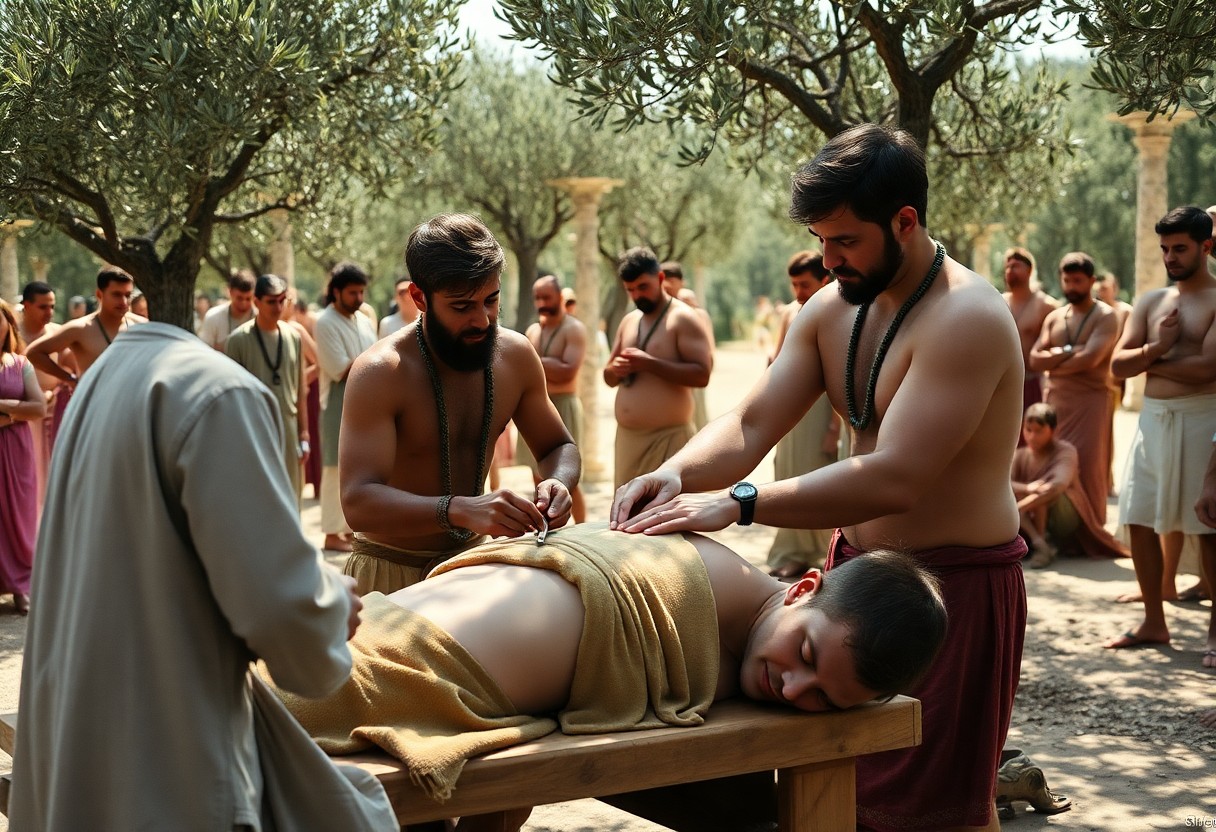
How Massage Therapy Was Used in Ancient Olympics

Just as you immerse yourself in the world of athletics today, the ancient Greeks celebrated physical prowess during the Olympic Games. Massage therapy was an imperative part of their preparation and recovery process. You may be surprised to learn that athletes relied on skilled practitioners to enhance their performance, alleviate muscle tension, and promote healing. This blog post will explore the fascinating role of massage therapy in the Ancient Olympics, shedding light on techniques and traditions that have influenced modern practices.

Key Takeaways:

  • Ancient Greeks valued massage therapy for its physical benefits, helping athletes prepare their bodies for competition.
  • Use of Oils: Massage often incorporated oils and fragrances, enhancing the therapeutic experience and promoting skin health.
  • Recovery was a primary focus; massage was employed post-competition to alleviate soreness and expedite healing.
  • Training Regimen: Regular massage was part of athletes’ training routines, helping improve flexibility and performance.
  • Social Practice: Beyond its physical benefits, massage served as a communal activity, fostering camaraderie among competitors.

The Historical Context of the Ancient Olympics

A vital component of ancient Greek culture, the Olympics began as a religious festival honoring Zeus in Olympia. Featuring athletic competitions among city-states, these games fostered unity and served as a break from warfare. The Ancient Olympics significantly influenced various aspects of life in Greece, including art, politics, and social interactions, establishing a foundation that resonates throughout history.

Origins of the Olympic Games

About 776 BC, the first recorded Olympic Games took place, marking the beginning of a tradition that celebrated athletic prowess. Originally, the games featured running, wrestling, and boxing. Over time, additional events like chariot racing and pentathlon were introduced, reflecting the evolving nature of competition in ancient Greek society.

Cultural Significance of the Games

About the Olympic Games not only showcased athletic abilities but also embodied the Greek ideals of arete (excellence) and kalokagathia (the beauty of moral and physical qualities). You will find that these events were an opportunity for city-states to display their might while fostering a sense of shared identity and culture among the Greeks.

Ancient Greeks viewed the Olympic Games as a celebration of human potential and achievement. They believed that success in athletic competition brought honor not just to the individual, but also to their city-state. The games promoted peace and unity by suspending conflicts during the event, further solidifying their importance in building camaraderie and cultural pride among Greeks from various regions. Understanding this cultural significance deepens your appreciation for the ways in which the Olympics transcended mere sportsmanship.

The Role of Massage Therapy in Athletic Preparation

You may be surprised to learn that massage therapy was an integral part of athletic preparation in the ancient Olympics. Athletes utilized it to enhance performance and recovery, laying the foundation for modern techniques. You can explore the History of Massage Therapy—5000 Years of Natural Healing to gain deeper insights into its significance in ancient sports.

Techniques and Practices Used

Therapy techniques varied widely, from gentle strokes to deep tissue manipulations. Ancient massage practitioners focused on loosening muscles and improving circulation, often employing oils to enhance the treatment process. These methods were tailored to the individual needs of the athletes, ensuring they could achieve peak physical condition for their performances.

Benefits for Athletes

Massage plays a vital role in enhancing athletic performance by reducing muscle tension and soreness. Athletes often experienced improved flexibility and better range of motion, which allowed them to perform at their best during competitions.

Plus, the psychological benefits of massage shouldn’t be overlooked; it aids in relaxation and reduces stress, which are both necessary for optimal performance. By promoting overall well-being, massage therapy helped athletes excel in their disciplines, making it a key element in both preparation and recovery.

The Influence of Greek Philosophy on Massage Therapy

Now, the influence of Greek philosophy played a significant role in shaping massage therapy practices during the ancient Olympics. Philosophers emphasized the importance of mind and body harmony, which promoted the integration of various health practices, including massage. For a deeper understanding of this connection, you can explore The Rich History of Massage Therapy.

Philosophers’ Views on Health and Wellness

Philosophers such as Hippocrates and Galen regarded health as a balanced interplay between physical, mental, and emotional well-being. They believed that incorporating practices like massage enhanced circulation, relieved tension, and ultimately contributed to an individual’s holistic health.

Integration of Massage in Physical Training

Before competitions, athletes utilized massage techniques to prepare their bodies, enhance performance, and speed up recovery. This practice was rooted in the belief that physical training should encompass both strength and relaxation to achieve optimal results.

But the integration of massage into physical training was more than just relaxation; it served as a strategic tool for athletes. By reducing muscle tension and injury risk, athletes could maintain peak performance levels. This pragmatic approach to massage was seen not only as a recovery method but also as a way to promote longevity in their athletic careers, allowing them to push the boundaries of human potential.

Notable Figures and Their Contributions

Unlike many sports today, the ancient Olympic Games thrived thanks to the expertise of notable figures in the world of massage therapy. These individuals, ranging from skilled physicians to dedicated therapists, played a significant role in the well-being of athletes. Their advanced understanding of the body allowed them to develop techniques that enhanced performance and promoted healing, ensuring that competitors could excel on the grand stage of the Olympics.

Ancient Physicians and Therapists

After the rise of the Olympic Games, ancient physicians and therapists emerged as necessary figures in the athletic community. They dedicated their practices to not only treating injuries but also enhancing overall athletic performance through specialized massage techniques. By applying their knowledge of anatomy and healing methods, these professionals became invaluable allies for athletes, helping them achieve their peak physical form.

Prominent Athletes Who Benefited from Massage

Therapists equipped athletes with various massage techniques that greatly improved their performance and recovery. Renowned competitors sought out these experts, believing in the direct impact of massage on their success. The ancient athletes valued these treatments, as they were well aware of the benefits massage offered, such as reducing muscle tension and promoting relaxation, which were critical for maintaining their competitive edge.

It was not uncommon for champions of the ancient Olympics to integrate regular massage into their training regimens. These athletes recognized that consistent therapeutic care allowed them to recover from the physical toll of intense competitions, ultimately leading to improved performance. Iconic figures such as Milo of Croton, known for his strength and feats of endurance, are thought to have utilized massage techniques to optimize their physical condition, highlighting the importance of this ancient practice in the world of athletics.

Comparison to Modern Massage Therapy Practices

Despite the simple techniques used in ancient Greece, modern massage therapy has evolved into a diverse practice incorporating various methods and advanced knowledge of anatomy. This table highlights key distinctions between ancient and contemporary approaches:

Aspect Ancient Olympics Modern Practices
Techniques Basic stroking and kneading Diverse methods, including Swedish and deep tissue
Focus Performance enhancement Therapeutic healing and relaxation
Training Apprenticeship-based Formal educational programs and certifications
Understanding of Anatomy Limited knowledge Comprehensive knowledge of musculoskeletal systems

Continuities and Changes Over Time

Between the ancient practice and today’s methods, some fundamental principles remain the same; however, the understanding of techniques and their effectiveness has changed significantly. While the goal of promoting physical well-being and recovery persists, advancements in research and technology have allowed for more specialized and effective treatments.

Lasting Impact on Sports Medicine

Beside the evolution of techniques, the principles laid down in ancient times continue to influence today’s sports medicine practices. The emphasis on recovery and injury prevention remains at the forefront of athletic training and care.

For instance, the belief in restorative bodywork as a pivotal element in athlete training finds its roots in the practices of ancient Olympians. Modern sports medicine often relies on massage and manual therapies to aid recovery, prevent injuries, and enhance performance. This enduring legacy shapes how you, as an athlete, approach your training, aligning ancient wisdom with contemporary scientific understanding for optimal health and performance.

Cultural Legacy and Evolution of Massage Therapy

Many practitioners and athletes alike can trace their appreciation for massage therapy back to its use during the ancient Olympics. This ancient practice has evolved over the centuries, blending traditional techniques with modern approaches. As you explore into its rich history, you’ll uncover how various cultures adopted and adapted these methods, ultimately shaping the therapeutic techniques we utilize today.

Impact on Later Civilizations

Behind the scenes of ancient Greece, the vital role of massage therapy influenced various cultures, including the Romans, who integrated it into their athletic training and wellness routines. The Greeks’ emphasis on physical fitness and recovery set a precedent, allowing future civilizations to recognize the importance of caring for the body through healing touch, which shaped their own practices and philosophies.

Massage in Contemporary Olympic Games

The integration of massage therapy in modern Olympic Games represents a continuation of ancient traditions, where athletes now prioritize recovery and performance. Recognizing the value of professional massage therapists, you’ll see that they are crucial members of the coaching team, working closely with athletes to enhance their overall well-being.

Consequently, modern Olympians benefit from a sophisticated understanding of massage techniques, which have been refined through research and practice. As you explore the contemporary sporting world, it becomes clear that massage therapy is no longer considered a luxury but rather an integral component of competitive preparation and recovery. With the aim of improving performance, reducing injury, and promoting relaxation, massage remains a testament to its historical significance, adapting to meet the needs of today’s elite athletes.

To wrap up

Ultimately, understanding how massage therapy was utilized in the ancient Olympics can deepen your appreciation for its role in athletic performance. As you explore the rich history of this practice, you see how athletes relied on skilled masseurs to enhance their physical abilities, promote recovery, and maintain peak condition. This timeless tradition continues to influence modern sports, reminding you of the lasting importance of holistic care in achieving athletic excellence.

Q: How was massage therapy utilized by athletes in the Ancient Olympics?

A: In the Ancient Olympics, which began in 776 BCE in Olympia, massage therapy played an important role in the preparation and recovery of athletes. Massage was primarily used to relieve muscle tension, enhance flexibility, and promote relaxation after intense training sessions and competitions. Coaches employed various techniques, including compression and kneading, to help athletes recover faster and maintain peak physical condition. It was common for athletes to have personal trainers, known as ‘paidotribes’, who provided not only coaching but also massage therapy as part of their holistic approach to fitness and performance.

Q: What materials and techniques were used for massage in ancient times?

A: Ancient Greeks used a combination of natural oils and ointments to facilitate massage. Olive oil was particularly favored for its moisturizing properties and ability to reduce friction during manipulation of the muscles. Techniques varied from light strokes to more vigorous rubbing, often inspired by traditions in other cultures such as ancient Egypt. The Greeks valued the combination of sports and health, leading to a strong emphasis on proper technique and the therapeutic benefits of touch as part of an athlete’s regimen.

Q: Were there any beliefs or philosophies regarding massage therapy in Ancient Greece?

A: Yes, the Ancient Greeks had a strong belief in the connection between physical health and mental well-being. They viewed massage as a way to achieve balance in one’s body and mind. Philosophers and scholars, such as Hippocrates, advocated for the use of massage not only as a treatment for injuries but also as a preventive measure to enhance overall health. The Greeks considered the body a temple, and maintaining its health through practices like massage therapy was integral to their philosophy, especially in the context of the competitive environment of the Olympics.

The Role of Massage in Historical Healing Practices

With a rich history that spans thousands of years, massage has played a vital role in healing practices across various cultures. You may find it fascinating to explore how ancient civilizations utilized massage techniques not just for relaxation, but also for alleviating physical ailments and promoting overall well-being. Understanding these historical contexts provides deeper insight into your own wellness journey. For an in-depth look at the origins of this therapeutic practice, check out the History of Massage Therapy: Exploring the Ancient Origins.

Key Takeaways:

  • Ancient Traditions: Massage has been utilized in various ancient cultures, such as Egypt, Greece, and China, serving as a foundational element in their healing practices.
  • Holistic Approach: Historical healing methods often emphasized the balance of mind, body, and spirit, with massage playing a key role in achieving overall well-being.
  • Therapeutic Benefits: Practitioners recognized the physical benefits of massage, including pain relief, improved circulation, and muscle relaxation, leading to its widespread use in healing rituals.
  • Integration with Other Therapies: Massage was commonly combined with other traditional healing methods, such as herbal medicine and acupuncture, enhancing the effectiveness of treatment protocols.
  • Cultural Significance: Different cultures incorporated unique methods and techniques of massage, reflecting their specific beliefs and values in healing and health practices.

The Origins of Massage in Ancient Civilizations

To understand the significance of massage, you must explore its origin in ancient civilizations. The practice has served as a vital component of healing and wellness for thousands of years. As you examine into the rich histories of different cultures, you will discover how massage techniques developed and intertwined with spiritual and physical health rituals, setting the foundation for contemporary therapeutic practices.

Early Practices in Egypt and Mesopotamia

The earliest documented uses of massage can be traced back to Egypt and Mesopotamia, where it was integrated into daily life and healing practices. In ancient Egypt, you would find evidence of massage techniques in tomb drawings, reflecting their societal belief in holistic health. Mesopotamians, on the other hand, employed massage not just for physical ailments but also for mental well-being, demonstrating an early recognition of the mind-body connection.

Traditional Chinese Medicine and Tui Na

Before Western practices took root, Traditional Chinese Medicine (TCM) already included massage as an important aspect of healing, particularly through the technique known as Tui Na. You would see Tui Na employed alongside acupuncture and herbal remedies to restore harmony in the body by promoting the flow of Qi, the vital life energy. This established framework for massage laid the groundwork for various techniques that followed, influencing countless healing journeys.

With a history spanning over 2,000 years, Tui Na is intricately linked to the principles of TCM, focusing on balance and energy flow. You would experience a wide range of techniques, from soft gliding strokes to deeper pressure, all aimed at alleviating pain and enhancing overall wellness. Understanding its roots in ancient practices can elevate your appreciation for the holistic approach to health, where massage serves as a bridge between physical and emotional healing.

Greek and Roman Contributions to Massage Therapy

One of the most significant contributions to massage therapy from ancient Greece and Rome lies in the foundation of systematic practices that linked physical touch to healing. Greek physicians, particularly those influenced by Hippocratic thought, integrated massage into their treatments, recognizing its potential in promoting health, enhancing recovery, and alleviating pain. Romans later adopted these methods, expanding on them and emphasizing relaxation and luxury through communal bathing and massage, thereby establishing a culture that celebrated both wellness and social interaction.

Hippocratic Influence on Healing Practices

After the teachings of Hippocrates, you will find that physical manipulation was regarded as an vital part of healing. He advocated for a holistic approach to treatment, emphasizing the significance of balance within the body. His methods included massage as a means to stimulate the body’s natural healing processes and restore equilibrium, shaping the practices that would influence both Greek and Roman medicinal traditions.

The Rise of Spa Culture in Rome

An vital aspect of Roman life was the development of spa culture, which integrated massage into a luxurious experience. You would find relaxation and socialization at the heart of Roman baths, where massage was performed by attendants in communal settings. This not only provided therapeutic benefits but also created a vibrant social atmosphere that epitomized Roman values of leisure and wellness.

Plus, the Roman spa culture was further enhanced by their innovative architectural designs, allowing for expansive bathing complexes that featured hot, warm, and cold baths. These spaces offered various treatments, including massages using oils and fragrances, enriching the overall experience. As you soak in the history of the Roman spa culture, it becomes clear that massage therapy transitioned into a vital part of a well-rounded approach to health, combining physical care with communal bonding.

Massage in Indigenous Healing Traditions

Many cultures around the world have integrated massage into their healing practices, reflecting a deep connection between the body, mind, and spirit. Indigenous healing traditions often use massage as a way to restore balance and promote wellness, emphasizing the importance of the natural world and traditional knowledge. By incorporating various techniques such as pressure, kneading, and stretching, these practices aim to alleviate physical ailments while fostering a sense of community and spiritual connection.

Native American Practices

On their journey of healing, Native American tribes have utilized massage as a therapeutic tool, combining touch with the use of herbal remedies and spiritual rituals. Traditional healers often use gentle techniques focused on specific body areas, acknowledging the interplay between emotional and physical well-being. You may find that these practices highlight the significance of holistic health, ensuring that both the body and spirit are nurtured throughout the healing process.

African Healing Methods

Methods derived from various African cultures often incorporate massage as a vital component of healing. Traditional healers utilize techniques that vary among regions but typically emphasize the integration of body, mind, and spirit to promote overall health. These methods aim not only to relieve physical discomfort but also to address emotional and spiritual imbalances, allowing for a more profound healing experience.

In fact, many African healing traditions involve communal gatherings where massage is performed as part of rituals intended to strengthen social bonds and create a sense of belonging. Healers often combine massage with music, storytelling, and herbal treatments, reinforcing connections within the community. These practices underscore the crucial role of touch and human connection in promoting holistic wellness, inviting you to understand the ancestral wisdom behind such techniques that have been passed down through generations.

The Evolution of Massage Techniques Through the Middle Ages

Not only did massage practices persist through the Middle Ages, but they also evolved significantly. During this time, various cultures influenced the methods and techniques employed. As knowledge was shared and adapted, massage became more structured and incorporated into various healing practices, reflecting the complex sociopolitical landscape of the period.

The Role of Monasteries

To understand massage during the Middle Ages, it is vital to recognize the role of monasteries. These sacred spaces were not just places of prayer; they functioned as centers for healing, where monks practiced various therapies, including massage. Monastic care emphasized holistic well-being, integrating spiritual and physical healing to serve the community.

Influence of Arabic Medicine

Beside the contributions of monasteries, Arabic medicine played a significant role in shaping massage techniques during the Middle Ages. Scholars from the Islamic Golden Age preserved and expanded upon ancient medical texts, including those detailing massage practices. This exchange of knowledge introduced new theories and techniques that enriched your understanding of massage as a therapeutic modality.

Consequently, the influence of Arabic medicine brought a more systematic approach to massage in Europe. Concepts such as the balance of bodily humors and the importance of muscle manipulation became integrated into European practices. This exchange fostered a revival of interest in physical therapies, allowing you to benefit from a wider array of techniques that emphasized the connection between body and mind.

19th Century Revivals and Professionalization

After centuries of being overshadowed, the 19th century marked a significant revival of massage practices, coinciding with a growing interest in holistic health. This period saw an increasing recognition of the therapeutic benefits of massage, leading to its professionalization. As the medical community began to embrace alternative healing methods, massage transformed from a folk remedy into a respected practice, celebrated for its potential to enhance physical and emotional wellbeing.

The Birth of Modern Massage Techniques

Birth of modern massage techniques in the 19th century arose from an amalgamation of traditional practices and newly inspired methodologies. Pioneers, such as Per Henrik Ling, contributed to the formalization of techniques, integrating scientific principles into massage therapy. You can find that this blend of knowledge led to a structured approach, enabling practitioners to adapt techniques for various health conditions while enhancing physical rehabilitation.

Establishment of Massage Schools

For the growing demand for trained practitioners, the establishment of massage schools became important in the late 19th century. You will find that these institutions provided rigorous training and standardized curricula, ensuring that students received a comprehensive education in both theory and practice.

At these massage schools, you would experience a systematic approach to learning, focusing on anatomy, physiology, and practical massage techniques. The emergence of such educational establishments not only elevated the profession but also nurtured a community of skilled practitioners committed to advancing the field. This foundation laid the groundwork for massage therapy as a legitimate and respected healthcare profession, positioning you to better understand and appreciate its history and evolution.

Massage in Contemporary Healing Modalities

Unlike historical practices that often relied on intuition and tradition, contemporary healing modalities incorporate scientific research to validate the effectiveness of massage. Today, various styles are integrated into therapeutic practices, supported by evidence demonstrating their benefits in pain relief, stress reduction, and overall well-being. You can explore different approaches, from Swedish to deep tissue massage, all tailored to meet your specific health needs, thereby enhancing your understanding of holistic care.

Integrating Traditional Practices with Modern Medicine

Modalities that combine traditional massage techniques with modern medical practices show a promising approach to health care. You may find that therapies such as acupuncture or physical therapy often integrate massage as an crucial component. This blending not only respects the wisdom of ancient practices but also aligns with contemporary medical understanding, enhancing your healing experience through a comprehensive and personalized treatment plan.

The Role of Massage in Wellness Culture

One significant aspect of modern wellness culture is the increasing appreciation for massage therapy as a tool for self-care and relaxation. You may notice that massage is becoming a staple in wellness routines, promoting emotional and physical health through regular sessions. By prioritizing this form of care, you actively contribute to a broader cultural shift that highlights the importance of holistic approaches in maintaining your overall well-being.

Healing through massage encourages you to embrace a more nurturing lifestyle that values balance and self-awareness. You can experience reduced tension, enhanced circulation, and a deeper sense of relaxation, all contributing to improved mental clarity and emotional stability. By incorporating massage into your wellness practice, you can foster a more resilient mindset while enjoying a restorative experience that addresses both your physical and emotional needs, promoting a culture of holistic health in your life.

To wrap up

Now that you have explored the historical significance of massage in various healing practices, you can appreciate how this ancient technique has persisted through centuries. Understanding its roots can deepen your insight into its benefits for your body and mind today. If you’re interested in learning more about the evolution of this practice, check out The History of Massage: From Ancient Rituals … to enrich your understanding of how it has shaped modern wellness.

FAQ

Q: How has massage been integrated into various historical healing practices?

A: Throughout history, massage has been an integral part of many healing traditions across cultures. In ancient Egypt, massage was often used in conjunction with herbal remedies and was considered a means of preserving health, as well as treating ailments. Similarly, in Traditional Chinese Medicine, massage techniques like Tui Na have played a pivotal role in promoting Qi flow and balancing the body’s energies. In ancient Greece, Hippocrates referred to massage as a method for treating injuries and promoting recovery. Each culture adapted massage methods to fit their beliefs about wellness, creating a diverse array of techniques and applications.

Q: What are some specific techniques of massage that were used in ancient healing practices?

A: Various historical healing practices incorporated distinct massage techniques tailored to their needs. For instance, Ayurvedic medicine, originating in India, utilizes Abhyanga, a form of oil massage aimed at detoxification and balance of the doshas. In ancient Greece, the practice of ‘anatripsis’ involved vigorous rubbing to alleviate muscle soreness and enhance athletic performance. In Japan, Shiatsu massage developed from traditional practices and emphasizes finger pressure to restore the body’s natural energy pathways. Each of these techniques highlights the understanding of the body and health unique to its culture and era.

Q: In what ways did massage therapies influence modern healthcare systems?

A: Massage therapies have left a lasting impact on modern healthcare, particularly in the realms of physical rehabilitation and stress management. The acknowledgment of the therapeutic benefits of touch has led to the incorporation of massage into treatment programs for injury recovery, pain relief, and stress reduction. Today, practices like myofascial release and deep tissue massage are utilized in physical therapy settings. Additionally, the integration of holistic approaches, including the recognition of the psychological benefits of massage, reflects a broader understanding of health that echoes ancient wisdom, promoting a more comprehensive approach to patient care.

Celebrity Endorsements of Massage Therapy

Endorsements from celebrities often shape public perception and acceptance of various practices, and massage therapy is no exception. When well-known figures advocate for the benefits of massage, it can enhance your interest and spark curiosity about incorporating it into your own wellness routine. This blog post will explore how celebrities influence your perception of massage therapy and its numerous advantages for your physical and mental well-being, backed by their personal experiences and testimonials.

Key Takeaways:

  • Influence: Celebrity endorsements can significantly boost the public’s perception and credibility of massage therapy, leading to increased interest and acceptance.
  • Brand Partnership: Collaborations between massage therapy brands and celebrities can create impactful marketing campaigns that enhance visibility and attract new clients.
  • Health Awareness: Famous personalities sharing their positive experiences with massage therapy can promote awareness about its benefits for physical and mental well-being.
  • Social Media Reach: Celebrities’ large following on platforms like Instagram and Twitter allows for instant dissemination of information and experiences related to massage therapy.
  • Target Demographics: Endorsements help to tailor messaging to specific audiences, making massage therapy appealing to diverse groups, from athletes to wellness seekers.

The Role of Celebrity Endorsements in Health and Wellness

As you explore the intersection of celebrity influence and health and wellness, it’s clear that endorsements can significantly sway public opinion. High-profile figures sharing their positive experiences with treatments like massage therapy can elevate its visibility and appeal, leading to a broader acceptance and enthusiasm among their fans. You may find that these endorsements encourage individuals to seek out therapeutic practices they might otherwise overlook.

Influence on Public Perception

On many occasions, celebrities shape the way health practices are perceived by the general public. When respected figures publicly advocate for massage therapy, they normalize its use as a lifestyle choice rather than a luxury. This shift in perspective can lead you to consider such therapies as important components of personal wellness rather than as merely indulgent activities.

Credibility and Trustworthiness

Health endorsements from celebrities often come with an implied sense of trust. This is because they have spent years building their brands and public personas, which you may find resonates with their audience. When these stars openly discuss their relationships with holistic practices like massage therapy, it lends a level of authenticity that can help make you feel more comfortable about trying these methods for yourself.

Due to the established influence celebrities have over their followers, their endorsements carry weight in the health and wellness community. When you see a well-known figure endorsing massage therapy, it can instill confidence in the practice’s effectiveness. By associating their positive experiences with the therapy, these endorsements can make you feel reassured in choosing massage as a valid option for maintaining your well-being. This connection can lead to increased research and exploration of the benefits that massage therapy offers.

Prominent Celebrities Supporting Massage Therapy

There’s a growing trend among various prominent celebrities who openly support massage therapy as an integral part of their wellness routine. From athletes to actors, these influential figures recognize the benefits of massage for recovery, relaxation, and overall health. Their endorsements not only highlight the therapeutic advantages of massage but also help to destigmatize its practice, encouraging you to consider it in your own self-care regimen.

Athletes

With the rigorous demands of professional sports, athletes often turn to massage therapy to enhance their performance and speed up recovery. You’ll find that many top athletes, from Olympians to football stars, incorporate massage into their training routines, attesting to its effectiveness in alleviating muscle tension, reducing injury risk, and improving flexibility.

Actors and Actresses

Therapy is also a favorite among actors and actresses, who frequently endure physically and emotionally taxing schedules. These celebrities often share their experiences with massage, emphasizing how it helps alleviate stress and promotes relaxation after long hours on set. You might be surprised to learn how many of your favorite stars swear by regular massages to maintain their mental and physical well-being.

At the heart of their routines, many actors and actresses value massage therapy not only for its physical benefits but also for its role in mental health. Whether it’s to unwind from a high-pressure shoot or to maintain focus and energy levels, these stars understand that massage provides them with a moment of self-care amidst their hectic lives. By following the lead of these influential figures, you can be inspired to embrace massage therapy as a vital element of your own wellness journey.

The Impact of Celebrity-Endorsed Massage Brands

For many consumers, celebrity endorsements of massage therapy brands can significantly shape perceptions and influence purchasing decisions. When a well-known figure endorses a massage product or service, it often conveys a sense of credibility and luxury. This can lead to increased interest and sales, as people tend to trust the opinions of their favorite celebrities. The relationship between celebrities and massage therapy brands can elevate the industry, making massage more accessible and appealing to a wider audience.

Marketing Strategies

Around the world of massage brands, marketing strategies that leverage celebrity endorsements typically focus on authenticity and relatability. Brands employ targeted social media campaigns, featuring celebrities enjoying their massage therapies, thereby creating an emotional connection with their audience. By using influencers in posts and videos, brands effectively reach potential customers, showcasing the benefits of massage therapy and enhancing brand credibility through association with beloved public figures.

Consumer Engagement

Before purchasing, consumers often seek engagement with brands to validate their choices. Celebrities serve as conduits, enabling your connection to brands in unique ways. They share their personal stories and experiences with massage therapy, fostering a deeper sense of trust and relatability that can inspire you to explore these products. By involving followers in their wellness journeys, celebrities shift the focus from mere advertisement to authentic experiential marketing, making you feel as if you’re part of an exclusive community.

Considering the impact of celebrity endorsements on consumer behavior, engagement can be enhanced through interactive initiatives, such as social media challenges, giveaways, and live Q&A sessions. These strategies not only invite your participation but also create a dialogue between you and the brand, enhancing loyalty and trust. When you see relatable celebrities offering genuine advice and sharing personal massage experiences, it can encourage you to actively engage with the brand, ultimately leading to increased interest and purchases.

Scientifically Backed Benefits of Massage Therapy

All the benefits of massage therapy are supported by scientific research, validating its effectiveness in improving both mental and physical well-being. Studies indicate that regular sessions can decrease anxiety, enhance mood, and even strengthen the immune system. With numerous celebrities endorsing its advantages, you might wonder If you were a massage therapist and could have only one celebrity of your choice as a client. The combination of anecdotal evidence and scientific backing makes massage therapy a popular choice for many seeking holistic health solutions.

Stress Relief

Any effective method for stress relief is necessary in today’s fast-paced world, and massage therapy stands out. You may experience reduced cortisol levels and heightened serotonin production, creating a calmer state of mind. Regular massages help you manage stress better, allowing for improved focus and relaxation in both personal and professional life.

Physical Rehabilitation

At the same time, massage therapy can play a significant role in your physical rehabilitation process. Whether recovering from an injury or managing chronic pain, the targeted techniques used in massage can help alleviate discomfort and promote healing.

To enhance your rehabilitation, incorporating massage therapy into your recovery plan can increase blood circulation, improve flexibility, and reduce muscle tension. By regularly scheduling sessions, you may find that your body responds positively, accelerating your healing process and helping you return to optimal function sooner. It’s an excellent way to support your physical therapy efforts and overall recovery journey.

Challenges in Celebrity Endorsements

Keep in mind that celebrity endorsements in massage therapy come with their own challenges. While their influence can enhance visibility, you may encounter authenticity issues and misleading claims that could impact the profession’s credibility. For insight into the experiences of celebrity therapists, check out What It’s Really Like to Be a Celebrity Massage Therapist.

Authenticity Concerns

About engaging with celebrity endorsements, you should be wary of authenticity. Many fans are drawn to their favorite stars, but not all endorsements truly reflect the individual’s genuine beliefs or practices, which can lead to skepticism from clients about the effectiveness of the therapy being promoted.

Misleading Claims

Claims made by celebrities regarding massage therapy can sometimes be exaggerated or misleading. These statements can create false expectations among clients, steering them towards ineffective or unverified treatments, ultimately compromising their trust in the profession.

Concerns about misleading claims often stem from the sensationalized nature of celebrity endorsements. When influencers promote massage therapy as a panacea for various ailments or a guaranteed path to wellness, it can mislead clients about the realistic benefits of such treatments. As you engage with these endorsements, it’s vital to critically evaluate the information presented and demand transparency to safeguard your understanding and experience of massage therapy.

The Future of Celebrity Endorsements in Massage Therapy

After witnessing the impact of celebrity endorsements on various industries, it’s clear that this trend will continue shaping the future of massage therapy. As celebrities advocate for wellness and self-care, you can expect to see innovative partnerships that enhance the credibility and visibility of massage therapy practices. These endorsements will likely focus on holistic health and stress relief, appealing to your desire for balanced living and better mental health.

Trends and Innovations

Any collaboration between celebrities and massage therapy is likely to harness technology and social media platforms, creating engaging, informative content that resonates with you. With more interactive experiences and accessibility options, you can participate in wellness campaigns that spotlight the benefits of regular massage. This will encourage a more informed and connected approach to health among you and your peers.

Evolving Public Expectations

Trends in wellness and beauty are shifting, leading to rising public demand for authenticity in endorsements. You might find yourself seeking endorsements from celebrities who genuinely align with the ethos of massage therapy. This evolution calls for deeper connections, where personal experiences and testimonials become as important as the glamour of celebrity status.

But this evolution in public expectations doesn’t just stop at authenticity. You are now looking for endorsements that reflect shared values, such as sustainability and mental well-being. You’ll likely gravitate towards ambassadors who promote transparency and a personal connection with the massage community. Through these genuine connections, you can make more informed choices regarding your wellness journey, ultimately fostering loyalty to brands that resonate with your values.

To wrap up

On the whole, celebrity endorsements in the massage therapy industry can significantly influence your perception and decisions regarding wellness practices. When you see trusted figures promoting massage therapy, it can validate the benefits and effectiveness of the treatment. By harnessing their reach and credibility, these endorsements can introduce you to various techniques and benefits you might not have considered before. The next time you hear a celebrity sharing their positive experiences, consider how it aligns with your own wellness journey and the potential impact of massage therapy on your health.

FAQ

Q: What are the benefits of celebrity endorsements in promoting massage therapy?

A: Celebrity endorsements can significantly enhance the visibility and credibility of massage therapy. When well-known figures advocate for its benefits, it can attract attention from the public, leading to increased interest and participation in massage services. Celebrities can help demystify the practice and showcase its effects on wellness, stress relief, and recovery, encouraging more individuals to explore massage therapy as a valid option for maintaining health and relaxation.

Q: How have celebrities influenced perceptions of massage therapy in mainstream culture?

A: Celebrities often shape public opinion and trends. When they openly discuss their experiences with massage therapy, it can normalize the practice and position it as part of a healthy lifestyle. This influence can lead to wider acceptance of frequent massage appointments not just for athletes or those in high-stress professions, but as a regular self-care routine for individuals from various walks of life. Media coverage and personal testimonies from famous personalities help shift perceptions, making massage therapy more accessible and appealing.

Q: Are there any specific examples of celebrities advocating for massage therapy?

A: Yes, several celebrities have actively promoted the benefits of massage therapy. For instance, athletes like Serena Williams and Tom Brady often share their routines, which include massage therapy as a key component for recovery and injury prevention. Additionally, actors like Jessica Alba and Jennifer Aniston have spoken about how massage therapy helps them manage stress and maintain their overall wellness. These endorsements can boost the profile of massage therapy, showcasing it as an vital part of personal care for anyone, not just high-profile individuals.

What Not to Do Right After a Massage

With the soothing experience of a massage, it’s important to know how to maintain that relaxed state and maximize the benefits of your session. There are several common missteps you should avoid right after your massage to ensure your body continues to feel its best. From hydration habits to post-treatment activities, understanding what not to do can enhance your overall wellbeing and prolong the effects of your time with a massage therapist. This guide will help you navigate the most frequent pitfalls to create a truly restorative experience.

Key Takeaways:

  • Avoid heavy meals: After a massage, it’s best to steer clear of large or heavy meals to allow your body to digest properly.
  • Skip intense workouts: Engaging in strenuous exercise right after a massage can counteract its benefits and lead to muscle soreness.
  • Don’t drink alcohol: Consuming alcohol post-massage can dehydrate you and counteract the relaxation effects of the session.
  • Refrain from hot showers or baths: Hot water can increase inflammation and negate the relaxing effects of the massage.
  • Limit distractions: Taking time to relax in a calm environment enhances the benefit of your massage, so avoid screen time immediately afterwards.

Common Mistakes to Avoid

Avoiding common mistakes after your massage can ensure you reap the full benefits of the experience. Many people overlook the importance of hydration and physical activity, both of which can significantly impact your recovery and relaxation.

Skipping Hydration

The body tends to lose fluids during a massage, making hydration imperative afterward. Failing to drink enough water can lead to headaches and stiffness, counteracting the massage’s soothing effects. Aim to replenish your body with water to help flush out toxins and maintain muscle flexibility.

Engaging in Intense Activity

One of the most common missteps is immediately plunging into intense physical activity after your massage. This not only strains your already relaxed muscles but can also undo the tension release you just experienced.

Plus, your body needs time to adjust after a massage, and strenuous exercise can lead to soreness and stiffness. It’s best to engage in gentle activities like stretching or walking. Prioritizing rest allows your muscles to recover and integrate the benefits of the massage, promoting overall well-being.

Neglecting Aftercare

The time following a massage is vital for maximizing its benefits. Failing to engage in proper aftercare can undermine the positive effects of your treatment. It’s important to stay hydrated, rest, and allow your body to process the work that’s been done. Ignoring aftercare can lead to muscle tightness returning faster, which can affect your overall wellbeing.

Ignoring Recommended Stretches

For many, a massage can loosen tight muscles and improve mobility. However, if you ignore the recommended stretches, you may not maintain that newfound flexibility. Incorporating these stretches into your routine can help keep your muscles relaxed and enhance your overall range of motion.

Overlooking Skin Care

Around the time of your massage, your skin may be more sensitive or receptive to products. Skipping your skincare routine can hinder the moisturizing benefits you could gain from the massage’s effects on your skin. Ensuring that you rehydrate your skin can also promote faster recovery and prolong the relaxation you just experienced.

With the right skin care regimen post-massage, you can revitalize your skin and enhance its elasticity. This is an excellent opportunity to apply nourishing oils, creams, or lotions that keep your skin hydrated. Additionally, taking time to massage these products into your skin will not only feel relaxing but will also help to soothe any remaining tension in your muscles.

Timing Issues

Your post-massage time matters significantly to your overall experience. Engaging in the right activities after a massage can enhance its benefits, while poor timing may lead to negative reactions in your body. Not allowing yourself some downtime can negate the relaxation you’ve just attained, and jumping right back into your usual routine can feel overwhelming.

Rushing Back to Work

Work can wait! Avoid the temptation to bolt back to your desk immediately after a massage. This can diminish the peaceful state you’ve just achieved and lead to increased stress. Give yourself a proper buffer of time to fully enjoy the relaxation and carry that serene feeling with you into the rest of your day.

Planning Activities Too Soon

Below the surface of unwinding, exploring into strenuous activities or social commitments right after a massage can be counterproductive. Your body has just undergone a restorative process, and leaping into hectic situations can disrupt the positive effects of your treatment.

Due to the deep relaxation and muscle tension relief experienced during your massage, it is imperative to allow your body to settle. Engaging in vigorous exercise, stressful work tasks, or social events immediately afterward can counteract the soothing effects and possibly lead to muscle soreness. Aim for low-key activities, such as light stretching or simply enjoying a peaceful moment, to prolong the benefits of your massage experience.

Misunderstanding Body Signals

Despite the relaxation that follows a massage, your body often communicates imperative signals that require attention. Ignoring these signals can lead to discomfort, fatigue, or even a setback in your wellness journey. Staying attuned to your body’s needs can enhance the benefits of your massage and foster a deeper sense of overall well-being.

Dismissing Discomfort

By disregarding any discomfort you may feel after a massage, you risk complicating your recovery. It’s important to recognize that your body is adjusting, and any persistent pain might indicate that something needs your attention. Acknowledge your feelings, and if necessary, consult a professional to ensure that you’re on the path to healing.

Ignoring Rest Needs

Signals from your body are often clear—it may be urging you to take a break. After a massage, your muscles have been worked on, often creating a need for recovery time. Neglecting to rest can strain your body further and diminish the benefits gained from the treatment.

The need for rest after a massage is vital; your body has just undergone significant relaxation and realignment. Allowing yourself time to recuperate can prevent fatigue and help integrate the benefits of the massage into your overall well-being. Consider light stretching, adequate hydration, and ensuring your schedule accommodates some downtime to maximize the effects of your massage.

Importance of Reflection

After a massage, it’s vital to take a moment to reflect on your experience. This time spent in contemplation allows you to acknowledge how your body feels, consider any areas of tension, and appreciate the relaxation you’ve achieved. Reflection not only enhances your overall well-being but helps you make informed decisions about future massage treatments. Taking a few minutes to focus on your emotional and physical responses can enrich your self-care routine and deepen the benefits of the massage.

Evaluating Your Experience

Behind every massage is an opportunity for evaluation. Assess how you felt during and after the session, noting any specific techniques that resonated with you. Did certain areas feel particularly good, or were there discomforts that should be addressed? By understanding these elements, you can communicate better with your therapist in future sessions, ensuring that you receive the most suitable treatment tailored to your needs.

Adjusting Future Sessions

About adjusting future sessions involves careful consideration of your feedback and experiences from your recent massage. This process allows you to cultivate a more customized approach to your wellness journey. It’s necessary to discuss any preferences, concerns, or questions with your therapist to enhance the effectiveness of your treatments.

It’s beneficial to keep a record of your experiences after each session. Note aspects such as pressure preferences, specific techniques you enjoyed, or any discomfort you experienced. This will provide a valuable reference for your therapist, helping them tailor each visit to better meet your needs. Over time, you’ll develop a clearer understanding of what works best for you, ensuring a more satisfying and effective massage experience in the future.

Frequently Asked Questions

Not taking the time to let your body settle after a massage can lead to discomfort or negate the benefits you’ve just received. You might wonder how long you should wait before engaging in physical activities or whether it’s okay to eat a heavy meal immediately after. To optimize your massage experience, consider giving yourself at least an hour to relax, hydrate, and allow your body to absorb the effects of the treatment. Listening to your body and adhering to some basic guidelines can significantly enhance your overall experience.

Final Words

As a reminder, after your massage, avoid strenuous activities, heavy meals, and alcohol, as these can interfere with the relaxation benefits you’ve just received. Instead, give yourself time to hydrate and let the effects of the massage settle in. Skipping the use of your phone or engaging in stressful conversations will also enhance your calmness. By practicing these simple tips, you can ensure that your post-massage experience supports your overall well-being and relaxation.

Q: What should I avoid doing immediately after a massage to maximize its benefits?

A: After a massage, it’s best to steer clear of strenuous activities such as heavy exercise or intense physical labor. Your body has just undergone relaxation and may be more susceptible to strain. Instead, focus on gentle movement or rest to allow the benefits to settle in. Hydration is also important, so drink plenty of water to help flush out toxins released during the massage.

Q: Is it okay to eat a large meal right after a massage?

A: It’s advisable to avoid consuming a large meal immediately after your massage. Your body is in a relaxed state, and digestion can be disrupted by heavy eating. Instead, opt for a light snack or a small meal if you feel hungry. This will help you maintain comfort and prevent any digestive discomfort while continuing to enjoy the relaxation from your session.

Q: Should I take a hot shower or bath right after a massage?

A: While it might be tempting to take a hot shower or bath after your massage, it’s better to wait. Hot water can potentially increase inflammation or irritate your muscles that have just been worked on. Instead, let your body cool down for a few hours before indulging in heat. If you feel tense or sore later, a warm shower can be beneficial, but allow some time for your muscles to adjust first.

How to Know If You’re Dehydrated After a Massage

Over the course of a massage, your body undergoes significant physical manipulation that can lead to the release of toxins and a shift in fluid balance. Consequently, you may find yourself feeling dehydrated afterward, affecting your overall wellbeing. Understanding the symptoms of post-massage dehydration can help you take necessary steps to rehydrate and recover effectively. In this guide, you will learn how to identify signs of dehydration, the importance of hydration, and practical tips to ensure you feel your best after a soothing massage.

Key Takeaways:

  • Listen to your body: Pay attention to signs of thirst, dry mouth, or fatigue after your massage.
  • Monitor urine color: Dark yellow or amber urine can indicate dehydration, while light yellow suggests proper hydration.
  • Assess muscle soreness: Increased muscle soreness or cramping post-massage might signal that your body needs more fluids.
  • Check for dizziness: Feeling lightheaded or dizzy after a massage may hint at a need for hydration.
  • Consider massage intensity: The type and duration of the massage can affect hydration levels; more intense sessions may require additional fluid intake.

Signs and Symptoms of Dehydration

While you may feel relaxed after a massage, it’s crucial to be aware of dehydration signs. Insufficient water intake can lead to various symptoms that indicate your body needs hydration. These signs can manifest physically, emotionally, or cognitively, and recognizing them can help you maintain your well-being post-massage.

Physical Indicators

Symptoms of dehydration include dry mouth, fatigue, and headaches. You may also notice dark-colored urine or reduced urine output, which are strong indicators that your body needs more fluids. If you experience any of these physical signs, it’s vital to rehydrate promptly to aid recovery.

Emotional and Cognitive Effects

Among the signs of dehydration are changes in your mood and cognitive function. You might feel more irritable, anxious, or even confused if you’re dehydrated. These emotional shifts can negatively affect your overall experience and well-being.

With insufficient water intake, your body may struggle to perform at its best, leading to decreased concentration and sluggish thinking. This can interfere with your daily activities and overall quality of life. Staying hydrated not only supports your physical health but also enhances your emotional resilience and cognitive clarity. Thus, prioritize hydration, especially after a massage, to keep your mind and body functioning optimally.

Importance of Hydration After Massage

There’s no denying that staying hydrated post-massage plays a significant role in maximizing the benefits of your treatment. When you receive a massage, your body undergoes various changes, including the release of toxins and lactic acid from your muscles. Replenishing lost fluids ensures that these substances are flushed out effectively, promoting higher levels of energy and overall wellness.

Muscle Recovery

Before you can fully enjoy the relaxation that follows a massage, it’s vital to focus on muscle recovery. Proper hydration allows your muscles to repair and rejuvenate more efficiently, reducing soreness and stiffness. When you drink enough water, it supports nutrient transport to your muscles, helping them recover faster and perform better in your daily activities.

Overall Well-being

Hydration affects your overall well-being, extending beyond just muscle recovery. Staying well-hydrated can help enhance your mood, increase mental clarity, and improve your energy levels. It also plays a role in maintaining healthy skin, which can improve your appearance and boost your confidence. Paying attention to your hydration habits after a massage can significantly contribute to your physical and mental health.

With adequate hydration, your body can optimize its performance and resilience. Water helps in regulating body temperature, supporting digestion, and maintaining electrolyte balance. When you prioritize your hydration after a massage, you’re not just enhancing the immediate benefits but also investing in your long-term health and vitality. Your commitment to hydration can transform how you feel overall, making every massage experience more rewarding.

Assessing Your Hydration Levels

After a massage, it’s important to evaluate your hydration status to ensure you feel your best. Discomfort or fatigue can be indications that your body needs more fluids. Pay attention to your body’s signals, including thirst levels, urine color, and general well-being, to determine if you’re properly hydrated.

Self-Assessment Techniques

Your hydration levels can be gauged through simple self-assessment techniques. Start by noting how thirsty you feel, as thirst often signals dehydration. Additionally, observe the color of your urine; a light straw color typically indicates good hydration, while darker shades may suggest a need for more water.

Tools and Methods for Monitoring

About assessing your hydration, several tools and methods can help track your fluid intake. You may consider using apps that monitor daily water consumption or hydration level meters that provide immediate feedback based on physiological parameters.

Levels of hydration can be monitored more effectively using various methods. Using a water tracking app helps you visualize your intake, while hydration strips or smart bottles can provide significant insight into your hydration status. Additionally, weighing yourself before and after physical activity can help gauge fluid loss. Staying proactive about these methods will enhance your overall wellness and ensure you remain hydrated after your massage sessions.

Recommended Fluid Intake After a Massage

Many experts suggest that hydrating after a massage is important to help your body recover and promote the benefits of the treatment. It’s recommended to drink water and other hydrating fluids to replenish lost fluids and facilitate the detoxification process. Aim to consume a sufficient amount to feel adequately hydrated.

Types of Fluids to Consider

Any fluids can assist in rehydrating your body, but some are particularly beneficial:

Water The best option for hydration.
Herbal Tea Soothing and hydrating without caffeine.
Coconut Water Natural electrolytes for replenishment.
Fruit-Infused Water Flavorful hydration with added vitamins.
Electrolyte Drinks Useful for intense recovery.

Recognizing the need for hydration after your massage can enhance the revitalizing effects of your treatment.

Timing and Quantity

Between your massage and throughout the day, it is important to consume fluids to maintain adequate hydration levels. Consider drinking water or herbal tea soon after your massage to kickstart the recovery process.

Consequently, aim for around 16-24 ounces of fluids within the first hour after your massage, followed by regular sips throughout the day. This helps flush out toxins and supports muscle recovery, ensuring you feel your best long after the session ends.

Tips to Prevent Dehydration

Now that you understand the signs of dehydration, implementing preventive measures can significantly enhance your massage experience. Consider the following tips:

  • Drink plenty of water before and after your massage.
  • Avoid caffeine and alcohol, as they can contribute to dehydration.
  • Consume hydrating foods like fruits and vegetables.
  • Schedule your massage at a time when you can hydrate afterward.

This will help keep your body well-hydrated and improve your overall wellness.

Pre-Massage Hydration Strategies

For optimal results, ensure you hydrate well before your massage. Aim to drink at least 16-20 ounces of water a couple of hours prior, allowing your body to absorb the fluids. You may also enjoy herbal teas or electrolyte-rich beverages, which can help you stay hydrated and energized, promoting better muscle relaxation during your session.

Post-Massage Care

Above all else, your post-massage care is key to your hydration levels. Right after your session, make it a point to drink water to help flush out toxins released during the massage. Pair this with light snacks such as a banana or yogurt, which can replenish lost nutrients and keep you hydrated.

Prevent dehydration by continuing to hydrate throughout the day. Drinking water consistently, aiming for about 8-10 glasses daily, will keep your fluid levels balanced. If you’ve engaged in an intense massage, consider consuming electrolyte-replenishing drinks. This ongoing commitment to hydration can enhance your body’s recovery and overall well-being.

When to Seek Medical Advice

For persistent symptoms of dehydration, it’s imperative to seek medical advice. If you experience prolonged headaches, dizziness, rapid heartbeat, or confusion after your massage, consider consulting a healthcare professional. Staying informed about your hydration needs is vital, and you can find more information in this article on Why Drink Water After A Massage? Hydration Tips ….

Severe Symptoms

Across many individuals, severe dehydration symptoms can manifest as extreme thirst, dry mouth, and decreased urine output. If you find these symptoms escalating, it is advisable to seek immediate medical consultation.

Understanding Your Body’s Needs

For any wellness journey, understanding your body’s hydration needs is vital. Factors such as your activity level, environmental conditions, and individual health can influence how much water you require post-massage.

Another aspect to consider is that hydration levels can vary day to day based on diet and physical exertion. Always listen to your body; if you feel unusually fatigued or experience significant changes in your urine color, this may signal the need for increased water intake. Tailoring your hydration habits to fit your lifestyle can help maintain optimal wellness.

Summing up

As a reminder, knowing if you’re dehydrated after a massage involves being aware of your body’s signals, such as dry mouth, fatigue, or headaches. It’s imperative to monitor how you feel and respond by hydrating appropriately. Drinking water not only helps restore balance but also enhances the benefits of your massage. For more insights on hydration after a massage, check out Why Do You Have to Drink Water After a Massage?.

FAQ

Q: What are the common signs of dehydration I should look out for after a massage?

A: After a massage, common signs of dehydration may include dry mouth, increased thirst, dark yellow urine, fatigue, or dizziness. Some individuals may also experience headaches or a general feeling of lethargy. Paying attention to these symptoms can help you determine if you need to increase your fluid intake.

Q: How can I prevent dehydration during my massage therapy sessions?

A: To prevent dehydration during your massage sessions, it’s advisable to drink plenty of water before and after your appointment. You can also consider reducing caffeine and alcohol intake in the hours leading up to your massage, as both can contribute to dehydration. Additionally, let your therapist know if you have concerns about dehydration; they may adjust the ambiance of the session or suggest breaks for hydration.

Q: What should I do if I realize I am dehydrated after a massage?

A: If you recognize signs of dehydration after a massage, it’s important to replenish fluids gradually. Start by drinking water or an electrolyte-rich beverage to help restore your hydration levels. You may also want to consume foods with high water content, such as fruits and vegetables. If symptoms persist or worsen, consider consulting a healthcare professional for further guidance.

Skip to content