Massage

The Link Between Massage and Hormonal Balance

Balancing your hormones can significantly impact your overall well-being, and one often-overlooked method to achieve this is through massage therapy. As you experience various types of massage, your body may respond by regulating hormone levels, including stress hormones and those related to mood. This post will explore how massage can enhance your hormonal equilibrium and promote a healthier lifestyle, empowering you to make informed choices for your health journey.

Key Takeaways:

  • Stress Reduction: Massage therapy can significantly lower stress levels, which helps to balance cortisol and other hormones.
  • Improved Circulation: Enhanced blood flow from massage promotes better hormone delivery and regulation throughout the body.
  • Endorphin Release: Massage stimulates the production of endorphins, which can elevate mood and support overall hormonal health.
  • Reduced Muscle Tension: Alleviating muscle tightness through massage can positively influence hormone levels related to pain and stress.
  • Enhanced Sleep Quality: Regular massage can improve sleep patterns, which are critical for maintaining balanced hormone levels.

Understanding Hormonal Balance

Before submerging into the connection between massage and hormonal balance, it’s crucial to understand what hormonal balance means. Hormonal balance involves maintaining the optimal levels of hormones in your body to ensure that all systems operate efficiently. When these hormones are in harmony, your body can effectively manage processes such as metabolism, mood regulation, and reproductive health.

The Role of Hormones in the Body

Balance is key for hormones, as they serve as chemical messengers that regulate various functions in your body. They influence everything from growth and development to mood and energy levels, playing a significant role in your overall well-being.

Factors Influencing Hormonal Balance

For maintaining hormonal balance, several factors may come into play, including:

  • Dietary choices
  • Exercise routines
  • Stress management
  • Sleep quality

This interplay of factors dictates how effectively your body can maintain harmony among hormones.

Hormonal balance can be influenced by both lifestyle choices and external conditions. For instance, a diet rich in processed foods may disrupt your hormone levels, while regular physical activity can help maintain them. Stress and inadequate sleep also contribute significantly to imbalances. Targeting these aspects can make a meaningful difference in how you feel daily and how your body functions. Consider these factors:

  • Limit processed sugars and high-fat diets
  • Incorporate more whole foods and nutrients
  • Prioritize physical activity and movement
  • Practice stress-relief techniques, such as meditation or yoga

This understanding of the driving forces behind hormonal balance empowers you to take actionable steps towards improving your health.

The Benefits of Massage Therapy

Some individuals may underestimate the myriad benefits massage therapy can provide. Beyond relaxation, regular massage can enhance your overall well-being by reducing muscle tension, improving circulation, and promoting better sleep. It can also improve flexibility and range of motion, making it a valuable addition to your self-care routine.

Physical Benefits of Massage

Massage engages your soft tissues, enhancing blood flow and encouraging lymphatic drainage. As tension in your muscles decreases, you’ll likely experience reduced pain and discomfort, leading to improved physical performance in your daily activities or workouts. Over time, these benefits contribute to increased flexibility and mobility, allowing you to enjoy life more fully.

Psychological Benefits of Massage

After a massage session, many individuals notice an uplift in their mood and a decrease in anxiety and stress levels. This psychological effect is a result of the release of endorphins and other neurotransmitters that promote feelings of happiness and relaxation.

With consistent massage therapy, you can cultivate a greater sense of emotional balance and resilience. The soothing touch helps break the cycle of stress and tension, providing you with a moment of peace in your busy life. Over time, this can contribute to improved mental clarity and emotional health, enabling you to better manage the challenges you face daily.

How Massage Affects Hormonal Levels

Now, you may be wondering how massage can influence hormonal levels in your body. Research indicates that massage therapy can trigger a positive hormonal response, particularly by modulating stress hormones and enhancing the release of feel-good hormones. This dynamic interplay not only helps to alleviate physical tension but also promotes emotional well-being, making massage an effective tool for maintaining hormonal balance.

Stress Reduction and Cortisol

Before plunging into the impact of massage on your hormonal landscape, it’s important to consider how massage therapy can significantly reduce cortisol levels, the hormone primarily responsible for stress. High cortisol levels can negatively affect various bodily functions, but through regular massage, you can foster a more relaxed state, leading to lower cortisol and an improved sense of well-being.

Endorphins, Serotonin, and Oxytocin

Levels of endorphins, serotonin, and oxytocin can rise significantly with massage therapy. These hormones are linked to feelings of happiness, emotional stability, and bonding, respectively. When you engage in massage, your body releases these feel-good hormones, which can elevate your mood and enhance your overall sense of connection and well-being.

In fact, the release of endorphins during massage serves as a natural pain reliever, while serotonin contributes to mood regulation and a sense of calm. Oxytocin, often referred to as the “love hormone,” promotes feelings of trust and emotional closeness, further enhancing the psychological benefits of touch. As these hormones are released, your body experiences a holistic rejuvenation, making you feel more balanced and at ease in both mind and body.
Types of Massage and Their Hormonal Impact

Your body responds uniquely to various types of massage, each having specific effects on your hormonal balance. Here are a few types to consider:

Swedish Massage Reduces cortisol levels, promoting relaxation.
Deep Tissue Massage Helps alleviate chronic stress and promotes hormone regulation.
Aromatherapy Massage Combines imperative oils that can positively influence hormones.
Hot Stone Massage Enhances blood flow and balances hormones through warmth.
Sports Massage Improves recovery and balances stress hormones after physical activities.

This variety illustrates how tailored massage therapies can support your hormonal health effectively.

Swedish Massage

After experiencing a Swedish massage, you may notice a significant reduction in stress levels, primarily due to its calming techniques and gentle strokes. This form of massage helps to increase blood circulation and lower cortisol, the stress hormone, allowing your body to shift into a state of relaxation.

Deep Tissue Massage

Tissue work such as deep tissue massage addresses deeper layers of muscle and connective tissue, which can help in hormone regulation by minimizing tension and stress. This type of massage is particularly beneficial in releasing chronic muscle tension and enhancing overall well-being.

In fact, deep tissue massage targets the pelvic and abdominal areas, known for their proximity to hormone-producing glands, potentially bringing balance to your endocrine system. Regular sessions can lead to a sustained reduction in stress hormones, improved mood, and enhanced body awareness. By investing time in this type of massage, you support not only physical wellness but also hormonal harmony in your life.

Recommended Practices for Hormonal Health

All aspects of your lifestyle can influence hormonal balance. By incorporating massage therapy into your routine, you not only promote physical relaxation but also support your hormonal health. Consider coupling massage with practices such as yoga, mindfulness, and proper nutrition to create a holistic approach to well-being. Prioritizing sleep and managing stress are also vital in fostering a balanced hormonal environment.

Integration of Massage in Wellness Routines

With regular sessions of massage therapy, you can enhance your overall wellness routine. Incorporating massage into your schedule can help alleviate stress and tension, directly impacting your hormone levels. Aim for a consistent practice—whether weekly or bi-weekly—to reap the benefits of improved circulation, relaxation, and an uplifted mood.

Lifestyle Changes Complementing Massage

Complementing your massage therapy with several lifestyle changes can significantly enhance its effectiveness in achieving hormonal balance. These adjustments may include adopting a balanced diet rich in whole foods, regular physical activity, and effective stress management techniques.

Hormonal balance can be supported further by implementing lifestyle changes alongside your massage routine. Focusing on a nutritious diet that incorporates healthy fats and a variety of fruits and vegetables can provide necessary vitamins and minerals. Regular exercise helps regulate hormones, reduces stress and promotes overall wellness. Additionally, practicing mindfulness or meditation can help manage stress levels, allowing your body to maintain a more even hormonal balance over time.

Future Research Directions

Keep an eye on emerging studies that explore the intricate relationship between massage therapy and hormonal balance. As research evolves, you may find insightful findings that could enhance your understanding of how massage can support your endocrine health. For more information, check out Boost Happy Hormones with Massage | TheMassageRooms.

Emerging Studies on Massage and Endocrine Function

An increasing number of studies are beginning to unravel how massage may influence endocrine function and hormonal regulation. Researchers are investigating how specific techniques can positively affect hormone secretion, potentially leading to improved well-being and stress management strategies.

Potential Therapeutic Applications

For those looking to optimize hormonal health, massage therapy offers potential therapeutic applications worth exploring. With an understanding of how different massage techniques affect hormone levels, practitioners might design targeted interventions to support individuals with hormonal imbalances.

Therapeutic massage could serve as a complementary approach for various hormonal conditions, such as stress-related disorders or menstrual irregularities. By personalizing treatment plans based on emerging research, you may effectively enjoy the benefits of both relaxation and hormonal balance, enhancing your overall quality of life.

To wrap up

Summing up, understanding the link between massage and hormonal balance can empower you to enhance your overall well-being. By incorporating regular massage into your routine, you can help reduce stress and promote optimal hormone function. This holistic approach not only aids in emotional regulation but also supports physical health, making it a beneficial practice for anyone looking to align their body and mind. Prioritizing self-care through massage therapy can significantly impact your hormonal health and overall quality of life.

Q: How does massage therapy influence hormone levels in the body?

A: Massage therapy can have a significant impact on hormone levels due to its ability to reduce stress and promote relaxation. When a person is under stress, the body secretes cortisol, a hormone that can lead to various health issues when present in high levels. Massage has been shown to lower cortisol levels, which can help restore balance in the body. Additionally, it may increase the production of serotonin, a neurotransmitter that enhances mood, and oxytocin, often referred to as the ‘love hormone,’ which fosters feelings of connection and wellbeing. Overall, the combination of these hormonal changes can promote emotional and physical relaxation.

Q: Are there specific types of massage that are more effective at promoting hormonal balance?

A: Different types of massage can have varying effects on hormonal balance, but techniques that focus on relaxation and tension release, such as Swedish massage or deep tissue massage, are often most beneficial. These methods target muscle tension and improve circulation, which aids in hormonal regulation. Additionally, modalities like aromatherapy massage that incorporate imperative oils can further enhance the relaxation response, as certain scents are known to influence hormonal levels. Ultimately, the best type of massage will depend on individual preferences and specific needs related to stress and hormonal health.

Q: How often should one receive massage therapy to maintain hormonal balance?

A: The frequency of massage therapy sessions can vary depending on individual health goals, stress levels, and budget. For those looking to achieve and maintain hormonal balance, regular sessions (such as once a week or bi-weekly) may be recommended. This consistency allows the body to stay relaxed and helps to keep cortisol levels lower over time. However, some people may find that monthly sessions are sufficient, especially if they are utilizing other stress management techniques. Consulting with a massage therapist can help determine an optimal schedule based on personal needs.
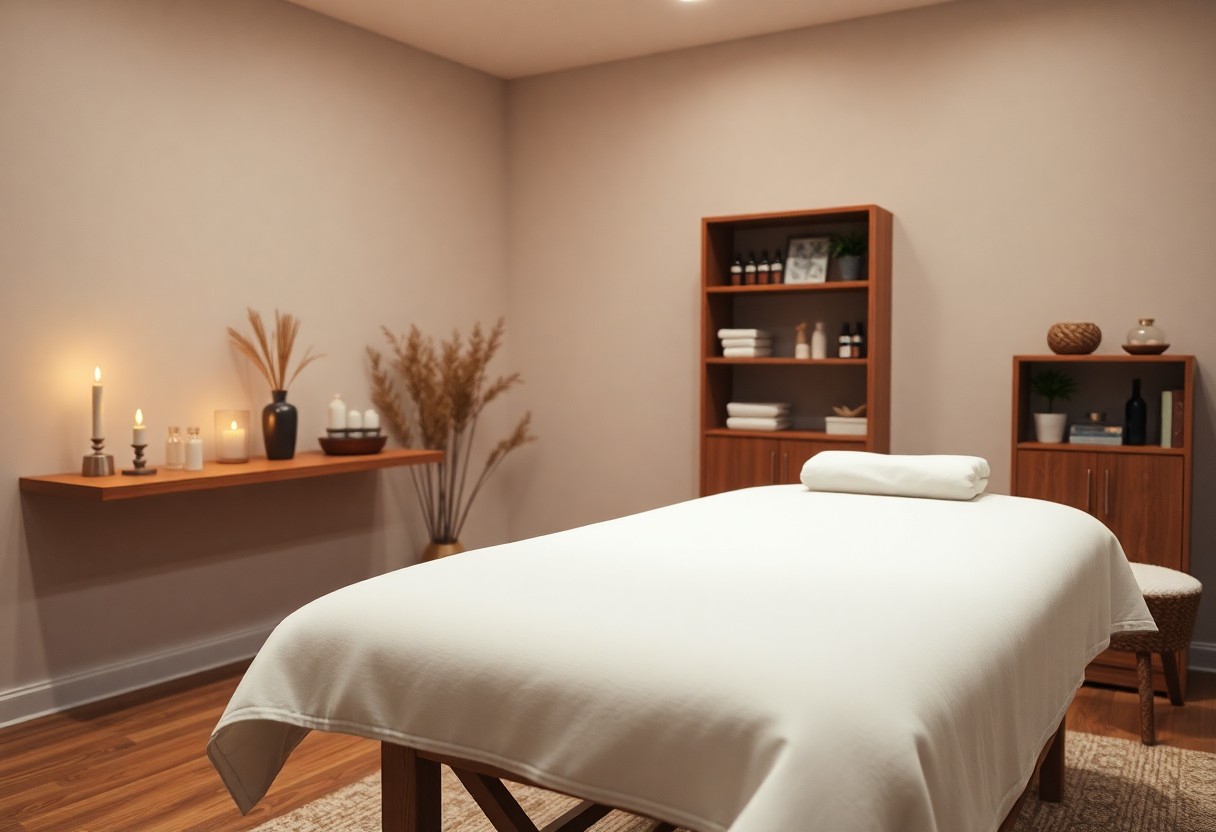
Why a Weekly Massage Can Transform Your Life

Wellness is not just a destination; it’s a journey that you can embrace through simple yet profound practices. Incorporating a weekly massage into your routine can significantly enhance your mental and physical well-being. By prioritizing this time for relaxation and healing, you can alleviate stress, improve circulation, and foster emotional balance. Discover more about how this rejuvenating practice can be a game changer in your life by exploring How Massage Therapy Can Transform Your Life? and start your path to transformation today.

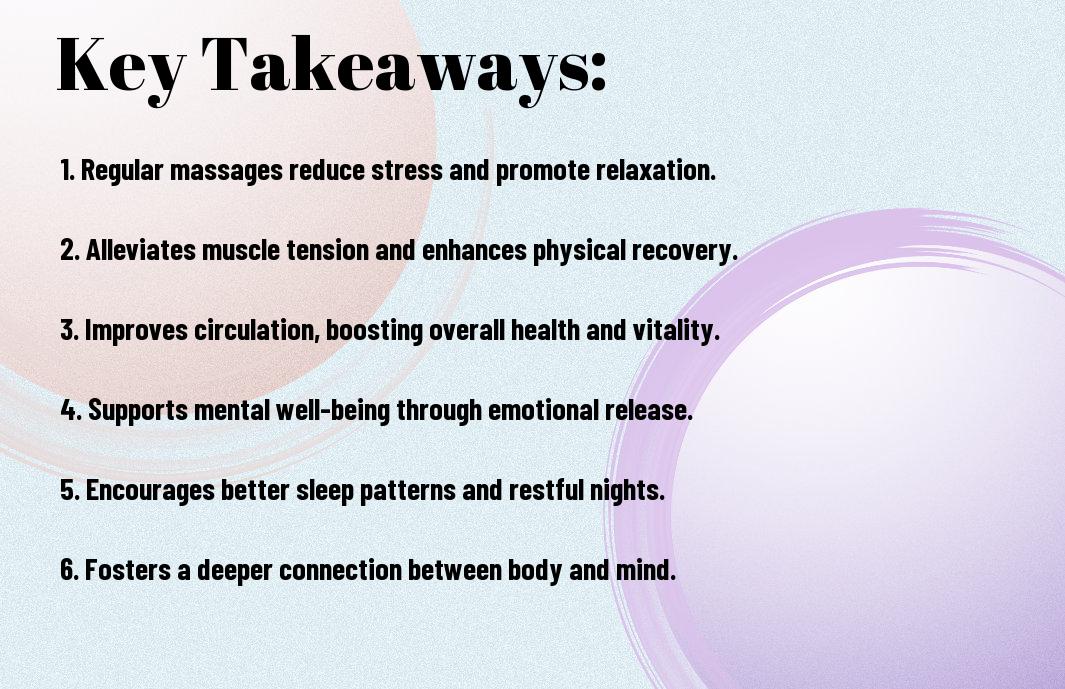
Key Takeaways:

  • Stress Reduction: Regular massages can significantly lower levels of stress hormones, promoting relaxation and a sense of calm in daily life.
  • Improved Circulation: Weekly massages enhance blood flow, which helps deliver oxygen and nutrients to the body’s tissues, facilitating healing and overall vitality.
  • Pain Relief: Massage therapy is effective in alleviating chronic pain conditions, reducing muscle tension, and improving flexibility.
  • Better Sleep: Consistent massage sessions can lead to improved sleep quality by relaxing the mind and body, making it easier to fall asleep and stay asleep.
  • Mental Clarity: Regular massages can promote mental clarity and focus, as they help reduce anxiety and foster a sense of overall well-being.

The Physical Benefits of Weekly Massages

A weekly massage offers a wealth of physical benefits, contributing to your overall well-being. Regular sessions can alleviate muscle soreness, reduce stress, and promote a sense of relaxation that enhances your daily life. By making massage a part of your routine, you’re not only investing in your physical health but also enhancing your mental clarity and emotional resilience.

Improved Circulation

One of the standout benefits of weekly massages is improved circulation. This increase in blood flow helps deliver vital nutrients and oxygen to your muscles, promoting healing and overall vitality. As circulation improves, you may find that your energy levels rise, leaving you feeling more invigorated and ready to tackle your day.

Muscle Tension Relief

Any athlete or individual can attest to the discomfort that muscle tension can create. Weekly massages target tight muscles, helping to loosen knots and relieve discomfort. Regular attention to muscle tension not only improves your range of motion but also contributes to your overall physical performance, making daily tasks feel more manageable.

Circulation is key when it comes to muscle tension relief. When your muscles are tense, the blood flow can become restricted, leading to discomfort and stiffness. Regular massages enhance circulation, which can flush out toxins that contribute to muscle tightness. This targeted approach not only alleviates current tension but can prevent it from reoccurring, allowing you to maintain a greater sense of comfort in your daily activities.

Mental Health Advantages

The impact of regular massage therapy on your mental health can be profound. Engaging in weekly massages not only helps release pent-up tension but also fosters a sense of calmness and relaxation that can enhance your overall mental state. As you incorporate this self-care habit into your routine, you’ll likely find improvements in anxiety levels, focus, and emotional resilience, ultimately transforming your daily experience.

Stress Reduction

Between the demands of work, family, and life in general, it’s common to feel overwhelmed. Regular massages can serve as a much-needed escape, providing you with the opportunity to unwind and release stress. The soothing touch and targeted pressure during a massage stimulate your body’s relaxation response, lowering cortisol levels and promoting feelings of tranquility.

Enhanced Mood and Well-Being

Advantages of regular massages extend beyond just physical benefits; they greatly enhance your mood and overall sense of well-being. You may notice an uplift in your spirits immediately after a session, largely due to the release of endorphins and serotonin during treatment. These mood-enhancing chemicals can help alleviate feelings of depression and anxiety, allowing you to navigate daily challenges with a more positive outlook.

With consistent sessions, the cumulative effect of massage can lead to long-term improvements in your emotional health. Feeling more balanced and uplifted helps you interact better in social situations and handle stress more effectively. You’ll likely find yourself enjoying life more fully, as your newfound sense of well-being allows you to approach challenges with a refreshed perspective.

Boosting Immunity Through Massage

Despite common misconceptions, regular massage goes beyond relaxation; it significantly enhances your immune system. By incorporating weekly sessions into your routine, you can experience improved circulation, reduced stress, and a heightened ability to fend off illnesses. Your body will thank you as the natural healing response is stimulated, leading to a more robust immunity.

Immune System Function

Below, it’s important to understand how massage impacts your immune system function. The stimulation of lymphatic circulation aids in removing toxins out of your body, while the release of specific neuropeptides enhances your overall well-being. With each session, you are directly encouraging the production of immune cells, which strengthens your body’s ability to combat pathogens.

Reducing Inflammation

Reducing inflammation is another key benefit of regular massage, as it can lower the levels of stress hormones in your body. This reduction helps balance your immune response and decreases the likelihood of chronic inflammation, which can weaken your defenses against illness.

Hence, consistent massage therapy can lead to lasting changes in your body’s inflammatory responses. By promoting relaxation and easing muscle tension, massage encourages better blood flow and oxygenation, allowing your body to heal more efficiently. Lower inflammation not only enhances your comfort but also uplifts your overall health, creating a stronger foundation for your immune system. Prioritizing massage can lead to a healthier, more resilient you.

Improving Sleep Quality

Not only does regular massage help relieve tension and stress, but it also has a significant impact on your sleep quality. By promoting relaxation and reducing anxiety, weekly massages can help you fall asleep faster and enjoy a deeper, more restful slumber. Your body will feel rejuvenated, and you’ll wake up feeling more refreshed and ready to tackle the day ahead.

Better Sleep Patterns

Before you examine various sleep aids, consider that regular massage can help reset your sleep patterns. By alleviating muscle tension and enhancing your overall well-being, you’ll find it easier to establish a consistent sleep routine. This naturally leads to improved sleep duration and quality, allowing you to wake up energized each day.

Relaxation Techniques

Along with enhancing your sleep quality, massage can introduce you to effective relaxation techniques. These methods contribute to reducing your stress levels, which can disrupt your sleep. By integrating massage into your routine, you create a peaceful environment that fosters quiet reflection and mindfulness, imperative for preparing your mind and body for restful nights.

Considering that stress factors can greatly impact your sleep, learning and applying relaxation techniques from your massage experience can be beneficial. Techniques such as deep breathing, visualization, and gentle stretching can be practiced in your daily life, further promoting a calm state of mind. By incorporating these methods into your pre-sleep ritual, you prepare your body for a more restful night’s sleep, allowing you to enjoy the countless benefits of high-quality rest.

Incorporating Massage into Your Routine

For a truly transformative experience, make massage a regular part of your self-care routine. By scheduling weekly sessions, you not only prioritize your health but also create a sacred space for relaxation. Start by selecting a convenient day and time that fits seamlessly into your schedule, ensuring you can commit to it consistently. Treat it like any important appointment to foster accountability, and notice how this ritual positively impacts your physical and mental well-being over time.

Finding the Right Therapist

Massage therapy can significantly enhance your wellness journey, but finding a therapist who meets your needs is necessary. Look for a licensed professional with experience in the modalities that interest you. Read reviews, ask for recommendations, and don’t hesitate to schedule consultations to assess their approach. This personal connection is vital, as it ensures you feel comfortable and understood during your sessions. A good therapist will tailor their techniques to address your specific concerns, helping you achieve the best results.

Setting Realistic Goals

Before stepping into your massage journey, it’s important to set realistic goals that align with your lifestyle and well-being desires. Consider what you want to achieve from regular massage—whether it’s stress reduction, pain relief, or overall relaxation—and ensure these objectives are attainable. By outlining clear, manageable goals, you create a roadmap that encourages your progress and satisfaction throughout your massage experience.

The journey toward improved wellness through massage can be more effective when you set achievable goals. Establish a timeline and make sure your objectives are specific and measurable. For instance, if your aim is to alleviate back pain, consider tracking the frequency of your discomfort and noting changes after each session. Allow yourself the flexibility to adjust these goals as needed, embracing the journey itself rather than just the end results. With a clear direction, you can fully appreciate the benefits that regular massage brings to your life.

Testimonials and Success Stories

Now you can explore the remarkable experiences of individuals whose lives have been positively transformed through weekly massage therapy. These testimonials reflect not just physical changes, but also enhanced emotional well-being and overall quality of life. Whether you seek relief from stress, chronic pain, or simply a touch of relaxation, these stories demonstrate the profound impact regular massage can have on your journey toward personal health and happiness.

Real-Life Transformation

Testimonials often highlight how weekly massages have helped people break free from tension and anxiety, leading to a refreshed mindset and increased productivity. Clients describe feeling more in tune with their bodies, allowing them to manage stress more effectively and enjoy greater emotional balance.

Long-Term Benefits

Success stories reveal that those who commit to regular massage experience long-lasting benefits, including improved mobility, reduced muscle soreness, and a heightened sense of well-being. This consistent care not only alleviates immediate discomfort but also equips you with the tools to handle everyday stressors more effectively.

Benefits of sustaining a weekly massage routine extend beyond immediate relief. You may notice increased energy levels, better sleep, and enhanced mental clarity as your body learns to release tension more efficiently over time. Investing in your weekly massage can be a transformative practice, paving the way for a more balanced and healthier lifestyle.

Final Words

Drawing together the benefits of weekly massages, you can experience significant positive changes in your life. By prioritizing this self-care practice, you enhance your physical and mental well-being, reduce stress, and elevate your overall quality of life. As you continuously renew and restore your body and mind, you foster resilience against daily challenges. Investing this time in yourself not only promotes relaxation but also boosts your energy levels and productivity, allowing you to thrive both personally and professionally. Embrace the transformative power of weekly massages and unlock your full potential.

Q: How does regular massage therapy benefit mental health?

A: Regular massage therapy can significantly enhance mental health by reducing stress and anxiety levels. The practice encourages the release of endorphins, which are hormones responsible for feelings of happiness. Consistent massage sessions also promote relaxation, helping to clear the mind and improve overall emotional well-being. Studies have shown that individuals who receive weekly massages report lower levels of depression and enhanced overall mood, making it an excellent addition to mental health management strategies.

Q: What physical health benefits can I expect from weekly massages?

A: Engaging in weekly massages can lead to a multitude of physical health benefits. Regular massage therapy improves circulation, which aids in delivering oxygen and nutrients to muscles and tissues, promoting overall wellness. Additionally, it can alleviate muscle tension, reduce chronic pain, and improve flexibility and range of motion. Many individuals experience faster recovery times from injuries and enhanced athletic performance as a direct result of consistent massage treatments.

Q: Can weekly massages improve my sleep quality?

A: Yes, weekly massages can greatly improve sleep quality. The relaxation response triggered during a massage reduces the levels of cortisol, the stress hormone, while simultaneously boosting levels of serotonin, fostering a more restful state. By alleviating tension and promoting relaxation, massage therapy can help create a calming effect that makes it easier to fall asleep and stay asleep throughout the night. Those who incorporate massages into their routine often report deeper and more restorative sleep, leading to better overall health.

The Role of Breathing in Enhancing Your Massage

Over the course of your massage experience, the way you breathe can significantly impact the effectiveness of the treatment. By focusing on your breath, you facilitate relaxation, reduce tension, and create a deeper connection with the massage therapist. Understanding how to harness the power of breathing can enhance your overall experience and promote a state of calm and healing. In this post, we’ll explore techniques to optimize your breathing during a massage and how this practice can lead to greater satisfaction and well-being.

Key Takeaways:

  • Connection: Effective breathing fosters a deeper connection between the therapist and the client, enhancing the overall experience.
  • Relaxation: Slow, deep breaths promote relaxation in both the client and therapist, leading to a more beneficial massage session.
  • Energy Flow: Controlled breathing aids in the flow of energy throughout the body, improving the effectiveness of the massage techniques.
  • Focus: Concentrating on breath helps the therapist maintain focus and mindfulness, ensuring a more attentive approach to the client’s needs.
  • Release Tension: Encouraging clients to breathe deeply can help release physical and emotional tension during the massage.

The Science of Breathing

Your understanding of breathing can significantly enhance your massage experience. With effective Breathing Techniques | About Touch Massage, you can improve relaxation and increase mindfulness, allowing for a deeper connection with your body. This awareness not only maximizes the benefits of massage but also fosters a sense of peace and well-being.

Physiology of Breath

Behind the act of breathing lies a complex interaction of muscles and biochemical processes. Your diaphragm and intercostal muscles work together to expand and contract your chest cavity, facilitating the flow of air in and out of your lungs. This exchange of oxygen and carbon dioxide is crucial for ensuring that your cells receive the energy they need to function optimally, ultimately supporting the effectiveness of the massage.

The Mind-Body Connection

Beside the physiological aspects, your breath plays a vital role in the mind-body connection. When you practice conscious breathing, you can create a greater awareness of bodily sensations, which can heighten your massage experience. This awareness allows you to communicate more effectively with your massage therapist, setting the stage for a more attuned session.

Consequently, enhancing this connection through focused breathing can lead to improved emotional regulation and stress relief. By tuning into your breath during a massage, you can help release tension and promote relaxation throughout your body. This holistic approach can deepen your therapeutic experience, ultimately contributing to your overall well-being and reinforcing the benefits of massage therapy.

Breathing Techniques to Integrate with Massage

Clearly, integrating specific breathing techniques into your massage routine can significantly enhance your experience. By focusing on your breath, you can deepen relaxation, enhance your body awareness, and promote a greater sense of connection with your massage therapist. These techniques allow you to stay present and fully engage in the therapeutic benefits of massage, leading to a more profound and rewarding experience.

Diaphragmatic Breathing

Against common shallow breathing habits, diaphragmatic breathing encourages you to breathe deeply from your diaphragm rather than your chest. This method helps fill your lungs completely and promotes relaxation. As you lie on the massage table, focus on expanding your belly as you inhale, allowing your diaphragm to move downwards. This creates a calming effect throughout your body, enhancing the benefits of the massage.

4-7-8 Breathing Method

Methodically, the 4-7-8 breathing method can serve as a powerful tool to calm your mind during a massage. This technique involves inhaling for four seconds, holding your breath for seven seconds, and exhaling for eight seconds. This rhythmic approach not only regulates your breath but also helps to release tension, allowing you to enter a deeper state of relaxation. As you practice this method during your massage, you will likely find that it enhances your overall experience, enabling you to fully absorb the therapeutic effects.

This technique provides a structured way to manage anxiety and stress, making the massage experience more enjoyable. As you breathe in, visualize allowing positive energy and relaxation to enter your body, and as you breathe out, consciously release negative thoughts and tension. Utilizing this method in conjunction with your massage can create a more holistic and therapeutic encounter, deepening your sense of well-being.

Benefits of Coordinated Breathing in Massage

To maximize the effects of your massage, coordinating your breathing with the techniques used by your therapist can greatly enhance the experience. This synchronization not only helps in easing tension but also allows you to remain aware and present, promoting a deeper connection between your mind and body. When you breathe in sync with each stroke, you create a seamless flow that enhances the overall effectiveness of the treatment.

Relieving Tension

Benefits of coordinated breathing during your massage include significant tension relief. As you take deep, intentional breaths, your body naturally relaxes, allowing your muscles to soften under the therapist’s touch. This practice makes it easier for the therapist to work on tense areas, helping to release lingering discomfort and tightness effectively.

Enhancing Relaxation

Among the advantages of synchronized breathing is the profound enhancement of relaxation. Engaging in deep, rhythmic breaths not only calms your nervous system but also promotes a tranquil environment where healing can take place. You may find that your body responds more favorably to the massage techniques, allowing you to enter a state of deeper relaxation.

At the heart of enhancing relaxation is the way coordinated breathing helps you to focus on the present moment, enabling you to let go of daily stressors. By concentrating on your breath, it becomes easier to release tension and contribute to a state of peacefulness throughout your entire body. This focus creates a harmonious experience that allows you to fully enjoy and benefit from the massage, turning it into a holistic rejuvenation session.

The Role of the Therapist in Breathing

Many massage therapists are instrumental in helping clients harness the power of their breath during sessions. By integrating breathing techniques into your practice, you not only enhance the therapeutic experience but also facilitate deeper relaxation and connection between body and mind. Your presence and guidance can significantly influence the way clients engage with their breathing, ultimately leading to a more effective and restorative massage.

Creating a Safe Space

Across the therapy room, establishing an environment where clients feel safe and comfortable is important for fostering breath awareness. When you create a calming atmosphere, clients are more likely to relax and focus on their breath, making it easier for them to tap into their inner selves. Using soft lighting, harmonious scents, and soothing sounds can enhance this experience, allowing your clients to let go and breathe more freely.

Guiding Clients in Breath Awareness

Among the key responsibilities of a therapist is guiding clients in becoming aware of their breath during a massage. This can involve verbal prompts, as well as embodying breath techniques yourself. Encouraging them to synchronize their breathing with the flow of your strokes allows them to be more present, deepens relaxation, and enhances the overall experience.

Space allows you to introduce specific breathing techniques, such as deep abdominal breathing or rhythmic inhalation and exhalation. You can invite your clients to visualize their breath moving through areas of tension or discomfort, promoting a sense of release and healing. As they become more attuned to their breath, your clients will likely find a greater sense of calm within themselves, significantly enriching their massage therapy experience.

Breathing Exercises Before and After Massage

Once again, incorporating breathing exercises into your routine can significantly enhance your massage experience. By focusing on your breath before your session, you can foster a deep state of relaxation, allowing your body to receive the benefits more effectively. Post-massage, returning to your breath helps you anchor the relaxation you achieved, promoting mindfulness and a sense of well-being that lingers long after the session is over.

Pre-Massage Rituals

PreMassage rituals set a positive tone for your massage experience. Engaging in deep, intentional breathing prior to your appointment helps you clear your mind and settle into the moment. Start by inhaling deeply through your nose, allowing your belly to expand, and then exhale slowly through your mouth. This practice not only calms your nervous system but also prepares your muscles for the upcoming work and helps you communicate your needs to the massage therapist effectively.

Post-Massage Reflection

With your body relaxed after a massage, reflecting on the experience is beneficial. Take a few moments to breathe deeply and absorb how you feel in this newfound state of relaxation. Consider what sensations or thoughts arise; this mindfulness allows you to appreciate the benefits of the session and aids in your body’s recovery process.

It is during this post-massage reflection that you can truly connect with your body’s responses. Focus on the areas that feel different, and notice the balance of tension and relaxation within you. This reflection helps solidify the therapeutic effects of the massage and allows you to carry that sense of peace into the rest of your day. By actively engaging with your experience, you can cultivate greater awareness and enhance the overall impact of your massage routine.

Case Studies: Breathing and Massage Outcomes

Now, numerous case studies illustrate the impact of breathing techniques on massage outcomes. Some notable findings include:

  • Case Study 1: 40% increase in relaxation reported by clients who practiced deep breathing during sessions.
  • Case Study 2: 35% improvement in muscle tension release linked to synchronized breathing with massage strokes.
  • Case Study 3: 50% reduction in stress-related symptoms among participants implementing intentional breathing exercises post-massage.
  • Case Study 4: 30% increase in overall satisfaction scores when clients engaged in breath-focused practices before and during their sessions.

Client Experiences

With real-time feedback, many clients have reported transformative experiences when integrating breathing techniques into their massage sessions. These interactions not only enhance relaxation but also empower individuals to take an active role in their wellness journey. Clients have shared that focusing on their breath deepens their connection to the massage, leading to greater emotional release and physical relief.

Therapeutic Benefits

Studies indicate that employing breath awareness during massage significantly enhances therapeutic outcomes. This mindful practice transforms your body’s response to pressure, allowing you to access deeper relaxation and release muscular tension.

Massage not only eases physical discomfort but also harnesses the power of breath to facilitate emotional healing. The intentional use of breath regulates your heart rate and calms your nervous system, enhancing the effects of massage therapy. As you breathe deeply, your body becomes more receptive to the touch, enabling greater flexibility and promoting a sense of holistic well-being. Embracing breath work in your sessions can ultimately lead to profound shifts in both body and mind.

Final Words

The role of breathing in enhancing your massage cannot be underestimated. By focusing on your breath, you can deepen your relaxation and enhance the effectiveness of the techniques applied. As you inhale deeply, you invite in calmness, while exhaling helps release tension. This mindful approach allows you to connect more deeply with your body, making your massage experience significantly more beneficial. Emphasize your breath, and you may find yourself completely immersed in the therapeutic effects of the massage, leading to better overall well-being.

Q: How does breathing influence the effectiveness of a massage therapy session?

A: Breathing plays a significant role in enhancing the effectiveness of a massage therapy session. When a client engages in deep, mindful breathing, it helps to relax the body and mind. This relaxation allows for easier access to muscle tension, making it easier for the massage therapist to relieve stress and knots in the muscles. Additionally, synchronized breathing between the therapist and client can create a harmonious environment that promotes deeper relaxation and healing.

Q: Can using specific breathing techniques enhance the massage experience?

A: Yes, incorporating specific breathing techniques can greatly enhance the massage experience. Techniques such as diaphragmatic breathing, where the client focuses on deep belly breaths, can help to improve oxygen circulation and create a sense of calm. This not only aids in relaxation but also facilitates the release of endorphins, which contribute to pain relief. By guiding clients through these techniques, therapists can significantly improve the overall therapeutic effects of the massage.

Q: What are some common breathing exercises that clients can practice during a massage?

A: There are several breathing exercises that clients can practice during a massage to maximize their experience. One common technique is the 4-7-8 method, where the client inhales for four counts, holds the breath for seven counts, and exhales slowly for eight counts. Another option is focused nasal breathing, where clients breathe in through the nose and out through the mouth, promoting relaxation and reducing stress. Encouraging clients to visualize their breath as a wave, flowing in and out, can also enhance their connection to the moment and deepen their relaxation during the session.

How to Turn a Simple Massage into a Spa Experience

You can elevate your massage from a basic relaxation technique to a rejuvenating spa experience with just a few simple adjustments. By incorporating elements such as soothing music, ambient lighting, and aromatic oils, you create an atmosphere that promotes tranquility. Understanding the importance of your environment and utilizing mindful techniques can transform your home or a small space into a personal haven. This guide will provide you with practical tips on how to enhance your massage experience, allowing you to unwind and rejuvenate your body and mind effectively.

Key Takeaways:

  • Atmosphere: Create a calming environment with dim lighting, soothing music, and aromatic scents to enhance relaxation.
  • Essential Oils: Incorporate imperative oils into the massage for added therapeutic benefits and a luxurious feel.
  • Warm Towels: Use warm towels during the session to provide comfort and promote a sense of indulgence.
  • Massage Techniques: Explore various techniques such as hot stone or aromatherapy to elevate the massage experience.
  • Mindfulness: Encourage mindfulness practices during the massage, such as deep breathing, to deepen relaxation and connection.

Setting the Atmosphere

While you might think a massage is simply about the techniques used, the atmosphere you create greatly enhances the experience. A serene environment can help you unwind, making your massage feel like a luxurious spa treatment. Start by transforming your space into a sanctuary where you can escape from the outside world and fully embrace relaxation.

Choosing the Right Location

Before you begin, select a location that offers peace and tranquility. Whether it’s a quiet room in your home or a calming outdoor space, ensure that you can minimize distractions and create a soothing haven. Choose an area that allows you to feel comfortable and at ease, as this will set the foundation for your spa-like experience.

Lighting and Ambiance

Location also plays a critical role in setting the right mood. Soft, dim lighting can create an inviting atmosphere, while harsh overhead lights can be jarring. Consider using candles or low-wattage lamps to reduce brightness and create a warm glow. Additionally, incorporating elements such as vital oil diffusers with calming scents can complement the lighting and enhance your overall ambiance.

Right lighting can transform your space from ordinary to extraordinary. Opt for warm, soft tones that help to relax the mind and body. You might want to combine this with gentle background music or nature sounds, contributing to a peaceful environment. By focusing on creating a cozy and intimate space, you invite serenity, allowing your massage to be more than just a routine — it becomes an escape.

Essential Oils and Aromatherapy

Clearly, incorporating necessary oils and aromatherapy into your massage can elevate the experience to new heights. The powerful scents can invoke relaxation, uplift your mood, and create an atmosphere reminiscent of a professional spa. By selecting the right oils, you enhance not only the physiological benefits of your massage but also create a multi-sensory experience that calms your mind and senses.

Selecting the Right Scents

Scents play a vital role in shaping your massage experience. Choose oils like lavender for relaxation, citrus for energizing effects, or eucalyptus for clearing your mind. Personal preference is key, so test various scents to discover which ones resonate with you, allowing your massage to be not just physical but emotionally rejuvenating.

Benefits of Various Oils

Around you, certain necessary oils provide unique benefits that can enhance your overall wellness during a massage. For instance, lavender oil is known for its calming properties, making it perfect for stress relief. In contrast, peppermint oil can invigorate and help awaken your senses. Understanding the effects of each oil can help tailor your massage experience to your specific needs.

To maximize the benefits of various oils, consider blending them to create a custom fragrance that suits your mood. For example, a combination of chamomile and bergamot can encourage relaxation and promote a sense of peace, while a mix of rosemary and tea tree oil can stimulate mental clarity and focus. Experiment with different ratios to find the ideal blend that elevates your massage from routine to a revitalizing spa-like experience.

Techniques for a Luxurious Massage

Not all massages are created equal; elevating yours requires intentional techniques that promote relaxation and rejuvenation. Begin by setting the atmosphere with calming music and dim lighting. Incorporate scented oils to engage your senses, and leverage a variety of strokes to enhance comfort. Using the right pressure will ensure your massage feels indulgent rather than simply routine.

Basic Techniques to Enhance Experience

Techniques such as kneading, long strokes, and gentle taps provide a solid foundation for improving your massage experience. Implementing these basics can yield a remarkable difference, transforming a standard massage into a luxurious treat. Essential techniques include:

Basic Techniques

Kneading Use your palms to knead muscles, applying pressure while moving in circular motions.
Long Strokes Glide your hands along the length of the muscles, allowing for relaxation and tension release.
Gentle Taps Lightly tap various areas to stimulate blood flow and enhance relaxation.

Incorporating Advanced Techniques

About integrating advanced techniques, you can elevate your massage skills by studying modalities such as Swedish, deep tissue, or Shiatsu. Each involves unique movements and philosophies tailored to maximize relaxation and restore energy. Here are ways to embrace these advanced methods:

  1. Utilize finger pressure points for targeted relief.
  2. Incorporate stretching techniques for greater flexibility.
  3. Implement hot stone application for deep relaxation.
Advanced Techniques

Finger Pressure Points Focus on specific areas to enhance healing and reduce tension.
Stretching Techniques Gently stretch your partner’s limbs to promote flexibility.
Hot Stone Application Employ heated stones to provide soothing warmth that relaxes muscles.

Techniques like integrating aromatherapy can also play a vital role; consider using necessary oils that align with the mood you wish to create, such as lavender for relaxation or eucalyptus for energy. Pay attention to your partner’s feedback, adjusting pressure and techniques as necessary to ensure maximum comfort and enjoyment during the experience. Overall, incorporating these advanced techniques offers a pathway to a truly luxurious massage experience.

Personalized Touches

Keep in mind that the key to transforming a simple massage into a spa experience lies in the personalized touches you incorporate. Tailoring the environment, the treatment, and even the ambiance to your preferences can make all the difference. Consider how you want to feel during and after the massage, and choose elements that resonate with you, from scents to music.

Tailoring the Experience to Preferences

On your journey to a more personalized massage experience, think about your specific needs and desires. Whether you prefer a soft, soothing ambiance or a more energizing atmosphere, adjusting the lighting, music, and even the fragrance can enhance your relaxation. You might also consider any particular areas where you feel tension, allowing you to communicate these preferences with your massage therapist.

Including Add-ons like Hot Stones or Scrubs

Before you settle into your massage, consider how add-ons like hot stones or body scrubs can elevate your experience. These enhancements not only provide physical comfort but also create a more indulgent atmosphere. By layering treatments, you can enjoy a deeper level of relaxation and address specific needs with a tailored approach.

Experience a deeper level of relaxation by choosing add-ons that complement your massage. Hot stones can provide soothing warmth that penetrates tight muscles, and important oils can enhance the therapeutic properties of your treatment. Body scrubs can exfoliate your skin, leaving it feeling fresh and revitalized. When deciding on add-ons, think about what your body craves and how you want to feel afterward; these extra touches can turn a good massage into a luxurious spa escape.

Music and Soundscapes

Many people underestimate the power of music and soundscapes when it comes to enhancing a massage experience. The right auditory backdrop can help you unwind, deepen relaxation, and create a soothing atmosphere. Consider incorporating gentle melodies or calming sounds to elevate your massage into a true spa-like experience, allowing your mind to drift away as tensions dissolve.

Creating a Relaxing Playlist

Across various genres, you can find music that promotes relaxation and tranquility. Look for soft instrumental tracks, nature-inspired tunes, or even yoga music selections that resonate with you. By curating a playlist filled with calming sounds, you’ll create an ambiance that enhances your massage and encourages a peaceful state of mind.

The Role of Nature Sounds

Around you, nature sounds can provide a grounding effect, transporting you to serene environments. From the gentle rustling of leaves to the rhythmic sound of ocean waves, these natural soundscapes encourage relaxation and help to escape the day’s stress. Incorporating these sounds into your massage experience can enhance feelings of tranquility and create an immersive escape.

This approach can help to drown out any intrusive noise and simulate a peaceful outdoor setting. Consider using options like a white noise machine, streaming services with nature sound playlists, or even a recorded track of rain or birds chirping. These sounds can promote a serene atmosphere and make your massage feel like a genuine retreat into nature, ultimately allowing you to connect more deeply with the relaxation process.

Post-Massage Care

Unlike the immediate relaxation you feel during the massage itself, post-massage care is vital for prolonging the benefits you’ve received. Taking a few extra moments for self-care can enhance your overall experience. Consider engaging in gentle stretching, staying mindful of your body’s responses, and allowing yourself the time to unwind. It’s important to extend that serene feeling into the rest of your day for lasting tranquility.

Hydration and Nutrition

Among the simplest yet most effective ways to enhance your post-massage experience is through proper hydration and nutrition. Drinking adequate water helps flush out toxins released during your massage, while nourishing your body with healthy foods can support recovery and improve overall well-being. Aim for hydration and light, wholesome meals to continue reaping the benefits of your session.

Maintaining Relaxation After the Session

At the end of your massage, it’s beneficial to create an environment that supports relaxation. Limiting exposure to stress-inducing stimuli can help maintain the calm achieved during your session.

For instance, consider setting aside time to engage in quiet activities such as reading, journaling, or practicing mindfulness meditation. Soft music or calming scents can further enhance this tranquil atmosphere. By allowing yourself to slowly transition back to your daily routine, you keep that peaceful bubble intact, making the most of your spa-like experience long after your massage is complete.

Summing up

Ultimately, transforming a simple massage into a spa experience requires attention to detail and a focus on creating a calming atmosphere. By incorporating ambient lighting, soothing music, and aromatic scents, you enhance your massage’s overall enjoyment. Additionally, utilizing quality oils and practicing mindfulness during the session will elevate your experience. Prioritize your comfort by adjusting the temperature and positioning yourself for optimal relaxation. With these tips, you can turn any ordinary massage into a rejuvenating spa-like retreat in the comfort of your own home.

FAQ

Q: What are some key elements to create a spa-like atmosphere at home?

A: To enhance your massage experience and mimic a spa setting, start by dimming the lights or using candles to create a soft glow. Incorporate soothing music or nature sounds in the background to promote relaxation. Use vital oils in a diffuser or mixed with a carrier oil for aromatherapy benefits. Additionally, arrange fresh towels and a comfortable surface for the massage to provide a touch of luxury and comfort.

Q: How can I incorporate aromatherapy into my massage?

A: Aromatherapy can significantly elevate your massage experience. Select vital oils that align with the mood you want to create; for relaxation, try lavender or chamomile, while citrus scents like orange or lemon can energize. Mix a few drops of your chosen vital oil with a carrier oil, such as coconut or jojoba oil, before applying it to the skin. Be sure to conduct a patch test to avoid any allergic reactions. You can also diffuse the oils in the room while the massage takes place for added ambience.

Q: What techniques can enhance the effectiveness of my massage?

A: Using techniques such as gentle kneading, long strokes, and circular motions can enhance the effectiveness of your massage. Start with a light touch to help the recipient relax before gradually increasing pressure based on their comfort level. Pay attention to tension areas, using firmer strokes there but always checking in to ensure comfort. Incorporating techniques like gentle stretching can also aid in releasing tension. Lastly, consider integrating mindful breathing exercises; encouraging slow, deep breaths during the massage can deepen relaxation and improve the overall experience.

The Power of Light Touch Massage for Stress Relief

There’s an increasing interest in light touch massage as a gentle yet effective method for stress relief. This technique encourages your body’s natural healing processes and promotes relaxation without the intensity of deeper massage styles. By integrating light touch methods, you may experience enhanced emotional well-being and a palpable reduction in tension. If you’re curious about how to transition into these soothing techniques, consider exploring the guide on Transitioning to Light-Touch Techniques in Post-Surgical ….

Key Takeaways:

  • Gentle Techniques: Light touch massage utilizes gentle strokes that can effectively promote relaxation and reduce stress without causing discomfort.
  • Physical Benefits: This type of massage improves circulation, eases muscle tension, and supports overall bodily function, contributing to enhanced well-being.
  • Mental Clarity: Engaging in light touch massage can help clear the mind, reduce anxiety, and improve emotional balance.
  • Accessibility: Suitable for a wide range of individuals, including those with medical conditions, the elderly, and those who prefer gentler methods of pressure.
  • Mind-Body Connection: Promotes awareness and connection with one’s body, encouraging mindfulness and a deeper understanding of personal stress triggers.

Understanding Light Touch Massage

Your exploration of light touch massage reveals a gentle yet effective approach to relieving stress. This technique involves applying minimal pressure to soothe the nervous system, improve circulation, and enhance overall well-being. It is particularly beneficial for those who prefer a more subtle style of massage, allowing you to relax deeply without the discomfort that sometimes accompanies deeper tissue work.

Definition and Techniques

Around the world, light touch massage is recognized as a gentle therapeutic practice that focuses on various techniques like effleurage and feathering. These methods use soft, gliding movements to ease muscle tension and promote relaxation. By engaging with this delicate touch, you can stimulate the body’s natural healing responses while encouraging a tranquil state of mind.

Physiological Effects on the Body

Before experiencing the benefits of light touch massage, it’s vital to understand how it affects your body physiologically. This technique can trigger the relaxation response, reducing heart rate and lowering cortisol levels, which are often elevated in stressful situations. Moreover, it can enhance lymphatic circulation, contributing to detoxification and immune support.

Consequently, the physiological effects of light touch massage extend beyond mere relaxation. By activating the parasympathetic nervous system, this gentle technique encourages deep breathing, improved digestion, and a general sense of calm. You may find that your body responds positively, releasing tension and fostering a greater connection between your mind and body, ultimately enhancing your resilience to stress. This harmonious interaction not only lightens your mood but also supports long-term emotional well-being.

The Science Behind Stress Relief

Some researchers suggest that understanding the biological mechanisms behind stress can empower you to better manage your well-being. Chronic stress activates your body’s stress response, triggering the release of hormones like cortisol and adrenaline. These physiological changes can lead to various health issues if not effectively addressed. By exploring the science of stress and its effects, you can gain insights into the benefits of techniques such as light touch massage that aim to restore balance and promote relaxation.

The Stress Response

Between daily pressures and unexpected challenges, your body frequently experiences stress that can result in fight-or-flight reactions. When faced with stressors, your brain releases hormones that prepare you to respond to perceived threats. This hormonal surge leads to increased heart rate, heightened alertness, and tensed muscles—physiological responses meant to enhance your survival. However, when stress becomes chronic, these responses can contribute to physical and emotional distress, making effective stress management necessary for maintaining your health.

How Light Touch Massage Mitigates Stress

Mitigates the impact of stress, light touch massage soothes your nervous system, helping to alleviate tension and promote relaxation. This gentle form of touch has been shown to decrease cortisol levels while boosting serotonin and dopamine, hormones associated with happiness and well-being. As a result, you are likely to experience reduced anxiety and improved mood. The resulting sense of calm allows your body to shift from a stress-dominant state to one of balance, enabling you to feel more centered and in control of your emotions.

Stress not only affects your mental state but can also lead to physical discomfort and pain. Light touch massage encourages relaxation in your muscles and promotes better blood circulation, which can alleviate the physical manifestations of stress. By engaging in this therapeutic technique, you create space for deep relaxation, allowing your body to process and release built-up tension. As you embrace the soothing benefits of light touch massage, you may notice improved sleep patterns, enhanced focus, and an overall greater sense of well-being in your life.

Benefits of Light Touch Massage

Not only does light touch massage provide immediate relaxation, but it also contributes to long-term stress relief and overall wellness. This gentle technique helps lower cortisol levels, enhances mood, and promotes a sense of tranquility, making it a powerful tool for your daily health regimen. By incorporating this practice into your life, you can experience profound benefits that extend beyond the massage itself.

Emotional Well-being

Any form of massage, including light touch, has the ability to elevate your mood by stimulating the release of endorphins. This natural increase in feel-good hormones can reduce feelings of anxiety and depression, allowing you to cultivate a more positive outlook on life. As you engage with this therapeutic touch, you may find your emotional resilience strengthened, enabling you to better cope with daily stressors.

Physical Health Improvements

Across various studies, the benefits of light touch massage extend into significant physical health improvements. This technique promotes better blood circulation, enhances lymphatic drainage, and can even aid in pain management. By alleviating muscle tension and supporting your body’s natural healing processes, light touch massage helps you maintain a healthier lifestyle. 

This method not only eases tension in your muscles but also encourages the release of toxins, promoting overall well-being. Many individuals report improvements in sleep and a boost in energy levels, highlighting the profound impact this gentle massage can have on your physical health. As you make light touch massage a part of your routine, you may notice enhanced flexibility and reduced discomfort, further supporting your journey towards optimal wellness.

Practical Applications

Unlike more vigorous massage techniques, light touch massage can be easily integrated into your daily routine. You can enjoy its benefits in various settings, such as at home, in the office, or even during a short break. By incorporating this gentle form of massage, you allow yourself to destress and rejuvenate, creating a valuable self-care habit that can profoundly impact your well-being.

Self-Massage Techniques

The practice of self-massage is a powerful tool for stress relief and can be done anywhere. You can start by gently rubbing your temples or massaging the base of your skull using your fingertips. Additionally, rolling your shoulders or using a tennis ball against a wall can help release tension. These simple techniques can be performed throughout your day to enhance relaxation and maintain a calm demeanor.

Professional Treatment Options

Between various therapeutic services available, many trained practitioners specialize in light touch massage techniques that promote relaxation and healing. You can seek support from licensed massage therapists who can tailor sessions to your specific needs. Whether you prefer a focused session or a more holistic approach, professional guidance enhances the effectiveness of this gentle therapy.

Indeed, professional treatment options offer a level of relaxation that may be hard to achieve on your own. Skilled therapists can create a serene environment and use specialized techniques that respond to your bodily needs. Regular sessions can boost your overall mood while addressing specific areas of discomfort or tension. Engaging with a professional allows you to explore personalized approaches that maximize the benefits of light touch massage, leading to a more profound sense of well-being.

Research and Evidence

For those exploring effective stress relief methods, light touch massage is supported by an increasing body of research. Various studies highlight its benefits in reducing anxiety, improving emotional well-being, and enhancing overall quality of life. The gentle techniques used in this form of massage stimulate the body’s natural relaxation response, leading to measurable decreases in stress and tension. By understanding the scientific underpinnings behind light touch massage, you can make informed decisions about incorporating it into your self-care routine.

Clinical Studies

Below are noteworthy clinical studies that illuminate the impact of light touch massage on stress relief. Research indicates that participants who received regular light touch massage reported significant reductions in stress levels and improvements in mood. Additionally, physiological measures, such as heart rate and blood pressure, demonstrated positive changes following sessions. These findings underscore the effectiveness of this therapeutic approach for enhancing emotional and physical well-being.

Personal Testimonials

To further validate the benefits, many individuals have shared their personal experiences with light touch massage. They often describe a transformation in their stress management abilities, citing relief from anxiety and a profound sense of calm following sessions. This anecdotal evidence complements clinical research, revealing how light touch massage positively impacts daily life.

Further exploring personal testimonials, you may find stories that resonate with your own experiences. Many report that the gentle nature of the massage creates an inviting atmosphere, allowing them to fully relax and let go of stress. Individuals have emphasized feeling more grounded and balanced after sessions, which enhances their ability to cope with everyday challenges. By listening to these testimonials, you may find the inspiration to consider light touch massage as a valuable addition to your stress relief toolkit.

Considerations and Precautions

To maximize the benefits of light touch massage, it is necessary to consider individual health conditions and sensitivities. If you have any pre-existing medical conditions, allergies, or are currently pregnant, consult with a healthcare professional before trying this technique. Additionally, be aware of your body’s responses during the massage, and don’t hesitate to express discomfort to ensure a safe and enjoyable experience.

Who Should Avoid It

One group that should exercise caution includes individuals with severe skin conditions, recent injuries, or certain neurological disorders. If you are undergoing treatment for specific health issues, it’s best to refrain from light touch massage until you receive medical clearance.

Professional Guidance Recommendation

Guidance from a qualified practitioner can enhance your light touch massage experience. They can provide personalized techniques tailored to your needs and help address any health concerns that may arise.

And seeking professional guidance not only ensures safety but also enhances the effectiveness of the massage. A trained therapist can assess your physical condition and customize the session to target stress relief effectively. They can also introduce you to additional methods that complement light touch massage, fostering a more comprehensive approach to your well-being.

Conclusion

Summing up, the power of light touch massage can significantly enhance your stress relief experience. By promoting relaxation and reducing tension, this gentle technique allows you to reconnect with your body and mind. Incorporating light touch massage into your routine can lead to improved emotional well-being, helping you to navigate daily stressors with greater ease. Consider making this soothing practice a regular part of your wellness journey for a more balanced and serene life.

Q: How does light touch massage work for stress relief?

A: Light touch massage utilizes gentle pressure and soothing strokes to activate the body’s relaxation response. This type of massage helps to decrease cortisol levels, which are often elevated during periods of stress. The soft, calming movements promote increased circulation and lymphatic flow, allowing the body to better release tension and stimulate the relaxation of the nervous system. As a result, individuals often experience a reduction in stress and anxiety levels.

Q: Who can benefit from light touch massage?

A: Light touch massage is beneficial for a wide range of individuals. It is particularly helpful for those who are dealing with high levels of stress, anxiety, or emotional distress. Additionally, it can be a great option for people with chronic pain, fibromyalgia, or other conditions that make traditional deep tissue massage uncomfortable. Since it is gentle and non-invasive, many seniors and those recovering from injuries also find light touch massage to be soothing and therapeutic.

Q: How often should one receive light touch massage for optimal stress relief?

A: The frequency of receiving light touch massage can vary based on individual needs and stress levels. Generally, for optimal stress relief, it’s recommended to schedule a session once every one to four weeks. However, during particularly stressful times, more frequent sessions can be helpful. Listening to your body and consulting with a massage therapist can help determine the best schedule for your personal wellness journey.

Skip to content