Massage

How Sports Massage Helps with Pre-Competition Nerves

It’s completely normal to feel anxious before a competition, but understanding how sports massage can alleviate those nerves might change your approach to pre-event preparation. This therapeutic technique not only enhances muscle performance and flexibility but also promotes relaxation and mental clarity. By targeting specific muscle groups and stimulating circulation, sports massage allows you to enter your event feeling more composed and ready to perform at your best. In this post, we’ll explore how incorporating sports massage into your routine can help you manage pre-competition stress effectively.

Key Takeaways:

  • Relaxation: Sports massage promotes a sense of calm and reduces anxiety, helping athletes to feel more at ease before competition.
  • Muscle Tension Relief: By alleviating tension in muscles, sports massage enhances overall physical comfort, allowing athletes to focus better on their performance.
  • Improved Circulation: Increased blood flow through massage helps to energize muscles and prepare the body physically for competition, mitigating fatigue.
  • Mind-Body Connection: Sports massage encourages athletes to connect with their bodies, enhancing awareness and helping to center their thoughts pre-event.
  • Injury Prevention: Regular sports massage can identify and address potential areas of concern, reducing the risk of injury during competition.

Understanding Pre-Competition Nerves

Athletes often experience pre-competition nerves, a natural response to the pressure and expectations surrounding competitive events. These feelings can manifest as excitement or apprehension, impacting your mental and physical state. By recognizing the nuances of pre-competition nerves, you can better prepare yourself to manage them effectively, ensuring that you perform at your best when it matters most.

The Psychological Impact of Competition

Pre-competition nerves can significantly influence your psychological state, causing anxiety and stress that can detract from your focus and performance. This mental turmoil often arises from the desire to succeed, fear of failure, and the weight of competition expectations. By acknowledging these feelings, you can harness them as motivation, transforming nervous energy into a positive drive to excel in your sport.

Common Symptoms and Reactions

Understanding your common symptoms and reactions to pre-competition nerves is crucial for effective management. Many athletes experience physical signs such as increased heart rate, sweating, or muscle tension, alongside emotional responses like irritability or self-doubt. Recognizing these manifestations will empower you to implement strategies to address them, helping you maintain composure and focus as you approach your competition.

Another aspect of common symptoms involves the interplay between your physical and emotional state. You may find that your body feels restless or jittery, which can amplify feelings of anxiety. Additionally, intrusive thoughts about performance or comparisons with competitors can cloud your mind, further complicating your preparation. By becoming aware of these symptoms, you can develop tailored coping mechanisms, such as deep breathing or visualization techniques, to regain control and enhance your competitive readiness.

The Role of Sports Massage

Some athletes overlook the significance of sports massage in managing pre-competition nerves. This technique not only helps prepare your body physically but also enhances your mental state. By incorporating sports massage into your routine, you can alleviate tension, promote relaxation, and improve your overall performance during competitions.

Physiological Benefits of Sports Massage

Massage therapy increases blood flow to your muscles, helping to ease tightness and soreness. This improved circulation can assist in enhancing your range of motion, ultimately preparing your body for peak performance. Additionally, the soothing pressure of a sports massage can aid in the removal of toxins and reduce lactic acid buildup, crucial for physical recovery.

Psychological Benefits of Sports Massage

One of the most significant benefits of sports massage is its ability to alleviate anxiety. By reducing physical tension in your body, you also mitigate mental stress, allowing you to enter your competition with a clearer mindset and increased confidence.

Physiological responses to sports massage can create a deeply relaxing environment, which positively influences your psychological state. As the massage helps release endorphins, your stress levels decrease, fostering a sense of calm and readiness. This process also aids in improving your focus and mental clarity, allowing you to channel your energy into your competition effectively. Embracing the psychological benefits of sports massage can truly help you maintain your composure and perform at your best on the day of the event.

Techniques Used in Sports Massage

Unlike regular massage, sports massage incorporates techniques specifically designed to address the unique needs of athletes. By focusing on muscle groups that are strained from repetitive motions, these techniques help you to enhance performance and reduce the risk of injury. Whether it’s through deep tissue work or stretching, sports massage offers a tailored approach that promotes relaxation and prepares your body for competition.

Trigger Point Therapy

Between your muscles and fascia, trigger points can develop, causing tightness and discomfort. These hyperirritable spots can limit your range of motion and increase pre-competition anxiety. By applying localized pressure, trigger point therapy targets these areas, helping you to relieve tension and improving your overall sense of well-being before your event.

Myofascial Release

An imperative component of sports massage, myofascial release focuses on the fascia, the connective tissue surrounding your muscles. This technique helps to restore mobility and alleviate pain caused by tightness within the fascia. By gently stretching and releasing this tissue, you can improve your flexibility and prepare your body for optimal performance.

The application of myofascial release involves slow, sustained pressure and stretching, which encourages the fascia to elongate and relax. This technique is particularly beneficial if you experience tightness in specific areas, as it promotes better blood flow and enhances mobility throughout your body. By incorporating myofascial release into your pre-competition routine, you can enhance your physical readiness and reduce any feelings of anxiety related to muscle tension.

Incorporating Sports Massage into Training

All athletes can benefit from incorporating sports massage into their training routines. Not only does it enhance your overall physical preparation, but it also aids in the management of pre-competition nerves. Regular massages can help you develop awareness of your body, release tension, and optimize your performance by ensuring that your muscles are in peak condition before you step into the arena.

Timing and Frequency

Above all, the timing and frequency of your sports massages are key to maximizing the benefits. Ideally, you want to schedule massages regularly throughout your training program and increase the frequency as your competition approaches. This allows your body to recover effectively, reduces muscle tightness, and prepares you mentally for the challenges ahead.

Finding a Qualified Therapist

One important aspect of incorporating sports massage into your training is finding a qualified therapist. A skilled professional will understand the unique demands of your sport and tailor the massage to address your specific needs and concerns.

Massage therapists often specialize in different techniques, so it’s necessary to seek someone with experience in sports massage. Look for credentials, testimonials, and recommendations from other athletes. A therapist who understands sports injuries and can communicate effectively with you about your training goals will provide a more beneficial experience. Remember to discuss any areas of tension or anxiety related to competition, as this will help your therapist deliver a customized treatment to help you perform at your best.

Case Studies and Testimonials

Not only anecdotal evidence but several case studies have demonstrated the positive effects of sports massage on pre-competition nerves:

  • Case 1: A survey of 150 athletes revealed a 75% reduction in anxiety after consistent sports massage treatment.
  • Case 2: A clinical trial with 60 runners showed that 80% reported improved focus and relaxation before races.
  • Case 3: Among 100 team sport athletes, 70% experienced less muscle tension and anxiety during competition preparation following regular massage sessions.

Athletes’ Experiences

Beside the data, many athletes share personal stories about how sports massage has significantly improved their mental state. From reducing the racing heartbeats to enhancing overall performance, these experiences underline the connection between physical relaxation and mental peace before competitions.

Research Supporting Sports Massage

Massage therapy has been shown to alleviate stress levels and enhance performance in sports settings. Research indicates that athletes who receive regular massage are more likely to manage pre-competition anxiety effectively, leading to optimal performance levels.

Supporting this, various studies highlight the physiological benefits of sports massage, including reduced cortisol levels, improved blood flow, and increased muscle relaxation. These factors contribute to a lower perception of stress and anxiety, allowing you to feel more centered and prepared. As you continue your athletic journey, integrating sports massage into your routine can make a tangible difference in how you approach competition. This evidence collectively emphasizes the importance of regular massage in your training and mental preparation, confirming its valuable role in managing pre-competition nerves.

Additional Strategies for Managing Competition Anxiety

Your performance can greatly benefit from additional strategies to ease competition anxiety. Finding methods that work for you, alongside sports massage, can create a much more manageable pre-competition experience. Techniques such as visualization and breathing exercises can empower you to focus and regain control over your nerves as you prepare to compete.

Visualization Techniques

Any athlete can significantly enhance their mental preparedness through visualization techniques. By creating a mental image of yourself performing successfully in your chosen sport, you allow your mind to familiarize with desired outcomes. This practice not only alleviates anxiety but also conditions your body to respond effectively when it matters the most.

Breathing Exercises

Behind every successful athlete is the ability to maintain composure through effective breathing exercises. These techniques help ground you in the moment, decreasing feelings of anxiety and promoting focus. Being conscious of your breath can anchor your thoughts, providing clarity in the midst of competition chaos.

Anxiety can create physical tension, making it imperative to practice breathing techniques before and during competitions. Deep abdominal breathing, for example, encourages oxygen flow and stimulates a sense of calm. Try inhaling deeply through your nose, holding for a few seconds, and then exhaling slowly through your mouth. Repeating this several times can help clear your mind, allowing you to approach your performance with confidence and poise.

Summing Up

With this in mind, incorporating sports massage into your pre-competition routine can significantly alleviate those nerves you feel before an event. The techniques used in sports massage promote relaxation, improve circulation, and enhance muscle flexibility, allowing you to feel more composed and focused. By addressing tension in your body, you create an optimal environment for performance, empowering you to approach your competition with confidence and clarity. Investing in sports massage not only prepares your body but also nurtures your mental state, setting you up for success on the day of the event.

Q: How does sports massage alleviate pre-competition nerves?

A: Sports massage helps reduce muscle tension and promotes relaxation, which can alleviate the physiological symptoms of anxiety such as increased heart rate and muscle tightness. The firm yet gentle pressure applied during a massage stimulates the body’s release of endorphins and serotonin, hormones that enhance mood and foster a sense of calm. By easing physical tension and encouraging mental relaxation, athletes often feel more centered and focused before competition.

Q: Can sports massage improve mental clarity before a competition?

A: Yes, receiving a sports massage can enhance mental clarity by promoting relaxation and reducing stress. The massage encourages blood flow to the brain, which may improve cognitive function. With reduced levels of anxiety and increased relaxation, athletes can experience better focus, sharper concentration, and an overall sense of readiness. This mental alignment is vital for optimal performance during competitions.

Q: How often should athletes receive sports massage leading up to a competition?

A: It is beneficial for athletes to receive sports massage in the weeks leading up to a competition, ideally 1-2 times per week, as part of their regular training regimen. This frequency allows for consistent relief from tension and anxiety. Closer to the event, a lighter, shorter massage can be performed to maintain relaxation without inducing fatigue. Athletes may adjust the frequency based on individual responses and competition schedules.

The Benefits of Massage for Weightlifters

With your weightlifting regimen pushing your body to its limits, incorporating massage therapy can significantly enhance your recovery and performance. This informative guide will explore the various benefits of massage specifically tailored for weightlifters, helping you understand how the right techniques can alleviate muscle tension, improve flexibility, and support your training goals. Discover the 6 Powerful Benefits of Massage for Weightlifters (+ Best … that can transform your recovery process.

Key Takeaways:

  • Enhanced Recovery: Massage can significantly reduce muscle soreness and promote faster recovery post-workout.
  • Injury Prevention: Regular massage helps maintain flexibility and alleviate tightness, reducing the risk of injuries during lifting.
  • Improved Performance: By increasing blood flow and elasticity in muscles, massage can enhance overall performance and strength during workouts.
  • Stress Relief: The relaxing effects of massage help alleviate stress, allowing weightlifters to focus better and improve their mental state.
  • Body Awareness: Massage encourages a greater connection between the mind and body, helping weightlifters understand their physical limits and optimize their techniques.

Understanding Massage Techniques

While the benefits of massage for weightlifters are well-documented, understanding the variety of massage techniques can significantly enhance your recovery and performance. Different methods can address specific muscle groups, alleviate soreness, and improve flexibility, making it crucial for you to choose the right approach for your needs.

Types of Massage

Massage techniques vary in their focus and application; here are some common types:

  • Swedish Massage
  • Deep Tissue Massage
  • Sports Massage
  • Trigger Point Therapy
  • Foam Rolling

Perceiving the differences among these techniques allows you to tailor your massage regimen to your specific training and recovery goals.

Type of Massage Benefits
Swedish Massage Relaxes muscles and enhances circulation
Deep Tissue Massage Reduces chronic pain and muscle tension
Sports Massage Designed to prevent and treat sports-related injuries
Trigger Point Therapy Addresses tight muscle fibers to relieve pain
Foam Rolling Self-myofascial release tool for muscle recovery

Optimal Techniques for Weightlifters

An effective massage routine for weightlifters should include techniques that promote healing, increase blood flow, and improve joint mobility. Some popular methods among athletes include deep tissue and sports massage, which help targets areas prone to tension and tightness.

Techniques such as deep tissue massage focus on deeper layers of muscle to release knots and promote greater flexibility, while sports massage helps you prepare for, and recover from, intense lifting sessions. Incorporating these targeted approaches into your routine will help you optimize your performance, lessen the risk of injuries, and ensure faster recovery.

Physical Benefits of Massage

The physical benefits of massage for weightlifters extend beyond relaxation and stress relief. Regular massage therapy can significantly enhance your performance by optimizing muscle function, reducing soreness, and improving range of motion. By addressing muscle tightness and enhancing blood circulation, massage promotes overall physical well-being, ensuring you are prepared for your workouts and recovery.

Muscle Recovery

Among the many advantages that massage provides, muscle recovery stands out as a key benefit for weightlifters. Engaging in intense weight training may lead to muscle fatigue and micro-tears, and massage aids in the healing process by increasing circulation around the affected areas. This boost in blood flow delivers imperative nutrients to your muscles, accelerating recovery and helping you return to your training routine more effectively.

Injury Prevention

Prevention of injuries is imperative for athletes, and massage therapy plays a vital role in this aspect. Regular sessions help keep your muscles flexible and alleviate tension that may lead to strains or tears. By maintaining optimal muscle balance and range of motion, you can equip yourself to handle heavier weights with less risk.

Injury can be a significant setback in your weightlifting journey, often requiring time off from training to heal. By incorporating massage therapy into your routine, you can effectively reduce the likelihood of injuries caused by muscular imbalances and tightness. Regular massages help identify and address potential problem areas early, allowing you to maintain a consistent training schedule, optimize performance, and minimize downtime due to injuries.

Psychological Benefits of Massage

Not only does massage provide physical recovery benefits, but it also offers significant psychological advantages for weightlifters. The soothing effects of massage can help you unwind and combat the mental fatigue associated with intense training sessions. You may experience improved mood, reduced anxiety, and a more positive attitude towards your workouts, allowing you to approach your fitness goals with a refreshed mindset.

Stress Relief

Along with alleviating muscle tension, massage serves as a powerful tool for stress relief. The gentle manipulation of muscles promotes relaxation and helps lower cortisol levels. This means you’ll be better equipped to handle the challenges that come with rigorous training, enabling you to maintain a healthy mental state throughout your fitness journey.

Enhanced Focus and Performance

For weightlifters, maintaining mental clarity is as important as physical strength. When you incorporate massage into your routine, you can achieve enhanced focus and performance during your workouts. This can lead to improved lift techniques and increased motivation to meet your personal bests.

Massage not only helps to clear your mind but also stimulates the release of endorphins, leading to heightened mental alertness. This improved mental state allows you to concentrate fully on your form and execution during lifts, minimizing distractions. By committing to regular massage sessions, you reinforce your ability to remain focused, thus optimizing your performance and helping you push through plateaus effectively.

Integrating Massage into Training Regimen

All weightlifters can significantly enhance their training by integrating regular massage into their regimen. Incorporating massage therapy can aid recovery, improve flexibility, and prevent injuries, allowing you to perform at your best. To maximize the benefits, schedule sessions around key training periods or competitions to ensure your muscles are primed and your body is physically prepared for the demands of weightlifting.

Frequency and Timing

One effective strategy is to establish a consistent massage schedule that aligns with your training cycle. Aim for a massage once a week during regular training, and consider increasing the frequency around intense training phases or competitions for optimal recovery and performance benefits.

Combining with Other Recovery Methods

Against relying solely on massage, it’s beneficial to combine it with other recovery techniques such as stretching, hydration, and proper nutrition. This multi-faceted approach ensures that your body receives comprehensive care, promoting faster recovery and greater overall performance improvement in weightlifting.

Frequency plays a vital role in recovery. Pairing massage with methods like foam rolling and dynamic stretching can enhance flexibility and muscle relaxation. Likewise, ensuring proper hydration and a balanced diet supports muscle recovery processes. By synergizing these recovery methods, you set a solid foundation for consistent progress and training longevity.

Testimonials from Weightlifters

Once again, weightlifters universally agree on the transformative effects of massage on their training and recovery processes. Many athletes have shared how regular sessions have not only alleviated muscle tightness but have also enhanced their performance during lifts, contributing to achieving personal bests and preventing injuries. The testimonials highlight the importance of therapeutic touch in activating recovery and driving overall strength gains.

Personal Experiences

Behind every successful weightlifter lies a range of personal experiences that emphasize the role of massage therapy. Many lifters express that incorporating massage into their routine has significantly improved their flexibility, reduced soreness, and allowed them to focus better during their workouts. These experiences speak volumes about how beneficial targeted relaxation can be for your training efforts.

Professional Insights

Across the fitness community, professionals emphasize the positive impact of massage on performance and injury prevention. Experts stress that consistent massages can improve blood flow and accelerate muscle recovery, allowing you to train harder and longer without setbacks.

Experiences shared by trainers and therapists paint a clear picture of how massage therapy integrates seamlessly into a weightlifter’s regimen. Many professionals recommend tailored massage techniques that address specific muscle groups typically engaged during lifting sessions. These insights can guide you in choosing the right type of massage to enhance your strength training experience and optimize overall performance.

Choosing a Qualified Massage Therapist

For optimal results, selecting a qualified massage therapist is vital for weightlifters like you. Look for someone who specializes in sports massage and understands the unique demands of weightlifting. This expertise can enhance your recovery, prevent injury, and improve your overall performance. Don’t hesitate to ask for recommendations or read reviews to find a practitioner who fits your needs.

Credentials and Specializations

Any qualified massage therapist should possess relevant certifications and credentials. Ideally, they should be licensed in your state or region and have specialized training in sports massage or a related field. You might also benefit from a therapist who understands the specific muscles and techniques used in weightlifting, ensuring a tailored approach to your treatment.

What to Expect in a Session

Across your massage session, you can anticipate a thorough assessment of your body and specific areas of tension. Your therapist will discuss your workout routine and any injuries or pain you’re experiencing, tailoring the session to your needs.

In addition to the assessment, your session may include various techniques such as deep tissue massage, myofascial release, or trigger point therapy. You can expect to feel both relaxed and invigorated, with an emphasis on areas that require attention. After the session, your therapist will likely offer recommendations for follow-up treatments and stretches to further enhance your recovery and performance. This personalized approach ensures you receive the best benefits from each massage session.

Final Words

As a reminder, incorporating massage into your routine can greatly enhance your performance as a weightlifter. Not only does it help in reducing muscle soreness and improving recovery times, but it also increases flexibility and range of motion, allowing you to lift more effectively. By prioritizing regular massage therapy, you can maintain optimal physical condition and support your overall fitness goals. Make it a vital part of your training regimen to experience these benefits firsthand.

Q: How does massage enhance recovery for weightlifters?

A: Massage plays a significant role in recovery by promoting blood circulation, which helps deliver oxygen and nutrients to muscles. This increased blood flow can reduce muscle soreness and expedite the removal of metabolic waste products. Additionally, massage can help alleviate tension in muscles, leading to improved flexibility and a decrease in the likelihood of injuries. By incorporating regular massage into their routine, weightlifters can experience faster recovery times, allowing them to train harder and more frequently.

Q: Can massage improve performance for weightlifters?

A: Yes, massage can contribute to improved performance for weightlifters by enhancing muscle function and range of motion. By targeting specific muscle groups used during weightlifting, massage therapists can help to improve muscle elasticity and reduce stiffness. This can lead to better form and technique during lifts, which is imperative for maximizing strength and efficiency. Furthermore, the relaxation benefits of massage can help in reducing anxiety and stress, creating a more focused mindset for training and competition.

Q: What types of massage are most beneficial for weightlifters?

A: Several types of massage can be beneficial for weightlifters. Deep tissue massage focuses on the deeper layers of muscles and connective tissues, making it ideal for addressing chronic muscle tension. Sports massage targets specific muscle groups and can be performed pre- or post-workout to prepare muscles for activity or aid in recovery. Additionally, trigger point therapy can relieve tight areas within muscles, helping to restore normal function. Weightlifters may find varying benefits from each type, so it is advisable to consult with a qualified massage therapist to determine the best approach based on their individual needs.

How Massage Therapy Complements Acupuncture

It’s necessary to understand how massage therapy and acupuncture can work together to enhance your wellness journey. By combining these two holistic practices, you can achieve greater relief from pain, reduced stress, and improved overall health. Massage therapy helps to release muscle tension and increase circulation, while acupuncture targets specific energy pathways in your body. Together, they create a synergistic effect that can maximize the benefits of both treatments, making it a worthwhile consideration for your holistic health routine.

Key Takeaways:

  • Enhanced Relaxation: Combining massage therapy with acupuncture can significantly improve relaxation and stress relief by addressing both physical and energetic imbalances.
  • Pain Management: The combined techniques provide a synergistic effect in alleviating pain, often resulting in faster recovery times and improved quality of life.
  • Improved Circulation: Massage therapy enhances blood flow and lymphatic drainage, which can complement acupuncture’s effects on energy flow and overall circulation.
  • Holistic Approach: Together, these modalities provide a holistic treatment method, targeting both symptoms and underlying health issues for comprehensive care.
  • Individualized Treatment: The integration allows for personalized therapy sessions tailored to specific needs, accommodating a range of physical and emotional conditions.

Understanding Massage Therapy

The practice of massage therapy involves manipulating the body’s soft tissues to enhance overall well-being. You can experience various techniques, such as kneading, stroking, or applying pressure, that aim to alleviate tension and promote relaxation. Massage therapy can address specific physical ailments, improve circulation, and support mental clarity, making it a valuable complement to other holistic practices like acupuncture.

Principles and Techniques

Above all, massage therapy is founded on principles of body awareness and energy flow. Each technique serves a unique purpose, whether it’s Swedish massage for relaxation or deep tissue for targeted relief. As you engage with these techniques, you can foster a deeper connection with your body, unlocking pathways to healing and rejuvenation.

Benefits for Physical and Mental Health

About massage therapy’s impact on your health, it can significantly reduce stress, alleviate pain, and improve your range of motion. Regular sessions can not only help in recovery from injuries but also cultivate a sense of well-being and mindfulness. Integrating massage therapy into your self-care routine can enhance your physical health while also benefiting your mental state.

Considering the diverse benefits of massage therapy, you may find that it reduces symptoms of anxiety and depression while promoting relaxation and a sense of balance. Additionally, it can lead to better sleep patterns and improved focus throughout your day. By choosing to incorporate massage therapy into your health regimen, you set the stage for comprehensive wellness that supports both your physical and mental well-being.

Exploring Acupuncture

Any discussion about holistic health care would be incomplete without mentioning acupuncture. This ancient practice, which originated in China over 2,500 years ago, involves inserting thin needles into specific points on the body. By stimulating these points, you can facilitate balance within your body’s energy, known as Qi, leading to a myriad of health benefits and improvements in overall wellness.

Historical Background

At its core, acupuncture is steeped in rich historical traditions that have evolved through the centuries. Ancient texts and practices reflect how the Chinese philosophy of health intertwined with natural elements, leading practitioners to develop techniques aimed at restoring harmony within the body. The deep roots of acupuncture emphasize its enduring role as a foundational element of traditional Chinese medicine.

Mechanism of Action

With acupuncture, the insertion of needles into specific points is believed to influence the body’s nervous system, promoting natural healing processes. By stimulating these areas, you can enhance blood circulation, release muscle tension, and encourage the production of endorphins, leading to pain relief and relaxation.

Mechanism plays a crucial role in understanding how acupuncture benefits your health. The practice works by triggering specific pathways in your body, allowing for enhanced communication between various systems, including the endocrine and immune systems. This interaction helps reduce inflammation and alleviates various symptoms, making acupuncture an effective treatment option for numerous conditions. Through this intricate interplay, you experience not only physical relief but also an overall sense of well-being, which complements other therapies such as massage.

The Synergy of Massage Therapy and Acupuncture

Your journey through wellness can be significantly enhanced by the harmonious combination of massage therapy and acupuncture. Both practices focus on the same vital principle of balancing energy within your body, promoting relaxation and healing. When utilized together, they amplify each other’s effects, leading to a more effective treatment experience and an overall sense of well-being. By integrating these therapies, you can unlock a deeper level of rejuvenation and relief from various ailments.

How They Complement Each Other

Acupuncture works by stimulating specific points on your body to release blocked energy and enhance blood flow, while massage therapy further promotes relaxation by easing muscle tension. Together, they create a powerful synergy that addresses not only physical discomfort but also promotes emotional balance. This combination allows you to experience a more comprehensive healing process, addressing both the symptoms and the root causes of your concerns.

Combined Benefits for Patients

Benefits from the combination of massage therapy and acupuncture can be profound. By integrating these two practices, you may experience reduced pain, heightened relaxation, and improved range of motion. This dynamic duo also supports your immune system, alleviates stress, and promotes better sleep patterns. Your overall energy levels may increase, leading to enhanced daily functioning and a greater sense of well-being.

Understanding how massage therapy and acupuncture collaborate can help you appreciate the full spectrum of benefits available. The dual approach can accelerate recovery from injuries, decrease anxiety, and enhance your emotional health. As you embrace both therapies, you may find that not only are your physical symptoms alleviated, but your mental clarity and emotional resilience improve as well, making you feel more balanced and centered in your daily life.

Case Studies and Real-Life Applications

Keep in mind that various case studies highlight the effective synergy between massage therapy and acupuncture in treating diverse conditions:

  • Case Study 1: A patient with chronic lower back pain experienced a 75% reduction in pain levels after 8 sessions combining both modalities.
  • Case Study 2: Fibromyalgia patients reported a 60% improvement in overall wellness and sleep quality after a 6-week treatment program of acupuncture and massage.
  • Case Study 3: A study found that individuals with anxiety experienced a 30% decrease in symptoms after integrated therapy sessions over 4 weeks.
  • Case Study 4: In chronic headache sufferers, a 50% reduction in frequency and intensity over 12 sessions was observed when both therapies were utilized.

Patient Experiences

On your journey toward holistic health, many patients share transformative experiences after incorporating massage therapy with acupuncture. They often describe feeling deeply relaxed, with improvements in both physical and mental well-being. This combination allows them to address not just symptoms, but also the underlying issues affecting their health.

Therapeutic Outcomes

For those seeking relief from persistent ailments, the therapeutic outcomes of combining massage therapy and acupuncture can be significant. Patients frequently report enhanced relaxation, reduced muscle tension, and improved circulation following their treatments.

Hence, by integrating these two practices, you could experience a more comprehensive approach to healing. Many individuals find that their chronic pain subsides, mobility improves, and their overall stress levels decrease significantly. Each modality enhances the other, creating a holistic experience that promotes long-lasting wellness. It’s a win-win situation for achieving a balanced mind and body.

Choosing the Right Practitioner

To ensure the best experience and results from your therapy, it’s necessary to find practitioners who specialize in both massage therapy and acupuncture. Look for professionals who have experience working collaboratively to provide comprehensive care. You can learn more about Combining Massage and Acupuncture – Serenity Kneaded to better understand what to look for in a qualified practitioner.

Qualifications and Credentials

Against choosing just any provider, seek out those with the appropriate qualifications and certifications in both massage therapy and acupuncture. Check their education, training, and any specialized programs that support their ability to integrate these modalities effectively. This verification is key to receiving proper care tailored to your needs.

What to Expect in a Combined Session

Above all, a combined session will be a soothing and restorative experience. The synergy of massage therapy and acupuncture aims to enhance relaxation, relieve muscle tension, and stimulate energy flow throughout your body, promoting overall wellness and healing.

Combined sessions typically start with a discussion of your goals and any specific areas of concern. Your practitioner will assess your physical condition and create a personalized plan that incorporates both therapies. As you relax during the massage, the acupuncturist will place needles in targeted areas to further enhance the benefits. Overall, you can expect to leave feeling balanced, reenergized, and deeply relaxed.

Integrating Massage and Acupuncture into Treatment Plans

Many practitioners recommend a holistic approach that combines massage therapy and acupuncture to enhance your overall wellness. By integrating these modalities, you can address physical pain while also promoting mental and emotional balance. A synergistic treatment plan allows for a more comprehensive healing experience, as both therapies work together to target different aspects of your health, ultimately supporting faster recovery and improved vitality.

Tailoring Approaches for Individual Needs

Beside understanding the benefits of both therapies, it’s necessary to tailor your treatment plan according to your individual needs. Each person responds uniquely to massage and acupuncture, so a blended approach can be customized to address your specific health concerns, lifestyle, and preferences. Your practitioner will collaborate with you to ensure that the techniques used resonate with your personal wellness goals.

Frequency and Scheduling Recommendations

For maximum benefit, the frequency and timing of your massage and acupuncture sessions should be appropriately scheduled. Depending on your health condition and treatment objectives, your practitioner may suggest weekly sessions initially, gradually transitioning to bi-weekly or monthly appointments as you progress. Consistency is key to reinforcing the benefits of each therapy while allowing your body enough time to integrate the treatments.

Even when you follow a structured treatment schedule, flexibility is important. Your needs may change as you start to feel better or as new symptoms arise. Regular evaluations with your practitioner can help optimize the frequency of both therapies, ensuring that you receive the right amount of care tailored to your evolving situation. By adapting your treatment plan as needed, you can enjoy sustained improvements in your physical and emotional well-being.

Summing up

Now you can appreciate how massage therapy complements acupuncture by enhancing your overall well-being. Both therapies work synergistically to relieve tension, improve circulation, and promote healing within your body. By incorporating massage into your acupuncture routine, you may experience deeper relaxation and increased effectiveness of your treatments. This holistic approach can help you achieve a more balanced state, allowing you to better manage stress and discomfort while improving your overall quality of life.

Q: How does massage therapy enhance the benefits of acupuncture?

A: Massage therapy complements acupuncture by addressing muscular tension and improving blood circulation in the body. While acupuncture focuses on stimulating specific points to balance the flow of energy, massage works to relax the muscles and alleviate physical stress. This combination often leads to a deeper state of relaxation, allowing acupuncture treatments to be more effective. Clients may find that they experience enhanced pain relief and greater overall well-being when both modalities are used together.

Q: Are there specific conditions that benefit more from using massage therapy alongside acupuncture?

A: Yes, certain conditions such as chronic pain, stress, anxiety, and muscle stiffness can see improved outcomes when both massage therapy and acupuncture are utilized together. For instance, individuals suffering from migraines may benefit from acupuncture to address energetic imbalances, while massage therapy can help relieve muscle tension in the neck and shoulders that may contribute to headache episodes. By combining these therapies, patients often experience more comprehensive relief and a balanced approach to their overall health.

Q: How should one schedule appointments for massage therapy and acupuncture to get the best results?

A: It is generally advisable to schedule acupuncture sessions before massage therapy appointments. Acupuncture helps to set a foundation of energy balance in the body, optimizing the body’s response to subsequent massage therapy. Ideally, clients may choose to have the treatments on the same day, starting with acupuncture followed by massage, or on consecutive days. Consulting with both a licensed acupuncturist and massage therapist can help determine the best personalized treatment plan based on individual health needs and goals.

Combining Massage with Herbal Remedies for Relaxation

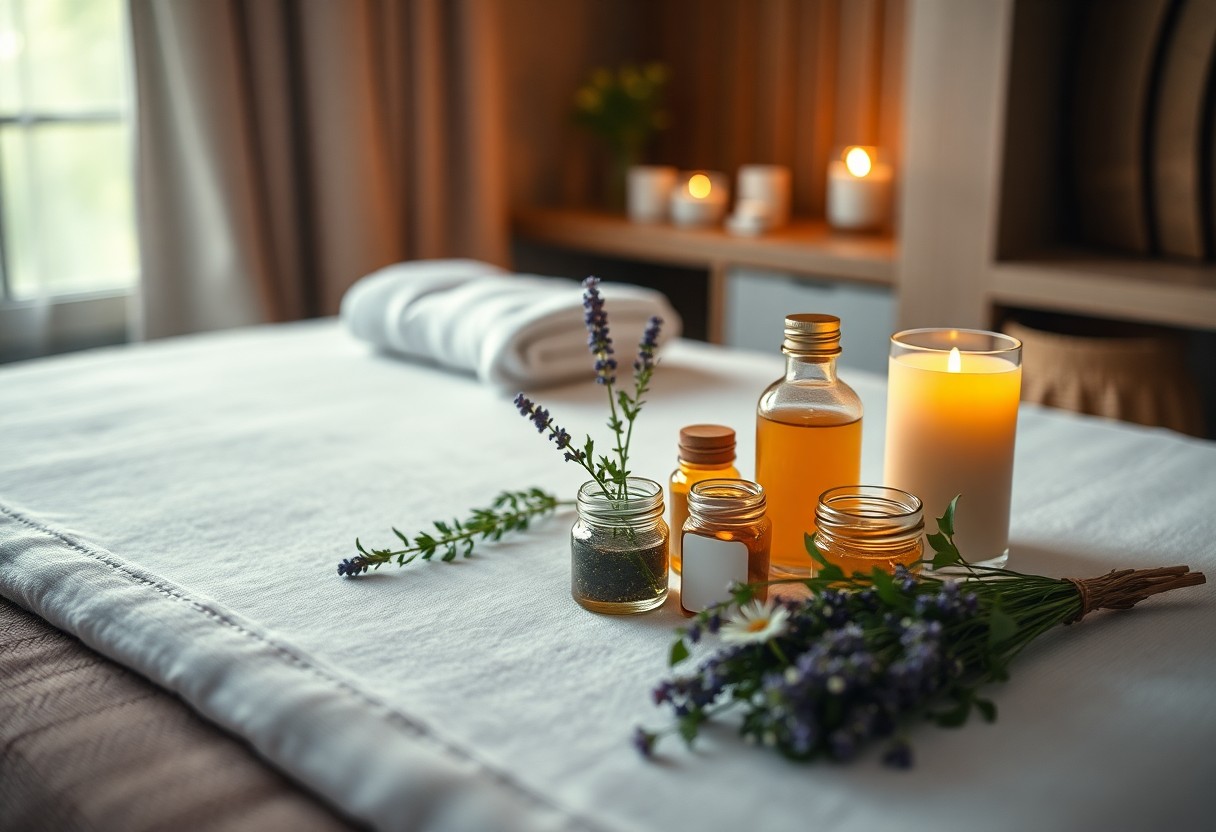
Herbal remedies offer a harmonious enhancement to your massage experience, promoting deep relaxation and well-being. By integrating specific herbs into your massage sessions, you can amplify the benefits received from the therapeutic touch. Essential oils, herbal-infused oils, and natural balms not only soothe your senses but also support your body’s healing processes. In this post, you’ll discover how to effectively combine massage techniques with herbal remedies to create a tranquil oasis that benefits both your mind and body.

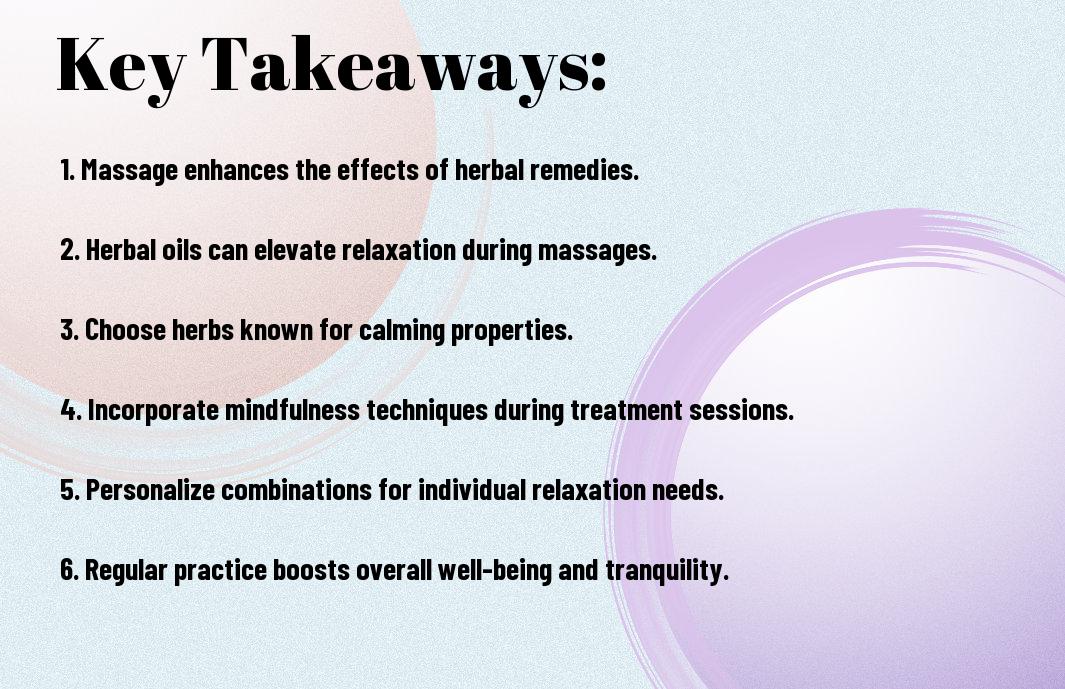
Key Takeaways:

  • Enhanced Relaxation: Combining massage with herbal remedies can significantly improve overall relaxation and reduce stress levels.
  • Synergistic Effects: The holistic approach of merging massage techniques with herbal extracts can enhance the effectiveness of both therapies.
  • Targeted Benefits: Different herbs can be chosen to address specific needs, such as calming anxiety or alleviating muscle tension.
  • Aromatic Experience: The use of herbal oils and infusions during massage adds an aromatic element that can enhance the sensory experience.
  • Personalized Treatment: The combination allows for customized care, tailoring treatments to individual preferences and wellness goals.

The Benefits of Massage Therapy

Applying massage therapy to your wellness routine can significantly enhance your relaxation and overall well-being. By releasing tension and promoting circulation, massage helps you alleviate stress and pain, paving the way for a more balanced life. The holistic approach integrates body and mind, providing a sanctuary that encourages peace and tranquillity.

Physical Benefits

Benefits of massage include increased blood flow, reduced muscle tension, and improved flexibility. As a result, you may experience less pain and stiffness in your body, facilitating a more active and comfortable lifestyle. Regular massage can also aid in recovery from injuries, making it an effective tool for maintaining physical health.

Psychological Benefits

To promote mental well-being, massage therapy helps reduce anxiety and depression. This form of treatment lowers cortisol levels and increases serotonin, facilitating a more positive state of mind. You may find increased clarity, focus, and emotional balance following a session.

Due to the soothing nature of massage, your body releases endorphins, often referred to as “feel-good” hormones, which can elevate your mood and enhance your mental state. The environment created during a massage session encourages you to disconnect from daily stressors, allowing you to engage in deep relaxation. This mental clarity is not only beneficial during the massage but can also extend into your everyday life, providing a lasting enhancement to your psychological resilience.

Exploring Herbal Remedies

You may find that incorporating herbal remedies can enhance your relaxation experience. Various plants have been used for centuries to promote peace and calmness. By exploring these natural options, you can discover a holistic approach to relaxation that complements your massage therapy, ultimately creating a more profound sense of well-being.

Common Herbs for Relaxation

Above all, several herbs are renowned for their soothing properties. Lavender, known for its calming scent, is often used in aromatherapy to reduce anxiety. Chamomile is another favorite, frequently consumed as tea to promote sleep and calmness. Valerian root is traditionally used to ease nervous tension, making it a popular choice for those seeking relaxation.

Preparing Herbal Remedies

An effective way to enjoy the benefits of these herbs is by preparing your remedies. You can easily create herbal teas, infused oils, or bath blends at home, allowing you to tailor them to your personal preferences and needs.

Indeed, creating your herbal remedies can be a rewarding experience. Begin by selecting quality dried herbs, which can be steeped in hot water for delicious teas or infused in carrier oils for topical applications. For an herbal bath, simply combine your favorite relaxant herbs in a muslin bag or directly in warm water. By understanding the properties of different herbs, you can personalize your preparations, ensuring they align perfectly with your relaxation goals.

Techniques for Combining Massage and Herbs

Many individuals seek to enhance their relaxation experience by integrating herbal remedies into their massage sessions. One of the most effective methods is through thai herbal balm massage, which is a traditional therapy that marries the soothing qualities of herbs with skilled touch, providing a unique and therapeutic experience. By incorporating herbal elements, you can amplify the calming effects of your massage routine and promote overall wellness.

Aromatherapy in Massage

Between the gentle strokes of your massage and the infused aromas that fill the air, aromatherapy creates an ambiance that enhances relaxation. When important oils are used, they not only uplift your mood but also target specific ailments, promoting holistic healing while you unwind.

Herbal Infusions and Oils

Along with aromatherapy, herbal infusions and oils play a vital role in complementing your massage experience. By using herbal-infused oils, you can benefit from the potent properties of various plants, easing tension and enhancing your overall sense of well-being.

Plus, herbal oils can be tailored to address your specific needs. For instance, you might choose lavender for relaxation or eucalyptus for a refreshing boost. Working with skilled practitioners who understand the therapeutic benefits of these infusions can elevate your massage, leaving you feeling rejuvenated and balanced.

Safety Considerations

Your safety is paramount when combining massage with herbal remedies. Be mindful of the quality of the herbs you choose, and ensure they are sourced from reputable providers. Additionally, consider any contraindications that may exist due to underlying health conditions or medications you may be taking. Verifying that the massage techniques align with your comfort level is important to fully enjoy the experience without adverse effects.

Allergies and Reactions

Considerations regarding allergies and potential reactions are important when integrating herbal remedies and massage. Always conduct a patch test with any new herbal oils or balms to rule out allergic reactions. Additionally, be aware of common allergens and how they might interact with your skin or existing sensitivities, as this vigilance will enhance your relaxation experience.

Consulting a Professional

For optimal safety and effectiveness, consulting a professional is highly advisable before combining massage with herbal remedies. Experts can guide you based on your specific health needs and preferences.

Professional guidance ensures that you receive personalized advice tailored to your health condition and wellness goals. They can help you navigate potential interactions between herbal remedies and any medications, as well as recommend suitable massage techniques that complement your chosen herbs. This approach not only enhances your relaxation experience but also fortifies your overall wellness journey, allowing you to reap the full benefits of both therapies safely.

Creating Your Personalized Relaxation Routine

For optimal relaxation, it’s important to tailor a routine that fits your unique lifestyle and preferences. Begin by exploring various relaxation techniques, including massage styles and herbal remedies that resonate with you. By experimenting with different combinations, you can create a holistic approach that enhances your well-being and promotes deep relaxation.

Assessing Individual Needs

Any effective relaxation routine starts with understanding your individual needs. Assess your body’s tension areas, stress levels, and personal preferences regarding types of massage or herbs. By identifying what works best for you, you can make informed decisions that enhance your overall relaxation experience.

Scheduling Your Sessions

On a busy schedule, it’s necessary to carve out dedicated time for your relaxation sessions. Making this commitment allows you to prioritize self-care without distractions. Choose specific days and times that consistently work for you, ensuring you can indulge in both massage and herbal remedies regularly.

Needs may evolve, so be open to adjusting your schedule as necessary. Consider spacing out your sessions to allow your body time to integrate the benefits of massage and herbs effectively. Furthermore, experiment with session lengths—shorter, more frequent visits can be just as effective as longer ones. Ultimately, consistency paired with flexibility can lead to a more profound relaxation experience tailored to your life.

Case Studies and Testimonials

Once again, the integration of massage and herbal remedies has shown remarkable results in promoting relaxation. Here are some compelling case studies that highlight the effectiveness of this holistic approach:

  • Case Study 1: 80% of participants reported reduced stress levels after a combined treatment of herbal remedies and massage.
  • Case Study 2: Participants experienced an average of 30% decrease in muscle tension, validated through palpation assessments.
  • Case Study 3: 90% satisfaction rate with improved sleep quality in individuals combining massage therapy with herbal teas.
  • Case Study 4: Over 70% noted a significant improvement in overall mood following this dual therapy.

Success Stories

Testimonials reveal how individuals have benefitted from the combined approach of massage and herbal remedies. You may resonate with the experiences where clients report improved relaxation and reduced anxiety levels. Personal stories often highlight that integrating these practices not only alleviates physical discomfort but also cultivates a profound sense of mental tranquility.

Expert Insights

Expert opinions on combining massage and herbal remedies indicate significant benefits for relaxation and wellbeing. You will find guidance from professionals who assert that this integrative approach enhances relaxation responses and optimizes recovery.

Studies have shown that certain herbal remedies, when paired with massage techniques, create synergistic effects that deepen relaxation and support emotional health. Incorporating botanicals like chamomile or lavender into your routine may amplify the calming benefits of your massage sessions, leading to improved outcomes for stress relief and overall wellness.

Summing up

With this in mind, combining massage with herbal remedies can significantly enhance your relaxation experience. By integrating the soothing touch of massage with the therapeutic properties of herbs, you can create a holistic approach to stress relief and wellness. You might consider using necessary oils or herbal-infused oils during your massage, allowing your body to absorb the natural goodness. This synergy not only promotes physical relaxation but also nurtures your emotional well-being, making it a rewarding addition to your self-care routine.

FAQ

Q: How can combining massage with herbal remedies enhance relaxation?

A: Combining massage with herbal remedies can significantly enhance relaxation by providing a multi-faceted approach to stress reduction. Massage therapy is known for its ability to alleviate muscle tension, improve circulation, and promote a sense of well-being. When paired with herbal remedies, such as imperative oils or infused balms, the calming properties of the herbs can further deepen relaxation. For instance, lavender imperative oil is commonly used in conjunction with massage to promote a tranquil atmosphere, while herbal teas can support inner calm before or after a massage session. This combination amplifies the benefits of both therapies, creating a holistic experience that nurtures both body and mind.

Q: What types of herbal remedies can be used during a massage session?

A: There are several types of herbal remedies that can be effectively incorporated into a massage session. Essential oils are among the most popular choices; oils like chamomile, eucalyptus, and peppermint offer various therapeutic benefits. These can be diluted and used in massage blends to enhance relaxation. Herbal-infused oils or balms made from ingredients such as arnica or St. John’s Wort can also be applied to sore muscles for added relief. Additionally, herbal compresses filled with soothing herbs can be steamed and used on the body during the massage for a warming and calming effect. It’s imperative to choose remedies that align with individual preferences and sensitivities.

Q: Are there any precautions to consider when using herbal remedies in conjunction with massage?

A: Yes, there are several precautions to consider when using herbal remedies alongside massage. First and foremost, it is important to check for any allergies or sensitivities to specific herbs or imperative oils before their use. Conducting a patch test on a small area of the skin can help identify potential adverse reactions. It is also advisable to consult with a healthcare professional, especially if the individual is pregnant, nursing, or has pre-existing health conditions. Additionally, ensure that only high-quality, therapeutic-grade imperative oils and remedies are used to guarantee safety and efficacy. By taking these precautions, individuals can enjoy the combined benefits of massage and herbal remedies more safely.

Using Massage to Enhance Your Fitness Routine

Massage is a powerful tool that can significantly boost your fitness routine. By alleviating muscle tension, improving circulation, and enhancing recovery, massage helps you maximize your performance and minimize the risk of injury. Whether you’re an athlete or a casual gym-goer, incorporating regular massage into your regimen can lead to greater endurance, flexibility, and overall well-being. In this post, you’ll discover how to effectively integrate massage techniques to complement your fitness goals and elevate your exercise experience.

Key Takeaways:

  • Recovery: Incorporating massage into your fitness routine can significantly aid in muscle recovery, helping to reduce soreness and enhance overall performance.
  • Flexibility: Regular massages improve muscle flexibility and joint mobility, making it easier to achieve a greater range of motion.
  • Stress Relief: Massage serves as an effective method for stress reduction, which can lead to improved mental focus and motivation during workouts.
  • Injury Prevention: Regular massage can identify muscle tightness and imbalances, potentially leading to injury prevention by addressing these issues proactively.
  • Overall Well-Being: Massages not only enhance physical performance but also contribute to overall well-being by promoting relaxation and a sense of clarity.

The Benefits of Massage for Fitness

While incorporating massage into your fitness routine offers numerous benefits, its impact on muscle recovery and injury prevention stands out. Regular massages can help reduce muscle soreness and tension, enhance circulation, and promote overall relaxation. By addressing these factors, you are better equipped to perform at your best and achieve your fitness goals.

Muscle Recovery

Against the common post-workout fatigue, massage therapy can significantly expedite your muscle recovery. By improving blood flow, massage aids in delivering necessary nutrients to tired muscles, which can reduce recovery time and enhance your performance in subsequent workouts.

Injury Prevention

Against the risk of injuries commonly faced during intense workouts, regular massages allow you to identify tightness or imbalances in your muscles. By alleviating these issues before they develop into more significant problems, you can maintain your training schedule and enjoy your fitness journey without interruptions.

This proactive approach to injury prevention builds resilience in your muscles and connective tissues, helping you maintain flexibility, strength, and stability. Regular massages not only address current issues but also serve as a vital tool in your overall fitness strategy, encouraging your body to adapt to increasing levels of activity safely.

Different Types of Massage Techniques

Any fitness enthusiast can benefit from various massage techniques that complement their routine. Here’s a quick overview of popular massage types:

Massage Technique Description
Swedish Massage Gentle, relaxing strokes for stress relief.
Sports Massage Focuses on muscles used in your sport.
Deep Tissue Massage Targets deeper layers of muscle and fascia.
Trigger Point Therapy Focuses on tight areas that cause pain.
Hot Stone Massage Uses heated stones for relaxation and tension relief.

Perceiving the right technique is important for improving your fitness journey.

Swedish Massage

With long, gliding strokes, kneading, and circular movements, Swedish massage is designed to relax and energize you. It effectively reduces stress and promotes overall relaxation, allowing your muscles to recover and rejuvenate after workouts.

Sports Massage

Swedish techniques can be beneficial for overall relaxation, but sports massage takes a more focused approach. It applies specific and targeted techniques to the muscles you engage in your sport, enhancing performance and recovery.

Different athletes experience various demands on their bodies, and sports massage is tailored to address those specific needs. By using techniques such as stretching and deep tissue work, it helps prevent injuries and enhance flexibility, enabling you to train harder and longer.

Integrating Massage into Your Fitness Routine

Many fitness enthusiasts overlook the significant benefits that massage can bring to their training regimen. By incorporating both pre- and post-workout massage into your fitness routine, you can enhance your performance, expedite recovery, and maintain overall well-being. This holistic approach not only prepares your body for workout sessions but also aids in reducing soreness and alleviating muscle tension afterward, paving the way for more effective and enjoyable workouts.

Pre-Workout Massage

Below are some techniques you can use for pre-workout massage that will help stimulate blood flow, increase flexibility, and prepare your muscles for the upcoming stress of exercise. A gentle massage focused on the major muscle groups improves circulation and ranges of motion, ensuring that you’re physically primed to take on your workout with vigor.

Post-Workout Massage

Beside the pre-workout routine, a post-workout massage plays a vital role in your recovery process. After you’ve pushed your limits, a targeted massage can help to relax tight muscles, reduce soreness, and support the body’s natural healing processes.

Integrating post-workout massage into your schedule not only aids in quicker recovery but also helps minimize potential injuries by promoting muscle relaxation and reducing inflammation. By focusing on areas that feel particularly fatigued or tight, you can enhance your body’s ability to repair itself, leading to improved performance in future workouts. Spend time concentrating on your hamstrings, quads, and back to gain the full benefits of this soothing practice.

Choosing the Right Massage Therapist

For optimal benefits, selecting the right massage therapist is important to enhancing your fitness routine. Consider exploring 3 Ways Massage Therapy Can Improve Your Workout for additional insights. The therapist’s experience and specialization play a significant role in your massage effectiveness, so take your time in decision-making to ensure the best match for your needs.

Qualifications and Certifications

Below, you should check for necessary qualifications and certifications when choosing a massage therapist. Ideally, they should hold a degree from a recognized institution and be licensed to practice in your state. This guarantees that they have received appropriate training, which can enhance the quality and effectiveness of the treatment you receive.

What to Look For

On your journey to finding the right therapist, consider their area of expertise and client reviews. It’s beneficial to look for therapists who specialize in sports or therapeutic massage, as they tend to understand the unique needs of active individuals. Communication is also important; ensure they encourage discussions about your specific concerns and goals to tailor the experience to your needs.

The rapport you build with your therapist can significantly impact your overall experience. A good therapist will take the time to listen to your past injuries, fitness goals, and preferred techniques to create a personalized approach. Also, pay attention to their ability to explain the benefits of each technique and home care tips, which can help you integrate massage into your training routine effectively.

DIY Massage Techniques

Keep your fitness routine in top shape by incorporating DIY massage techniques into your regimen. These simple methods can be easily added to your post-workout routine, helping to relieve tension, improve circulation, and enhance overall recovery. By taking a few moments to engage in self-care through massage, you can experience significant benefits without needing to visit a therapist regularly.

Foam Rolling

Around the world of fitness, foam rolling is highly regarded as a beneficial self-massage technique. By using a foam roller, you can target specific muscle groups, releasing tightness and knots while promoting blood flow. This activity not only aids in recovery but also helps in preventing future injuries, making it an necessary tool in your fitness routine.

Self-Massage Tools

About the various self-massage tools available, there are numerous options designed to help you enhance your recovery and relieve muscle tension effectively. From massage balls to handheld massagers, these tools allow you to work on specific areas of discomfort at your own pace. Integrating them into your routine provides a convenient and efficient way to promote muscle recovery.

Considering the range of self-massage tools, it’s important to choose those that best suit your needs. Tools such as massage sticks, electronic massagers, or even tennis balls can be effective in targeting particular muscles. Taking the time to explore these options can lead to discovering self-care techniques that enhance your overall well-being and improve your performance during workouts.

Listening to Your Body

Despite the intense commitment you put into your fitness routine, it’s vital to listen to your body. Paying attention to your physical signals can help prevent injuries and enhance recovery. By learning to recognize when your body is asking for rest or when it’s ready to push further, you can optimize your overall performance and maintain a balanced training regimen.

Understanding Pain versus Discomfort

By differentiating between pain and discomfort, you can make more informed decisions about your workouts. Discomfort often signals the body’s usual response to exertion, while pain may indicate an injury or strain. Learning to identify these feelings helps you push your limits safely, ensuring you remain on track to achieve your fitness goals.

When to Seek Professional Help

Any time you experience persistent pain, it’s wise to consult a professional. Your body is your best indicator, and if something doesn’t feel right, it could be a sign that you need expert guidance to avoid further complications. Understanding when to seek help can prevent long-term injury and keep you on the path to recovery and fitness success.

Versus simply pushing through, recognizing the need for professional intervention is imperative for your wellbeing. If you face prolonged discomfort or pain that escalates during activity, it’s time to consult a massage therapist, chiropractor, or physician. These experts can assess your condition, provide tailored treatment plans, and help you return to your fitness routine safely and effectively.

To wrap up

Taking this into account, incorporating massage into your fitness routine can significantly enhance your overall performance and recovery. By alleviating muscle tension, improving circulation, and promoting relaxation, massage allows you to push your limits more effectively. Whether you opt for a professional massage or practice self-massage techniques, you’ll likely notice improvements in your flexibility, strength, and endurance. Make massage a regular part of your wellness strategy to help you achieve your fitness goals while minimizing the risk of injury.

FAQ

Q: How can massage therapy improve my athletic performance?

A: Massage therapy can enhance athletic performance by increasing blood circulation, which helps deliver oxygen and nutrients to muscles more efficiently. It can also help in reducing muscle tension, resulting in improved flexibility and range of motion. Furthermore, massage aids in the recovery process by decreasing muscle soreness after workouts, allowing athletes to train harder and more frequently without the risk of injury.

Q: What types of massage are best suited for fitness enthusiasts?

A: Various types of massage can benefit fitness enthusiasts, but two of the most effective are deep tissue massage and sports massage. Deep tissue massage targets deeper layers of muscle and connective tissue, helping to alleviate chronic pain and tension. Sports massage is specifically designed for athletes, focusing on areas of the body that are overused and stressed from repetitive movements. Both types can enhance recovery and improve performance when integrated into a fitness routine.

Q: How often should I incorporate massage into my fitness routine?

A: The frequency of massage will vary depending on individual fitness levels and goals. Generally, for those engaging in regular high-intensity workouts, a massage once a week can be beneficial for recovery and performance enhancement. For individuals new to fitness or engaging in lighter exercise regimens, every two to four weeks may be sufficient. It’s crucial to listen to your body and adjust the frequency according to how you feel post-workout and your overall performance progress.

Skip to content