Massage

Can Massage Help with Carpal Tunnel Syndrome

Massage can be a beneficial approach to managing Carpal Tunnel Syndrome (CTS), a condition characterized by pain and discomfort in your wrist and hand. By alleviating tension and improving circulation, massage therapy may help reduce the associated symptoms of CTS, allowing you to regain mobility and comfort. In this post, you’ll learn about various massage techniques, their benefits, and how they can complement other treatments for your condition, enhancing your overall well-being.

Key Takeaways:

  • Massage Therapy can provide relief for Carpal Tunnel Syndrome by reducing muscle tension and improving circulation in the affected area.
  • Manual Manipulation techniques, such as deep tissue massage, may help alleviate symptoms and improve flexibility in the wrist and hand.
  • Consultation with a Professional is necessary to determine the most suitable massage approach, ensuring it complements other treatments effectively.

Understanding Carpal Tunnel Syndrome

The carpal tunnel syndrome (CTS) is a common condition that affects the wrist and hand, resulting from pressure on the median nerve as it passes through the carpal tunnel. This passage, formed by bones and ligaments, can become crowded due to inflammation, repetitive movements, or certain health conditions. Understanding CTS is vital, as it can result in pain, numbness, and weakness in your hand, impacting daily activities and overall quality of life.

Causes and Symptoms

By identifying the causes and symptoms of carpal tunnel syndrome, you can better understand how it may be affecting you. Common causes include repetitive hand movements, wrist injuries, and underlying conditions like diabetes or arthritis. Symptoms often begin gradually, including tingling or numbness in your fingers, especially when using your hands extensively. You may also experience weakness in grip strength, leading to difficulty in performing everyday tasks.

Diagnosis and Evaluation

Between self-assessments and professional evaluations, diagnosing carpal tunnel syndrome involves a combination of your medical history, physical examinations, and diagnostic tests. Your healthcare provider will ask about your symptoms and any repetitive activities you engage in. A physical assessment may include tests to evaluate your hand’s strength and sensation, while additional tests such as nerve conduction studies might be recommended to assess median nerve function.

At this stage, obtaining an accurate diagnosis is necessary for effective treatment options. Your healthcare professional will typically conduct a thorough physical examination, checking for signs of numbness, tingling, and weakness. Diagnostic tests, including electromyography (EMG) and nerve conduction studies, may be utilized to assess the electrical activity of your muscles and the speed of nerve signals. These evaluations can help determine the severity of your condition and guide appropriate treatment measures tailored to your needs.
Benefits of Massage Therapy

There’s a wealth of benefits that massage therapy can bring, especially for those suffering from carpal tunnel syndrome. By targeting the muscles and tissues surrounding the wrist and forearm, massage can help alleviate symptoms and promote healing. Regular massage can also improve your overall well-being, providing both physical and mental relaxation that contributes to better health outcomes.

Pain Relief and Muscle Relaxation

About massage therapy’s effectiveness for pain relief and muscle relaxation, it directly addresses the tight muscles and tension surrounding the carpal tunnel. By using various techniques, therapists can reduce discomfort, improve mobility, and enhance muscle flexibility, facilitating a quicker recovery from symptoms associated with carpal tunnel syndrome.

Improved Circulation

On the topic of improved circulation, massage therapy plays a pivotal role in enhancing blood flow to the affected areas. Increased circulation delivers crucial nutrients and oxygen to tissues, accelerating the healing process and providing relief from discomfort.

In fact, when circulation is improved, you not only feel relief from pain but also experience a reduction in swelling and inflammation. This enhanced blood flow helps your body flush out toxins and promotes the regeneration of nerve and muscle tissues, aiding in the overall management of carpal tunnel syndrome. The cumulative effects of improved circulation can lead to significant long-term benefits for your wrist health.

Types of Massage Techniques for Carpal Tunnel Syndrome

Keep in mind that various massage techniques can aid in alleviating the symptoms of Carpal Tunnel Syndrome. Here are a few effective types:

  • Swedish Massage
  • Deep Tissue Massage
  • Trigger Point Therapy
  • Neuromuscular Therapy
  • Myofascial Release

Perceiving the right massage technique can significantly enhance your recovery experience.

Technique Description
Swedish Massage Gentle strokes to relax muscles and improve circulation.
Deep Tissue Massage Focuses on deeper muscle layers to relieve pain.
Trigger Point Therapy Targets specific knots to reduce tension.
Neuromuscular Therapy Balances the nervous system and relieves muscle pain.
Myofascial Release Releases tension in the fascia surrounding muscles.

Neuromuscular Therapy

Above all, neuromuscular therapy focuses on balancing the body’s nervous system and relieving muscle pain associated with Carpal Tunnel Syndrome. By targeting specific trigger points and tight areas, you can experience reduced discomfort and overall improved function in your hands and wrists.

Myofascial Release

Around this technique, myofascial release works to address the fascial tissue surrounding your muscles, which can become tight or restrictive. By applying gentle sustained pressure, it helps release tension and improve blood flow, promoting healing and mobility in the affected areas.

Further, myofascial release can enhance your overall well-being by restoring flexibility and function. This technique not only alleviates discomfort from Carpal Tunnel Syndrome but also aids in reducing stress and improving posture, making it a holistic approach to treatment.

Personalizing Massage Treatment

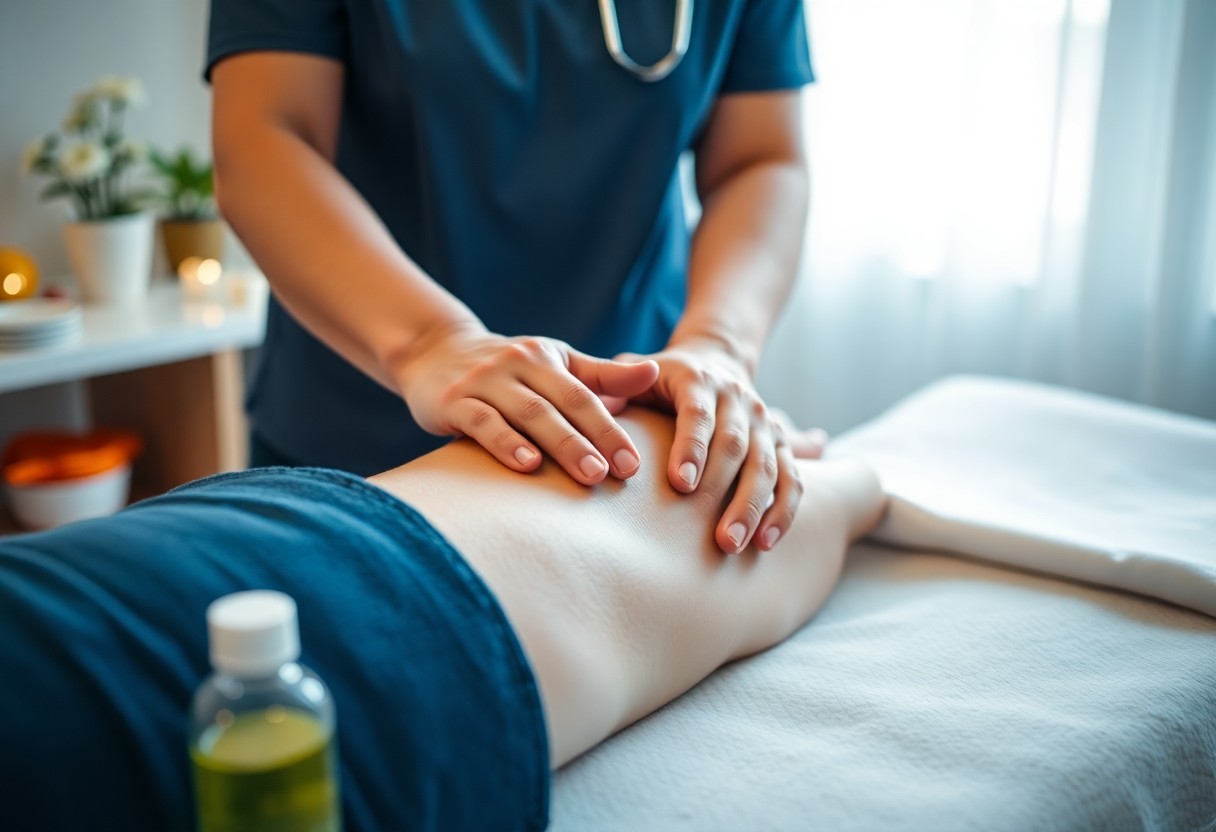
Your approach to massage therapy for carpal tunnel syndrome should be tailored to your unique needs and symptoms. A qualified massage therapist will assess your condition and recommend techniques that may include deep tissue, trigger point therapy, or myofascial release. By discussing your specific areas of discomfort and any contributing factors, you can work together to create a personalized treatment plan that promotes healing and alleviates pain.

Frequency and Duration of Sessions

About the frequency and duration of massage sessions, it’s important to find a balance that works for you. Regular sessions, typically ranging from 30 minutes to an hour, may be beneficial. Depending on the severity of your symptoms, you might start with weekly visits and gradually decrease as you experience improvement.

Combining Massage with Other Therapies

Combining massage with other therapies can enhance your treatment experience. Integrative approaches that include stretching, strength training, or occupational therapy can provide comprehensive relief from carpal tunnel syndrome. By addressing both the symptoms and underlying factors, you can achieve better long-term results.

Hence, incorporating additional therapies alongside massage can optimize your recovery. For instance, practicing ergonomic adjustments at your workstation or incorporating exercises to strengthen your wrist and hand can complement the benefits of massage. By taking a holistic view of your treatment plan, you enable yourself to tackle the condition from multiple angles for effective relief.
Safety and Considerations

Once again, it is important to prioritize safety when considering massage for carpal tunnel syndrome. Be mindful that while massage can be beneficial, certain techniques may aggravate your condition. Always choose a qualified therapist who understands your specific symptoms and limitations. You should also listen to your body during and after the massage, and discontinue if you experience increased pain or discomfort.

When to Avoid Massage

To ensure your wellbeing, avoid massage if you have severe inflammation, recent injuries, or fractures in your wrists and hands. Additionally, if you are experiencing acute pain, numbness, or tingling, it may be best to seek alternative treatments until your symptoms improve.

Consulting Healthcare Professionals

Avoid self-diagnosis and treatment; consulting healthcare professionals is important for carpal tunnel syndrome management. They can provide accurate evaluations and recommend appropriate therapies tailored to your needs. Seeking their guidance helps ensure that you make informed decisions about your treatment options.

Considering your symptoms and individual circumstances, healthcare professionals can also guide you on when massage might be beneficial or contraindicated. They can help you understand how massage fits into a broader treatment plan, including exercises, ergonomic adjustments, or other modalities. Collaborating with your healthcare team ensures a comprehensive approach to alleviating your carpal tunnel symptoms effectively.

Patient Testimonials and Case Studies

To illustrate the effectiveness of massage therapy for Carpal Tunnel Syndrome, you can consider the following case studies and testimonials from individuals who experienced significant improvements:

  • Case Study 1: A 35-year-old graphic designer reported a 70% reduction in pain after 6 weekly massage sessions.
  • Case Study 2: A 52-year-old warehouse worker found improved grip strength and a decrease in tingling sensations following 8 sessions over 2 months.
  • Case Study 3: A 28-year-old musician experienced relief from numbness and increased range of motion after 5 deep tissue massages.
  • Case Study 4: A 45-year-old office worker noted a complete turnaround in symptoms after 10 sessions, allowing for a return to favored activities.

These testimonials highlight the potential benefits of massage therapy as part of your treatment plan for Carpal Tunnel Syndrome.

To wrap up

Hence, incorporating massage therapy into your treatment plan for Carpal Tunnel Syndrome can significantly alleviate discomfort and promote healing. By targeting the muscles and connective tissues in your hands and forearms, massage can improve blood circulation, reduce tension, and enhance your overall hand function. While it may not be a standalone solution, working with a qualified massage therapist can complement other treatments you may be pursuing, such as stretches or ergonomic adjustments. Always consult your healthcare provider to ensure a comprehensive approach tailored to your specific needs.

FAQ

Q: Can massage effectively alleviate the symptoms of carpal tunnel syndrome?

A: Yes, massage can help alleviate symptoms associated with carpal tunnel syndrome. By focusing on the muscles in the forearm and hand, massage can relieve tension, improve circulation, and reduce inflammation. Techniques such as deep tissue massage and myofascial release can be particularly beneficial in easing discomfort and improving mobility.

Q: Which types of massage are best for carpal tunnel syndrome?

A: Various types of massage can be beneficial for carpal tunnel syndrome, including Swedish massage, deep tissue massage, and trigger point therapy. Each technique addresses different muscle groups and can help reduce tension in the hands, forearms, and wrists. Consulting with a licensed massage therapist who has experience in treating carpal tunnel syndrome can help determine the most effective approach for your individual needs.

Q: How often should I receive massage therapy for carpal tunnel syndrome?

A: The frequency of massage therapy for carpal tunnel syndrome can vary based on individual needs and the severity of the symptoms. Many individuals find relief with weekly sessions, while others may benefit from bi-weekly or monthly treatments. It’s imperative to consult with a healthcare professional to create a personalized treatment plan that may complement your existing therapies.

Q: Can massage be used in conjunction with other treatments for carpal tunnel syndrome?

A: Yes, massage can be used alongside other treatments for carpal tunnel syndrome, such as physical therapy, splinting, or medications. Integrating massage therapy into a comprehensive treatment plan may enhance overall recovery and provide more significant relief from symptoms. Always consult with a healthcare provider to ensure that all treatments work harmoniously and address your specific condition.

Q: Are there any risks associated with massage therapy for carpal tunnel syndrome?

A: While massage therapy is generally safe, individuals with carpal tunnel syndrome should be cautious and inform their massage therapist about their condition. In some cases, excessive pressure or improper techniques may exacerbate symptoms. It is vital to communicate openly during the session and to seek a qualified therapist who specializes in conditions like carpal tunnel syndrome to minimize any potential risks.
How to Create a Relaxing Atmosphere for Massage

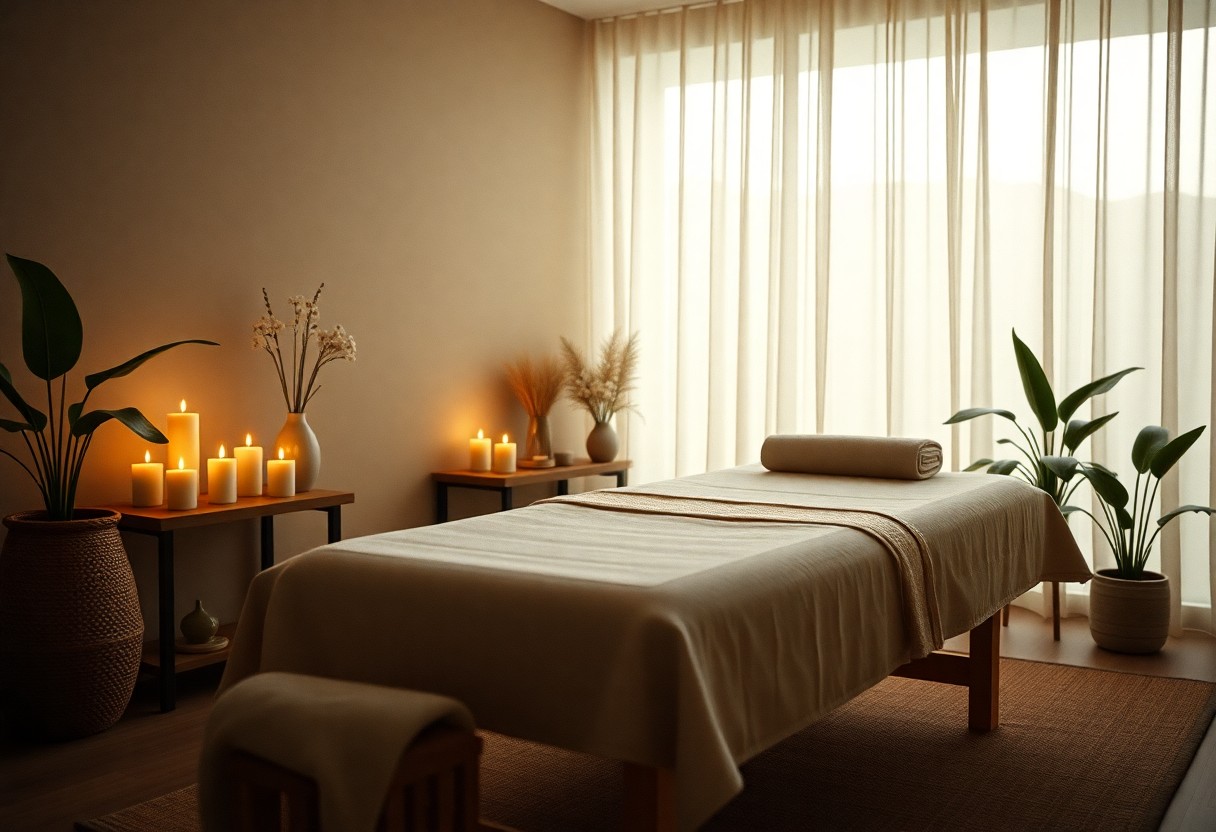
You can enhance your massage experience significantly by creating a relaxing atmosphere in your space. By focusing on elements such as lighting, sound, and scent, you can transform an ordinary environment into a soothing oasis. This blog post will guide you through imperative tips and techniques to help you set the perfect mood before your massage, ensuring that you fully enjoy the therapeutic benefits of relaxation and rejuvenation.

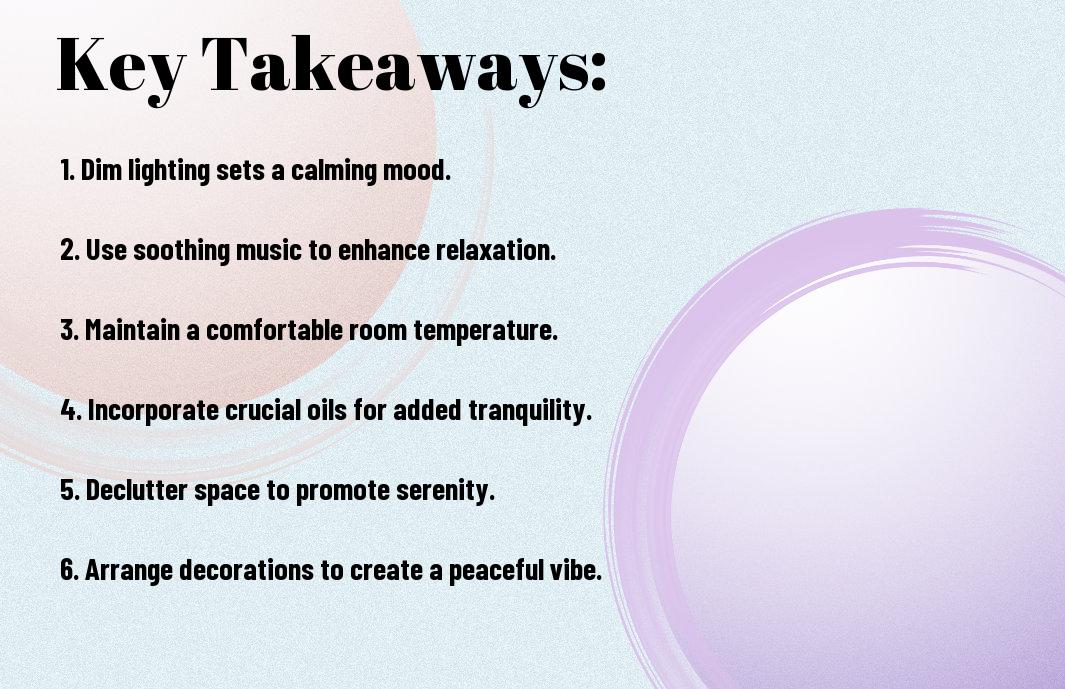
Key Takeaways:

  • Lighting: Use dim lighting or candles to create a soft and calming ambiance that enhances relaxation.
  • Sound: Incorporate gentle music or nature sounds to promote tranquility and drown out distractions.
  • Aroma: Utilize necessary oils or scented candles to evoke a soothing atmosphere through pleasant fragrances.

Understanding the Importance of Atmosphere

Your environment plays a significant role in how you experience a massage. A soothing atmosphere can elevate your sense of relaxation, reduce stress, and create a deeper emotional connection with the treatment. By paying close attention to the elements of your surroundings, you can enhance the benefits of the massage, allowing both your body and mind to unwind and rejuvenate. Therefore, curating a space that promotes serenity is important for maximizing your massage experience.

The Psychological Effects of a Relaxing Environment

Relaxing surroundings can significantly lower anxiety levels and enhance overall well-being. The colors, sounds, and scents in your space all influence your mood and psychological state. When the environment is thoughtfully designed to be calming, it can lead to improved mental clarity, greater relaxation, and an overall sense of peace. This shift in mental state not only heightens the enjoyment of your massage but also contributes to more profound therapeutic benefits.

Enhancing the Massage Experience Through Ambiance

Against a backdrop of lush lighting, soothing music, and gentle aromas, your massage experience is transformed. Tailoring these elements to your personal preferences can create a sanctuary where you can completely let go of the outside world. This meticulous attention to ambiance allows your body to respond more favorably to the massage techniques employed, leading to a deeper sense of relaxation and rejuvenation.

But creating the right ambiance involves more than just surface details; it encompasses a holistic approach to the entire experience. Consider the use of dim lighting to foster a tranquil atmosphere and the inclusion of soft music or nature sounds to further enhance relaxation. Aromatherapy with important oils can also be an excellent addition, evoking memories of peace and calm. By integrating these elements, you not only enhance your immediate experience but also cultivate a lasting sense of well-being long after the massage has ended.

Key Elements for a Relaxing Atmosphere

If you aim to create a serene space for massage, focus on elements that evoke calm and comfort. This includes attention to lighting, sound, and scent, which can all significantly enhance the relaxation experience. Each aspect should work harmoniously to promote tranquility, allowing you and your clients to fully unwind.

Lighting: Softness and Warmth

An inviting atmosphere begins with the right lighting. Opt for soft, warm lights that can be easily adjusted to create a cozy environment. Dimmable lamps or candles can provide ideal illumination, helping to lower stress levels and encourage relaxation during your massage sessions.

Sound: The Role of Music and Silence

Across the room, the soundscape can greatly influence the mood. Calming music or nature sounds can aid in creating a soothing backdrop, while periods of silence can enhance the focus on body sensations during the massage. It’s vital to tailor the auditory experience to your preferences and the needs of your clients.

Lighting is not just about visibility; it also sets the mood for your massage environment. Opt for soft hues like warm whites or soft yellows to create an inviting ambiance. Using lamps with adjustable brightness allows you to change the intensity based on the desired effect, whether you want a cozy spot for relaxation or a more intensely focused space. The warmth of colored lights can soothe anxieties and promote an overall sense of well-being, making it a vital component in your massage setting.

Choosing Scent to Enhance Relaxation

Not all scents promote relaxation, so it’s crucial to choose aromas that help you unwind. Opt for calming fragrances like lavender, chamomile, or sandalwood which have been shown to alleviate stress and foster a sense of peace. Experimenting with different scents can also help you find the one that resonates best with your personal preferences, ensuring your massage session is a truly soothing experience.

Essential Oils and Their Benefits

About crucial oils, they are concentrated extracts from plants that carry their distinctive scents and therapeutic properties. Oils like eucalyptus can invigorate and clarify the mind, while bergamot is known for its ability to relieve anxiety. Incorporating crucial oils into your massage environment can enhance both the physical and emotional benefits you experience during treatment.

Incorporating Natural Aromas

After selecting your preferred crucial oils, you can enrich your massage space by integrating natural aromas in various ways. Diffusers, candles, or even oil drops on your pillow can create an inviting ambiance that promotes relaxation and stress relief.

To effectively incorporate natural aromas, consider using a diffuser to disperse crucial oils throughout the room. This method ensures an even and subtle distribution of fragrance, promoting a calming atmosphere. You may also opt for scented candles that complement your chosen oils, igniting both scent and soft light. Additionally, placing bowls of dried herbs or using potpourri can provide gentle, lingering smells that enhance the overall experience, making your massage session even more enjoyable.

Selecting the Right Space

Now, choosing the ideal space for a massage is key to fostering relaxation. Look for a location that is quiet, away from distractions, and has a calming atmosphere. Natural light, if possible, can enhance the ambiance, while a clean and organized environment sets the tone for a soothing experience. Consider the scent of the space as well; subtle aromas can elevate the entire massage experience, promoting tranquility and comfort.

Preparing Your Massage Area

Among the first steps in setting up your massage area is to create a clean and inviting environment. Make sure to declutter the space, removing unnecessary items that may cause distractions. Incorporate soft lighting to create a warm atmosphere, and consider using relaxing elements, like incense or imperative oils, to stimulate your senses and enhance relaxation during the massage.

Furniture and Layout Considerations

About the furniture and layout of your massage space, it’s important to choose pieces that promote comfort and accessibility. A massage table should be centered and easily reachable, while chairs or cushions can provide additional seating for relaxation. Maintain a spacious layout to avoid crowding, allowing for easy movement around the area, which enhances the overall experience for both you and your client.

To optimize your space, select furniture that reflects comfort and relaxation. Invest in a quality massage table to ensure the receiver’s comfort, and incorporate soft cushions or bolsters for added support. Additionally, consider the overall flow of the room; arranging furniture to facilitate ease of movement helps create a tranquil environment, diminishing any feelings of confinement. The goal is to maintain an open, uncluttered space that invites serenity, allowing for a truly rejuvenating massage experience.

The Role of Temperature and Comfort

Many factors contribute to creating a relaxing atmosphere for massage, and temperature and comfort play significant roles. Ensuring a conducive environment is vital for your overall experience. Below is a breakdown of how to achieve the right temperature and comfort during your massage sessions:

Factor Impact
Room Temperature Affects muscle relaxation and overall comfort
Airflow Helps in keeping the atmosphere fresh and comfortable
Humidity Influences how warm or cool the space feels

Finding the Optimal Room Temperature

Above all, the ideal room temperature for massage should be comfortably warm, generally between 70°F to 75°F (21°C to 24°C). You can adjust the thermostat or use a space heater to achieve this range. Keeping the temperature steady will help you relax and fully embrace the benefits of your massage.

Additional Comfort Items (Blankets, Pillows)

Room enhancements like blankets and pillows add an extra layer of comfort, ensuring you feel cozy throughout your massage. These items support your body and help to maintain warmth, creating a cocoon-like environment that promotes relaxation.

But the importance of comfort items goes beyond just warmth. Plush blankets can provide a sense of security, while carefully placed pillows allow you to maintain a relaxed posture. You may adjust pillows to elevate specific areas of your body, enhancing your comfort further. Choosing the right materials and thickness for these items can make all the difference in your overall massage experience.

Tips for Maintaining Relaxation During the Massage

Despite the best intentions, maintaining relaxation throughout your massage can sometimes prove challenging. Here are some tips to help you stay in a peaceful state:

  • Focus on your breathing
  • Communicate openly with your therapist
  • Let go of any tension in your body
  • Visualize calming imagery

This approach not only enhances your experience but also fosters a deeper connection with the massage process. For more insights on Creating a Tranquil Massage Environment, consider the ambiance you wish to achieve.

Setting Boundaries and Expectations

One of the keys to a fulfilling massage experience is to establish clear boundaries and expectations. Communicate openly with your therapist about any areas of discomfort or specific needs, so they can tailor the session to your preferences. This proactive approach ensures that you feel safe and respected, allowing you to relax more fully.

Incorporating Mindfulness Techniques

The practice of mindfulness can significantly enhance your massage experience. By engaging fully in the present moment, you allow yourself to appreciate each sensation and release any lingering stress. This can involve focusing on your breath or gently observing your thoughts without judgment, allowing distractions to drift away.

This engagement with mindfulness fosters a stronger connection to your body, making each massage session not only therapeutic but deeply rejuvenating. By concentrating on the sensations and the present moment, you can unlock a more profound sense of relaxation and enjoyment from the massage.

To wrap up

Conclusively, creating a relaxing atmosphere for massage involves thoughtfully combining elements such as soft lighting, calming scents, and gentle music. You should also consider the temperature of the room and ensure the space is free from distractions. By prioritizing comfort and serenity, you can enhance your massage experience, allowing for deeper relaxation and improved well-being. Tailoring the environment to your preferences will not only maximize the benefits of the massage but also significantly contribute to your overall sense of peace.

Q: What elements contribute to a relaxing atmosphere for massage?

A: Several elements can enhance the relaxation of a massage environment. Soft lighting is important; consider using lamps with dimmers or candles to create a soothing glow. The sound of calming music or nature sounds can help drown out any distracting noises; choose tracks that are gentle and layered softly. Aromatherapy is also effective; using important oils like lavender or eucalyptus in a diffuser can promote relaxation. Lastly, comfortable temperature settings and tidy surroundings contribute to an overall feeling of tranquility.

Q: How can I use lighting to create a calming space?

A: Lighting plays a significant role in setting the mood for relaxation. Opt for dimmable lights or use lamps with warm-colored bulbs to create a soft, inviting glow. Avoid harsh overhead lights, as they can feel jarring. Candles can also add to the ambiance; they not only provide gentle light but also create a sense of warmth. If possible, use natural light during the day by keeping windows uncovered, supplementing it with softer lighting as the day transitions to evening.

Q: What type of music should be played during a massage?

A: The right music can greatly enhance a massage experience. Select instrumental tracks that are calming and lack sudden changes in tempo. Music genres like classical, ambient, or nature sounds create an unobtrusive background that promotes relaxation. Ensure the volume is low so it enhances the experience without overwhelming the senses. There are also many playlists specifically designed for spa and relaxation purposes available on various streaming platforms to consider.

Q: How can I incorporate scents into the massage environment?

A: Utilizing scents can significantly elevate the relaxation experience. Essential oils, such as lavender for its calming properties or peppermint for a refreshing atmosphere, can be used in a diffuser to fill the space with aroma. Alternatively, you can use scented candles or incense. Be sure to choose scents that promote relaxation rather than those that are overly strong or stimulating. You may want to introduce scents gradually and monitor the client’s reactions to ensure comfort.

Q: What practical arrangement can improve comfort during a massage?

A: The physical setup of the space is important for comfort. Ensure that the massage table is properly padded and covered with clean linens. Provide a variety of pillows for support, allowing clients to find their preferred comfort level. The surrounding area should be free of clutter to promote a sense of calm and serenity. Maintain a comfortable room temperature, and consider providing a gentle blanket for added warmth during the session.

The Connection Between Massage and Mindfulness

Understanding the relationship between massage and mindfulness can enhance your overall well-being. When you engage in massage therapy, it’s not just a physical experience; it also creates a space for mental clarity and relaxation. By practicing mindfulness during your massage session, you can deepen your relaxation and foster a greater awareness of your body and mind. This blog post explores how incorporating mindfulness into your massage routine can benefit you, promoting both physical health and emotional balance.

Key Takeaways:

  • Enhances Relaxation: Both massage and mindfulness practices promote a state of relaxation, helping to reduce stress and tension in the body.
  • Increases Body Awareness: Engaging in massage encourages individuals to connect with their physical sensations, fostering greater awareness and presence in the moment.
  • Improves Emotional Well-being: The combination of touch and mindfulness can support emotional regulation, leading to improved mental health and a sense of calm.

Understanding Mindfulness

Your journey into mindfulness begins with an understanding of its core principles. Mindfulness invites you to be present, fully engaging with your thoughts, feelings, and surroundings without judgment. By cultivating this awareness, you can develop a deeper connection to yourself and foster a greater sense of emotional balance.

Definition of Mindfulness

The term mindfulness refers to the practice of maintaining a heightened awareness of your thoughts, feelings, bodily sensations, and the surrounding environment. This awareness allows you to observe these elements without getting caught up in them, enabling a sense of calm and clarity.

Benefits of Mindfulness Practice

An imperative aspect of mindfulness practice is its ability to enhance well-being and reduce stress. Individuals who engage in mindfulness regularly can experience improved mental clarity, emotional stability, and overall quality of life.

Mindfulness offers a range of benefits that can profoundly impact your daily life. It can help alleviate anxiety, improve focus, and even enhance your relationships by fostering greater empathy and understanding. As you practice mindfulness, you learn to pause and observe your reactions, leading to more intentional responses instead of automatic ones. This shift creates a constructive space for self-reflection and growth, enabling you to navigate challenges with greater ease and resilience.

The Role of Massage Therapy

If you seek a way to enhance your overall well-being, massage therapy can be an invaluable tool. By promoting relaxation and reducing stress, this therapeutic approach not only soothes your body but also nurtures your mind. Engaging in massage therapy supports a deeper connection to mindfulness, allowing you to become more attuned to your physical sensations and emotional state.

Overview of Massage Techniques

One of the appealing aspects of massage therapy is the variety of techniques available to suit your individual needs. From Swedish and deep tissue to aromatherapy and hot stone, each method focuses on different aspects of muscle release and tension relief, providing you with options to explore and find what resonates best with your body.

Benefits of Massage Therapy

Before integrating massage therapy into your routine, it’s valuable to understand the multitude of benefits it offers. Regular sessions can alleviate muscle tension, improve circulation, and enhance your mood, supporting your mental clarity and emotional resilience.

The benefits of massage therapy extend beyond immediate relaxation. By reducing stress hormones and increasing the production of feel-good chemicals like endorphins, massage can significantly impact your mental health. Additionally, as you experience greater relaxation and relief from physical discomfort, you may find it easier to achieve a mindful state, allowing you to engage more deeply in the present moment. Your connection to both body and mind is enhanced, fostering overall well-being.

The Intersection of Massage and Mindfulness

For many, the intertwining of massage and mindfulness offers a deeper, more enriching experience. When combined, these practices create a harmonious balance between physical relaxation and mental clarity. The intentional focus on the present moment in both massage and mindfulness can enhance the overall benefits, allowing you to cultivate awareness and connection with your body, reducing stress and fostering emotional well-being.

How Massage Enhances Mindfulness

Behind the soothing strokes and gentle pressure of massage lies a powerful tool for enhancing mindfulness. As your body relaxes under skilled hands, you are provided an opportunity to tune into your physical sensations and emotional state. This heightened awareness helps you to cultivate a deeper understanding of your body, ultimately fostering a serene state of mind as you learn to release tension both physically and mentally.

The Mindful Massage Experience

Any massage session can become a mindful experience when you prioritize presence and intention. By focusing on your breath and connecting with the sensations in your body, you shift your attention from external distractions to your internal landscape. This mindful approach allows you to truly savor the therapeutic qualities of the massage, enriching your overall experience.

Due to the immersive nature of a mindful massage experience, you may find greater satisfaction and relaxation by practicing awareness throughout your session. Engaging your senses—feeling the warmth of the oil, noticing the rhythm of your breath, and listening to the soothing sounds around you—can deepen your connection to the massage. This mindful perspective not only enhances the physical benefits but also creates a lasting sense of calm and centeredness, improving your overall mental clarity and emotional resilience. Embracing mindfulness during massage allows you to fully appreciate the moment, leading to a transformative experience.

Scientific Evidence and Research

Not only does anecdotal evidence support the connection between massage and mindfulness, but scientific studies also highlight significant findings. Research has shown that massage therapy can increase mind-body awareness, enhance relaxation, and promote emotional well-being. These benefits foster a heightened state of mindfulness, encouraging you to become more present in your body and your thoughts. As you deepen your understanding of how massage influences mental states, you can integrate these practices into your life for enhanced overall well-being.

Studies Linking Massage and Mindfulness

Along with anecdotal support, a growing body of research has identified a link between massage therapy and the promotion of mindfulness. Studies reveal that individuals who receive regular massages report increased mindfulness levels, demonstrating that the sensory experience of touch can anchor you in the present moment. This connection emphasizes how tactile stimulation can enhance your awareness and help you cultivate a deeper sense of presence.

Physiological and Psychological Benefits

Psychological health benefits derived from massage extend beyond relaxation, impacting your emotional balance and mindfulness practice. Massage therapy has been shown to decrease anxiety, alleviate stress, and improve mood, which can facilitate a more mindful state. The calming effects of massage encourage you to confront and process your emotions, making it easier to engage mindfully with both your body and your thoughts.

Further exploration reveals that the physiological outcomes of massage also play a key role in fostering mindfulness. By improving blood circulation, reducing muscular tension, and lowering cortisol levels, massage helps create a more relaxed state, allowing you to more effectively engage in mindfulness practices. This interplay between mind and body paves the way for greater awareness, enabling you to experience the present moment with clarity and composure. By incorporating regular massages into your routine, you position yourself to reap both physical and mental rewards, enhancing your overall well-being.

Practical Applications

Unlike traditional views of massage as a purely physical treatment, integrating mindfulness can transform your experience into a holistic practice. By being present and attuned to your body’s sensations, you enhance the therapeutic benefits of massage. This approach not only fosters relaxation but also encourages a deeper connection between your mind and body, helping you to cultivate a sense of overall well-being in your daily life.

Incorporating Mindfulness in Massage Sessions

At the start of your massage sessions, take a moment to focus on your breath and set an intention for the experience. Engage in a brief mindfulness exercise, such as visualizing the tension in your body melting away with each exhale. By grounding yourself in the present, you’ll find it easier to surrender to the massage, making the session more effective and restorative.

Mindfulness Techniques for Practitioners

With awareness of your own breath and sensations, you can better attune to your client’s needs during massage. This practice ensures that you remain fully engaged, allowing for a more responsive and tailored treatment. You’ll also notice how your presence can support a calming environment, creating a space where your client feels safe to relax both physically and mentally.

Indeed, some effective mindfulness techniques for practitioners include deep breathing exercises before the session begins, incorporating gentle movements to ground yourself, and practicing active listening. By maintaining an open-hearted approach, you can enhance your connection with clients and foster a trusting relationship. Adopting these techniques not only benefits your clients but also enriches your own experience as a practitioner, creating a harmonious flow of energy that enhances the overall effectiveness of your work.

Testimonials and Personal Experiences

Many individuals have shared their transformative experiences with massage and mindfulness. The incorporation of mindfulness techniques during massage sessions has yielded profound results, enhancing relaxation and mental clarity. You can explore stories that resonate with your experience in the article Bring Mindfulness to Every Session, where clients have discovered deeper states of awareness and rejuvenation through this practice.

Case Studies of Individuals

Studies indicate that integrating mindfulness into massage therapy can lead to significant improvements in overall well-being.

  • Case 1: Client A reported a 30% reduction in anxiety levels after four sessions incorporating mindfulness.
  • Case 2: Client B experienced 40% lower stress levels and improved emotional regulation after a series of six mindful massage sessions.
  • Case 3: Client C noted a 50% increase in overall relaxation and satisfaction with personal wellness after sessions that emphasized mindfulness.

Practitioners’ Perspectives

By understanding the benefits of combining mindfulness with massage, practitioners can enhance their therapeutic approach. For instance, many therapists have observed that clients who practice mindfulness techniques during their sessions report a greater sense of connection to their bodies and emotions. This connection not only improves the effectiveness of the massage but also empowers you to sustain that mindful awareness outside of the therapy room, fostering long-term benefits for your mental and emotional health.

Conclusion

As a reminder, integrating massage therapy into your routine can significantly enhance your mindfulness practice. Through the physical sensations and relaxation that massage provides, you can foster a deeper connection to your body, reducing stress and promoting mental clarity. By being present during each session, you cultivate awareness that extends beyond the massage table, enriching your everyday experiences. Embracing both practices can lead to a more harmonious and centered life, ultimately enhancing your well-being.

FAQ

Q: How does massage therapy promote mindfulness?

A: Massage therapy promotes mindfulness by encouraging individuals to focus on their bodily sensations and overall state of being. During a massage, clients often experience a deep sense of relaxation that allows them to tune into their physical sensations and emotions. This practice fosters a heightened awareness of the present moment, helping individuals become more attuned to their feelings and reducing stress levels.

Q: Can practicing mindfulness enhance the effectiveness of massage therapy?

A: Yes, practicing mindfulness can enhance the effectiveness of massage therapy. When clients engage in mindfulness techniques before and during their massage, such as deep breathing or body scanning, they become more receptive to the therapeutic benefits of the massage. This open state of mind can enhance relaxation, improve the release of tension, and promote a deeper connection with the body, therefore maximizing the benefits of the massage.

Q: Are there specific types of massage that integrate mindfulness techniques?

A: Certain types of massage, such as Thai massage, restorative yoga, and some forms of deep tissue massage, often incorporate mindfulness techniques. Practitioners of these methods encourage clients to focus on their breath and bodily sensations throughout the session, creating a meditative experience. Additionally, some massage therapists may integrate mindfulness practices into their sessions, prompting clients to maintain awareness of their thoughts and feelings in the moment.

Q: How can individuals practice mindfulness after a massage session?

A: After a massage session, individuals can practice mindfulness by taking a few moments to reflect on their experience. This could include focusing on their breath, noting any lingering sensations or areas of tension, and acknowledging their emotional state. Engaging in gentle stretching, drinking plenty of water, or journaling about the experience can also help maintain that mindful awareness and enhance the overall benefits of the massage.

Q: Is there scientific evidence supporting the connection between massage and mindfulness?

A: Research has shown that both massage therapy and mindfulness practices can lower stress, decrease anxiety, and improve emotional well-being. Studies indicate that massage therapy can trigger the relaxation response, promoting mindfulness by helping individuals become more aware of their bodies and emotions. While the scientific community is still exploring the depth of this connection, preliminary findings support the idea that integrating mindfulness with massage can lead to greater overall health benefits.

Why Everyone Needs a Relaxation Massage

Most people lead busy lives filled with stress and obligations, making it important for you to prioritize your well-being. A relaxation massage offers not only physical relief but also mental tranquility, allowing you to reconnect with yourself. By easing muscle tension and improving blood circulation, you can enhance your overall health and productivity. Taking the time for a relaxation massage is an investment in your personal wellness, equipping you to handle life’s challenges with a refreshed perspective and renewed energy.

Key Takeaways:

  • Stress Reduction: A relaxation massage effectively alleviates tension and promotes a state of calm, helping individuals to unwind from daily pressures.
  • Improved Circulation: This type of massage enhances blood flow, which can lead to better overall health and increased energy levels.
  • Pain Relief: Regular relaxation massages can help manage chronic pain conditions by relaxing tight muscles and soothing discomfort.

The Science Behind Relaxation Massages

To understand the benefits of relaxation massages, it’s important to recognize how they impact your body and mind. Scientific studies reveal that these techniques stimulate blood flow, reduce tension, and promote the release of endorphins, which are your body’s natural painkillers. By decreasing cortisol levels and increasing serotonin and dopamine, relaxation massages create a balanced emotional state, leading to a sense of well-being and calmness.

Effects on the Body

About relaxation massages, they have a profound effect on your physical well-being. By increasing circulation, these massages help deliver oxygen and nutrients to your muscles, facilitating recovery and reducing soreness. They also stimulate lymphatic drainage, which can help flush toxins from your body. This combination not only eases muscle tension but also enhances your overall health.

Psychological Benefits

Across various studies, relaxation massages have been linked to significant psychological benefits. They can alleviate stress and anxiety, improve sleep quality, and even boost your mood. The soothing touch and calming environment contribute to an overall reduction in emotional strain, allowing you to feel more centered and relaxed.

Massages truly provide a safe haven for your mind. As you unwind under skilled hands, your brain releases neurotransmitters that create feelings of happiness and connectedness. This experience helps you release negative thoughts and improves your resilience against stressors in daily life. When you integrate relaxation massages into your routine, you’re not just treating your body; you’re nurturing your mind, leading to enhanced emotional stability and a more positive outlook.

Types of Relaxation Massages

Assuming you’re exploring the various relaxation massage options available, you’ll find that different techniques cater to your needs. Here are some popular types:

  • Swedish Massage
  • Aromatherapy Massage
  • Deep Tissue Massage
  • Hot Stone Massage
  • Sensory Massage

This variety ensures you can choose the best method for your relaxation experience.

Type Description
Swedish Massage Focuses on long, gliding strokes to relax the body.
Aromatherapy Massage Utilizes necessary oils to enhance relaxation.
Deep Tissue Massage Targets deeper layers of muscle to relieve tension.
Hot Stone Massage Involves heated stones to promote deep relaxation.
Sensory Massage Incorporates various sensory elements for an immersive experience.

Swedish Massage

Between the rhythmic strokes and gentle kneading, a Swedish massage allows you to unwind and dissolve built-up stress. This technique employs a series of long gliding motions, kneading, and tapping movements designed to promote relaxation and improve circulation. As you experience it, you may also notice a reduction in muscle tension and an overall sense of peace.

Aromatherapy Massage

Massage therapy infused with necessary oils takes relaxation to another level. The soothing scents can evoke specific emotions, helping you feel more at ease as the massage progresses.

But the benefits of aromatherapy massage extend beyond mere relaxation. Each necessary oil serves distinct purposes—lavender is known for its calming properties, while eucalyptus can help clear your mind. Blending these oils with your massage enhances the entire experience, allowing you to connect not just with your body but also with your senses. This holistic approach helps you rejuvenate both physically and emotionally, making it an invaluable addition to your self-care routine.

The Role of Relaxation Massages in Stress Relief

Keep in mind that relaxation massages serve as a powerful tool for alleviating stress. By targeting tension in your body, these massages facilitate physical and mental relaxation, allowing you to fortify your resilience against daily pressures. Integrating regular relaxation massages into your routine can enhance your overall well-being and provide a much-needed respite from the chaos of everyday life.

Reducing Cortisol Levels

Before you dismiss the notion of massages as mere indulgence, consider the evidence that points to their significant role in lowering cortisol levels, the hormone primarily responsible for stress. Numerous studies suggest that engaging in relaxation massage can lead to a measurable decrease in cortisol, helping you regain balance and tranquility.

Promoting Mindfulness

Role of relaxation massages extends beyond physical relaxation; they can also enhance your mindfulness. By encouraging you to focus inward during the massage, you cultivate present-moment awareness, which can be beneficial in managing stress and anxiety.

At the core of promoting mindfulness through relaxation massages is the invitation to immerse yourself in a therapeutic experience. As your muscles unwind and your breath deepens, you begin to quiet the relentless chatter of your mind. This allows you to tune into your body, fostering a sense of awareness that can transfer to other aspects of your life. The practice of mindfulness nurtured during a massage helps you develop tools for stress management, enabling you to navigate life’s challenges with greater ease and perspective.

Benefits for Physical Health

Many people do not realize that relaxation massages contribute significantly to your physical health. Beyond mere indulgence, they can help in pain relief, improved flexibility, and overall well-being, making them an important part of a balanced health regimen. Regular sessions can ease the burden of stress on your body, promoting healing and endurance, so you can feel your best every day.

Alleviating Muscle Tension

Any tension you carry in your muscles can lead to discomfort and impede your daily activities. A relaxation massage works effectively to alleviate that tension, helping to restore balance and relaxation in your body. By targeting those tight areas, you can experience noticeable relief that allows you to move more freely and comfortably.

Enhancing Circulation

Below the surface, your blood circulation plays a major role in your overall health. A relaxation massage stimulates your blood flow, delivering oxygen and nutrients to your cells more efficiently. This enhanced circulation can speed up recovery from injuries, promote healing processes, and support optimal organ function.

Further benefits of improved circulation extend to many facets of your physical health. As blood flow increases, so does your body’s ability to expel toxins and waste products. Enhanced circulation can also lead to reduced pain, decreased muscle soreness, and a stronger immune system, placing you in a better position to fend off illness and maintain vitality.

Incorporating Relaxation Massages into Your Routine

Once again, making relaxation massages a regular part of your routine can significantly enhance your overall well-being. By prioritizing these soothing sessions, you allow your mind and body the opportunity to unwind and rejuvenate. Whether you choose to indulge weekly or monthly, integrating this practice into your lifestyle can lead to reduced stress levels, improved sleep, and a greater sense of balance. Start by setting aside dedicated time and you’ll soon find that massage becomes an necessary element in maintaining your health and happiness.

Frequency and Timing

Below, consider the importance of finding a frequency and timing that suits your personal needs. Regular sessions can help build a cumulative effect, allowing your body to gradually release tension and foster relaxation. Whether you opt for a weekly or bi-weekly massage, the key is to listen to your body and adjust as necessary to maintain optimal comfort and relaxation.

Choosing the Right Practitioner

Into this area of your self-care journey, selecting the right massage practitioner is necessary for a positive experience. Look for licensed professionals who specialize in relaxation techniques, as they will have the expertise to cater to your individual needs. You should also feel comfortable communicating your preferences regarding pressure and areas that require more attention to ensure a soothing and effective session.

It’s vital to research potential practitioners, checking reviews and qualifications to find someone who aligns with your relaxation goals. Don’t hesitate to ask questions during your initial consultation, as this will help establish a level of trust and comfort. A good fit not only enhances the quality of your massage but also maximizes the therapeutic benefits you experience, making your relaxation massage journey all the more enjoyable.

Common Misconceptions About Relaxation Massages

Your experience with relaxation massages may be distorted by several myths. Many assume that relaxation massages are just an indulgence reserved for the wealthy, or that they hold no significant therapeutic benefits. In truth, relaxation massages are accessible to everyone and can provide profound psychological and physical benefits, such as reduced stress, enhanced mood, and relief from muscle tension. Understanding these misconceptions helps you appreciate the value of integrating relaxation massages into your wellness routine.

Cost vs. Value

Between the perceived expense of relaxation massages and their actual value, a significant gap often exists. Investing in regular massages can save you future medical costs associated with stress-related ailments while improving your overall quality of life. It’s important to view massages as an investment in your health rather than just a luxury expense.

Defining “Relaxation”

By understanding what relaxation truly means, you can appreciate why relaxation massages are crucial. Relaxation isn’t merely a state of being; it’s a practice that fosters mental clarity, emotional stability, and physical well-being, all of which are crucial for a balanced life.

Relaxation brings together both physical and mental elements, urging you to unwind and tune out daily stressors. It encourages a harmony in your body, allowing muscles to release tension and the mind to achieve tranquility. Embracing relaxation promotes better sleep, enhances creativity, and may even strengthen your immune system—benefits that extend far beyond the massage table.

To wrap up

Summing up, a relaxation massage is important for your well-being, providing numerous benefits for both your body and mind. It helps alleviate stress, reduce muscle tension, and enhance your overall mood. By incorporating regular sessions into your routine, you can improve your physical health while nurturing your mental clarity. Prioritizing relaxation massages can lead to a more balanced lifestyle, allowing you to face daily challenges with renewed energy. So, invest in yourself and embrace the healing power of relaxation massage to elevate your quality of life.

FAQ

Q: What is a relaxation massage and how does it differ from other types of massages?

A: A relaxation massage primarily focuses on promoting relaxation through gentle pressure and soothing techniques. Unlike deep tissue or sports massages, which target specific muscle groups and tension points, relaxation massage aims to enhance overall well-being, reduce stress, and create a sense of calm. It often employs slower strokes and lighter pressure to help the body unwind.

Q: What are the main benefits of receiving a relaxation massage?

A: The benefits of a relaxation massage are numerous. It can help alleviate stress and anxiety, improve sleep quality, enhance mood, and promote mental clarity. Additionally, it aids in reducing muscle tension and improving circulation, which can contribute to overall physical health. Many individuals report feeling completely rejuvenated and balanced after a session.

Q: How often should I schedule a relaxation massage?

A: The frequency of relaxation massages can vary based on individual needs. For general wellness, many people find benefit in scheduling a session every month. However, during periods of high stress or after intense physical activity, more frequent sessions—such as biweekly or even weekly—may be advantageous. Listening to your body and consulting with a massage therapist can help determine what’s best for you.

Q: Can relaxation massages help with chronic pain or tension?

A: Yes, relaxation massages can be beneficial for those dealing with chronic pain and muscle tension. While they may not target deep tissue areas as aggressively as other massage types, the gentle touch and soothing techniques can help release tension in the muscles, increase relaxation, and improve overall movement. It is advisable to discuss any specific pain concerns with a therapist to tailor the session appropriately.

Q: Are there any risks or contraindications associated with relaxation massages?

A: While relaxation massages are generally safe for most individuals, there are some contraindications to consider. Those with certain medical conditions, such as severe osteoporosis, skin infections, or recent surgeries, should consult a healthcare provider before scheduling a massage. Pregnant women should seek massages from certified prenatal therapists to ensure safety for both mother and baby.

How Music Enhances the Massage Experience

There’s a powerful connection between music and relaxation that can significantly elevate your massage experience. When you listen to soothing melodies during your session, it not only calms your mind but also enhances the emotional and physical benefits of the massage. This blog post will explore how the right music can create a serene atmosphere, lower your stress levels, and even improve your overall enjoyment, allowing you to unwind and reconnect with your body like never before.

Key Takeaways:

  • Creates a Relaxing Atmosphere: Music sets a calming environment, helping clients unwind and enhance their overall relaxation during a massage.
  • Improves Emotional Well-being: Listening to soothing melodies can evoke positive feelings, making the massage experience more enjoyable and relieving stress.
  • Enhances Focus and Awareness: Background music can aid in focusing the mind, allowing both the therapist and client to be more attuned to the massage process and body sensations.

The Science Behind Music and Relaxation

Your body has a remarkable capacity to respond to music in ways that deeply enhance relaxation. Research indicates that listening to soothing melodies can lower cortisol levels, which are associated with stress. These calming effects help create an optimal environment for massage therapy, allowing you to unwind more fully. By understanding the scientific principles behind music and its impact on your mind and body, you can better appreciate the role it plays in amplifying your relaxation experience during a massage.

The Impact of Sound Frequencies

One of the most fascinating aspects of music is how different sound frequencies can influence your emotional state. Low-frequency sounds typically evoke feelings of calm and tranquility, while higher frequencies can uplift and energize you. When paired with a massage, these varying frequencies can work together to create a powerful ambience that enhances your ability to relax and rejuvenate. This synergy helps to heighten your massage experience by promoting deeper states of relaxation.

Physiological Responses to Music

Among the various responses to music, your heart rate and breathing patterns often change, leading to a state of relaxation. As soothing tunes play, your heart rate may decrease, which can lower blood pressure and create a serene atmosphere. Additionally, music has been shown to increase the release of endorphins—your body’s natural “feel-good” chemicals—further enhancing your overall sense of well-being during a massage.

Music has a profound influence on your physiological responses during a massage. The rhythms and melodies can synchronize with your heartbeat and breathing, promoting a harmonious state of relaxation. This physiological alignment can help you reach deeper levels of tranquility, making it easier to let go of stress and tension. As you immerse yourself in the rhythmic patterns of soothing music, your body naturally responds by relaxing more deeply, allowing the massage to have a greater therapeutic effect on your overall well-being.

Selecting the Right Music for Massage

Now, choosing the right music for your massage can significantly elevate your relaxation experience. Opt for sounds that can harmonize with the soothing touch of the therapist, creating an ambiance that promotes tranquility. Consider the volume, tempo, and overall vibe of the music, ensuring it complements rather than distracts from the massage itself. The right soundtrack will help you drift into deeper states of relaxation, allowing the full benefits of the massage to unfold.

Genres and Their Effects

Genres like ambient, classical, and nature sounds are particularly effective in a massage setting. Ambient tracks create a serene backdrop, while classical music’s slower tempo promotes relaxation. Nature sounds, such as flowing water or gentle rain, can evoke feelings of calmness and connection to the environment. Understanding these genres allows you to select tunes that align best with your relaxation goals.

Creating a Personalized Playlist

After understanding which genres work best, you can focus on creating a personalized playlist that suits your unique preferences. Tailoring your selection ensures that the music resonates with you on a personal level, enhancing your overall massage experience.

In fact, having a personalized playlist allows you to include tracks that evoke positive memories or feelings of peace, making each massage session more meaningful. Start by selecting songs that you love and that evoke relaxation for you. You can mix instrumental pieces with nature sounds or even soft vocal tracks, ensuring that each selection supports the desired mood. Adjust the playlist over time to reflect your evolving tastes, creating a soundtrack for relaxation that is uniquely yours.

The Role of Rhythm in Massage Therapy

Not only does rhythm create an engaging atmosphere during your massage, but it also enhances the therapeutic effects of the experience. The beats and melodies can influence your relaxation levels and even help you to sync your breathing with the massage. Understanding the role of rhythm allows you to select music that complements the massage techniques employed, ultimately leading you to a more harmonious experience.

Synchronization with Massage Techniques

Synchronization of music with your massage techniques can significantly contribute to the overall effectiveness of the therapy. When the rhythm of the music aligns with the strokes and movements used by the therapist, it creates a natural flow that helps you to relax deeper. By choosing music with a steady tempo, your body can instinctively adapt to the pace of the massage, enhancing your overall experience.

Enhancing Flow and Timing

With the right rhythm, you can optimize the timing and sequence of each massage technique. A well-chosen soundtrack helps to guide the therapist’s hands, allowing for a smoother transition between different actions. This leads to a seamless session where your mind and body are fully immersed in the moment.

In fact, when the flow of music aligns with your massage, it creates a cocoon of relaxation that can deepen your experience. As your therapist moves through various techniques, the music’s cadence can help you anticipate each new motion, making it feel more natural and intuitive. This heightened sense of connection can enhance your emotional response, leading to greater release of tension and stress. By focusing on rhythmic elements, you can immerse yourself fully in the transformative benefits of massage therapy.

Music and Client Experience

Unlike quiet environments, integrating music into your massage session can vastly enhance the client experience. The rhythm and melodies can create a calming atmosphere that encourages relaxation and fosters a deeper connection to the treatment. For more insights, refer to this article on Massage Therapy and the Healing Power of Music. With the right musical selections, you can enrich your massage therapy practice, making it more enjoyable and effective for your clients.

Psychological Benefits of Music in Massage

Music can significantly enhance your massage experience by influencing your psychological state. It has the power to reduce anxiety and promote a sense of well-being, helping you feel more at ease during your session. The soothing melodies can create a safe space that allows your mind to disconnect from daily stresses, ultimately contributing to the effectiveness of the therapy.

Enhancing Emotional Connection

Music can enhance your emotional connection during a massage by creating an intimate and welcoming environment. The right musical selection fosters a sense of trust and comfort, allowing you to fully immerse yourself in the experience. It can evoke feelings of joy, peace, and introspection, deepening your connection to the massage therapist and the entire process.

The selection of music tailored to your preferences can further deepen this emotional bond. By choosing melodies that resonate with you personally, the therapist is able to communicate a sense of understanding and empathy, ultimately contributing to a more enriching massage experience. Such emotional connections can transform an ordinary session into a profound journey, helping you to release tensions and embrace relaxation on a deeper level.

Case Studies: Music in Different Massage Modalities

Many studies have shown the positive impact of music on various massage techniques. Following are some insightful case studies:

  • 60% of participants in Swedish massage sessions reported feeling more relaxed with soft instrumental music.
  • In deep tissue massage, 70% experienced reduced muscle tension when accompanied by rhythmic background sounds.
  • Participants receiving hot stone massages noted a 50% increase in satisfaction when ambient music was played.
  • A comparison between silent and music-assisted aromatherapy massage revealed a 40% preference for sessions with music.
  • In prenatal massage, 80% of expectant mothers stated that calming music helped ease anxiety significantly.

Swedish Massage

Music enhances your Swedish massage experience by promoting relaxation and stress relief. Research indicates that soft melodies can create an inviting atmosphere, allowing you to focus more on the therapeutic benefits of the massage techniques. The harmonious sounds often help to slow your heart rate and breathing, which can deepen the relaxation response during the session.

Deep Tissue Massage

Against the common misconception, deep tissue massage can greatly benefit from musical accompaniment. Many clients find that specific types of music can help distract from any discomfort and enhance overall comfort during deeper manipulations of muscle tissue.

Modalities like deep tissue massage can intensely target specific muscle groups and release chronic tension. When combined with music, your body may be more receptive to the techniques employed by the therapist. This combined effect not only minimizes perceived pain but also enhances your overall emotional state, leading you to feel more balanced and at ease after your session.

Tips for Integrating Music into Massage Practices

Once again, music can profoundly elevate the massage experience. To create a harmonious environment, consider these tips:

  • Select calming, melodic tracks that enhance relaxation.
  • Ensure the volume is low enough for you and your client to converse if needed.
  • Test music choices beforehand to gauge their effects on the mood.
  • Utilize playlists tailored specifically for massage sessions.

Recognizing the importance of music will help you create a soothing atmosphere that promotes relaxation and well-being.

Equipment and Setup

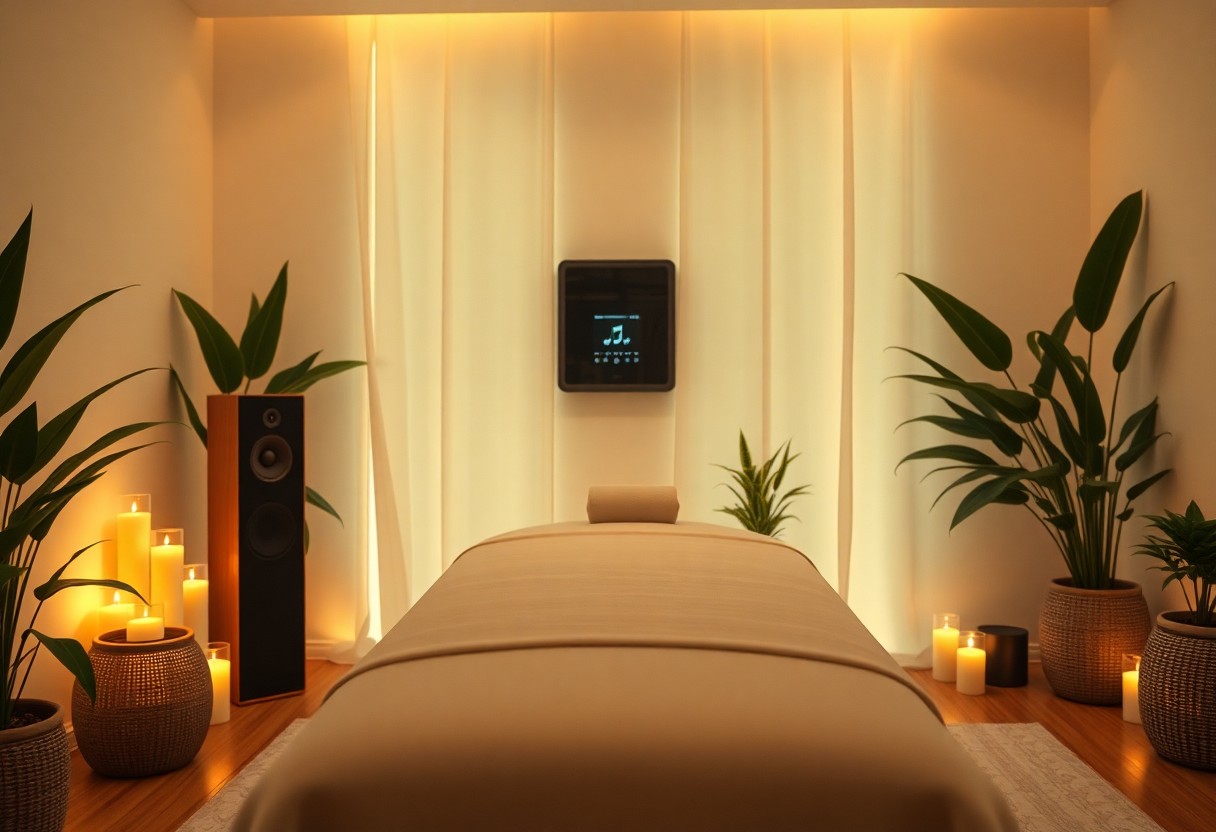
Beside selecting the right music, ensure your equipment is suitable for the setting. Use high-quality speakers or sound systems to deliver a clear sound. Consider placing the speakers strategically around the room to fill the space evenly, avoiding direct sound toward the massage table. Dimming lighting or using soft colors can also complement the auditory experience, creating a tranquil environment for relaxation.

Professional Recommendations

Setup your space to invite relaxation and comfort. Incorporating soft, instrumental music is often recommended by professionals in the field. Genres such as ambient, nature sounds, or classical music can effectively lull clients into a state of calm. Additionally, adjust the tempo of the tracks to be slow-paced, synchronizing with the rhythm of the massage strokes. Establishing a consistent sound environment can enhance your clients’ overall experience and satisfaction.

Practices suggest maintaining a curated library of songs that resonate with your personal style as well. Regularly update your playlists based on client feedback and trends in calming music. It’s beneficial to ask clients about their preferences before each session, ensuring the auditory atmosphere aligns with their comfort level. This personalized approach not only enhances their relaxation but also fosters a deeper connection between you and your clients, cultivating a more enriching experience.

To wrap up

So, as you launch on your journey of relaxation through massage, incorporating music can significantly enhance your experience. The right tunes help create a calming atmosphere, allowing you to let go of stress and immerse yourself in mindfulness. By carefully selecting music that resonates with your preferences, you can deepen your connection to the moment, enhancing the benefits of your massage. Ultimately, music serves as a powerful tool to elevate your relaxation and well-being, making each session more enjoyable and restorative.

FAQ about How Music Enhances the Massage Experience

Q: How does music influence relaxation during a massage?

A: Music plays a significant role in promoting relaxation during a massage by creating a calming atmosphere. The rhythmic patterns and soothing melodies can help lower heart rates and reduce stress hormones in the body. This tranquil environment allows clients to release tension more effectively and enhances the overall experience, making it easier to unwind and enjoy the massage fully.

Q: What types of music are most effective for enhancing a massage session?

A: The most effective music for massage typically includes genres such as classical, ambient, or nature sounds. These kinds of music are often characterized by soft melodies, gentle harmonics, and slow tempos that complement the calming purpose of a massage. Instruments like piano, harp, or flute are commonly used to create a serene atmosphere that helps clients escape from outside distractions.

Q: Can the tempo of the music impact the massage experience?

A: Yes, the tempo of the music can significantly impact the massage experience. Slower tempos help create a soothing ambiance that encourages clients to relax and let go of any stress. Upbeat or fast-paced music, on the other hand, can be invigorating but may lead to tension or distraction during a massage. Thus, selecting music with an appropriate tempo is imperative for enhancing the effect of the massage.

Q: How can music help with pain management during a massage?

A: Music can serve as a powerful tool for pain management during a massage by directing attention away from discomfort. By focusing on the soothing sounds and harmonies, clients may experience a reduced perception of pain. This shift in focus can promote deeper relaxation, allowing the body to release tension and tightness, further alleviating any discomfort experienced during the session.

Q: Should the therapist choose the music for the session, or can clients request their own?

A: Both options can be valid depending on individual preferences. Therapists often curate playlists tailored to the themes of relaxation and tranquility, ensuring a cohesive experience. However, if a client has specific musical tastes or preferences, they are encouraged to communicate this with the therapist. Ultimately, the goal is to create an enjoyable and relaxing environment that works best for the client’s needs.

Skip to content