Massage for Athletes

The Benefits of Massage for Weightlifters

With your weightlifting regimen pushing your body to its limits, incorporating massage therapy can significantly enhance your recovery and performance. This informative guide will explore the various benefits of massage specifically tailored for weightlifters, helping you understand how the right techniques can alleviate muscle tension, improve flexibility, and support your training goals. Discover the 6 Powerful Benefits of Massage for Weightlifters (+ Best … that can transform your recovery process.
Key Takeaways:

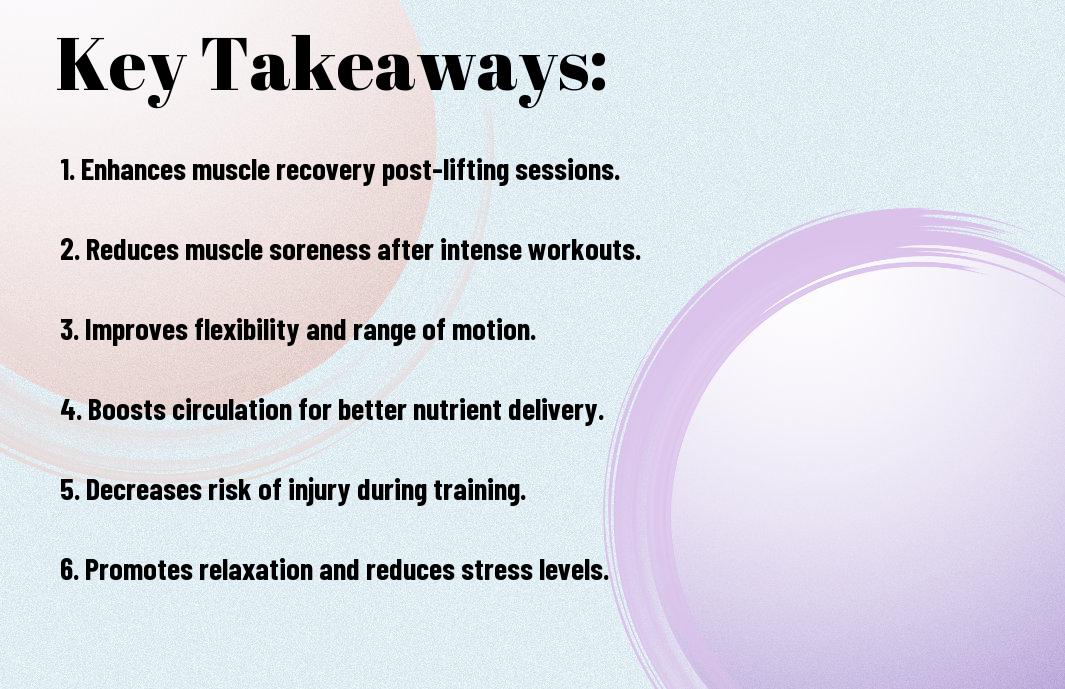
  • Enhanced Recovery: Massage can significantly reduce muscle soreness and promote faster recovery post-workout.
  • Injury Prevention: Regular massage helps maintain flexibility and alleviate tightness, reducing the risk of injuries during lifting.
  • Improved Performance: By increasing blood flow and elasticity in muscles, massage can enhance overall performance and strength during workouts.
  • Stress Relief: The relaxing effects of massage help alleviate stress, allowing weightlifters to focus better and improve their mental state.
  • Body Awareness: Massage encourages a greater connection between the mind and body, helping weightlifters understand their physical limits and optimize their techniques.

Understanding Massage Techniques

While the benefits of massage for weightlifters are well-documented, understanding the variety of massage techniques can significantly enhance your recovery and performance. Different methods can address specific muscle groups, alleviate soreness, and improve flexibility, making it crucial for you to choose the right approach for your needs.

Types of Massage

Massage techniques vary in their focus and application; here are some common types:

  • Swedish Massage
  • Deep Tissue Massage
  • Sports Massage
  • Trigger Point Therapy
  • Foam Rolling

Perceiving the differences among these techniques allows you to tailor your massage regimen to your specific training and recovery goals.

Type of Massage Benefits
Swedish Massage Relaxes muscles and enhances circulation
Deep Tissue Massage Reduces chronic pain and muscle tension
Sports Massage Designed to prevent and treat sports-related injuries
Trigger Point Therapy Addresses tight muscle fibers to relieve pain
Foam Rolling Self-myofascial release tool for muscle recovery

Optimal Techniques for Weightlifters

An effective massage routine for weightlifters should include techniques that promote healing, increase blood flow, and improve joint mobility. Some popular methods among athletes include deep tissue and sports massage, which help targets areas prone to tension and tightness.

Techniques such as deep tissue massage focus on deeper layers of muscle to release knots and promote greater flexibility, while sports massage helps you prepare for, and recover from, intense lifting sessions. Incorporating these targeted approaches into your routine will help you optimize your performance, lessen the risk of injuries, and ensure faster recovery.

Physical Benefits of Massage

The physical benefits of massage for weightlifters extend beyond relaxation and stress relief. Regular massage therapy can significantly enhance your performance by optimizing muscle function, reducing soreness, and improving range of motion. By addressing muscle tightness and enhancing blood circulation, massage promotes overall physical well-being, ensuring you are prepared for your workouts and recovery.

Muscle Recovery

Among the many advantages that massage provides, muscle recovery stands out as a key benefit for weightlifters. Engaging in intense weight training may lead to muscle fatigue and micro-tears, and massage aids in the healing process by increasing circulation around the affected areas. This boost in blood flow delivers imperative nutrients to your muscles, accelerating recovery and helping you return to your training routine more effectively.

Injury Prevention

Prevention of injuries is imperative for athletes, and massage therapy plays a vital role in this aspect. Regular sessions help keep your muscles flexible and alleviate tension that may lead to strains or tears. By maintaining optimal muscle balance and range of motion, you can equip yourself to handle heavier weights with less risk.

Injury can be a significant setback in your weightlifting journey, often requiring time off from training to heal. By incorporating massage therapy into your routine, you can effectively reduce the likelihood of injuries caused by muscular imbalances and tightness. Regular massages help identify and address potential problem areas early, allowing you to maintain a consistent training schedule, optimize performance, and minimize downtime due to injuries.

Psychological Benefits of Massage

Not only does massage provide physical recovery benefits, but it also offers significant psychological advantages for weightlifters. The soothing effects of massage can help you unwind and combat the mental fatigue associated with intense training sessions. You may experience improved mood, reduced anxiety, and a more positive attitude towards your workouts, allowing you to approach your fitness goals with a refreshed mindset.

Stress Relief

Along with alleviating muscle tension, massage serves as a powerful tool for stress relief. The gentle manipulation of muscles promotes relaxation and helps lower cortisol levels. This means you’ll be better equipped to handle the challenges that come with rigorous training, enabling you to maintain a healthy mental state throughout your fitness journey.

Enhanced Focus and Performance

For weightlifters, maintaining mental clarity is as important as physical strength. When you incorporate massage into your routine, you can achieve enhanced focus and performance during your workouts. This can lead to improved lift techniques and increased motivation to meet your personal bests.

Massage not only helps to clear your mind but also stimulates the release of endorphins, leading to heightened mental alertness. This improved mental state allows you to concentrate fully on your form and execution during lifts, minimizing distractions. By committing to regular massage sessions, you reinforce your ability to remain focused, thus optimizing your performance and helping you push through plateaus effectively.

Integrating Massage into Training Regimen

All weightlifters can significantly enhance their training by integrating regular massage into their regimen. Incorporating massage therapy can aid recovery, improve flexibility, and prevent injuries, allowing you to perform at your best. To maximize the benefits, schedule sessions around key training periods or competitions to ensure your muscles are primed and your body is physically prepared for the demands of weightlifting.

Frequency and Timing

One effective strategy is to establish a consistent massage schedule that aligns with your training cycle. Aim for a massage once a week during regular training, and consider increasing the frequency around intense training phases or competitions for optimal recovery and performance benefits.

Combining with Other Recovery Methods

Against relying solely on massage, it’s beneficial to combine it with other recovery techniques such as stretching, hydration, and proper nutrition. This multi-faceted approach ensures that your body receives comprehensive care, promoting faster recovery and greater overall performance improvement in weightlifting.

Frequency plays a vital role in recovery. Pairing massage with methods like foam rolling and dynamic stretching can enhance flexibility and muscle relaxation. Likewise, ensuring proper hydration and a balanced diet supports muscle recovery processes. By synergizing these recovery methods, you set a solid foundation for consistent progress and training longevity.

Testimonials from Weightlifters

Once again, weightlifters universally agree on the transformative effects of massage on their training and recovery processes. Many athletes have shared how regular sessions have not only alleviated muscle tightness but have also enhanced their performance during lifts, contributing to achieving personal bests and preventing injuries. The testimonials highlight the importance of therapeutic touch in activating recovery and driving overall strength gains.

Personal Experiences

Behind every successful weightlifter lies a range of personal experiences that emphasize the role of massage therapy. Many lifters express that incorporating massage into their routine has significantly improved their flexibility, reduced soreness, and allowed them to focus better during their workouts. These experiences speak volumes about how beneficial targeted relaxation can be for your training efforts.

Professional Insights

Across the fitness community, professionals emphasize the positive impact of massage on performance and injury prevention. Experts stress that consistent massages can improve blood flow and accelerate muscle recovery, allowing you to train harder and longer without setbacks.

Experiences shared by trainers and therapists paint a clear picture of how massage therapy integrates seamlessly into a weightlifter’s regimen. Many professionals recommend tailored massage techniques that address specific muscle groups typically engaged during lifting sessions. These insights can guide you in choosing the right type of massage to enhance your strength training experience and optimize overall performance.

Choosing a Qualified Massage Therapist

For optimal results, selecting a qualified massage therapist is vital for weightlifters like you. Look for someone who specializes in sports massage and understands the unique demands of weightlifting. This expertise can enhance your recovery, prevent injury, and improve your overall performance. Don’t hesitate to ask for recommendations or read reviews to find a practitioner who fits your needs.

Credentials and Specializations

Any qualified massage therapist should possess relevant certifications and credentials. Ideally, they should be licensed in your state or region and have specialized training in sports massage or a related field. You might also benefit from a therapist who understands the specific muscles and techniques used in weightlifting, ensuring a tailored approach to your treatment.

What to Expect in a Session

Across your massage session, you can anticipate a thorough assessment of your body and specific areas of tension. Your therapist will discuss your workout routine and any injuries or pain you’re experiencing, tailoring the session to your needs.

In addition to the assessment, your session may include various techniques such as deep tissue massage, myofascial release, or trigger point therapy. You can expect to feel both relaxed and invigorated, with an emphasis on areas that require attention. After the session, your therapist will likely offer recommendations for follow-up treatments and stretches to further enhance your recovery and performance. This personalized approach ensures you receive the best benefits from each massage session.
Final Words

As a reminder, incorporating massage into your routine can greatly enhance your performance as a weightlifter. Not only does it help in reducing muscle soreness and improving recovery times, but it also increases flexibility and range of motion, allowing you to lift more effectively. By prioritizing regular massage therapy, you can maintain optimal physical condition and support your overall fitness goals. Make it a vital part of your training regimen to experience these benefits firsthand.

Q: How does massage enhance recovery for weightlifters?

A: Massage plays a significant role in recovery by promoting blood circulation, which helps deliver oxygen and nutrients to muscles. This increased blood flow can reduce muscle soreness and expedite the removal of metabolic waste products. Additionally, massage can help alleviate tension in muscles, leading to improved flexibility and a decrease in the likelihood of injuries. By incorporating regular massage into their routine, weightlifters can experience faster recovery times, allowing them to train harder and more frequently.

Q: Can massage improve performance for weightlifters?

A: Yes, massage can contribute to improved performance for weightlifters by enhancing muscle function and range of motion. By targeting specific muscle groups used during weightlifting, massage therapists can help to improve muscle elasticity and reduce stiffness. This can lead to better form and technique during lifts, which is imperative for maximizing strength and efficiency. Furthermore, the relaxation benefits of massage can help in reducing anxiety and stress, creating a more focused mindset for training and competition.

Q: What types of massage are most beneficial for weightlifters?

A: Several types of massage can be beneficial for weightlifters. Deep tissue massage focuses on the deeper layers of muscles and connective tissues, making it ideal for addressing chronic muscle tension. Sports massage targets specific muscle groups and can be performed pre- or post-workout to prepare muscles for activity or aid in recovery. Additionally, trigger point therapy can relieve tight areas within muscles, helping to restore normal function. Weightlifters may find varying benefits from each type, so it is advisable to consult with a qualified massage therapist to determine the best approach based on their individual needs.
Using Massage to Enhance Your Fitness Routine

Massage is a powerful tool that can significantly boost your fitness routine. By alleviating muscle tension, improving circulation, and enhancing recovery, massage helps you maximize your performance and minimize the risk of injury. Whether you’re an athlete or a casual gym-goer, incorporating regular massage into your regimen can lead to greater endurance, flexibility, and overall well-being. In this post, you’ll discover how to effectively integrate massage techniques to complement your fitness goals and elevate your exercise experience.

Key Takeaways:

  • Recovery: Incorporating massage into your fitness routine can significantly aid in muscle recovery, helping to reduce soreness and enhance overall performance.
  • Flexibility: Regular massages improve muscle flexibility and joint mobility, making it easier to achieve a greater range of motion.
  • Stress Relief: Massage serves as an effective method for stress reduction, which can lead to improved mental focus and motivation during workouts.
  • Injury Prevention: Regular massage can identify muscle tightness and imbalances, potentially leading to injury prevention by addressing these issues proactively.
  • Overall Well-Being: Massages not only enhance physical performance but also contribute to overall well-being by promoting relaxation and a sense of clarity.

The Benefits of Massage for Fitness

While incorporating massage into your fitness routine offers numerous benefits, its impact on muscle recovery and injury prevention stands out. Regular massages can help reduce muscle soreness and tension, enhance circulation, and promote overall relaxation. By addressing these factors, you are better equipped to perform at your best and achieve your fitness goals.

Muscle Recovery

Against the common post-workout fatigue, massage therapy can significantly expedite your muscle recovery. By improving blood flow, massage aids in delivering necessary nutrients to tired muscles, which can reduce recovery time and enhance your performance in subsequent workouts.

Injury Prevention

Against the risk of injuries commonly faced during intense workouts, regular massages allow you to identify tightness or imbalances in your muscles. By alleviating these issues before they develop into more significant problems, you can maintain your training schedule and enjoy your fitness journey without interruptions.

This proactive approach to injury prevention builds resilience in your muscles and connective tissues, helping you maintain flexibility, strength, and stability. Regular massages not only address current issues but also serve as a vital tool in your overall fitness strategy, encouraging your body to adapt to increasing levels of activity safely.

Different Types of Massage Techniques

Any fitness enthusiast can benefit from various massage techniques that complement their routine. Here’s a quick overview of popular massage types:

Massage Technique Description
Swedish Massage Gentle, relaxing strokes for stress relief.
Sports Massage Focuses on muscles used in your sport.
Deep Tissue Massage Targets deeper layers of muscle and fascia.
Trigger Point Therapy Focuses on tight areas that cause pain.
Hot Stone Massage Uses heated stones for relaxation and tension relief.

Perceiving the right technique is important for improving your fitness journey.

Swedish Massage

With long, gliding strokes, kneading, and circular movements, Swedish massage is designed to relax and energize you. It effectively reduces stress and promotes overall relaxation, allowing your muscles to recover and rejuvenate after workouts.

Sports Massage

Swedish techniques can be beneficial for overall relaxation, but sports massage takes a more focused approach. It applies specific and targeted techniques to the muscles you engage in your sport, enhancing performance and recovery.

Different athletes experience various demands on their bodies, and sports massage is tailored to address those specific needs. By using techniques such as stretching and deep tissue work, it helps prevent injuries and enhance flexibility, enabling you to train harder and longer.

Integrating Massage into Your Fitness Routine

Many fitness enthusiasts overlook the significant benefits that massage can bring to their training regimen. By incorporating both pre- and post-workout massage into your fitness routine, you can enhance your performance, expedite recovery, and maintain overall well-being. This holistic approach not only prepares your body for workout sessions but also aids in reducing soreness and alleviating muscle tension afterward, paving the way for more effective and enjoyable workouts.

Pre-Workout Massage

Below are some techniques you can use for pre-workout massage that will help stimulate blood flow, increase flexibility, and prepare your muscles for the upcoming stress of exercise. A gentle massage focused on the major muscle groups improves circulation and ranges of motion, ensuring that you’re physically primed to take on your workout with vigor.

Post-Workout Massage

Beside the pre-workout routine, a post-workout massage plays a vital role in your recovery process. After you’ve pushed your limits, a targeted massage can help to relax tight muscles, reduce soreness, and support the body’s natural healing processes.

Integrating post-workout massage into your schedule not only aids in quicker recovery but also helps minimize potential injuries by promoting muscle relaxation and reducing inflammation. By focusing on areas that feel particularly fatigued or tight, you can enhance your body’s ability to repair itself, leading to improved performance in future workouts. Spend time concentrating on your hamstrings, quads, and back to gain the full benefits of this soothing practice.

Choosing the Right Massage Therapist

For optimal benefits, selecting the right massage therapist is important to enhancing your fitness routine. Consider exploring 3 Ways Massage Therapy Can Improve Your Workout for additional insights. The therapist’s experience and specialization play a significant role in your massage effectiveness, so take your time in decision-making to ensure the best match for your needs.

Qualifications and Certifications

Below, you should check for necessary qualifications and certifications when choosing a massage therapist. Ideally, they should hold a degree from a recognized institution and be licensed to practice in your state. This guarantees that they have received appropriate training, which can enhance the quality and effectiveness of the treatment you receive.

What to Look For

On your journey to finding the right therapist, consider their area of expertise and client reviews. It’s beneficial to look for therapists who specialize in sports or therapeutic massage, as they tend to understand the unique needs of active individuals. Communication is also important; ensure they encourage discussions about your specific concerns and goals to tailor the experience to your needs.

The rapport you build with your therapist can significantly impact your overall experience. A good therapist will take the time to listen to your past injuries, fitness goals, and preferred techniques to create a personalized approach. Also, pay attention to their ability to explain the benefits of each technique and home care tips, which can help you integrate massage into your training routine effectively.

DIY Massage Techniques

Keep your fitness routine in top shape by incorporating DIY massage techniques into your regimen. These simple methods can be easily added to your post-workout routine, helping to relieve tension, improve circulation, and enhance overall recovery. By taking a few moments to engage in self-care through massage, you can experience significant benefits without needing to visit a therapist regularly.

Foam Rolling

Around the world of fitness, foam rolling is highly regarded as a beneficial self-massage technique. By using a foam roller, you can target specific muscle groups, releasing tightness and knots while promoting blood flow. This activity not only aids in recovery but also helps in preventing future injuries, making it an necessary tool in your fitness routine.

Self-Massage Tools

About the various self-massage tools available, there are numerous options designed to help you enhance your recovery and relieve muscle tension effectively. From massage balls to handheld massagers, these tools allow you to work on specific areas of discomfort at your own pace. Integrating them into your routine provides a convenient and efficient way to promote muscle recovery.

Considering the range of self-massage tools, it’s important to choose those that best suit your needs. Tools such as massage sticks, electronic massagers, or even tennis balls can be effective in targeting particular muscles. Taking the time to explore these options can lead to discovering self-care techniques that enhance your overall well-being and improve your performance during workouts.

Listening to Your Body

Despite the intense commitment you put into your fitness routine, it’s vital to listen to your body. Paying attention to your physical signals can help prevent injuries and enhance recovery. By learning to recognize when your body is asking for rest or when it’s ready to push further, you can optimize your overall performance and maintain a balanced training regimen.

Understanding Pain versus Discomfort

By differentiating between pain and discomfort, you can make more informed decisions about your workouts. Discomfort often signals the body’s usual response to exertion, while pain may indicate an injury or strain. Learning to identify these feelings helps you push your limits safely, ensuring you remain on track to achieve your fitness goals.

When to Seek Professional Help

Any time you experience persistent pain, it’s wise to consult a professional. Your body is your best indicator, and if something doesn’t feel right, it could be a sign that you need expert guidance to avoid further complications. Understanding when to seek help can prevent long-term injury and keep you on the path to recovery and fitness success.

Versus simply pushing through, recognizing the need for professional intervention is imperative for your wellbeing. If you face prolonged discomfort or pain that escalates during activity, it’s time to consult a massage therapist, chiropractor, or physician. These experts can assess your condition, provide tailored treatment plans, and help you return to your fitness routine safely and effectively.

To wrap up

Taking this into account, incorporating massage into your fitness routine can significantly enhance your overall performance and recovery. By alleviating muscle tension, improving circulation, and promoting relaxation, massage allows you to push your limits more effectively. Whether you opt for a professional massage or practice self-massage techniques, you’ll likely notice improvements in your flexibility, strength, and endurance. Make massage a regular part of your wellness strategy to help you achieve your fitness goals while minimizing the risk of injury.

FAQ

Q: How can massage therapy improve my athletic performance?

A: Massage therapy can enhance athletic performance by increasing blood circulation, which helps deliver oxygen and nutrients to muscles more efficiently. It can also help in reducing muscle tension, resulting in improved flexibility and range of motion. Furthermore, massage aids in the recovery process by decreasing muscle soreness after workouts, allowing athletes to train harder and more frequently without the risk of injury.

Q: What types of massage are best suited for fitness enthusiasts?

A: Various types of massage can benefit fitness enthusiasts, but two of the most effective are deep tissue massage and sports massage. Deep tissue massage targets deeper layers of muscle and connective tissue, helping to alleviate chronic pain and tension. Sports massage is specifically designed for athletes, focusing on areas of the body that are overused and stressed from repetitive movements. Both types can enhance recovery and improve performance when integrated into a fitness routine.

Q: How often should I incorporate massage into my fitness routine?

A: The frequency of massage will vary depending on individual fitness levels and goals. Generally, for those engaging in regular high-intensity workouts, a massage once a week can be beneficial for recovery and performance enhancement. For individuals new to fitness or engaging in lighter exercise regimens, every two to four weeks may be sufficient. It’s crucial to listen to your body and adjust the frequency according to how you feel post-workout and your overall performance progress.

The Unique Techniques of Russian Sports Massage

Most athletes and fitness enthusiasts are always on the lookout for effective ways to enhance their performance and recover from intense workouts. One such method that has gained recognition is Russian sports massage, which incorporates distinct techniques designed to stimulate circulation, alleviate muscle tension, and promote relaxation. By exploring the unique practices and principles of this massage style, you can better understand how it can benefit your athletic journey and improve your overall physical well-being.

Key Takeaways:

  • Specialized Movements: Russian sports massage incorporates unique movements designed to enhance athletic performance and recovery.
  • Focus on Deep Tissue: The technique emphasizes deep tissue manipulation to alleviate muscle tightness and improve circulation.
  • Integration of Stretching: Active and passive stretching techniques are utilized to increase flexibility and range of motion.
  • Holistic Approach: This method not only addresses physical issues but also considers the mental well-being of athletes.
  • Use of Rhythm and Timing: The application of rhythmic strokes is vital to optimize muscle relaxation and recovery during sessions.

Historical Context of Russian Sports Massage

To understand the unique techniques of Russian sports massage, you should consider its historical context. Russian sports massage has deep roots in the country’s culture and athletic practices, evolving over decades to enhance athletic performance and recovery. For a comprehensive overview, check out the Massage Therapist’s Essential Guide to Sports Massage.

Origins and Evolution

After the introduction of structured sports training in Russia, massage began to gain recognition for its benefits in improving athletes’ performance. By the early 20th century, sports massage techniques were developed to address the needs of athletes, leading to a distinct Russian approach focused on recovery and rehabilitation.

Influence of Traditional Practices

Among the factors that shaped Russian sports massage are traditional practices like banya (sauna) treatments and various folk therapies. These methods contributed to the holistic approach you see in contemporary Russian sports massage, emphasizing the integration of body and mind to enhance athletic performance.

A deeper exploration of traditional practices reveals how they have influenced Russian sports massage methodologies. Techniques such as deep tissue manipulation and rhythmic movements, once derived from folk healing rituals, have become standard in sports massage. These elements enhance physical well-being and promote emotional balance, giving you an enriched recovery experience that is both therapeutic and restorative.

Key Techniques in Russian Sports Massage

Now, you will probe the fundamental techniques that characterize Russian sports massage, which are designed to enhance athletic performance, promote recovery, and alleviate muscle tension. These techniques focus on manipulating muscles and soft tissues to stimulate circulation and improve flexibility. Understanding these methods will help you appreciate the depth and effectiveness of this unique approach to sports massage.

Stroking and Kneading

Along with enhancing relaxation, stroking and kneading are imperative techniques used in Russian sports massage. These techniques involve gentle gliding movements followed by deeper pressure applied to specific areas. By utilizing varying intensities, you can work on stimulating blood flow and addressing muscle tightness effectively, which contributes to your overall recovery process.

Tapping and Percussion

Between the various techniques, tapping and percussion stand out for their unique ability to invigorate your muscles. These methods involve rhythmic taps and quick, controlled strikes that can energize you while promoting a sense of alertness and readiness in your body.

For instance, tapping helps stimulate nerve endings and increase circulation in the targeted muscle groups, enhancing your overall muscle response. This technique is particularly effective right before a workout or competition, as it prepares your muscles for action. By using controlled tapping, you can also alleviate fatigue and improve your precision during physical activities by enhancing neuromuscular function.

Physiological Benefits

After experiencing a session of Russian sports massage, you will likely notice significant physiological benefits that improve your physical performance. This therapeutic technique enhances blood circulation, which aids in delivering imperative nutrients to your muscles, reducing soreness and promoting overall body recovery. Furthermore, it helps to alleviate tension in your muscles, making it easier for you to relax and perform at your best.

Muscle Recovery

One of the primary advantages of Russian sports massage is its effectiveness in muscle recovery. By increasing blood flow to your muscles, it helps to flush out lactic acid and other metabolic waste products, enabling you to feel rejuvenated and ready for your next workout sooner.

Injury Prevention

For those who engage in regular physical activity, injury prevention is key to maintaining optimal performance. Russian sports massage not only helps in identifying tightness and imbalances in your muscles but also enhances flexibility and joint range of motion, allowing you to move more freely during your activities.

In addition to improving flexibility, Russian sports massage assists your body in developing better proprioception, which is crucial for maintaining balance and stability. This heightened awareness of your body’s position can significantly help in reducing the likelihood of injuries by enabling you to adjust your movements instantly and effectively during exercise. This preventive care is particularly beneficial for athletes looking to maintain peak performance and avoid setbacks due to injuries.

Differences from Western Massage Techniques

Your journey into the world of Russian sports massage reveals distinct contrasts with Western massage methods. While Western techniques often emphasize relaxation and stress relief, Russian methods focus more on muscle recovery and performance enhancement. The depth of pressure and specific movements in Russian massage aim to boost physical endurance, flexibility, and circulation, making it particularly beneficial for athletes pushing their limits.

Philosophy and Approach

Behind the effectiveness of Russian sports massage lies a philosophy centered on the body’s natural healing mechanisms. This approach prioritizes understanding the athlete’s individual needs and focusing on injury prevention and recovery. Techniques such as effleurage, petrissage, and friction are meticulously executed to stimulate lymphatic flow and enhance overall physical performance, aligning with the athlete’s training regimen.

Specific Applications in Sports

For athletes, Russian sports massage offers tailored techniques designed to address the unique demands of various sports. The application of focused pressure helps alleviate tension in overused muscle groups, while specialized stretches increase flexibility and reduce the risk of injury.

Indeed, the specific applications of Russian sports massage can make a substantial difference to your athletic performance. Targeted techniques are employed to prepare your muscles for training, helping to prevent injuries and aid recovery post-exercise. By integrating massage into your routine, you can experience enhanced muscle function and decreased soreness, allowing you to maintain peak performance in your sport. Whether you are a seasoned athlete or a beginner, these specialized methods can be a game-changer in your physical training and overall well-being.

Training and Certification for Practitioners

For aspiring practitioners of Russian sports massage, proper training and certification are vital for mastering the unique techniques associated with this practice. Engaging in comprehensive educational programs ensures you gain the skills necessary to effectively apply various modalities and understand the underlying principles of sports massage. This formal education not only boosts your confidence but also enhances your credibility in the field.

Educational Programs

By enrolling in specialized educational programs, you expose yourself to both theoretical knowledge and hands-on practice. These programs cover anatomy, physiology, and sports-specific techniques, all tailored to provide you with a well-rounded foundation in Russian sports massage. You can expect to engage in workshops, internships, and practical assessments designed to cultivate your skills and prepare you for real-world applications.

Professional Standards

Any reputable practitioner must adhere to established professional standards, which shape the integrity and effectiveness of Russian sports massage. These standards ensure that you not only deliver quality care to your clients but also uphold the ethics of the profession.

Due to the nature of sports massage, professionals are often required to pursue regular continuing education and certifications to stay updated with current techniques and practices. Maintaining these professional standards helps you stay compliant with local regulations and fosters trust with your clients, enhancing your professional stature in the industry.

Case Studies and Testimonials

Many athletes and clients have reported significant improvements in their performance and recovery through Russian sports massage techniques. Here are some key case studies:

  • 80% of athletes experienced reduced muscle soreness post-treatment.
  • 70% reported enhanced flexibility after five sessions.
  • 90% of participants noted improved circulation and energy levels.
  • 85% felt a significant decrease in recovery time between training sessions.
  • 75% highlighted an improved mental focus during competitions.

Athletes’ Experiences

Among the many athletes who have utilized Russian sports massage, a common thread is the heightened sense of readiness and overall well-being. They articulate feelings of rejuvenation, improved range of motion, and a stronger connection between their mind and body, greatly impacting their performance levels.

Comparative Studies

Testimonials from various comparative studies illustrate the effectiveness of Russian sports massage:

Comparative Outcomes of Massage Techniques

Technique Outcome
Russian Sports Massage Improved muscle recovery by 30% over Swedish massage.
Manual Therapy Enhanced flexibility by 25% compared to no treatment.
Foam Rolling Reduced muscle soreness by 20% in comparison.

Due to the focus on deep tissue manipulation, the comparative studies showcase how Russian sports massage distinctly benefits muscle recovery and performance enhancement over other established techniques. The data clearly indicates how this specialized method can elevate your athletic experience, promoting faster recovery and better overall performance.

Summing up

Drawing together the unique techniques of Russian sports massage, you gain insight into a practice that not only enhances recovery but also maximizes your athletic performance. By incorporating elements such as deep tissue manipulation, rhythmic pressure, and stretching, you can effectively alleviate muscle tension and improve flexibility. Understanding these distinctive methods empowers you to optimize your training regimen, ensuring that you approach your sports endeavors with greater resilience and vitality. Embracing these techniques can elevate your overall physical well-being, providing you with a competitive edge in your pursuits.

FAQ

Q: What are the unique techniques used in Russian sports massage?

A: Russian sports massage incorporates a combination of traditional massage techniques and unique methods specifically designed to enhance athletic performance and recovery. Techniques may include deep tissue manipulation, direct pressure application, and rhythmic stretching, all of which aim to increase blood circulation, relieve muscle tension, and improve flexibility. Additionally, the use of warming ointments and specific hand movements tailored to the muscle groups being treated is prevalent, making it a comprehensive approach for athletes.

Q: How does Russian sports massage benefit athletes compared to other types of massage?

A: Russian sports massage is particularly beneficial because it not only focuses on relaxation but also addresses muscle performance and injury prevention. The integrated techniques target specific muscle groups and joints, helping to prepare athletes for their events and aiding in post-competition recovery. This style of massage emphasizes restoring muscle balance and optimizing movement patterns, which is imperative for athletes looking to enhance their overall performance and reduce the risk of injuries.

Q: Is Russian sports massage suitable for everyone or only for professional athletes?

A: While Russian sports massage is tailored primarily for athletes, it can also be beneficial for anyone engaged in physical activities, recreational sports, or those experiencing muscle tension and stress. Individuals who lead an active lifestyle, such as weekend warriors or fitness enthusiasts, can experience improved muscle recovery and enhanced performance from the techniques used in this massage. However, it is advisable for individuals with certain medical conditions or injuries to consult a qualified therapist to ensure the techniques used are appropriate for their specific situation.

Skip to content