Massage Business and Careers

How to Build a Loyal Client Base as a Massage Therapist

It’s imperative for you, as a massage therapist, to cultivate a loyal client base for the long-term success of your practice. Establishing strong relationships with your clients not only encourages repeat visits but also leads to valuable referrals. In this post, you will discover effective strategies to enhance client satisfaction, build trust, and create an environment that keeps them coming back. Let’s explore how you can turn occasional clients into loyal advocates for your massage therapy services.

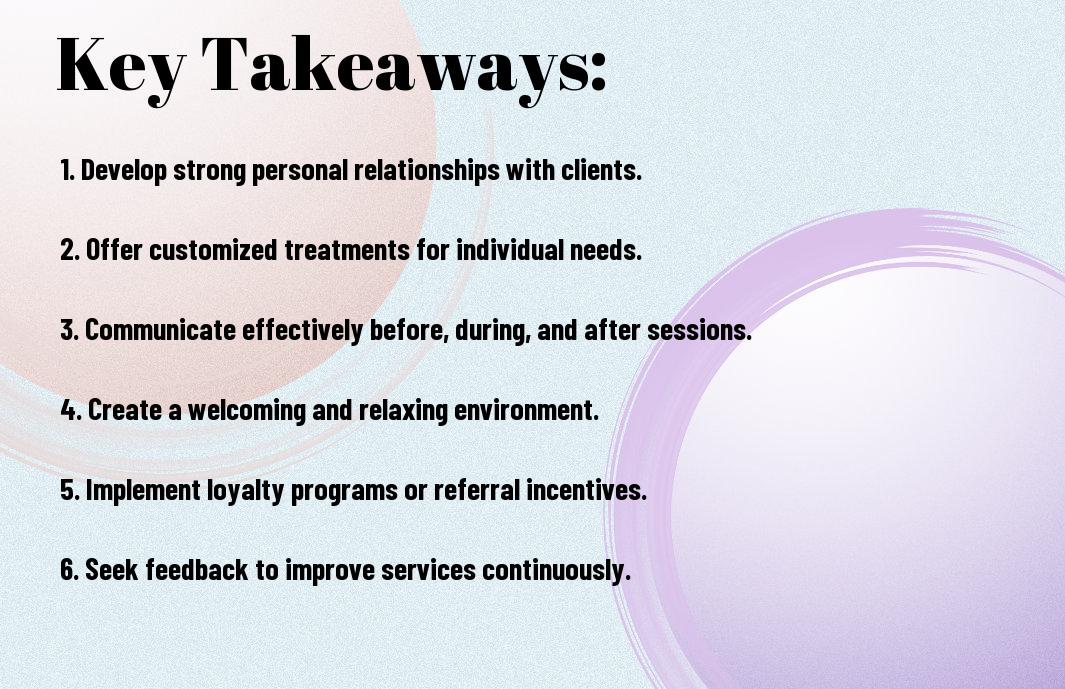
Key Takeaways:

  • Communication: Establish open and clear lines of communication with clients to understand their needs and preferences.
  • Consistency: Provide reliable and high-quality massage services consistently to build trust and satisfaction.
  • Follow-Up: Implement follow-up strategies, such as check-in calls or emails, to show clients you care about their well-being.
  • Personalization: Tailor your services to the individual needs of clients, making each session unique and focused on their specific concerns.
  • Client Education: Offer information and resources about massage benefits and techniques to empower clients and enhance their experience.
Understanding Your Target Market

A key factor in building a loyal client base as a massage therapist is understanding your target market. This involves knowing who your clients are and what they seek from your services. To dive deeper into strategies for reaching potential clients, check out Building a Client Base | Massage Therapy Journal.

Identifying Client Demographics

Behind every successful massage practice is a clear understanding of client demographics. You should identify who your ideal clients are by considering factors like age, gender, occupation, and lifestyle. This information will help you tailor your services and marketing efforts to attract and retain those individuals who will benefit most from your expertise.

Assessing Client Needs and Preferences

Needs assessment plays a significant role in creating a personalized experience for your clients. By engaging in conversations and using surveys or feedback forms, you can gain insights into what your clients desire in a massage session, whether it’s pain relief, relaxation, or something else. This process allows you to refine your techniques and services to better align with their expectations.

Preferences should also be a focal point when assessing client needs. Every client has unique preferences regarding massage pressure, techniques, and ambiance. By actively seeking this information and being flexible to adapt to your client’s wishes, you foster a sense of trust and loyalty, encouraging them to return to your practice for future sessions.

Building Strong Client Relationships

One of the key elements of sustaining a loyal client base is building strong relationships with your clients. Engage with them on a personal level, making an effort to remember their preferences, past treatments, and life events. This genuine connection fosters trust and encourages them to return for your services. You can explore how to build a massage therapy client base through effective relationship-building techniques.

Effective Communication Strategies

By mastering effective communication strategies, you can enhance your interactions with clients. Actively listen to their needs and concerns, and don’t hesitate to ask open-ended questions to gain deeper insights into their expectations. In turn, this will help you customize your services to better meet their unique requirements.

Personalizing the Client Experience

After understanding your clients’ needs, it’s time to take action on personalizing their experience. Tailor your sessions to their specific requirements, preferences, and goals. By doing this, you’ll not only differentiate yourself from competitors but also make your clients feel valued and understood, greatly increasing their likelihood of returning.

Effective personalization goes beyond just adjusting techniques; it involves creating a personalized atmosphere that resonates with your client’s preferences. Consider factors like the choice of music, room temperature, and even important oils based on their preferences. By creating a unique space that reflects their desires, you enhance their overall massage experience and foster a deeper emotional connection that encourages loyalty.

Providing Consistent Quality of Service

Once again, your commitment to delivering consistent quality of service can significantly influence your clients’ loyalty. Regularly providing exceptional massage experiences fosters trust and encourages clients to return. By maintaining high standards in every treatment, you not only enhance your reputation but also build valuable relationships that lead to repeat business and positive referrals.

Importance of Professionalism

An necessary aspect of building a loyal client base is demonstrating professionalism in all aspects of your practice. This includes punctuality, maintaining a clean workspace, and adhering to ethical guidelines. When clients perceive you as professional, they are more likely to feel confident in your skills and return for future sessions.

Continuous Skill Development

Along with professionalism, continuous skill development is vital in keeping your services relevant and effective. Clients are more likely to remain loyal when they see you actively working on improving your techniques and knowledge.

To ensure you stay ahead in the competitive massage therapy field, invest time in ongoing education through workshops, certifications, or specialized training. This not only enhances your capabilities but also demonstrates to your clients that you are dedicated to providing the best possible care. As you refine your techniques and expand your knowledge, your clients will appreciate the benefits of your improved skills, leading to stronger loyalty and long-lasting relationships.

Marketing Your Massage Therapy Practice

Unlike traditional businesses, a massage therapy practice thrives on personal connections and client satisfaction. You can boost your presence and attract new clients through strategic marketing efforts. This means defining your target audience, creating an inviting atmosphere, and promoting your unique services effectively. By utilizing various marketing channels, you can establish a robust brand that resonates with clients and builds loyalty over time.

Utilizing Social Media and Online Presence

Social media platforms are your best friends when promoting your massage therapy practice. Engage with potential clients on platforms like Facebook, Instagram, or LinkedIn by sharing insightful content related to wellness, relaxation, and self-care. Additionally, having a user-friendly website with informative blog posts and clear information on your services will enhance your online presence and attract a loyal clientele.

Networking and Referral Strategies

Marketing your massage therapy practice also heavily relies on effective networking and referral strategies. Building relationships with other wellness professionals can create a mutually beneficial referral system. By attending local health fairs, workshops, or community events, you not only increase your visibility but also establish connections that can lead to new opportunities for client referrals.

In fact, developing a referral program that incentivizes both existing clients and partner businesses can significantly enhance your client base. Consider offering discounts or complimentary services to clients who successfully refer others. By fostering these connections, you not only elevate your reputation within the community but also create a supportive network that bolsters your practice, making it easier for clients to find you through trusted recommendations.

Client Retention Strategies

Despite the initial effort required to attract new clients, keeping them engaged and returning for services is where your focus should be. Implementing effective client retention strategies can significantly boost your business’s longevity and success. Regular communication, personalized experiences, and fostering a sense of community can make your clients feel valued and more likely to return. Establishing a nurturing relationship centered around trust and satisfaction will encourage consistent visits and referrals.

Loyalty Programs and Incentives

About 70% of clients prefer businesses that offer rewards programs. Crafting a compelling loyalty program can enhance client retention and encourage them to take advantage of your services consistently. Consider rewarding repeat visits or introducing referral bonuses, which create added value and foster a sense of belonging. These incentives not only promote client loyalty but also motivate clients to spread the word about your services.

Feedback and Follow-Up Practices

Among the many strategies to retain clients, establishing effective feedback and follow-up practices stands out. Allowing clients to share their experiences can provide you with valuable insights into your services while demonstrating that their opinions matter. Regular follow-ups also show your commitment to their well-being and enhance their overall experience.

With a structured feedback system, you can gather information on your client’s experiences, allowing you to make necessary improvements. Implementing follow-up emails or texts after their massage can help clients feel appreciated and encourage them to book another appointment. This approach illustrates that you genuinely care about their satisfaction and wellness, ultimately building a strong connection that encourages loyalty over time.

Enhancing Client Experience

To build a loyal client base as a massage therapist, enhancing the client experience is vital. Providing a meaningful and comforting atmosphere during each appointment ensures that your clients feel valued and respected. Little details, such as personalized greetings, tailored treatment plans, and consistent follow-ups, can make a significant impact on their overall satisfaction. As you focus on delivering exceptional service, your clients are more likely to return and recommend you to others.

Creating a Relaxing Environment

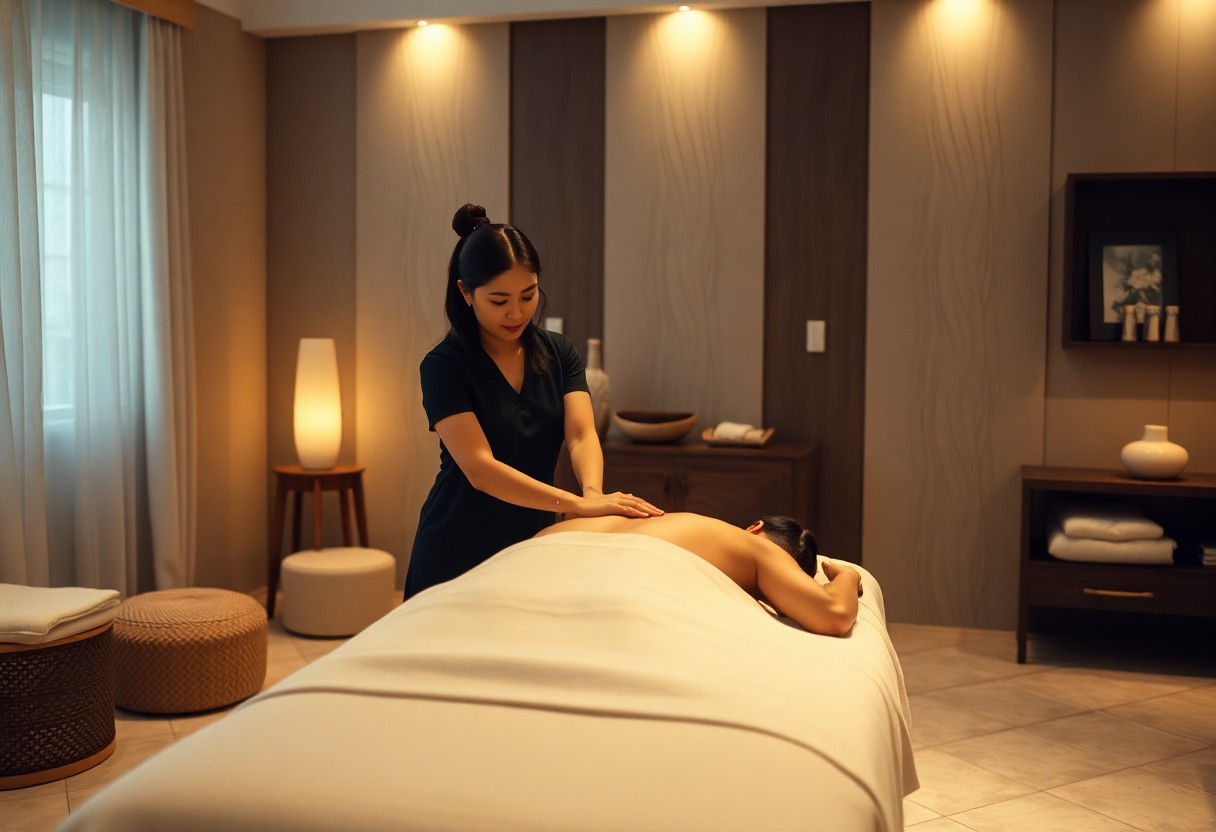
Below is a key to ensuring your treatment space promotes relaxation and healing for your clients. Consider factors such as lighting, temperature, and decor, aiming for a soothing ambiance. Soft music, calming scents, and comfortable linens contribute to a serene environment. By curating such an atmosphere, you foster an experience that encourages your clients to unwind and fully engage with the massage therapy you provide.

Additional Services and Offerings

An effective way to enhance client experience is by offering additional services tailored to their needs. Consider incorporating options like aromatherapy, hot stone treatments, or chair massages, which can complement your primary services. Providing these extras not only enriches the client experience but also allows you to stand out in a competitive market.

To effectively implement additional services, assess your client’s preferences and needs through surveys or informal conversations. This feedback can guide you in creating packages or add-ons that align with their expectations. By catering to their interests, you increase client satisfaction and loyalty, encouraging them to return and explore new offerings. Diversifying your services also positions you as a comprehensive wellness provider, enhancing your reputation within the community.

Final Words

Conclusively, building a loyal client base as a massage therapist requires consistent effort and genuine connection with your clients. By focusing on exceptional service, effective communication, and personalized experiences, you can create strong relationships that encourage repeat visits. Continuously seek feedback to improve and adapt your offerings, and leverage marketing strategies to promote your skills. Ultimately, cultivating loyalty is about prioritizing your clients’ needs and making them feel valued, ensuring they return to you for their wellness journey.

Q: What strategies can I implement to attract new clients while retaining existing ones as a massage therapist?

A: To attract new clients, consider offering promotional packages or discounts for first-time visitors. Demonstrating your skills through workshops or free community events can also help. For existing clients, establish a loyalty program that rewards repeat visits with discounts or complimentary services. Regular check-ins through emails or reminders for upcoming appointments can keep clients engaged and encourage them to return.

Q: How can I enhance the client experience to foster loyalty in my massage therapy practice?

A: Focus on creating a welcoming and calming environment in your practice. From soothing music and pleasant scents to comfortable furnishings, every detail matters. Personalize the experience by taking the time to understand each client’s individual needs and preferences. Following up after appointments with personalized messages or tips for self-care can reinforce the connection and show that you truly care about their wellbeing.

Q: What role does communication play in building a loyal client base as a massage therapist?

A: Effective communication is key in developing trust and rapport with clients. Make sure to listen actively during consultations to fully understand their needs and any concerns. Providing clear information on the treatments you offer and what clients can expect during their sessions helps reduce anxiety and establishes a professional relationship. After appointments, encourage feedback to show clients their opinion is valued, enhancing their overall experience and loyalty.
Should You Specialize as a Massage Therapist

As a therapist, you may be contemplating whether to specialize in a particular area of massage therapy. Specialization can enhance your skills, attract a targeted client base, and increase your earning potential. However, it’s imperative to weigh the benefits against the broader knowledge and versatility you can gain from remaining a generalist. In this post, you’ll explore the factors to consider when deciding whether to carve out a niche or maintain a diverse practice in your massage therapy career.

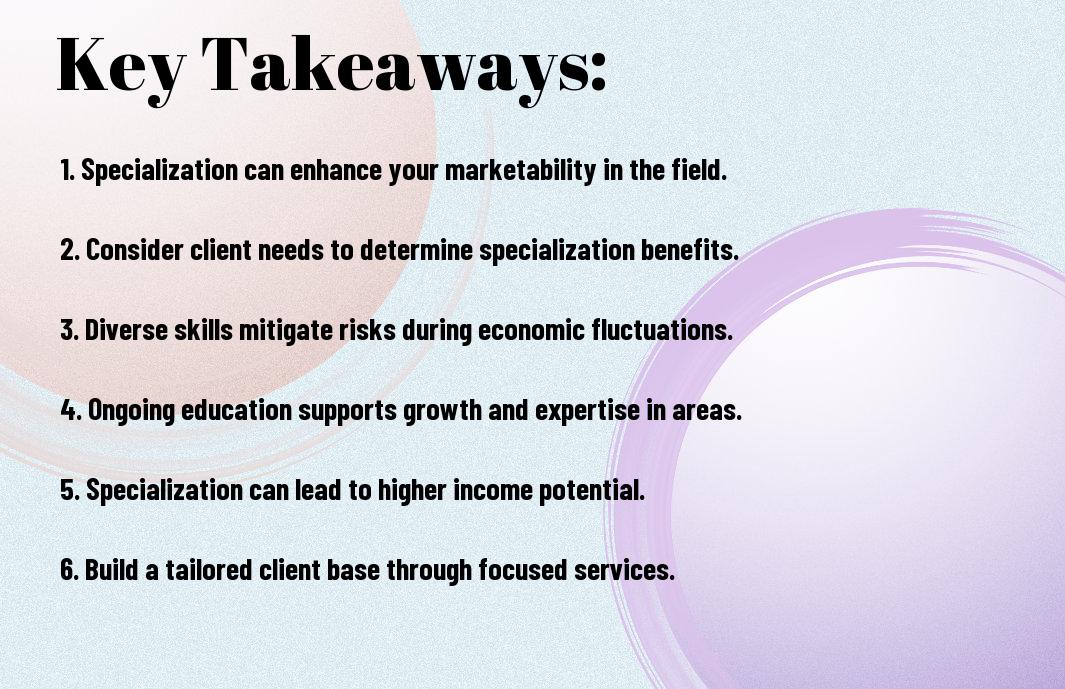
Key Takeaways:

  • Market Demand: Consider the demand in your area for specific types of massage therapy, as specialization can make you more attractive to potential clients.
  • Personal Passion: Assess your interests and strengths to find a specialization that aligns with what you enjoy and excel at.
  • Continued Education: Be prepared for ongoing learning and training in your chosen specialty to stay current with techniques and trends.
  • Diverse Skillset: A variety of skills can attract a broader clientele; however, a focused specialization may enhance your expertise in a particular area.
  • Networking Opportunities: Specializing can create unique networking avenues, connecting you with professionals and clients within your niche.

Understanding Specialization in Massage Therapy

As a massage therapist, understanding specialization allows you to refine your skills and tailor your practice to meet specific client needs. Specialization can enhance your career by enabling you to offer targeted therapies that address particular health concerns. By focusing on a niche within the broader field of massage therapy, you not only stand out to potential clients but also deepen your expertise, making your services more valuable.

Types of Massage Therapy Specializations

A variety of massage therapy specializations exist to accommodate different client needs and preferences. Here are some common types:

  • Sports Massage
  • Deep Tissue Massage
  • Swedish Massage
  • Neuromuscular Therapy
  • Prenatal Massage

Knowing these specializations can guide you in choosing an area that aligns with your interests and goals.

Specialization Type Focus Area
Sports Massage Athletic performance and recovery
Deep Tissue Massage Chronic pain and tension relief
Swedish Massage Relaxation and overall health
Neuromuscular Therapy Nerve-related pain and dysfunction
Prenatal Massage Support during pregnancy

Benefits of Specializing

Benefits of specializing in massage therapy include enhanced expertise, increased client trust, and the ability to command higher rates for specialized services.

It also allows you to build a reputation within a specific niche, making marketing your practice more effective. By honing in on your target audience, you can better meet their unique needs and foster long-term relationships with clients. Additionally, specialization often leads to continued education and professional development, keeping your skills sharp and informed about the latest techniques. Your commitment to a specific area can set you apart from the competition and elevate your practice overall.

Market Demand for Specialty Massage Therapists

You might be wondering about the market demand for specialty massage therapists in your area. As health and wellness continue to gain importance, many clients are seeking therapists who specialize in specific techniques and treatments. Engaging with communities on platforms like what do you specialize in? : r/massage can help you gauge what services are in demand. Adapting your practice to meet these needs can enhance your appeal and increase your client base.

Trends in the Massage Therapy Industry

Alongside growing health consciousness, trends in the massage therapy industry include an increased emphasis on holistic and integrative approaches, such as mindfulness and stress management. As more people become aware of the mental and emotional benefits of massage, specialties like trauma-informed care and myofascial release are gaining traction. Staying informed on these trends can guide you in choosing a specialization that resonates with current market needs.

Client Preferences and Expectations

After assessing the landscape of massage therapy, it’s important to understand client preferences and expectations. As clients become more aware of the benefits of specialized treatments, they often seek out therapists who can address their specific needs. This shift in preferences could drive you to develop expertise in areas that resonate with your target clientele.

A clear understanding of client preferences enables you to tailor your services for maximum satisfaction. Clients today are not only looking for basic relaxation but also targeted relief from issues such as chronic pain or stress. By focusing on specific techniques or areas of expertise, you can enhance your practice and create a lasting connection with your clients. Addressing their unique needs and expectations will set you apart in a competitive market.

Skills and Training for Specialization

Despite pursuing a career as a massage therapist, specializing requires a specific set of skills and training to excel in your chosen niche. To learn more about the importance of specialization in the field, check out The Need To Specialise in Massage Therapy. Embracing this path allows you to enhance your expertise, offering unique therapies that can significantly improve your clients’ well-being.

Advanced Certifications and Courses

For those looking to deepen their expertise, advanced certifications and specialized courses are important. Consider enrolling in programs such as:

Advanced Certifications and Courses

  1. Myofascial Release Techniques
  2. Sports Massage Therapy
  3. Neuromuscular Therapy
  4. Prenatal Massage

Continuing Education Requirements

Courses are often necessary to maintain your massage therapy license and keep your skills relevant. Specializing may also require specific educational credits tailored to your niche.

This commitment to ongoing learning enhances your knowledge and demonstrates your dedication to your profession, making you more appealing to potential clients. By participating in workshops, seminars, and classes, you stay up-to-date with the latest techniques and trends in massage therapy, ensuring you remain a sought-after specialist in your field.

Pros and Cons of Specializing

To determine if specializing as a massage therapist is right for you, it’s crucial to weigh the advantages and potential drawbacks. Here is a breakdown of the pros and cons:

Pros Cons
Increased expertise in your chosen area Limited client base
Higher earning potential Risk of burnout
Improved job satisfaction Continuous education requirements
Enhanced marketing opportunities Possible isolation from other therapists
Recognition as an authority in your field Changes in market demand

Advantages of Being a Specialist

Being a specialist allows you to cultivate deep knowledge and skill sets that attract clients seeking specific therapies. This level of expertise can enhance your reputation and make you the go-to therapist in your niche. Additionally, specializing can lead to greater job satisfaction, as you’re more likely to work with clients whose needs align with your interests and expertise.

Potential Drawbacks and Risks

Among the risks of specializing, you might find that focusing on a specific area can limit your clientele. While it’s true that specialization might lead to higher earnings, it can also create an over-reliance on a smaller pool of clients, which can be risky in fluctuating markets. Additionally, staying current with trends and techniques in your specialty requires ongoing education, which can be both time-consuming and costly.

Hence, opting for specialization means you need to remain agile in your practice and responsive to evolving client needs. The market can shift, and your specialization might not always be in demand. Furthermore, focusing on a specific technique might lead to burnout if you don’t balance your practice with a variety of treatments to keep things fresh and engaging. Weigh these considerations carefully to ensure that your choice aligns with your long-term professional goals.

Exploring Different Specialties

Now, as a massage therapist, you have a unique opportunity to explore various specialties that align with your interests and skills. Each specialty offers different techniques and focuses on diverse issues, from relaxation and recovery to pain management and wellness. By entering into specialized practices, you can distinguish yourself in the field and attract a broader clientele.

Popular Specializations in Massage Therapy

Massage therapy encompasses a variety of popular specializations, including deep tissue, sports massage, prenatal, and aromatherapy. Each of these modalities targets specific needs and conditions, allowing you to tailor your services to meet the unique preferences of your clients. Whether you opt to work with athletes or expectant mothers, specializing can enhance your skill set and marketability.

Niche Markets and Opportunities

Exploring niche markets in massage therapy can yield exciting opportunities for your practice. From corporate wellness programs to therapeutic massage for chronic conditions, these niches allow you to provide targeted relief and support. By identifying gaps in the market, you can create unique offerings that set you apart.

Indeed, delving into niche markets empowers you to tailor your practice according to specific demographics or needs. Consider areas like oncology massage, which supports cancer patients, or massage for veterans, focusing on trauma recovery. Catering to these specialized groups is not only fulfilling but can also lead to increased referrals and a dedicated client base, enhancing your professional reputation and income potential. Remember to stay updated with training and certifications in these niches to maintain your competitive edge.

Making the Decision to Specialize

Not every massage therapist needs to specialize, but if you’re considering it, weigh the pros and cons. Specializing can enhance your marketability and deepen your expertise, yet it may limit your practice scope. Assess your interests and professional goals to determine if a niche aligns with where you envision your career heading.

Evaluating Your Career Goals

Making an informed decision about specializing starts with a clear understanding of your career aspirations. Reflect on where you see yourself in the next five to ten years. Are you aiming to work in a healthcare facility, or do you prefer private practice? Your long-term goals can greatly influence whether a specialized path suits you.

Assessing Your Current Skills and Interests

Evaluating your current skills and interests is a vital step in the decision-making process. Take time to analyze what techniques you excel in and what you enjoy doing most in your practice. This assessment will help guide you toward a specialization that not only complements your abilities but also ignites your passion.

Interests play a significant role in determining the right specialization for you. Consider aspects of massage therapy that genuinely excite you—be it sports massage, prenatal massage, or perhaps deep tissue therapy. Your enthusiasm for certain techniques can enhance your proficiency and attract clients seeking those specific services, ultimately leading to a more fulfilling career.

Summing up

To wrap up, deciding to specialize as a massage therapist can significantly enhance your career by allowing you to develop expertise in a specific area that aligns with your interests and the needs of your clients. Specialization not only helps you stand out in a competitive field but also enables you to offer tailored treatments that can lead to greater job satisfaction and client loyalty. Evaluate your passions and market demands to guide your decision, ensuring that your choice leads to both professional growth and fulfillment.

FAQ

Q: What are the advantages of specializing as a massage therapist?

A: Specializing in a particular area of massage therapy can enhance your career in several ways. Firstly, it allows you to develop a deeper expertise in a specific technique, such as sports massage or prenatal massage, which can make you more attractive to potential clients seeking specialized services. Specialization can also lead to higher earning potential, as clients may be willing to pay a premium for therapists with advanced skills and knowledge. Furthermore, being recognized as an expert in a particular niche can help you build a strong reputation and referral base, setting you apart from other generalists in the field.

Q: How can I determine if I should specialize in a certain type of massage therapy?

A: To assess whether you should specialize, consider your interests, strengths, and the demands of your local market. Reflect on the types of clients you enjoy working with and the techniques that excite you. Additionally, researching local trends can reveal if there is a high demand for certain types of massage, such as therapeutic, deep tissue, or aromatherapy. Engaging in continuing education courses in various modalities can help you gauge which areas resonate with you the most. Seeking mentorship from established therapists in your areas of interest can also provide insights and guidance.

Q: What are some common challenges faced when choosing to specialize as a massage therapist?

A: While there are many benefits to specializing, there can also be challenges. One potential issue is that you may limit your client base by focusing on a specific niche, which could impact your income if demand fluctuates. Additionally, specialized training can require significant time and financial investment, which may be daunting if you are still establishing your practice. It’s important to weigh the pros and cons, and consider maintaining a balance between general practice and specialization, allowing you to attract a wider range of clients while also diving deeper into your interests.

The Ethics of Massage Therapy – What Every Therapist Should Know

Over the course of your career as a massage therapist, understanding and applying ethical principles is necessary for professional success and client trust. Your practice must reflect not only technical skill but also moral integrity and respect for your clients. In this post, we will explore key ethical considerations that you should keep in mind, from informed consent to boundaries. For further insights, check out this resource on Ethics in Massage Therapy.

Key Takeaways:

  • Informed Consent: Always obtain clear and comprehensive consent from clients before any session, ensuring they understand the treatment process and potential benefits.
  • Boundaries: Maintain professional boundaries to foster a safe environment; avoid dual relationships to protect both the therapist and client.
  • Confidentiality: Uphold the privacy of client information, sharing details only with consent or as required by law.
  • Professionalism: Adhere to established ethical standards and state regulations, demonstrating integrity and accountability in practice.
  • Continuous Education: Engage in ongoing professional development to stay informed about ethical practices, emerging research, and evolving client needs.

Understanding Ethical Principles

A strong understanding of ethical principles is vital for your practice in massage therapy. These principles serve as a guiding framework that helps you navigate the complexities of client interactions, ensuring that you provide care that respects both the physical and emotional well-being of your clients. By aligning your practice with these ethical standards, you foster trust, professionalism, and positive outcomes.

Beneficence and Nonmaleficence

Along your journey as a massage therapist, it is vital to prioritize both beneficence—actively contributing to the well-being of your clients—and nonmaleficence—avoiding any harm. In every session, you should strive to create a safe, supportive environment that promotes healing and growth, while also being acutely aware of techniques or practices that could lead to discomfort or injury. This balance is vital for building lasting client relationships.

Autonomy and Consent

At the core of ethical massage therapy lies the principles of autonomy and consent. You must ensure that your clients are fully informed and comfortable with the treatments they receive, empowering them to make choices about their own care. Respecting their autonomy not only improves the therapeutic relationship but also enhances client satisfaction and trust in your expertise.

To uphold the principles of autonomy and consent, it is important to engage your clients in open conversations about their preferences, needs, and any concerns they may have. Before beginning any treatment, provide detailed information about the techniques you plan to use, allowing them to voice any hesitations or preferences. By obtaining informed consent, you affirm their right to control their own bodies and foster a collaborative therapeutic environment, ultimately leading to better outcomes and a more positive experience.

Professional Boundaries

It is crucial for you as a therapist to establish professional boundaries to ensure a safe and respectful environment for both you and your clients. These boundaries protect the therapeutic relationship and help maintain trust, which is key for effective treatment. Clear boundaries can prevent misunderstandings and create a framework within which healing can occur, allowing you to focus on your client’s well-being without complications arising from mixed roles or expectations.

Defining Boundaries in Therapy

Beside fostering a safe space, you need to define specific boundaries in your practice. This includes setting limits around physical touch, professional interactions outside of sessions, and maintaining confidentiality. By clearly communicating these boundaries to your clients, you establish parameters that enhance the therapeutic experience and uphold professional integrity.

The Role of Power Dynamics

Beside defining boundaries, understanding the power dynamics at play in the therapist-client relationship is vital. You, as a therapist, hold a position of authority due to your expertise and the intimate nature of the work. Acknowledging this imbalance helps you navigate interactions more ethically, ensuring that your clients feel respected and empowered while receiving care.

Professional understanding of power dynamics is key for fostering an ethical therapeutic environment. You must be conscious of the influence you have, as your clients may come to you in vulnerable states. By remaining aware of this dynamic, you can actively prevent any misuse of power in your relationships, allowing clients to feel safe and valued, which ultimately enhances their healing journey.

Confidentiality and Privacy

Your practice as a massage therapist demands a firm commitment to confidentiality and privacy. Maintaining the trust of your clients is vital not just for the integrity of your practice, but also for fostering strong, therapeutic relationships. By ensuring that all personal information, session details, and medical histories are kept confidential, you demonstrate your professionalism and respect for your clients’ dignity.

Importance of Client Confidentiality

Confidentiality serves as the bedrock of therapeutic relationships. By safeguarding your clients’ personal information, you contribute to a safe environment where they can fully express their concerns and needs, ultimately enhancing the effectiveness of your massage therapy sessions.

Legal Considerations

Importance of adhering to privacy regulations in your practice cannot be overstated. Failure to comply with laws such as HIPAA can lead to serious legal repercussions and damage to your professional reputation. Being well-versed in these regulations will help you manage client information appropriately and maintain compliance.

Confidentiality laws vary by region, so it is vital to familiarize yourself with both local regulations and ethical standards governing health care practices. This knowledge protects not only your clients but also your professional standing. Additionally, establishing clear policies for handling client records, obtaining consent for sharing information, and securely storing sensitive data will help you navigate the complexities of confidentiality while ensuring you remain compliant with applicable legal and ethical standards.

Cultural Competency in Massage Therapy

Now, more than ever, cultural competency is vital in massage therapy. As a therapist, you encounter clients from diverse backgrounds, each with unique beliefs, customs, and values. Understanding these cultural nuances not only enhances your ability to provide effective treatments but also fosters trust and respect between you and your clients, leading to a more meaningful therapeutic relationship.

Respecting Diverse Backgrounds

Any massage therapist should strive to honor the diverse backgrounds of their clients. This involves taking the time to learn about different cultural practices and preferences regarding touch, communication styles, and personal space. By showing respect and sensitivity to these factors, you create a more inclusive environment that helps clients feel safe and valued during their sessions.

Addressing Assumptions and Bias

About cultural competency, understanding your own assumptions and biases is crucial. Every therapist brings their own perspectives into the treatment room, which can inadvertently impact the therapeutic process. Being aware of these biases allows you to adjust your approach, ensuring that every client receives the care they deserve.

Backgrounds of clients can significantly influence their experience in your therapy practice. Conducting self-assessments and engaging in ongoing education about cultural awareness can help you identify any biases you might hold. This understanding not only enhances your professional development but also improves the therapeutic experience for your clients. By actively working to dismantle these assumptions, you promote a more equitable and understanding practice, further enriching the healing journey for all individuals you serve.

Continuing Education and Ethical Practice

To maintain high standards in massage therapy, it is important for you to engage in continuing education. This commitment not only enhances your skills but also ensures that your practice evolves with current research and techniques. Staying updated on industry advancements supports ethical practice and promotes better client outcomes, reinforcing your reputation as a knowledgeable and responsible therapist.

Staying Informed on Best Practices

Informed decisions rely on staying updated with best practices in the field. Regularly seek out workshops, seminars, and online courses that cover the latest methodologies, safety guidelines, and client care strategies. By doing so, you maintain your competency and adapt to changing client needs, ensuring you provide the highest level of service.

Ethics in Ongoing Professional Development

An ethical approach to ongoing professional development means actively seeking knowledge that aligns with the values of your practice. This includes respecting boundaries, understanding diverse client needs, and addressing social justice issues within your work. By prioritizing ethical education, you contribute positively to the massage therapy community and enhance your professional integrity.

Ongoing education provides the opportunity for you to engage with ethical dilemmas and scenarios that may arise in your practice. This includes learning how to navigate client relationships responsibly, ensuring informed consent, and maintaining confidentiality. Emphasizing ethics in your professional development not only protects your clients but also fosters a culture of respect and professionalism within the massage therapy field.

The Therapist’s Responsibility

For a massage therapist, understanding your responsibility extends beyond providing treatments. It involves creating a safe space for your clients while respecting their boundaries, dignity, and wellbeing. You must adhere to ethical protocols and continuously assess your professional conduct. This commitment ensures that you maintain the trust vital for an effective therapeutic relationship, aligning your practices with the highest standards of integrity.

Self-Care and Ethical Practice

Ethical practice begins with self-care. As a therapist, prioritizing your physical and mental health is vital to prevent burnout and maintain the quality of care you provide. When you engage in self-care, you enhance your ability to connect with clients, maintain professionalism, and uphold a high standard of therapeutic ethics.

Recognizing and Reporting Misconduct

After observing any misconduct, whether it be unprofessional behavior from a colleague or inappropriate conduct towards a client, it is your duty to address the situation. Failing to take action not only jeopardizes your practice but also undermines the trust in the therapeutic community.

With a keen awareness of unethical behavior, you can play a vital role in safeguarding the integrity of the profession. If you notice misconduct, document the incidents thoroughly and report them to the appropriate authorities or organizations. Your proactive approach contributes to a culture of accountability, ensuring the wellbeing of both clients and therapists alike. Taking these steps fosters a professional environment where ethical standards are upheld and respected.

To wrap up

Drawing together the imperative elements of ethical practice in massage therapy, it’s vital for you to prioritize client trust and confidentiality, maintain professional boundaries, and continuously educate yourself on ethical standards. By adhering to these principles, you ensure a safe and respectful environment for your clients, fostering a positive therapeutic relationship. Ultimately, your commitment to ethical conduct not only enhances your professional reputation but also contributes to the overall integrity of the massage therapy profession.

FAQ

Q: What ethical principles should a massage therapist follow?

A: Massage therapists should adhere to several key ethical principles including informed consent, confidentiality, respect for client autonomy, and professional integrity. It is important to obtain informed consent from clients before beginning any treatment, ensuring they are fully aware of the techniques and any potential risks involved. Confidentiality must be maintained about all client information, fostering a safe environment where clients feel comfortable sharing personal details. Additionally, therapists should respect the autonomy of their clients by allowing them to make informed decisions about their treatment and avoiding any manipulative practices. Lastly, maintaining professional integrity involves providing services with honesty, competence, and a commitment to ongoing education and self-improvement.

Q: How can a massage therapist handle boundary violations effectively?

A: To effectively handle boundary violations, massage therapists should establish clear professional boundaries from the outset. This includes discussing the nature of the therapeutic relationship, service scope, and creating a safe space for clients to express any discomfort. If a boundary violation occurs, the therapist should address the situation directly and transparently. This can involve clarifying the acceptable behaviors and reaffirming the therapeutic intent of the session. Additionally, it’s important for therapists to have a protocol in place for reporting any significant violations, whether they occur within the professional setting or involve external factors. Seeking supervision or guidance from colleagues can also aid in processing the situation and ensuring adherence to ethical standards.

Q: What role does cultural competence play in the ethics of massage therapy?

A: Cultural competence plays a vital role in the ethics of massage therapy by ensuring that therapists are sensitive to and respectful of the diverse backgrounds of their clients. Therapists should strive to understand and appreciate different cultural beliefs, practices, and values that may influence a client’s experience and expectations regarding massage therapy. This involves ongoing education and training to enhance cultural awareness and develop skills to effectively communicate and connect with clients from varied backgrounds. By practicing cultural competence, therapists can provide individualized care that respects the client’s cultural identity, mitigating the risk of unintentional bias or offense and ultimately fostering trust and rapport within the therapeutic relationship.

Skip to content