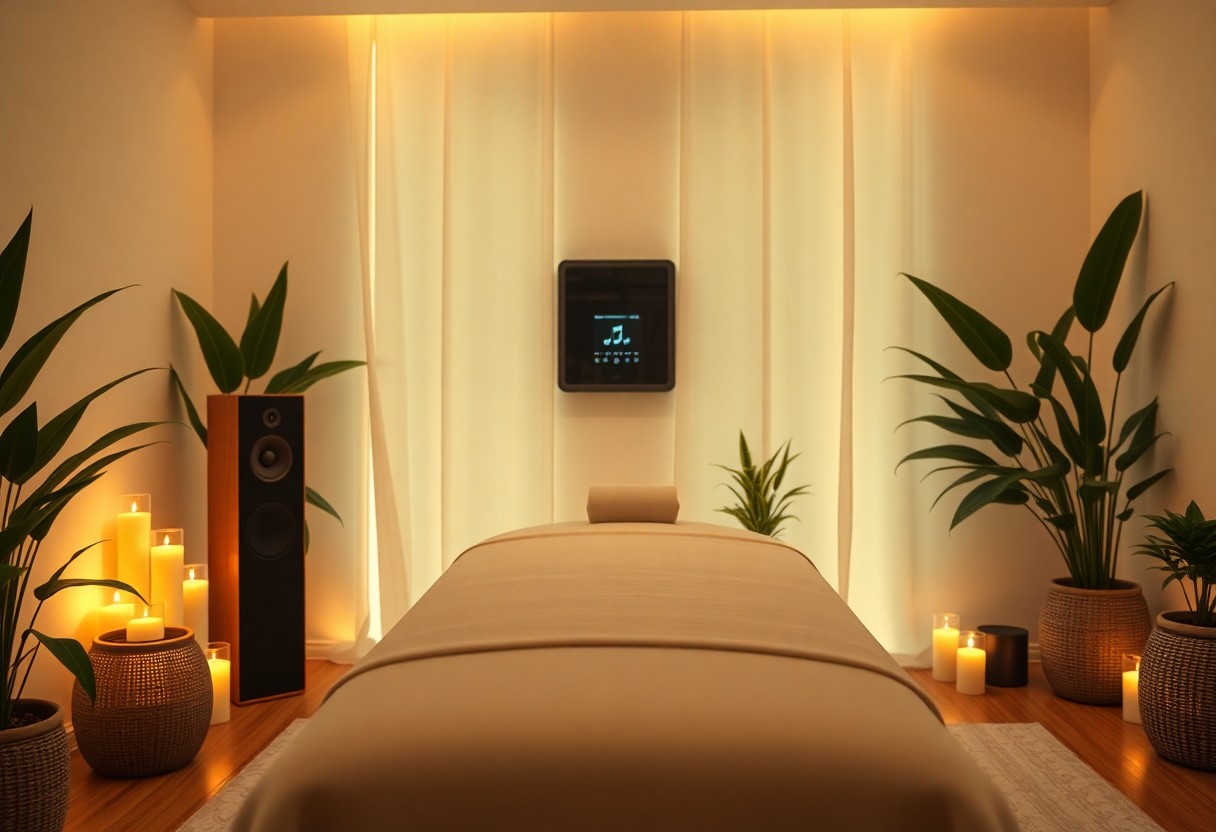
Massage and Wellness

How Aromatherapy Enhances Massage Therapy

Therapy combines the soothing touch of massage with the therapeutic benefits of crucial oils, creating a powerful experience for your body and mind. By incorporating aromatherapy into your massage sessions, you can elevate relaxation, reduce stress, and enhance overall well-being. Each crucial oil offers unique attributes that can target specific needs, whether it’s calming anxiety or relieving muscle tension. Understanding how these elements work together allows you to maximize the benefits of your massage, leading to a more enriching experience tailored to your personal wellness journey.

Key Takeaways:

  • Enhanced Relaxation: Aromatherapy can deepen relaxation during massage therapy by utilizing imperative oils that promote a calming atmosphere.
  • Improved Mood: Specific scents can elevate mood and emotional well-being, helping clients to feel more at ease and receptive during the session.
  • Targeted Benefits: Different imperative oils have unique therapeutic properties, allowing therapists to tailor the experience to address specific physical or emotional concerns.
  • Increased Focus: The use of aromatic oils can enhance concentration for both the therapist and client, leading to more effective techniques and outcomes.
  • Holistic Experience: Combining massage therapy with aromatherapy creates a comprehensive approach that engages multiple senses, fostering a deeper sense of wellness.
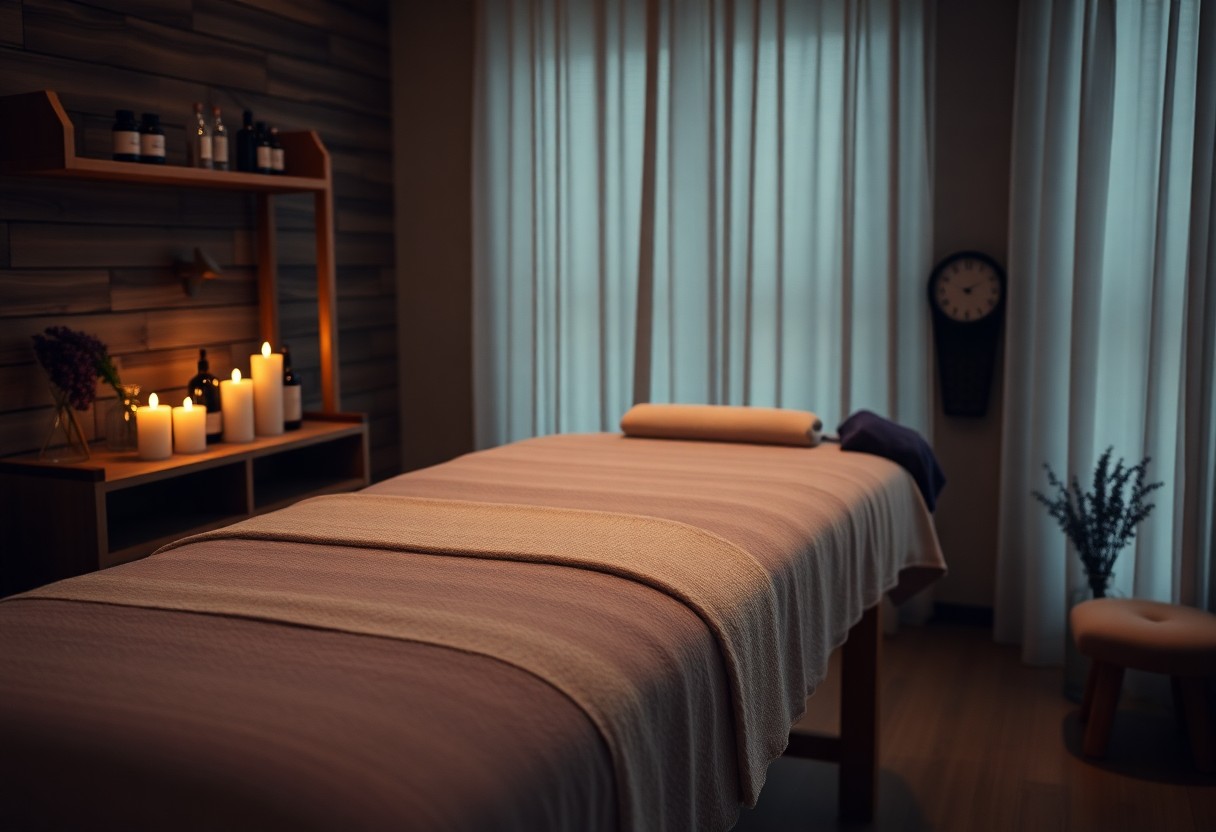
Understanding Aromatherapy

Before plunging into the world of aromatherapy, it’s necessary to grasp its significance in enhancing wellness. Aromatherapy utilizes aromatic plant extracts to improve physical and emotional well-being. By engaging your senses through scent, it promotes relaxation and healing, making it an ideal complement to massage therapy.

Definition and Principles

Before exploring the specific benefits of aromatherapy, it’s important to define its fundamental principles. Aromatherapy is the therapeutic use of necessary oils derived from plants, which can influence your mood, physical health, and overall wellness. These oils are often inhaled or absorbed through the skin during treatments, effectively harnessing nature’s healing potential.

Common Essential Oils Used

Below are some common necessary oils that you may encounter in aromatherapy sessions. Each oil has unique properties that can profoundly influence your experience during massage therapy. Popular oils include lavender for relaxation, eucalyptus for respiratory relief, and peppermint for invigoration.

Oils like lavender offer calming effects, making them perfect for stress relief during your massage. Eucalyptus can help clear your airways, while peppermint invigorates your senses, enhancing overall massage benefits. Other oils like tea tree and chamomile may also be used, each contributing distinct therapeutic properties tailored to your individual needs. Incorporating these necessary oils not only deepens your relaxation but also elevates your overall well-being during massage therapy.

Benefits of Aromatherapy in Massage Therapy

Some of the primary benefits of incorporating aromatherapy into massage therapy include enhanced relaxation, improved circulation, and increased emotional well-being. The therapeutic properties of important oils not only deepen the massage experience but also promote a holistic approach to healing. By integrating these scents, you can stimulate your senses and create a more immersive treatment that addresses both physical and emotional needs.

Enhancing Relaxation and Stress Relief

Therapy in aromatherapy works by engaging your olfactory system, triggering positive emotional responses that enhance relaxation. When combined with the soothing techniques of massage, important oils like lavender and chamomile can further calm your mind and reduce anxiety levels. This combination allows you to experience a deeper sense of tranquility, making your massage therapy session even more restorative.

Promoting Pain Management

Massage therapy can effectively alleviate pain, and when combined with aromatherapy, it becomes even more powerful. The application of certain important oils can target inflammation and muscle tension, leading to significant relief. By using oils such as peppermint or eucalyptus during your sessions, you can enhance the therapeutic effects of massage, allowing you to manage chronic pain conditions more effectively.

With the inclusion of specific important oils during your massage, you can address pain at a cellular level. For instance, peppermint oil has analgesic properties that can soothe headaches and muscle soreness, while eucalyptus oil may enhance circulation and ease respiratory discomfort. This synergy between massage techniques and the natural properties of aromatherapy not only helps reduce pain but also promotes an overall sense of well-being in your body.

Techniques for Incorporating Aromatherapy into Massage

After understanding the benefits of aromatherapy in massage therapy, you can enhance your sessions by integrating various techniques. Utilizing vital oils effectively can elevate your client’s experience, promote relaxation, and improve the overall outcomes of the massage. By exploring different methods, you can customize treatments based on individual preferences and needs, ensuring a personalized approach that deepens the therapeutic effects of both massage and aromatherapy.

Diffusion Methods

Along with the application of vital oils during massage, diffusing the oils throughout the treatment space can create a calming atmosphere. You can use vital oil diffusers, sprays, or simply add a few drops to warm water for a soothing aroma that envelops your clients. This sensory experience not only prepares your clients for relaxation but also enhances their overall enjoyment of the massage.

Blending Essential Oils

Essential oil blending is an art that allows you to create unique combinations tailored to your clients’ specific needs. By mixing vital oils, you can enhance their therapeutic properties while delivering a pleasant and harmonious scent. Tailoring blends to suit individual preferences can significantly elevate the massage experience, allowing you to target certain ailments or promote emotional healing more effectively.

Methods for blending vital oils may include combining top notes, middle notes, and base notes to create well-rounded scents. You can experiment with different ratios to formulate a blend that complements the massage oils used during the session. For instance, mixing lavender with sweet orange can promote relaxation and uplift the mood, while eucalyptus and peppermint may invigorate and clear your client’s mind. Take time to explore and discover what works best for you and your clients, resulting in a truly customized and effective aromatherapy experience.

Safety Considerations

Once again, ensuring safety during aromatherapy and massage therapy is vital for a positive experience. You should always be aware of potential risks, such as allergic reactions or skin sensitivities to certain necessary oils. Consulting with your massage therapist and conducting patch tests can help you avoid any adverse reactions, allowing you to fully enjoy the therapeutic benefits of combined modalities.

Allergies and Skin Sensitivities

Beside considering necessary oils’ benefits, you must be aware of any personal allergies or skin sensitivities. It is important to inform your massage therapist about any past reactions, as some necessary oils may cause unwanted irritation. This knowledge will guide your therapist in selecting the right oils for your treatment, ensuring a safe and enjoyable experience.

Proper Dilution Practices

Beside ensuring that oils are safe for your skin, proper dilution practices are necessary for effective aromatherapy. You should always dilute necessary oils with a carrier oil before application to prevent skin irritation and to enhance absorption. This practice ensures that you receive the benefits of the necessary oils without compromising your skin’s health.

Practices such as using a standard dilution ratio of 1-3% for topical applications can significantly minimize the risk of irritation. For instance, if you’re using a carrier oil like jojoba, adding 1-3 drops of necessary oil per teaspoon of carrier oil is adequate. Thoroughly mixing necessary oils ensures an even distribution, allowing you to enjoy the aromatic benefits safely during your massage therapy session.

Case Studies and Testimonials

Not only does aromatherapy enhance the overall experience of massage therapy, but numerous case studies also validate its effectiveness. Here are some key findings:

  • 80% of clients reported reduced anxiety levels after a session using lavender important oil.
  • 75% of participants in a study indicated improved sleep quality following an aromatherapy massage.
  • 65% experienced relief from chronic pain, particularly when using eucalyptus and peppermint oils.
  • 90% noted an elevated mood and overall well-being after sessions incorporating citrus scents.

For more insights, check out Everything you need to know about aromatherapy massage.

Client Experiences

Above all, clients have shared transformative experiences that highlight the synergy of aromatherapy with massage therapy. Many report an immediate sense of relaxation and emotional relief that they attribute specifically to the scents used during their sessions.

Therapist Perspectives

An emerging consensus among therapists is that incorporating aromatherapy into massage has significantly enhanced their practice. They observe that clients are more receptive and relaxed when specific important oils are used, leading to more effective sessions.

In fact, therapists note that using targeted important oils can create a customized experience, allowing them to better address individual client needs. This tailored approach not only enhances satisfaction but also increases the overall efficacy of the treatment, fostering a stronger therapist-client bond.

Future Trends in Aromatherapy and Massage

All indications point to a growing synergy between aromatherapy and massage therapy as more clients recognize the profound benefits of combining these practices. As you seek more personalized wellness experiences, practitioners are likely to incorporate innovative important oil applications, enhanced techniques, and even technology to optimize these therapeutic practices. In the future, expect refined methods that deepen relaxation and improve overall wellbeing, ultimately enriching your massage experience.

Innovations in Essential Oils

Before you launch on your next wellness journey, it’s worth exploring the advancements in important oils that enhance your massage experience. New extraction methods, refined blends, and therapeutic-grade oils are making it easier for you to find effective aromas that suit your needs. As the market evolves, you’ll discover products designed for specific ailments and moods, ultimately providing you with tailored aromatherapy options during your treatments.

Integrating Technology

Massage therapy is increasingly integrating technology to provide enhanced experiences for you as a client. Innovative devices and apps can pair with traditional massage techniques to optimize the effects of aromatherapy, tracking your preferences, and even recommending customized oil blends for your specific needs.

But the integration of technology in massage therapy doesn’t stop at simple tracking. Advanced devices such as smart diffusers or aroma-controlled massage beds are allowing you to experience scents at tailored intervals, creating a multisensory experience that is both immersive and therapeutic. Mobile applications can now guide practitioners through personalized sessions, considering your unique preferences and wellness goals, ultimately aiming to elevate your relaxation and healing process. This amalgamation of aromatherapy and technology promises to reshape the future of massage therapy for your benefit.

Final Words

Conclusively, incorporating aromatherapy into your massage therapy enhances your overall experience and amplifies the benefits you receive. The therapeutic properties of crucial oils can elevate your relaxation, improve your emotional well-being, and even alleviate physical discomfort. By selecting the right scents, you can tailor your massage to meet your personal needs, ensuring a deeper connection to your body’s healing process. Embracing this holistic approach empowers you to maximize the effectiveness of your sessions and fosters a more profound sense of peace and rejuvenation in your life.

Q: How does aromatherapy complement massage therapy?

A: Aromatherapy enhances the benefits of massage therapy by using imperative oils that can influence mood and health through the sense of smell. When incorporated during a massage session, these oils can help to relax the mind and body, alleviate stress, and improve overall well-being. The combination of soothing touch and aromatic scents creates a more immersive experience, allowing clients to feel deeply relaxed and rejuvenated.

Q: What types of imperative oils are commonly used in massage therapy?

A: Various imperative oils can be utilized in massage therapy, each offering unique benefits. For example, lavender oil is known for its calming properties and can help reduce anxiety; peppermint oil can invigorate the senses and relieve muscle tension; and eucalyptus oil can assist in respiratory relief. The selection of oils may depend on individual client needs, preferences, and desired outcomes from the session.

Q: Are there any safety considerations when using aromatherapy in massage?

A: Yes, there are several safety considerations to keep in mind when using aromatherapy in massage therapy. It is imperative to perform a patch test for any new imperative oil to check for potential allergic reactions. Additionally, some oils may be contraindicated for pregnant individuals, people with certain medical conditions, or when medication is being taken. Practitioners should consult clients about any health concerns and consider diluting imperative oils with a carrier oil to prevent skin irritation.
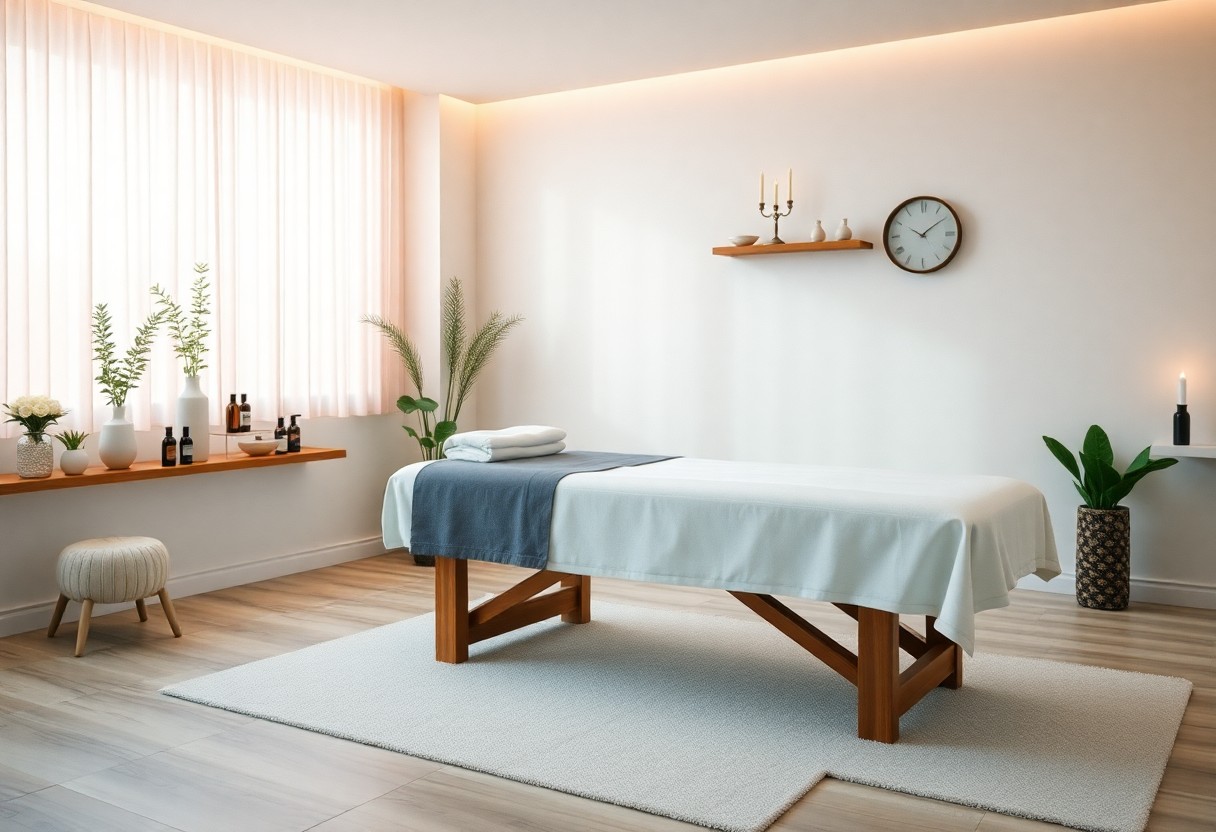
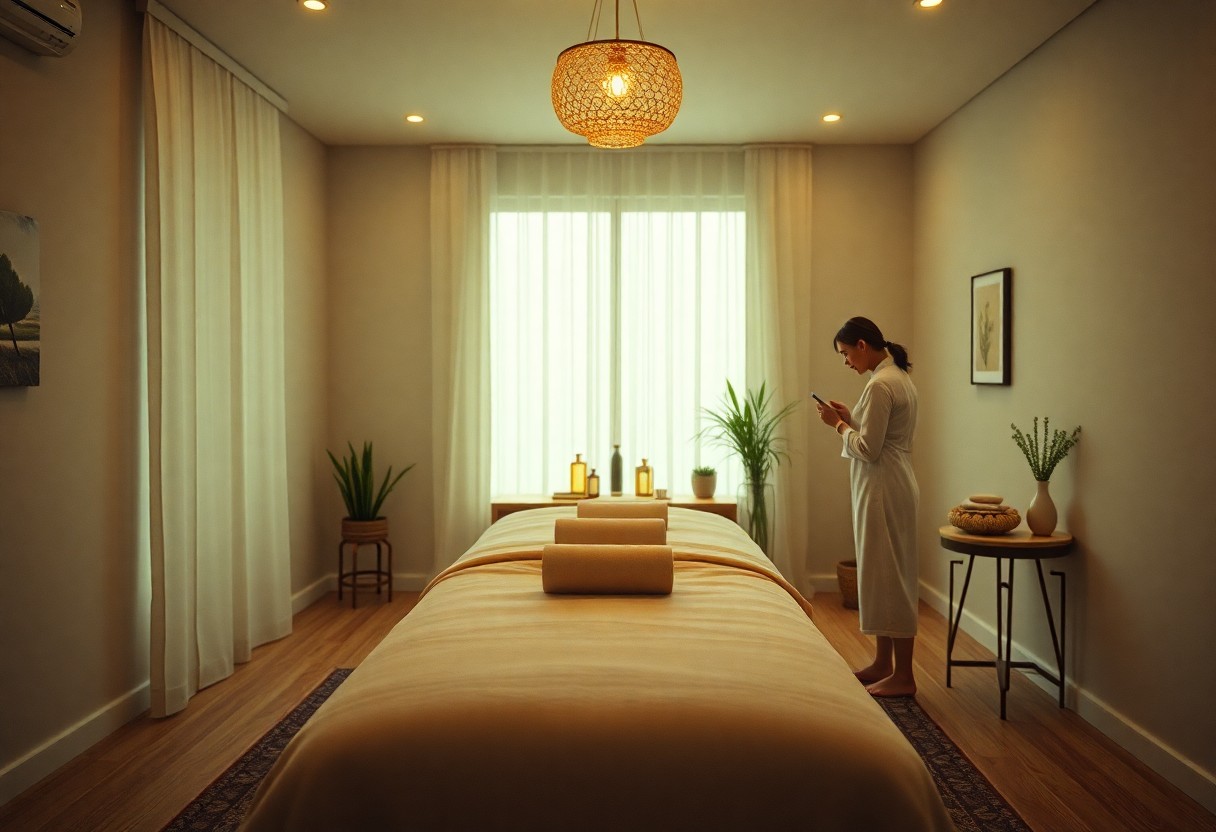
How Massage Works – The Science Behind the Relaxation

You might be surprised to learn that the benefits of massage extend far beyond simple relaxation. Understanding how massage works involves exploring its effects on your body and mind at a physiological level. This informative post will probe into the science behind the relaxation you experience during a massage session, highlighting its impact on your muscles, circulation, and overall well-being. For deeper insights, check out How It Impacts Your Brain and Body – Massage Works.

Key Takeaways:

  • Physiological Response: Massage affects the body by enhancing blood circulation and reducing muscle tension.
  • Endorphin Release: The process stimulates the release of endorphins, leading to feelings of happiness and pain relief.
  • Nervous System Regulation: Massage impacts the autonomic nervous system, promoting relaxation and reducing stress levels.
  • Improved Flexibility: Regular massage therapy can enhance joint flexibility and overall range of motion.
  • Emotional Benefits: Beyond physical relaxation, massage can alleviate anxiety and improve mood, contributing to mental well-being.

The Physiology of Massage

The physiology of massage involves a complex interplay of bodily systems that promotes relaxation and healing. When you receive a massage, various physiological responses occur, leading to improved circulation, reduced muscle tension, and the release of stress-relieving hormones. Understanding these processes enhances your appreciation of how massage benefits your overall well-being.

Effects on Muscles and Tissues

Muscles experience significant benefits from massage, as it increases blood flow and oxygen supply, aiding recovery. This process helps to alleviate muscle stiffness and reduce pain, enhancing your range of motion. The manipulation of soft tissues also stimulates the breakdown of adhesions and scar tissue, promoting overall muscle health.

Impact on the Nervous System

Impact on the nervous system is another vital aspect of massage, influencing your state of relaxation and overall health. The stimulation of nerve endings during a massage can trigger a relaxation response in your body, reducing stress levels and enhancing mood. This connection between massage and the nervous system underscores its therapeutic value.

Physiology plays a significant role in how massage affects the nervous system. Your brain responds to the gentle pressure and movements with the release of endorphins, which are natural painkillers, and serotonin, a hormone that promotes feelings of well-being. These biochemical changes lead to reduced anxiety and improved sleep quality, fostering a deeper sense of relaxation and tranquility that can last long after the massage session has ended.

The Psychological Benefits of Massage

Any form of massage can have profound psychological benefits, promoting overall mental well-being. As you experience the gentle touch and rhythmic motions, your mind begins to relax, allowing stress to dissipate. This connection between body and mind fosters a sense of calm, reducing anxiety and enhancing your emotional health.

Stress Reduction and Mental Clarity

Psychological research indicates that massage can significantly reduce stress hormones in your body. This reduction not only leads to immediate relaxation but also contributes to improved mental clarity and focus. When your mind is less cluttered by stress, you can tackle daily challenges with a renewed sense of purpose and clarity.

Emotional Release and Well-being

Below the surface, massage can trigger an emotional release that many individuals experience during treatment. As tension melts away, feelings of deep-seated emotions may surface, leading to enhanced overall well-being. This cathartic process allows you to connect with your feelings, promoting emotional resilience and stability.

Plus, the emotional release experienced during massage may lead to long-lasting benefits. It can help you process pent-up feelings, allowing for a healthier emotional state outside the treatment room. Embracing this release often results in decreased anxiety levels, better mood regulation, and a sense of connectedness to yourself and others, paving the way for a more fulfilling life.

Different Types of Massage Techniques

Despite the wide variety of massage techniques available, each one offers unique benefits that cater to your specific needs. Here are some popular types of massage:

  • Swedish Massage
  • Deep Tissue Massage
  • Trigger Point Therapy
  • Aromatherapy Massage
  • Hot Stone Massage

Any of these techniques can be tailored to enhance your relaxation and wellbeing.

Type of Massage Description
Swedish Massage A gentle technique that uses long strokes and kneading.
Deep Tissue Massage Focuses on deeper layers of muscle and connective tissue.
Trigger Point Therapy Targets specific trigger points for pain relief.
Aromatherapy Massage Incorporates crucial oils for improved relaxation.
Hot Stone Massage Uses heated stones to promote relaxation and relieve tension.

Swedish Massage

For a soothing experience, Swedish massage employs long, gliding strokes and gentle kneading to help you unwind. This technique stimulates blood flow and promotes overall relaxation, making it ideal for stress relief and muscle tension reduction.

Deep Tissue Massage

Across various settings, deep tissue massage is designed to alleviate chronic muscle tension. By applying slow, firm pressure to deeper layers of muscle, this technique targets knots and areas of stiffness, allowing for greater mobility and comfort.

Understanding how deep tissue massage works can greatly enhance your experience. It specifically addresses areas of chronic pain and tension through concentrated pressure, often utilizing specialized techniques. This approach not only helps release tightness but also promotes healing in deeper tissues, making you feel rejuvenated post-massage.

Massage and Pain Relief

Many individuals seek massage as a natural and effective method for pain relief. This bodywork technique not only alleviates discomfort but also promotes relaxation, which can be imperative for your overall well-being. By increasing blood circulation and reducing muscle tension, massage allows your body to heal itself and provides an immediate sense of comfort that enhances your quality of life.

Mechanisms of Pain Reduction

Behind the scenes, massage activates several physiological processes that contribute to pain reduction. By targeting knots and tension in your muscles, it increases circulation, which helps deliver oxygen and nutrients while flushing out toxins. This process stimulates the release of endorphins, your body’s natural painkillers, effectively diminishing the sensation of pain and promoting a sense of relaxation.

Studies Supporting Efficacy

For those looking to validate the power of massage, numerous studies demonstrate its effectiveness in pain management. Research has shown that massage therapy can reduce pain from various conditions, including chronic back pain, osteoarthritis, and fibromyalgia, highlighting its versatility in addressing discomfort across different populations.

Understanding the evidence behind massage therapy can enhance your confidence in its efficacy. Clinical trials have consistently found that regular massage can lead to significant reductions in pain levels, alongside improvements in mobility and overall well-being. By incorporating massage into your routine, you have the potential to experience these benefits, supporting not only pain relief but also a more holistic approach to your health.

The Role of Touch in Human Connection

Your connection with others is often deepened through the simple yet profound act of touch. This fundamental form of communication transcends words, fostering intimacy, empathy, and understanding. Touch can convey comfort and security, reinforcing bonds that contribute to your emotional well-being. Through various forms of touch, from a reassuring hug to a gentle massage, you can nurture relationships and create an atmosphere of trust and support in your life.

Therapeutic Touch in Healing

Between the layers of your skin lies a remarkable network of receptors that respond to touch, helping your body heal both physically and emotionally. Therapeutic touch activates your body’s natural healing processes, reducing stress and promoting relaxation. When you engage with a therapist who understands the nuances of touch, you not only alleviate tension but also enhance your overall health, leading to a balanced state of mind and body.

Cultural Perspectives on Touch

Before discussing the variety of ways touch is perceived, it’s necessary to understand that cultural backgrounds greatly shape your perceptions of touch. Different cultures have unique norms and practices surrounding physical contact, influencing how you express affection, comfort, or even professional boundaries.

In fact, some cultures celebrate touch as an necessary part of social interaction, while others are more reserved, viewing physical contact as private. For example, Mediterranean cultures often embrace touch in social settings, using it to emphasize warmth and connection. In contrast, more conservative cultures may interpret touch with greater caution, emphasizing personal space. Understanding these cultural differences not only enriches your knowledge but helps you navigate social interactions more appropriately, enhancing your ability to connect with others across diverse backgrounds.

The Science of Relaxation Response

Once again, the human body showcases its remarkable ability to respond to stimuli, particularly through the relaxation response triggered by methods such as massage. This response is a physiological state that counteracts stress, promoting an overall sense of well-being. As you undergo massage therapy, your body recognizes the calming touches as indicators to shift from the fight-or-flight response to a state of tranquility, enabling you to experience profound relaxation.

Activation of the Parasympathetic Nervous System

An important component of this relaxation response is the activation of your parasympathetic nervous system. When you receive a massage, signals are sent throughout your body that promote rest and recovery. This activation helps to lower heart rate and blood pressure, facilitating a calm state where tension and stress can significantly diminish.

Long-term Benefits of Regular Massage

Systematic massage therapy offers numerous long-term benefits that extend beyond the immediate relaxation you feel. Regular sessions can decrease anxiety, improve sleep quality, and enhance overall physical health, fostering a more resilient body and mind.

Science underscores that consistent massage therapy not only addresses immediate stress relief but also contributes to your overall health management. Over time, the cumulative effects can lead to lower levels of chronic pain, enhanced immunity, and improved mental clarity. By making massage a regular part of your wellness routine, you empower yourself to maintain a balanced life, allowing both your body and mind to thrive in harmony.

Final Words

On the whole, understanding how massage works allows you to appreciate the physiological and psychological benefits it offers your body and mind. By grasping the science behind muscle relaxation, improved circulation, and stress reduction, you empower yourself to make informed decisions about your wellness routines. Incorporating massage into your lifestyle can significantly enhance your overall health, helping you to manage tension and promote a sense of calm. As you explore this therapeutic practice, keep in mind the numerous ways it can positively impact not just your body, but also your mental well-being.

FAQ

Q: How does massage improve circulation?

A: Massage therapy facilitates improved blood circulation by applying pressure to the muscles and soft tissues. This pressure stimulates the blood vessels, encouraging better flow of oxygen and nutrients throughout the body, while also assisting in the removal of metabolic waste. Increased circulation can lead to reduced muscle tension, enhanced tissue repair, and a greater overall sense of well-being.

Q: What role do hormones play in the relaxation response during massage?

A: During a massage session, the body experiences hormonal changes that contribute to relaxation. The production of oxytocin, commonly known as the “love hormone,” increases, promoting feelings of connection and calm. Simultaneously, levels of cortisol—the stress hormone—decrease, which can alleviate anxiety and tension. This hormonal balance induced by massage therapy helps individuals to feel relaxed and rejuvenated, further enhancing the therapeutic benefits.

Q: How does massage help reduce muscle tension and pain?

A: Massage works by targeting tight muscles and fascia, applying varying degrees of pressure to relieve tension. Techniques such as kneading, tapping, and stroking promote the release of endorphins—natural pain relievers produced by the body. Additionally, massage therapy can break down adhesions and scar tissue that contribute to pain, leading to a significant reduction in discomfort and an improved range of motion. This holistic approach to muscle care supports both physical recovery and emotional wellness.

The Surprising Mental Health Benefits of Massage

Just when you thought massage therapy was only about relaxation and easing sore muscles, it turns out there are significant mental health benefits that you can gain from this therapeutic practice. Regular massages can help alleviate stress, anxiety, and depression, while also boosting your mood and enhancing your overall emotional well-being. In this post, you’ll discover how incorporating massage into your self-care routine can support your mental health and improve your quality of life.

Key Takeaways:

  • Reduced Stress: Massage therapy significantly lowers levels of cortisol, the stress hormone, enhancing overall relaxation.
  • Improved Mood: Regular massages stimulate the production of neurotransmitters like serotonin and dopamine, leading to better emotional well-being.
  • Enhanced Sleep Quality: By promoting relaxation and reducing tension, massage can lead to deeper and more restorative sleep.
  • Pain Relief: Therapeutic massage is effective in alleviating chronic pain conditions, allowing for improved daily functioning.
  • Boosted Immunity: Studies have shown that massage can enhance immune system function, helping the body fend off illnesses more effectively.

Understanding Mental Health and Well-Being

While many people associate mental health purely with emotional well-being, it encompasses a broader range of aspects, including how you think, feel, and act in daily life. Good mental health enables you to cope with stress, overcome challenges, and build meaningful relationships. It influences your overall happiness and how you engage with the world around you. Recognizing the importance of mental health can empower you to take proactive steps toward achieving a balanced and fulfilling life.

The Link Between Physical and Mental Health

Mental and physical health are intricately connected; your body and mind influence each other more than you may realize. When you engage in physical activity or receive therapeutic treatments like massage, you can experience improvements in your mood and cognitive functions. Conversely, when stress or mental health issues arise, they can manifest physically, leading to ailments such as headaches or fatigue. Understanding this link empowers you to take a holistic approach to your well-being.

The Role of Stress in Mental Health

Against a backdrop of modern life, stress can significantly impact your mental health. High levels of stress not only affect your emotional state but can also lead to a range of physical health problems. Chronic stress can contribute to anxiety disorders, depression, and even physical ailments like heart disease. Managing stress is therefore important for maintaining both your mental and physical well-being.

But effectively addressing stress requires more than just recognizing its effects; it means adopting strategies to mitigate it. Techniques such as mindfulness, exercise, and seeking support from loved ones or professionals can help you manage stress levels. Incorporating relaxation methods, such as massage, can also alleviate tension and promote clarity of mind. By prioritizing stress management, you can cultivate resilience and improve your overall mental health.

What is Massage Therapy?

Assuming you are unfamiliar with massage therapy, it is a hands-on practice that involves manipulating the body’s soft tissues, including muscles, tendons, and ligaments. This therapeutic approach aims to enhance physical and mental well-being, alleviate pain, and promote relaxation. Various techniques are employed, each tailored to meet individual needs, making it a versatile option for those seeking relief from stress or discomfort.

Different Types of Massage

Massage therapy encompasses a variety of techniques designed to achieve different goals. Here are a few popular types:

  • Swedish Massage
  • Deep Tissue Massage
  • Sports Massage
  • Hot Stone Massage
  • Aromatherapy Massage

Recognizing the best massage type for your needs can enhance the benefits you experience.

Type Description
Swedish Massage Gentle, relaxing strokes aimed at overall relaxation.
Deep Tissue Massage Focuses on deeper muscle layers for chronic pain relief.
Sports Massage Designed for athletes to prevent and treat injuries.
Hot Stone Massage Uses heated stones to relax muscles and improve circulation.
Aromatherapy Massage Incorporates imperative oils to enhance the massage experience.

How Massage Works on the Body

Types of massage therapy can provide various physiological benefits by stimulating circulation, reducing muscle tension, and promoting lymphatic drainage. The physical touch during massage encourages the release of endorphins, which can help alleviate pain and improve mood. As the body relaxes, stress levels drop, contributing to overall better mental health.

And because massage therapy activates the body’s relaxation response, it can improve your sleep quality, decrease anxiety, and help in managing symptoms of depression. By reducing cortisol levels—your stress hormone—massage promotes a state of calmness, making it an effective tool for enhancing both physical and mental health. Thus, making it an integral part of your self-care routine can reap long-lasting benefits.

Psychological Benefits of Massage

Once again, massage therapy extends its benefits beyond mere physical relief. It plays a pivotal role in enhancing your psychological well-being, serving as a natural antidote to stress and mental fatigue. As you allow your body to unwind, massage can also foster a sense of connectivity with your innermost self, promoting relaxation and mindfulness. Through the skilled touch of a therapist, you can experience profound shifts in your mental state, ultimately leading to a healthier, more balanced life.

Reducing Anxiety and Depression

Between the demands of daily life and the pressures of modern living, anxiety and depression have become increasingly prevalent. Massage therapy provides an effective tool for combating these challenges by stimulating the release of endorphins, which are natural mood lifters. You may find that regular sessions help you manage your symptoms, making it easier to cope with everyday stresses and reclaim your tranquility.

Enhancing Mood and Emotional Well-Being

An vital part of improving your overall well-being involves boosting your mood and emotional state. Massage therapy can help foster positive feelings and contribute to a greater sense of happiness. By relaxing your body, it opens pathways for emotional release, allowing you to process feelings more effectively and improving your emotional resilience.

For instance, after a massage session, you may notice an immediate boost in your mood along with a reduction in negative feelings. The combination of physical touch and calming techniques promotes a surge of serotonin and dopamine, the brain’s “feel-good” chemicals. This process not only helps you feel happier but can also improve your motivation and spark creativity, enabling you to engage more fully with your life. Incorporating massage into your routine can therefore serve as a powerful ally in nurturing your emotional and mental health.

Physiological Effects on the Brain

Unlike many common misconceptions, massage therapy does not only provide physical relaxation; it also induces significant physiological effects on the brain. Studies highlight that receiving regular massages can lead to improved mental health outcomes, as detailed in this source on the 6 Surprising Benefits of Massage Therapy. By enhancing the brain’s functionality, massage can positively influence your overall well-being and mental clarity.

Neurotransmitters and Relaxation

Between the soothing strokes of massage and the release of various neurotransmitters, your body experiences a comforting cascade of relaxation. When you engage in regular massage therapy, your brain releases serotonin and dopamine, both of which help regulate mood and promote feelings of happiness. These neurotransmitters can alleviate symptoms of anxiety and depression, allowing you to feel more balanced and centered in your day-to-day life.

Blood Flow and Brain Function

At the same time, massage therapy enhances blood flow, which is vital for optimal brain function. When circulation improves, more oxygen and nutrients reach your brain, supporting cognitive processes and overall mental clarity. As a result, you may find you can focus better and respond more effectively to daily challenges.

With enhanced blood flow, your brain benefits significantly. The increased circulation not only helps in delivering vital nutrients but also aids in clearing waste products that can detract from mental acuity. You may experience improvements in memory retention, attention span, and problem-solving abilities, allowing you to navigate your tasks with greater efficiency and ease.

The Role of Touch in Healing

For centuries, touch has been recognized as a powerful tool for healing. It not only promotes physical well-being but also fosters emotional balance. When you receive a massage, the therapist’s hands convey warmth and understanding, creating a safe space for your body and mind to unwind. This tactile interaction encourages relaxation and improves your overall mental health, reinforcing the body’s natural ability to heal itself.

Importance of Human Connection

Any form of therapy that incorporates touch adds a layer of human connection that is vital to emotional health. The interactions you have with others profoundly impact your feelings of safety and support. By engaging in massages or similar therapies, you not only nurture your body but also satisfy your innate need for connection. These connections can significantly decrease feelings of loneliness and anxiety in your life.

Touch and the Release of Oxytocin

About the science behind touch reveals that it triggers the release of oxytocin, often referred to as the “love hormone.” This hormone plays a major role in bonding and fosters feelings of contentment and calmness. When you experience physical contact, your body responds by releasing oxytocin, which can enhance your mood and reduce stress levels, making you feel more connected and at ease.

Human interactions generate oxytocin, which can lead to numerous benefits for your mental health. When you engage in massage therapy, the physical touch stimulates your body’s production of this feel-good hormone, fostering a sense of trust and relaxation. By consistently allowing yourself this healing touch, you reinforce emotional stability and resilience against stress. This powerful connection between touch and oxytocin can be a key element in improving not just your mental but also your physical health.

Practical Considerations

Now that you understand the mental health benefits of massage, it’s important to consider practical factors like the type of massage that suits your needs and how often you should schedule sessions. Each person’s requirements vary, and knowing what to expect can enhance your experience and optimize the therapeutic effects.

Choosing the Right Type of Massage

Among the many types of massage available, it’s important to select one that aligns with your specific needs. Options like Swedish, deep tissue, and aromatherapy each offer unique benefits, from relaxation to targeted muscle relief. Consult with a licensed massage therapist to determine which style might best address your mental and physical well-being.

Frequency and Duration of Treatments

After you choose your preferred style of massage, consider how frequently you should receive treatments and how long each session should last. This will help you maximize the benefits to your mental health and overall wellness.

Due to the varying effects of massage on individuals, the ideal frequency and duration may depend on your specific goals. If you seek regular stress relief, a weekly 60-minute session might be beneficial. For targeted therapeutic needs, sessions could be more frequent, focusing on a specific problem area. Ultimately, you should listen to your body and adjust your schedule as needed for optimal mental health benefits.

Final Words

As a reminder, incorporating massage into your self-care routine can significantly enhance your mental well-being. The soothing touch of massage therapy not only alleviates physical tension but also promotes relaxation, reduces anxiety, and contributes to emotional balance. By prioritizing regular massages, you invest in your mental health, enabling you to navigate daily stressors with greater resilience. Embrace the transformative effects of massage, and enjoy the profound benefits it brings to your overall wellness journey.

Q: How does massage therapy contribute to reducing anxiety and stress levels?

A: Massage therapy can significantly alleviate anxiety and stress by promoting relaxation and improving overall mood. During a massage, the body releases endorphins, which are natural mood lifters, while also lowering cortisol levels, a hormone linked to stress. The physical touch involved in massage stimulates the parasympathetic nervous system, leading to decreased heart rate and blood pressure. This combination results in a powerful reduction of stress and anxiety, helping individuals feel more at ease both during and after a session.

Q: Can massage therapy help with symptoms of depression?

A: Yes, research suggests that massage therapy can be beneficial for individuals experiencing symptoms of depression. The physical benefits of massage, such as enhanced circulation, decreased muscle tension, and improved sleep, can positively affect mood and overall well-being. The therapeutic touch of a massage can also foster a deep sense of connection and care, which may help combat feelings of isolation often associated with depression. Furthermore, many find massage to be a form of self-care that can promote a more positive outlook on life.

Q: What mental health benefits can be expected from regular massage therapy sessions?

A: Regular massage therapy sessions can lead to several positive mental health benefits. Individuals often report improved mood stability, enhanced relaxation, and reduced symptoms of anxiety and depression when they make massage a routine part of their self-care. Additionally, ongoing massage therapy may improve one’s ability to cope with stress, foster better self-awareness, and even enhance cognitive function due to reduced muscle tension and improved blood flow to the brain. Overall, integrating massage into one’s wellness regimen can create a sense of balance and emotional stability.

The Connection Between Massage and Mindfulness

Understanding the relationship between massage and mindfulness can enhance your overall well-being. When you engage in massage therapy, it’s not just a physical experience; it also creates a space for mental clarity and relaxation. By practicing mindfulness during your massage session, you can deepen your relaxation and foster a greater awareness of your body and mind. This blog post explores how incorporating mindfulness into your massage routine can benefit you, promoting both physical health and emotional balance.

Key Takeaways:

  • Enhances Relaxation: Both massage and mindfulness practices promote a state of relaxation, helping to reduce stress and tension in the body.
  • Increases Body Awareness: Engaging in massage encourages individuals to connect with their physical sensations, fostering greater awareness and presence in the moment.
  • Improves Emotional Well-being: The combination of touch and mindfulness can support emotional regulation, leading to improved mental health and a sense of calm.

Understanding Mindfulness

Your journey into mindfulness begins with an understanding of its core principles. Mindfulness invites you to be present, fully engaging with your thoughts, feelings, and surroundings without judgment. By cultivating this awareness, you can develop a deeper connection to yourself and foster a greater sense of emotional balance.

Definition of Mindfulness

The term mindfulness refers to the practice of maintaining a heightened awareness of your thoughts, feelings, bodily sensations, and the surrounding environment. This awareness allows you to observe these elements without getting caught up in them, enabling a sense of calm and clarity.

Benefits of Mindfulness Practice

An imperative aspect of mindfulness practice is its ability to enhance well-being and reduce stress. Individuals who engage in mindfulness regularly can experience improved mental clarity, emotional stability, and overall quality of life.

Mindfulness offers a range of benefits that can profoundly impact your daily life. It can help alleviate anxiety, improve focus, and even enhance your relationships by fostering greater empathy and understanding. As you practice mindfulness, you learn to pause and observe your reactions, leading to more intentional responses instead of automatic ones. This shift creates a constructive space for self-reflection and growth, enabling you to navigate challenges with greater ease and resilience.

The Role of Massage Therapy

If you seek a way to enhance your overall well-being, massage therapy can be an invaluable tool. By promoting relaxation and reducing stress, this therapeutic approach not only soothes your body but also nurtures your mind. Engaging in massage therapy supports a deeper connection to mindfulness, allowing you to become more attuned to your physical sensations and emotional state.

Overview of Massage Techniques

One of the appealing aspects of massage therapy is the variety of techniques available to suit your individual needs. From Swedish and deep tissue to aromatherapy and hot stone, each method focuses on different aspects of muscle release and tension relief, providing you with options to explore and find what resonates best with your body.

Benefits of Massage Therapy

Before integrating massage therapy into your routine, it’s valuable to understand the multitude of benefits it offers. Regular sessions can alleviate muscle tension, improve circulation, and enhance your mood, supporting your mental clarity and emotional resilience.

The benefits of massage therapy extend beyond immediate relaxation. By reducing stress hormones and increasing the production of feel-good chemicals like endorphins, massage can significantly impact your mental health. Additionally, as you experience greater relaxation and relief from physical discomfort, you may find it easier to achieve a mindful state, allowing you to engage more deeply in the present moment. Your connection to both body and mind is enhanced, fostering overall well-being.

The Intersection of Massage and Mindfulness

For many, the intertwining of massage and mindfulness offers a deeper, more enriching experience. When combined, these practices create a harmonious balance between physical relaxation and mental clarity. The intentional focus on the present moment in both massage and mindfulness can enhance the overall benefits, allowing you to cultivate awareness and connection with your body, reducing stress and fostering emotional well-being.

How Massage Enhances Mindfulness

Behind the soothing strokes and gentle pressure of massage lies a powerful tool for enhancing mindfulness. As your body relaxes under skilled hands, you are provided an opportunity to tune into your physical sensations and emotional state. This heightened awareness helps you to cultivate a deeper understanding of your body, ultimately fostering a serene state of mind as you learn to release tension both physically and mentally.

The Mindful Massage Experience

Any massage session can become a mindful experience when you prioritize presence and intention. By focusing on your breath and connecting with the sensations in your body, you shift your attention from external distractions to your internal landscape. This mindful approach allows you to truly savor the therapeutic qualities of the massage, enriching your overall experience.

Due to the immersive nature of a mindful massage experience, you may find greater satisfaction and relaxation by practicing awareness throughout your session. Engaging your senses—feeling the warmth of the oil, noticing the rhythm of your breath, and listening to the soothing sounds around you—can deepen your connection to the massage. This mindful perspective not only enhances the physical benefits but also creates a lasting sense of calm and centeredness, improving your overall mental clarity and emotional resilience. Embracing mindfulness during massage allows you to fully appreciate the moment, leading to a transformative experience.

Scientific Evidence and Research

Not only does anecdotal evidence support the connection between massage and mindfulness, but scientific studies also highlight significant findings. Research has shown that massage therapy can increase mind-body awareness, enhance relaxation, and promote emotional well-being. These benefits foster a heightened state of mindfulness, encouraging you to become more present in your body and your thoughts. As you deepen your understanding of how massage influences mental states, you can integrate these practices into your life for enhanced overall well-being.

Studies Linking Massage and Mindfulness

Along with anecdotal support, a growing body of research has identified a link between massage therapy and the promotion of mindfulness. Studies reveal that individuals who receive regular massages report increased mindfulness levels, demonstrating that the sensory experience of touch can anchor you in the present moment. This connection emphasizes how tactile stimulation can enhance your awareness and help you cultivate a deeper sense of presence.

Physiological and Psychological Benefits

Psychological health benefits derived from massage extend beyond relaxation, impacting your emotional balance and mindfulness practice. Massage therapy has been shown to decrease anxiety, alleviate stress, and improve mood, which can facilitate a more mindful state. The calming effects of massage encourage you to confront and process your emotions, making it easier to engage mindfully with both your body and your thoughts.

Further exploration reveals that the physiological outcomes of massage also play a key role in fostering mindfulness. By improving blood circulation, reducing muscular tension, and lowering cortisol levels, massage helps create a more relaxed state, allowing you to more effectively engage in mindfulness practices. This interplay between mind and body paves the way for greater awareness, enabling you to experience the present moment with clarity and composure. By incorporating regular massages into your routine, you position yourself to reap both physical and mental rewards, enhancing your overall well-being.

Practical Applications

Unlike traditional views of massage as a purely physical treatment, integrating mindfulness can transform your experience into a holistic practice. By being present and attuned to your body’s sensations, you enhance the therapeutic benefits of massage. This approach not only fosters relaxation but also encourages a deeper connection between your mind and body, helping you to cultivate a sense of overall well-being in your daily life.

Incorporating Mindfulness in Massage Sessions

At the start of your massage sessions, take a moment to focus on your breath and set an intention for the experience. Engage in a brief mindfulness exercise, such as visualizing the tension in your body melting away with each exhale. By grounding yourself in the present, you’ll find it easier to surrender to the massage, making the session more effective and restorative.

Mindfulness Techniques for Practitioners

With awareness of your own breath and sensations, you can better attune to your client’s needs during massage. This practice ensures that you remain fully engaged, allowing for a more responsive and tailored treatment. You’ll also notice how your presence can support a calming environment, creating a space where your client feels safe to relax both physically and mentally.

Indeed, some effective mindfulness techniques for practitioners include deep breathing exercises before the session begins, incorporating gentle movements to ground yourself, and practicing active listening. By maintaining an open-hearted approach, you can enhance your connection with clients and foster a trusting relationship. Adopting these techniques not only benefits your clients but also enriches your own experience as a practitioner, creating a harmonious flow of energy that enhances the overall effectiveness of your work.

Testimonials and Personal Experiences

Many individuals have shared their transformative experiences with massage and mindfulness. The incorporation of mindfulness techniques during massage sessions has yielded profound results, enhancing relaxation and mental clarity. You can explore stories that resonate with your experience in the article Bring Mindfulness to Every Session, where clients have discovered deeper states of awareness and rejuvenation through this practice.

Case Studies of Individuals

Studies indicate that integrating mindfulness into massage therapy can lead to significant improvements in overall well-being.

  • Case 1: Client A reported a 30% reduction in anxiety levels after four sessions incorporating mindfulness.
  • Case 2: Client B experienced 40% lower stress levels and improved emotional regulation after a series of six mindful massage sessions.
  • Case 3: Client C noted a 50% increase in overall relaxation and satisfaction with personal wellness after sessions that emphasized mindfulness.

Practitioners’ Perspectives

By understanding the benefits of combining mindfulness with massage, practitioners can enhance their therapeutic approach. For instance, many therapists have observed that clients who practice mindfulness techniques during their sessions report a greater sense of connection to their bodies and emotions. This connection not only improves the effectiveness of the massage but also empowers you to sustain that mindful awareness outside of the therapy room, fostering long-term benefits for your mental and emotional health.

Conclusion

As a reminder, integrating massage therapy into your routine can significantly enhance your mindfulness practice. Through the physical sensations and relaxation that massage provides, you can foster a deeper connection to your body, reducing stress and promoting mental clarity. By being present during each session, you cultivate awareness that extends beyond the massage table, enriching your everyday experiences. Embracing both practices can lead to a more harmonious and centered life, ultimately enhancing your well-being.

FAQ

Q: How does massage therapy promote mindfulness?

A: Massage therapy promotes mindfulness by encouraging individuals to focus on their bodily sensations and overall state of being. During a massage, clients often experience a deep sense of relaxation that allows them to tune into their physical sensations and emotions. This practice fosters a heightened awareness of the present moment, helping individuals become more attuned to their feelings and reducing stress levels.

Q: Can practicing mindfulness enhance the effectiveness of massage therapy?

A: Yes, practicing mindfulness can enhance the effectiveness of massage therapy. When clients engage in mindfulness techniques before and during their massage, such as deep breathing or body scanning, they become more receptive to the therapeutic benefits of the massage. This open state of mind can enhance relaxation, improve the release of tension, and promote a deeper connection with the body, therefore maximizing the benefits of the massage.

Q: Are there specific types of massage that integrate mindfulness techniques?

A: Certain types of massage, such as Thai massage, restorative yoga, and some forms of deep tissue massage, often incorporate mindfulness techniques. Practitioners of these methods encourage clients to focus on their breath and bodily sensations throughout the session, creating a meditative experience. Additionally, some massage therapists may integrate mindfulness practices into their sessions, prompting clients to maintain awareness of their thoughts and feelings in the moment.

Q: How can individuals practice mindfulness after a massage session?

A: After a massage session, individuals can practice mindfulness by taking a few moments to reflect on their experience. This could include focusing on their breath, noting any lingering sensations or areas of tension, and acknowledging their emotional state. Engaging in gentle stretching, drinking plenty of water, or journaling about the experience can also help maintain that mindful awareness and enhance the overall benefits of the massage.

Q: Is there scientific evidence supporting the connection between massage and mindfulness?

A: Research has shown that both massage therapy and mindfulness practices can lower stress, decrease anxiety, and improve emotional well-being. Studies indicate that massage therapy can trigger the relaxation response, promoting mindfulness by helping individuals become more aware of their bodies and emotions. While the scientific community is still exploring the depth of this connection, preliminary findings support the idea that integrating mindfulness with massage can lead to greater overall health benefits.

How Music Enhances the Massage Experience

There’s a powerful connection between music and relaxation that can significantly elevate your massage experience. When you listen to soothing melodies during your session, it not only calms your mind but also enhances the emotional and physical benefits of the massage. This blog post will explore how the right music can create a serene atmosphere, lower your stress levels, and even improve your overall enjoyment, allowing you to unwind and reconnect with your body like never before.

Key Takeaways:

  • Creates a Relaxing Atmosphere: Music sets a calming environment, helping clients unwind and enhance their overall relaxation during a massage.
  • Improves Emotional Well-being: Listening to soothing melodies can evoke positive feelings, making the massage experience more enjoyable and relieving stress.
  • Enhances Focus and Awareness: Background music can aid in focusing the mind, allowing both the therapist and client to be more attuned to the massage process and body sensations.

The Science Behind Music and Relaxation

Your body has a remarkable capacity to respond to music in ways that deeply enhance relaxation. Research indicates that listening to soothing melodies can lower cortisol levels, which are associated with stress. These calming effects help create an optimal environment for massage therapy, allowing you to unwind more fully. By understanding the scientific principles behind music and its impact on your mind and body, you can better appreciate the role it plays in amplifying your relaxation experience during a massage.

The Impact of Sound Frequencies

One of the most fascinating aspects of music is how different sound frequencies can influence your emotional state. Low-frequency sounds typically evoke feelings of calm and tranquility, while higher frequencies can uplift and energize you. When paired with a massage, these varying frequencies can work together to create a powerful ambience that enhances your ability to relax and rejuvenate. This synergy helps to heighten your massage experience by promoting deeper states of relaxation.

Physiological Responses to Music

Among the various responses to music, your heart rate and breathing patterns often change, leading to a state of relaxation. As soothing tunes play, your heart rate may decrease, which can lower blood pressure and create a serene atmosphere. Additionally, music has been shown to increase the release of endorphins—your body’s natural “feel-good” chemicals—further enhancing your overall sense of well-being during a massage.

Music has a profound influence on your physiological responses during a massage. The rhythms and melodies can synchronize with your heartbeat and breathing, promoting a harmonious state of relaxation. This physiological alignment can help you reach deeper levels of tranquility, making it easier to let go of stress and tension. As you immerse yourself in the rhythmic patterns of soothing music, your body naturally responds by relaxing more deeply, allowing the massage to have a greater therapeutic effect on your overall well-being.

Selecting the Right Music for Massage

Now, choosing the right music for your massage can significantly elevate your relaxation experience. Opt for sounds that can harmonize with the soothing touch of the therapist, creating an ambiance that promotes tranquility. Consider the volume, tempo, and overall vibe of the music, ensuring it complements rather than distracts from the massage itself. The right soundtrack will help you drift into deeper states of relaxation, allowing the full benefits of the massage to unfold.

Genres and Their Effects

Genres like ambient, classical, and nature sounds are particularly effective in a massage setting. Ambient tracks create a serene backdrop, while classical music’s slower tempo promotes relaxation. Nature sounds, such as flowing water or gentle rain, can evoke feelings of calmness and connection to the environment. Understanding these genres allows you to select tunes that align best with your relaxation goals.

Creating a Personalized Playlist

After understanding which genres work best, you can focus on creating a personalized playlist that suits your unique preferences. Tailoring your selection ensures that the music resonates with you on a personal level, enhancing your overall massage experience.

In fact, having a personalized playlist allows you to include tracks that evoke positive memories or feelings of peace, making each massage session more meaningful. Start by selecting songs that you love and that evoke relaxation for you. You can mix instrumental pieces with nature sounds or even soft vocal tracks, ensuring that each selection supports the desired mood. Adjust the playlist over time to reflect your evolving tastes, creating a soundtrack for relaxation that is uniquely yours.

The Role of Rhythm in Massage Therapy

Not only does rhythm create an engaging atmosphere during your massage, but it also enhances the therapeutic effects of the experience. The beats and melodies can influence your relaxation levels and even help you to sync your breathing with the massage. Understanding the role of rhythm allows you to select music that complements the massage techniques employed, ultimately leading you to a more harmonious experience.

Synchronization with Massage Techniques

Synchronization of music with your massage techniques can significantly contribute to the overall effectiveness of the therapy. When the rhythm of the music aligns with the strokes and movements used by the therapist, it creates a natural flow that helps you to relax deeper. By choosing music with a steady tempo, your body can instinctively adapt to the pace of the massage, enhancing your overall experience.

Enhancing Flow and Timing

With the right rhythm, you can optimize the timing and sequence of each massage technique. A well-chosen soundtrack helps to guide the therapist’s hands, allowing for a smoother transition between different actions. This leads to a seamless session where your mind and body are fully immersed in the moment.

In fact, when the flow of music aligns with your massage, it creates a cocoon of relaxation that can deepen your experience. As your therapist moves through various techniques, the music’s cadence can help you anticipate each new motion, making it feel more natural and intuitive. This heightened sense of connection can enhance your emotional response, leading to greater release of tension and stress. By focusing on rhythmic elements, you can immerse yourself fully in the transformative benefits of massage therapy.

Music and Client Experience

Unlike quiet environments, integrating music into your massage session can vastly enhance the client experience. The rhythm and melodies can create a calming atmosphere that encourages relaxation and fosters a deeper connection to the treatment. For more insights, refer to this article on Massage Therapy and the Healing Power of Music. With the right musical selections, you can enrich your massage therapy practice, making it more enjoyable and effective for your clients.

Psychological Benefits of Music in Massage

Music can significantly enhance your massage experience by influencing your psychological state. It has the power to reduce anxiety and promote a sense of well-being, helping you feel more at ease during your session. The soothing melodies can create a safe space that allows your mind to disconnect from daily stresses, ultimately contributing to the effectiveness of the therapy.

Enhancing Emotional Connection

Music can enhance your emotional connection during a massage by creating an intimate and welcoming environment. The right musical selection fosters a sense of trust and comfort, allowing you to fully immerse yourself in the experience. It can evoke feelings of joy, peace, and introspection, deepening your connection to the massage therapist and the entire process.

The selection of music tailored to your preferences can further deepen this emotional bond. By choosing melodies that resonate with you personally, the therapist is able to communicate a sense of understanding and empathy, ultimately contributing to a more enriching massage experience. Such emotional connections can transform an ordinary session into a profound journey, helping you to release tensions and embrace relaxation on a deeper level.

Case Studies: Music in Different Massage Modalities

Many studies have shown the positive impact of music on various massage techniques. Following are some insightful case studies:

  • 60% of participants in Swedish massage sessions reported feeling more relaxed with soft instrumental music.
  • In deep tissue massage, 70% experienced reduced muscle tension when accompanied by rhythmic background sounds.
  • Participants receiving hot stone massages noted a 50% increase in satisfaction when ambient music was played.
  • A comparison between silent and music-assisted aromatherapy massage revealed a 40% preference for sessions with music.
  • In prenatal massage, 80% of expectant mothers stated that calming music helped ease anxiety significantly.

Swedish Massage

Music enhances your Swedish massage experience by promoting relaxation and stress relief. Research indicates that soft melodies can create an inviting atmosphere, allowing you to focus more on the therapeutic benefits of the massage techniques. The harmonious sounds often help to slow your heart rate and breathing, which can deepen the relaxation response during the session.

Deep Tissue Massage

Against the common misconception, deep tissue massage can greatly benefit from musical accompaniment. Many clients find that specific types of music can help distract from any discomfort and enhance overall comfort during deeper manipulations of muscle tissue.

Modalities like deep tissue massage can intensely target specific muscle groups and release chronic tension. When combined with music, your body may be more receptive to the techniques employed by the therapist. This combined effect not only minimizes perceived pain but also enhances your overall emotional state, leading you to feel more balanced and at ease after your session.

Tips for Integrating Music into Massage Practices

Once again, music can profoundly elevate the massage experience. To create a harmonious environment, consider these tips:

  • Select calming, melodic tracks that enhance relaxation.
  • Ensure the volume is low enough for you and your client to converse if needed.
  • Test music choices beforehand to gauge their effects on the mood.
  • Utilize playlists tailored specifically for massage sessions.

Recognizing the importance of music will help you create a soothing atmosphere that promotes relaxation and well-being.

Equipment and Setup

Beside selecting the right music, ensure your equipment is suitable for the setting. Use high-quality speakers or sound systems to deliver a clear sound. Consider placing the speakers strategically around the room to fill the space evenly, avoiding direct sound toward the massage table. Dimming lighting or using soft colors can also complement the auditory experience, creating a tranquil environment for relaxation.

Professional Recommendations

Setup your space to invite relaxation and comfort. Incorporating soft, instrumental music is often recommended by professionals in the field. Genres such as ambient, nature sounds, or classical music can effectively lull clients into a state of calm. Additionally, adjust the tempo of the tracks to be slow-paced, synchronizing with the rhythm of the massage strokes. Establishing a consistent sound environment can enhance your clients’ overall experience and satisfaction.

Practices suggest maintaining a curated library of songs that resonate with your personal style as well. Regularly update your playlists based on client feedback and trends in calming music. It’s beneficial to ask clients about their preferences before each session, ensuring the auditory atmosphere aligns with their comfort level. This personalized approach not only enhances their relaxation but also fosters a deeper connection between you and your clients, cultivating a more enriching experience.

To wrap up

So, as you launch on your journey of relaxation through massage, incorporating music can significantly enhance your experience. The right tunes help create a calming atmosphere, allowing you to let go of stress and immerse yourself in mindfulness. By carefully selecting music that resonates with your preferences, you can deepen your connection to the moment, enhancing the benefits of your massage. Ultimately, music serves as a powerful tool to elevate your relaxation and well-being, making each session more enjoyable and restorative.

FAQ about How Music Enhances the Massage Experience

Q: How does music influence relaxation during a massage?

A: Music plays a significant role in promoting relaxation during a massage by creating a calming atmosphere. The rhythmic patterns and soothing melodies can help lower heart rates and reduce stress hormones in the body. This tranquil environment allows clients to release tension more effectively and enhances the overall experience, making it easier to unwind and enjoy the massage fully.

Q: What types of music are most effective for enhancing a massage session?

A: The most effective music for massage typically includes genres such as classical, ambient, or nature sounds. These kinds of music are often characterized by soft melodies, gentle harmonics, and slow tempos that complement the calming purpose of a massage. Instruments like piano, harp, or flute are commonly used to create a serene atmosphere that helps clients escape from outside distractions.

Q: Can the tempo of the music impact the massage experience?

A: Yes, the tempo of the music can significantly impact the massage experience. Slower tempos help create a soothing ambiance that encourages clients to relax and let go of any stress. Upbeat or fast-paced music, on the other hand, can be invigorating but may lead to tension or distraction during a massage. Thus, selecting music with an appropriate tempo is imperative for enhancing the effect of the massage.

Q: How can music help with pain management during a massage?

A: Music can serve as a powerful tool for pain management during a massage by directing attention away from discomfort. By focusing on the soothing sounds and harmonies, clients may experience a reduced perception of pain. This shift in focus can promote deeper relaxation, allowing the body to release tension and tightness, further alleviating any discomfort experienced during the session.

Q: Should the therapist choose the music for the session, or can clients request their own?

A: Both options can be valid depending on individual preferences. Therapists often curate playlists tailored to the themes of relaxation and tranquility, ensuring a cohesive experience. However, if a client has specific musical tastes or preferences, they are encouraged to communicate this with the therapist. Ultimately, the goal is to create an enjoyable and relaxing environment that works best for the client’s needs.

Skip to content