Massage and Health

Does Massage Really Remove Toxins

Toxins are often associated with various health issues, and many people believe that massage can help in their removal from the body. You may have heard that massage encourages lymphatic drainage, improves circulation, and can even enhance your body’s natural detoxification processes. However, it’s imperative to dissect these claims and understand what scientific evidence supports them. In this post, you’ll explore the relationship between massage and toxin elimination, giving you a clearer picture of whether a massage truly benefits your detox journey.

Key Takeaways:

  • Limited Evidence: Scientific research shows that while massage can improve circulation and lymphatic flow, there is currently no definitive proof that it significantly removes toxins from the body.
  • Relaxation Benefits: Massage promotes relaxation and reduces stress, which can lead to improved overall wellness, even if it doesn’t directly eliminate toxins.
  • Hydration Importance: Staying hydrated after a massage is important, as it helps support natural detoxification processes in the body.

Understanding Toxins in the Body

As you explore the concept of toxins, it’s crucial to understand their role in your body. Toxins are harmful substances that can disrupt cellular function and contribute to various health issues. They can originate from both internal and external sources, affecting your overall well-being. Understanding these toxins helps you make informed decisions regarding detoxification and wellness practices, including massage therapy.

Definition of Toxins

Before delving deeper, it is important to define what toxins are. Toxins are typically considered harmful substances that may be produced by your body or introduced through environmental sources, leading to adverse effects on your health if accumulated in sufficient quantities.

Sources of Toxins

Sources of toxins can stem from various places, including environmental pollution, processed foods, and even stress. Understanding these sources enables you to identify potential contributors to toxin buildup in your body, allowing for more effective wellness strategies.

Definition of toxins encompasses a wide range of substances. They can emerge from daily life components such as heavy metals found in air or water, pesticides ingested through conventionally grown produce, and additives contained in processed foods. Moreover, your body can produce metabolic waste during normal cellular activities. Emotional and psychological stress can also create metabolic conditions that may produce toxins, showcasing that both internal and external factors are crucial in evaluating toxin exposure.
The Science Behind Massage Therapy

If you’ve ever wondered about the scientific principles underlying massage therapy, it’s vital to recognize how this practice can impact your body. Massage therapy stimulates the parasympathetic nervous system, promoting relaxation and enhancing blood circulation. This process may help improve overall well-being and facilitate the body’s natural detoxification processes.

Physiological Effects of Massage

Against common beliefs, the physiological effects of massage extend beyond soothing muscles and alleviating stress. It can lead to significant improvements in blood flow and lymphatic drainage, which support your body’s ability to remove waste products and toxins more efficiently.

Types of Massage Techniques

To better understand massage therapy, it’s important to familiarize yourself with the various techniques commonly employed. Each technique serves a specific purpose and can deliver unique benefits:

  • Swedish Massage
  • Deep Tissue Massage
  • Sports Massage
  • Trigger Point Therapy
  • Aromatherapy Massage

Assume that each type of massage can cater to different needs within your personal wellness journey.

Massage Type Description
Swedish Gentle strokes for relaxation.
Deep Tissue Focus on deeper layers of muscle.
Sports Targeted for active individuals.
Trigger Point Relieves muscle knots and tension.
Aromatherapy Incorporates vital oils for enhanced relaxation.

Considering the importance of choosing the right technique, you should align your selection with your individual needs. Each massage type offers distinct benefits, depending on whether you seek relief from pain, stress management, or enhanced athletic performance:

  • Focus on your specific health goals.
  • Consult with a professional for guidance.
  • Explore different techniques as needed.
  • Be open to trying various methods.
  • Track your progress and response to each type.

Assume that being proactive in exploring these options can enhance your overall well-being.

Objective Technique Recommendation
Relaxation Swedish Massage
Pain Relief Deep Tissue
Athletic Recovery Sports Massage
Muscle Tension Trigger Point Therapy
Stress Management Aromatherapy Massage

The Myth of Toxin Removal

After much discussion in wellness circles, the idea that massage can remove toxins from your body is largely a myth. While you may feel more relaxed and rejuvenated post-massage, the body’s natural elimination processes handle the removal of toxins effectively without any external interventions. The belief that massage drains toxins can lead to misconceptions about the body’s inherent capabilities and the true benefits of massage therapy.

How Toxins are Processed by the Body

Among the primary ways your body processes toxins are the liver, kidneys, and digestive system. These organs work tirelessly to filter out harmful substances from your bloodstream and eliminate waste efficiently. Instead of relying on massage to do the heavy lifting, your body’s systems are designed to manage toxin levels naturally through metabolism and excretion.

Research Findings on Massage and Toxins

Removal of toxins through massage therapy has not been substantiated by rigorous scientific evidence. Studies indicate that while massage can enhance circulation and promote relaxation, it does not have a direct impact on the detoxification process.

And while there are benefits to massage, such as reducing muscle tension and improving circulation, research consistently shows that you cannot rely on it for detoxification. Your body is already equipped with efficient systems for toxin elimination. Thus, you can enjoy massage for its stress-reducing and pain-relieving properties without the expectation of cleansing your body of toxins.

The Role of the Lymphatic System

All bodily systems work in harmony, and the lymphatic system plays a key role in maintaining health by filtering toxins and waste from your body. This system consists of lymph nodes, vessels, and lymph fluid, which circulates and transports these unwanted substances away from your tissues, ultimately supporting your immune function and overall well-being.

Function of the Lymphatic System

Across the body, the lymphatic system serves as a drainage system that collects excess fluids, cellular waste, and toxins. It works alongside the cardiovascular system, ensuring that these substances do not accumulate and cause harm. By transporting lymph fluid through lymph nodes, the system provides a means of filtering out pathogens and contributes to maintaining your body’s equilibrium.

Impact of Massage on Lymphatic Drainage

An effective massage can enhance lymphatic drainage, promoting the efficient removal of waste and toxins within your body. The rhythmic movements and pressure applied during a massage stimulate lymph flow, helping to alleviate congestion and improve circulation. This can lead not only to increased relaxation but also to a noticeable energy boost as your body clears away unwanted substances.

In addition, specific massage techniques, such as manual lymphatic drainage, are designed to target the lymphatic system directly. These techniques can help you experience reduced swelling, enhanced detoxification, and improved immune response. By facilitating lymphatic circulation, massage can assist in expediting the removal of toxins and support your body’s natural healing processes, leaving you feeling rejuvenated and refreshed.

Benefits of Massage Beyond Toxin Removal

Once again, while the notion that massage eliminates toxins is widely debated, the benefits of this therapy extend far beyond this idea. Regular massages can enhance your overall well-being, providing stress reduction, relaxation, pain management, and improved circulation. To explore more about the relationship between massage and toxins, check out Do Massages Really Release Toxins? The Facts.

Stress Relief and Relaxation

Relief from stress is one of the most immediate benefits you can experience from massage therapy. As the tension melts away, your mind and body enter a state of deep relaxation, which can help lower your cortisol levels and improve your mood. This soothing experience not only revitalizes you but also promotes a more balanced lifestyle.

Pain Management and Improved Circulation

Beyond its relaxation benefits, massage also plays a significant role in managing pain and enhancing circulation. By manipulating your muscles and soft tissues, massage therapy can alleviate discomfort, reduce muscle tension, and improve blood flow throughout your body.

Understanding how massage contributes to pain management can empower you to make informed choices about your holistic wellness. This therapy stimulates blood flow, which helps deliver oxygen and nutrients to your tissues, promoting healing. If you suffer from chronic pain conditions or muscle tightness, incorporating regular massages into your routine may lead to significant improvements in your comfort and mobility.

Best Practices for Effective Massage Therapy

Despite the various techniques and benefits of massage therapy, understanding best practices is crucial for maximizing its effectiveness. You should ensure that you are in a comfortable environment, communicate your preferences and concerns with your therapist, and remain open to different modalities tailored to your individual needs. These small adjustments can enhance your experience and the overall results you achieve from each session.

Choosing a Qualified Therapist

Choosing a qualified therapist is fundamental to your massage therapy experience. Look for licensed professionals who have specialized training and positive client reviews. It’s beneficial to consult with your therapist about their techniques and how they align with your personal goals, ensuring that they can provide the support you need for your health and wellness journey.

Frequency and Duration of Treatments

Best practices for frequency and duration of treatments can vary depending on your specific needs. Regular sessions can be more beneficial in managing stress and muscle tension, while some may require less frequent visits for maintenance. Consult with your therapist to tailor a schedule that works best for you, balancing your lifestyle with your therapeutic goals.

A general guideline is to start with weekly massages, gradually adjusting the frequency based on how your body responds and your specific objectives. For example, if you’re recovering from an injury, more frequent sessions might be necessary. As you progress, you might find that bi-weekly or monthly treatments are sufficient to maintain your well-being. By paying attention to your body’s signals and collaborating with your therapist, you can optimize your massage therapy routine for lasting benefits.

Summing up

Hence, while massage therapy can enhance circulation and promote relaxation, it’s important to note that the idea of it removing toxins from your body lacks solid scientific backing. Your body is equipped with its own efficient systems, like the liver and kidneys, to eliminate waste. However, enjoying regular massage can provide valuable benefits like stress reduction and improved muscle recovery, ultimately enhancing your overall well-being. Embrace massage as a beneficial practice, but also understand the role your body plays in maintaining its own health.

Q: Does massage therapy actually remove toxins from the body?

A: The idea that massage therapy removes toxins from the body is a common belief. While massage can improve circulation and promote relaxation, which may assist the body in its natural detoxification processes, there is no conclusive scientific evidence that directly supports the notion that massage eliminates toxins. Instead, massage is more likely to help the body function optimally, which can enhance the natural roles of organs such as the liver and kidneys that are responsible for detoxification.

Q: What are the main benefits of massage if it doesn’t remove toxins?

A: Massage therapy offers numerous benefits aside from detoxification. It can help reduce muscle tension and pain, increase flexibility, improve circulation, promote relaxation, reduce stress and anxiety, and enhance overall well-being. These benefits contribute to better physical and mental health, which can facilitate the body’s natural detox processes.

Q: How does massage affect circulation in the body?

A: Massage therapy stimulates blood flow and improves circulation by applying pressure to muscles and tissues. This action can increase the delivery of oxygen and nutrients to cells and help remove waste products from the body more efficiently. While enhanced circulation is beneficial, it does not directly correlate with the removal of toxins as commonly understood.

Q: Are there specific types of massage that are better for detoxification?

A: While no specific type of massage is proven to remove toxins, certain techniques, such as lymphatic drainage massage, are believed to support the lymphatic system, which plays a role in immune response and the removal of waste from the body. Other types, like Swedish or deep tissue massage, promote relaxation and circulation, which can help the body operate more effectively but should not be relied upon as a detox method.

Q: How can I support my body’s detoxification process alongside massage therapy?

A: To support your body’s detoxification process, consider a holistic approach that includes a balanced diet rich in fruits and vegetables, staying hydrated, exercising regularly, getting adequate sleep, and reducing the intake of processed foods and harmful substances. Coupling these habits with regular massage therapy can enhance your overall health and well-being, encouraging your body to function at its best.
The Truth About Massage and Weight Loss

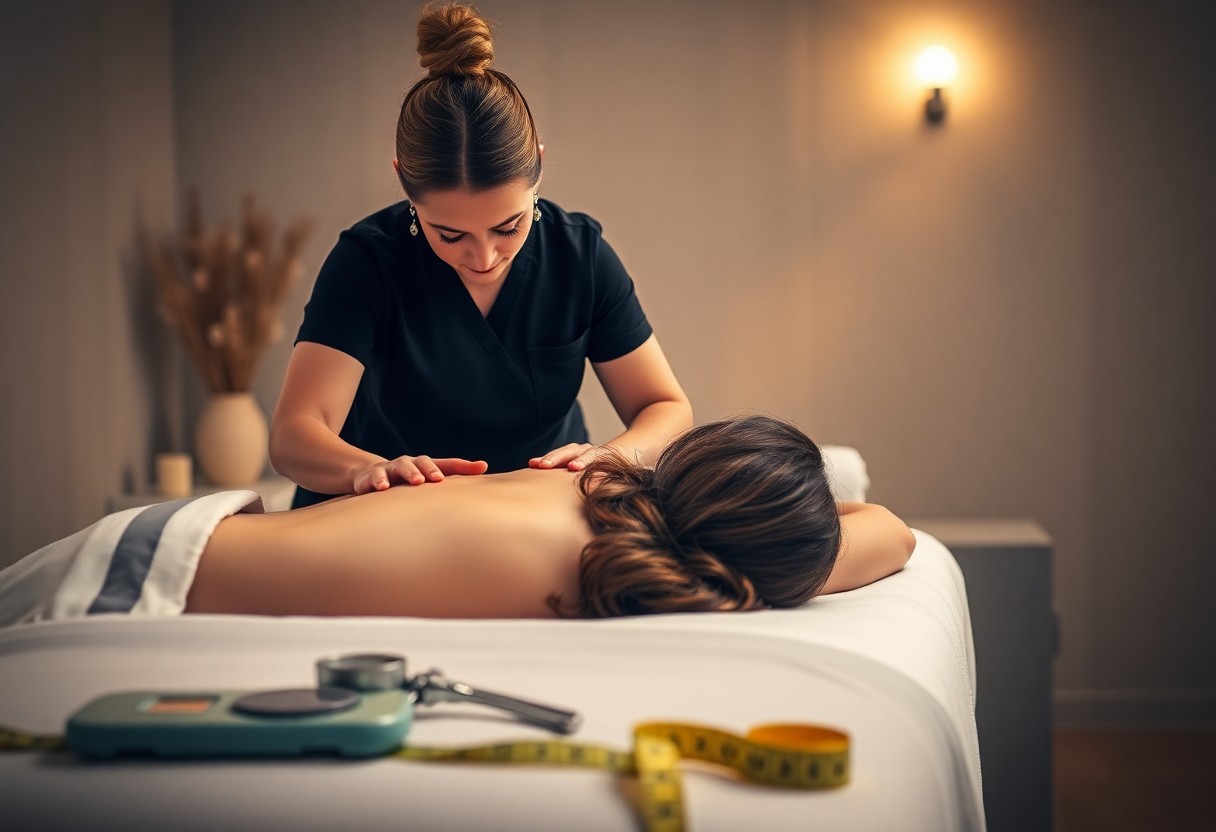
You may have heard claims that massage can aid in your weight loss journey, but the reality is often more complex. While massage therapy can enhance your overall well-being, reduce muscle tension, and improve circulation, its direct impact on shedding pounds is minimal. This post will explore the connection between massage and weight management, helping you understand what to expect when considering massage as part of your wellness routine.

Key Takeaways:

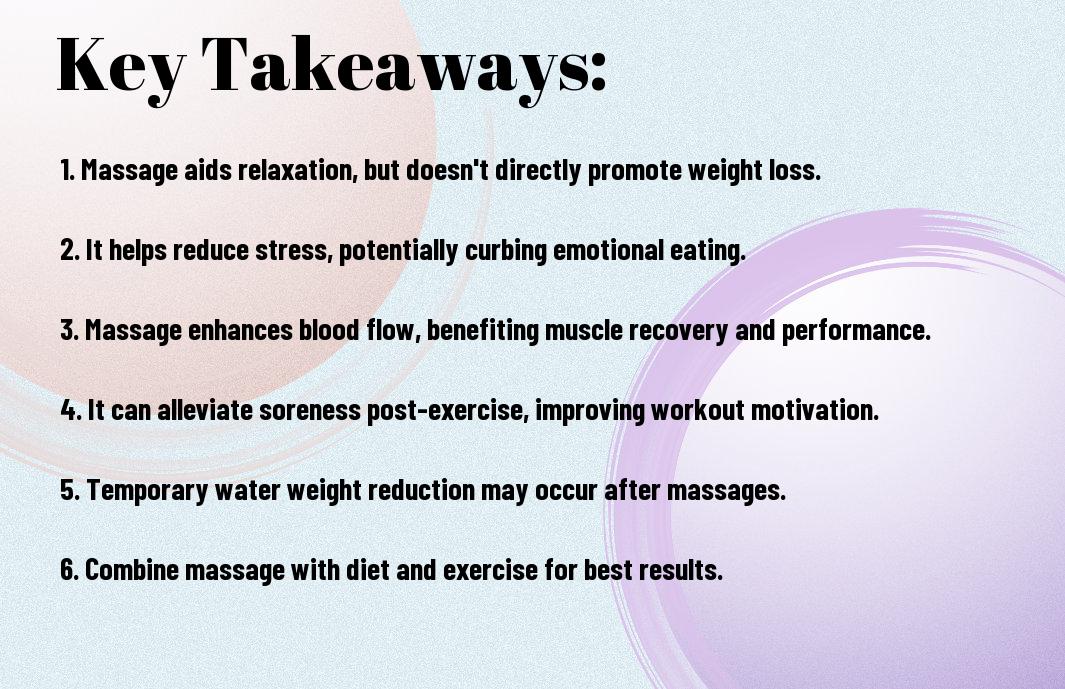
  • Massage Therapy does not directly lead to significant weight loss; it can be a complementary practice.
  • muscle recovery and promote feelings of wellness, which may support a healthier lifestyle.
  • Stress Reduction through massage may help curb emotional eating and promote better food choices.

Understanding Massage Techniques

To gain insight into how massage can impact weight loss, it’s important to understand various massage techniques. Each technique targets different aspects of your body, potentially aiding in your weight loss journey. For a deeper understanding, check out 5 Top facts about massage and weight loss. By incorporating the right methods, you can enhance your relaxation and wellbeing.

Different Types of Massage

At your next appointment, you might explore different types of massage therapy, including:

Type Description
Swedish Massage Uses long, flowing strokes to promote relaxation.
Deep Tissue Massage Targets deeper layers of muscle and connective tissue.
Trigger Point Therapy Focuses on specific painful areas to relieve tension.
Sports Massage Aims to prevent and treat sports-related injuries.
Hot Stone Massage Incorporates heated stones to relax muscles and improve circulation.

Recognizing each type’s unique benefits can help you choose the most effective option for your goals.

Mechanisms of Action

After exploring massage techniques, it’s helpful to understand the mechanisms through which massage can aid weight loss. Massage therapy enhances blood flow, boosts metabolism, and reduces stress levels, all of which contribute to a healthier body. Moreover, it can help in breaking down fat deposits and improving lymphatic drainage.

Massage not only relaxes your muscles but also influences various bodily functions that can affect your weight. By increasing circulation, it allows nutrients and oxygen to reach your cells more efficiently, while also helping to eliminate metabolic waste. Furthermore, the reduction of cortisol through regular massage can decrease stress-induced cravings, making it easier for you to manage your weight effectively.

The Science Behind Massage and Weight Loss

Clearly, understanding the connection between massage and weight loss involves delving into relevant research and physiological processes. While massage therapy is often seen as a luxurious indulgence, emerging studies suggest it may have potential benefits for weight management by impacting your body’s metabolism and stress levels. However, it’s important to evaluate the effectiveness of massage in conjunction with a comprehensive lifestyle approach that includes diet and exercise.

Studies on Massage Efficacy

Behind the allure of massage lies a growing body of research examining its efficacy in promoting weight loss. Some studies suggest that massage can enhance circulation and reduce body fat, but these findings often point to the need for a holistic approach. You should consider incorporating massage as part of a broader wellness strategy rather than relying on it solely for losing weight.

Physiological Effects on Metabolism

For the most part, massage can influence your body’s metabolic rate and fat utilization. Regular massage may help lower cortisol levels, the hormone associated with stress that can contribute to weight gain when elevated. Additionally, improved circulation from massage can facilitate nutrient delivery and enhance the removal of waste products, supporting overall metabolic function.

Also, when you receive massage therapy, your body experiences increased relaxation, which can positively affect your metabolism. Reduced stress levels can lead to better sleep patterns and improved hormonal balance, both of which play a role in maintaining a healthy weight. By integrating massage into your routine alongside a balanced diet and regular exercise, you empower your body to work more efficiently in managing weight.

Complementary Benefits of Massage

All too often, people underestimate the diverse advantages of massage beyond relaxation. While it can aid in weight loss when combined with a healthy lifestyle, the benefits extend to stress reduction, improved sleep quality, and overall well-being. These complementary effects can enhance your efforts toward achieving and maintaining a healthy weight, making regular massage sessions an integral part of your wellness routine.

Stress Reduction

Benefits of massage in stress reduction are well-documented. By lowering cortisol levels in the body, massage helps you feel more relaxed and calm, which can prevent emotional eating and promote healthier lifestyle choices. Reducing stress not only improves your mood but also enhances your focus and motivation to pursue your weight loss goals.

Improved Sleep Quality

Sleep plays a vital role in your weight loss journey. Good quality rest is necessary for regulating hormones that control hunger and metabolism. Massage therapy can significantly improve your sleep quality, allowing you to fall asleep faster and enjoy deeper rest. This enhancement in your sleep patterns can lead to better energy levels and a more balanced approach to weight management.

The stress-relieving properties of massage contribute to a more restful night’s sleep by calming your mind and relaxing your body. By addressing muscle tension and promoting blood circulation, massage prepares you for sleep, making it easier to enjoy restorative phases of rest. When you prioritize good sleep, you empower your body to function optimally, aiding in weight loss and overall health.

Common Misconceptions

Once again, people often fall for common misconceptions about massage and its role in weight loss. Many believe that simply receiving regular massages will lead to significant weight loss or a complete body transformation. It’s important to recognize that while massage can support your wellness journey, it is not a standalone solution for shedding pounds.

Massage as a Standalone Weight Loss Solution

At its core, massage therapy should be seen as a complementary treatment rather than a primary method for weight loss. While it can aid in muscle recovery and relaxation, it is not effective for burning calories or significantly altering your body composition on its own.

Myths Regarding Fat Loss

Around the topic of fat loss, many myths persist, leading to confusion about the effectiveness of various approaches. Often, people think that localized massages can remove fat specifically from certain areas of the body. This misconception can result in unrealistic expectations and misguided efforts in your weight loss journey.

Indeed, the idea that targeted massage can eliminate fat in specific areas is a common myth that needs clarification. Fat loss occurs throughout the entire body and is influenced by overall caloric deficit and lifestyle choices, not isolated treatments. You may find relaxation and temporary reductions in the appearance of cellulite or puffiness with massage, but these effects are transient and not indicative of actual fat loss. Sustainable weight loss requires a holistic approach, incorporating exercise, balanced nutrition, and healthy habits, rather than relying solely on any single treatment or method.

Integrating Massage into a Weight Loss Plan

After incorporating massage therapy into your weight loss journey, you can enhance your overall experience and results. By using massage as a complementary tool, it can help alleviate muscle tension, promote relaxation, and improve your range of motion—all of which may support increased physical activity. When done alongside a balanced diet and consistent exercise routine, massage can contribute positively to your weight loss goals.

Combining with Diet and Exercise

Against popular belief, massage alone won’t result in significant weight loss. However, it plays a supportive role in a comprehensive approach that includes a healthy diet and regular exercise. By addressing muscle soreness and stress, massage can help you stay motivated and committed to your overall plan, making it easier for you to maintain an active lifestyle.

Frequency and Duration Recommendations

Combining regular massage sessions with your weight loss strategy can enhance your progress. Aim for weekly sessions tailored to your needs, allowing for adjustments based on workout intensity and stress levels. Frequent massages can improve circulation, reduce muscle soreness, and promote relaxation, providing you with the necessary recovery time to stay on track with your fitness objectives.

At the beginning of your weight loss plan, consider scheduling a massage every one to two weeks. As you evolve in your fitness journey, you may find that bi-weekly or even weekly sessions are beneficial, especially if you engage in high-intensity workouts. Pay close attention to your body’s signals, adjusting the frequency as needed to ensure optimal recovery and support for your weight loss efforts.

Expert Opinions and Perspectives

For anyone considering massage as a weight-loss aid, it’s imperative to understand the insights of professionals in the field. Experts suggest that while massage can improve circulation and promote relaxation, it should not be seen as a primary weight-loss strategy. Instead, they recommend combining it with a balanced diet and regular exercise to achieve the best results. Understanding these viewpoints can help you set realistic expectations and integrate massage effectively into your wellness routine.

Interviews with Health Professionals

Among the health professionals interviewed, many highlighted that massage therapy does provide benefits that can complement your weight loss efforts. For instance, physical therapists often acknowledge that massage can reduce muscle tension and enhance recovery, allowing you to engage in physical activities more comfortably. However, they emphasize that consistent exercise and healthy eating habits are paramount for lasting weight loss outcomes.

Real-life Testimonials

Health practitioners often share experiences of clients who have incorporated massage into their weight management journeys. While these testimonials can provide insight into the potential benefits of massage, they also highlight that individual results vary widely and that massage alone is not a sustainable weight-loss solution.

With numerous individuals reporting positive experiences, it’s clear that some have found value in integrating massage into their weight loss plans. These real-life testimonials often showcase how regular massage helped them reduce stress and improve their overall well-being, which in turn, made adhering to healthier habits easier. Many note that the relaxation and rejuvenation they experienced through massage contributed to a more balanced lifestyle, aiding in weight management. However, individualized approaches and dedication to holistic health remain imperative for achieving lasting results.

Q: Can massage help with weight loss?

A: While massage can enhance relaxation and improve circulation, it is not a direct method for weight loss. Instead, it can support an overall fitness regime by reducing muscle tension and pain, which may help individuals maintain their exercise routines more effectively. For sustainable weight loss, a balanced diet and regular physical activity are important.

Q: What types of massage are most beneficial for weight loss?

A: Certain types of massage, such as deep tissue massage and lymphatic drainage, may help reduce water retention and improve circulation. However, these methods are best used as complementary therapies alongside a proper exercise and nutrition plan, rather than standalone solutions for weight loss.

Q: How does massage affect metabolism?

A: Massage can indirectly influence metabolism by reducing stress and promoting relaxation. High stress levels can lead to increased cortisol production, which may contribute to weight gain. By relieving tension and stress, massage can help balance cortisol levels, potentially aiding metabolic processes.

Q: Is it safe to rely on massage for weight loss?

A: It is not advisable to rely solely on massage as a weight loss strategy. While it can be a beneficial addition to a weight loss program, it should be combined with healthy eating habits and regular physical activity for effective results. Consulting a healthcare professional is recommended for personalized advice.

Q: How often should I get a massage to aid my weight loss journey?

A: The frequency of massages can vary based on individual needs and preferences. Many people find that regular sessions, such as once a week or biweekly, can help alleviate muscle tension and support recovery from workouts. It is important to maintain a balanced approach that includes diet and exercise alongside massage therapy.

Massage and Digestive Health – Is There a Connection

There’s a growing interest in the link between massage therapy and digestive health, prompting you to wonder if incorporating massages into your routine could improve your gastrointestinal function. By understanding how massage affects your body, you can discover ways it might alleviate discomfort, reduce stress, and promote overall wellness. This informative post will explore the potential benefits of massage therapy on your digestive system, equipping you with the knowledge to make informed decisions about your health and well-being.

Key Takeaways:

  • Improved Circulation: Massage can enhance blood flow, which may promote better nutrient absorption in the digestive system.
  • Relaxation Response: The calming effects of massage help reduce stress, potentially alleviating digestive disorders like irritable bowel syndrome (IBS).
  • Smoother Digestion: Certain massage techniques, especially abdominal massage, can stimulate peristalsis and relieve constipation.
  • Muscle Release: Tension in the abdominal and lower back muscles can impede digestion; massage can help release this tension.
  • Holistic Approach: Integrating massage into a wellness routine can support overall digestive health alongside diet and hydration.

The Role of Massage in Digestive Health

The connection between massage and digestive health is pivotal, as it can significantly enhance digestive function. By applying targeted pressure and techniques on specific areas of the body, massage promotes relaxation, reduces stress, and improves blood circulation, all of which aid in boosting digestive efficiency. Incorporating regular massage into your wellness routine can contribute to a healthier gut and overall well-being.

Mechanisms of Action

The physiological mechanisms through which massage aids digestion are multifaceted. It stimulates the parasympathetic nervous system, promoting relaxation and reducing tension. This, in turn, encourages better blood flow to the digestive organs and enhances peristalsis, the process that moves food through your intestines. Additionally, it can help alleviate symptoms of bloating and discomfort, ensuring a smoother digestive process.

Types of Massage Techniques Beneficial for Digestion

Types of massage techniques that you may find beneficial for digestion include:

  • Abdominal Massage
  • Swedish Massage
  • Reflexology
  • Shiatsu Massage
  • Deep Tissue Massage

Thou can choose techniques that resonate with you for optimal digestive health.

With various massage techniques available, each offers unique benefits targeting digestive health. Consider integrating techniques such as abdominal massage, which focuses on stimulating organs directly related to digestion, or reflexology, which addresses pressure points that correspond to gastrointestinal systems. Exploring Swedish massage and deep tissue techniques may aid in relieving tension that can negatively impact digestion. Incorporate these practices into your routine regularly.

  • Abdominal Massage
  • Swedish Massage
  • Reflexology
  • Shiatsu Massage
  • Deep Tissue Massage

Thou can personalize your approach to massage for optimal digestive wellness.

Massage Technique Benefits
Abdominal Massage Stimulates digestion and relieves bloating.
Swedish Massage Promotes relaxation and improves circulation.
Reflexology Targets pressure points linked to digestive organs.
Shiatsu Massage Balances energy and relieves tension.
Deep Tissue Massage Reduces chronic muscle tension impacting digestion.

Scientific Evidence: Massage Therapy and Digestion

While research continues to explore the relationship between massage therapy and digestive health, emerging studies suggest that massage can positively impact the digestive system. Findings reveal that various massage techniques may enhance gastrointestinal function by promoting relaxation and reducing stress, which are known to influence overall digestive processes. Specifically, techniques such as abdominal massage have shown promise in alleviating digestive discomfort and improving bowel motility.

Studies Supporting the Connection

To understand the relationship between massage therapy and digestion, several studies have examined the benefits of massage on gastrointestinal health. These studies indicate significant improvements in digestion-related symptoms among participants receiving regular massage therapy.

Case Studies and Testimonials

Across various settings, numerous case studies have showcased the benefits of massage therapy for individuals struggling with digestive issues. These accounts highlight personal experiences and improvements in symptoms after receiving massage treatments.

  • Case Study 1: A client with Irritable Bowel Syndrome (IBS) reported a 60% reduction in abdominal pain after 8 weekly sessions of abdominal massage.
  • Case Study 2: After 10 weeks of regular massage therapy, a participant with chronic constipation achieved normalization of bowel movements.
  • Case Study 3: An individual with anxiety-related digestion issues experienced a marked decrease in symptoms, with a 50% improvement in comfort levels reported post-treatment.

Supporting these findings, testimonials from clients highlight the real-world impact of massage on digestive health. Users often reflect on significant improvements in their conditions after consistent sessions, underlining the importance of incorporating massage into their wellness routines.

  • Testimonial 1: A participant admitted feeling more relaxed and reported a 70% decrease in bloating, attributing improvements to regular massages.
  • Testimonial 2: A client shared their story of overcoming nausea and discomfort, noting that massage therapy allowed them to regain control over their digestion.
  • Testimonial 3: An individual emphasized the reduction of stress-related digestive symptoms, stating that massage therapy had a transformative effect on their overall well-being.

Specific Conditions Benefited by Massage

Not all forms of treatment require a prescription or invasive procedures; massage therapy can be your ally in managing various digestive health issues. Incorporating massage into your wellness routine offers a natural way to alleviate symptoms associated with specific conditions, promoting a more balanced digestive system and overall well-being.

Irritable Bowel Syndrome (IBS)

Beside the conventional treatments, massage can serve as an effective complementary therapy for you if you suffer from Irritable Bowel Syndrome (IBS). Gentle manipulation of the abdominal area can ease tension, enhance circulation, and promote relaxation, which may alleviate some of the distressing symptoms associated with IBS.

Constipation and Bloating

Any digestive discomfort, like constipation and bloating, can significantly affect your quality of life. Massage therapy can stimulate your intestinal function and relieve tension in the abdominal region, potentially easing these symptoms and promoting regularity.

Irritable bowel syndrome (IBS), constipation, and bloating can often overlap, leading to discomfort that can feel overwhelming. Massage techniques targeting the abdomen can assist in stimulating peristalsis, helping food move through your digestive tract more effectively. By promoting relaxation and reducing stress, massage may also enhance your overall digestive function, making it easier to manage these commonly experienced issues. Everyone’s body responds differently, so exploring various massage styles can help you identify what works best for your digestive health needs.

How to Incorporate Massage for Digestive Health

All individuals seeking to enhance their digestive health can benefit from incorporating massage techniques into their routine. Whether through self-massage or professional therapy, finding what works for you can help alleviate discomfort and promote better digestion. Start by establishing regular times for these practices, ensuring you create a soothing environment that supports relaxation and effective digestion.

Self-Massage Techniques

Massage your abdomen gently in circular motions, moving clockwise to follow the natural path of digestion. You can also apply light pressure to points such as the diaphragm and sides of your stomach. Additionally, practice breathing deeply as you massage, allowing your body to relax further and enhancing the massage’s effectiveness.

Professional Massage Therapy

Before booking a session, consider seeking a therapist who specializes in digestive health. A skilled professional can tailor the massage to your unique needs, focusing specifically on areas that may contribute to digestive issues.

For instance, techniques such as abdominal massage or reflexology may be employed to stimulate digestive organs and encourage optimal function. The therapist may also incorporate deep tissue work or gentle stretching to relieve tension and improve blood flow. By seeking professional guidance, you ensure that the massage you receive is both effective and safe, ultimately supporting your digestive health journey.

Potential Risks and Considerations

After exploring the benefits of massage for digestive health, it’s important to be aware of the potential risks and considerations involved. While most individuals can safely enjoy massage therapies, certain conditions may warrant caution. You should consider individual health issues, existing treatments, or sensitivities that could affect your experience.

Contraindications

Between the benefits, there are specific contraindications to be mindful of, such as severe gastrointestinal disorders, recent surgeries, or infections. If you have any medical conditions, it’s wise to discuss them with your massage therapist to ensure a safe experience tailored to your needs.

When to Consult a Healthcare Professional

At times, you may need to consult a healthcare professional before pursuing massage, particularly if you have ongoing digestive issues or recent health changes. Their guidance can help determine if massage is suitable for your condition.

For instance, if you’re experiencing persistent abdominal pain, significant changes in bowel habits, or underlying health concerns, seeking a healthcare professional’s advice is advisable before starting any massage therapy. This ensures that you are not exacerbating any existing conditions and that the chosen methods are aligned with your overall healthPlan.

Final Words

Considering all points, it’s clear that massage can play a significant role in improving your digestive health. By incorporating techniques like abdominal massage, you may find relief from discomfort and promote better digestion. This holistic approach can complement your overall wellness journey, making it worthwhile to explore. For more insight, check out What to Know About Belly Massage for Digestion, and discover how massage may enhance your digestive experience.

Q: How does massage therapy contribute to digestive health?

A: Massage therapy can enhance digestive health by promoting relaxation and reducing stress, which are known to negatively affect digestion. Techniques such as abdominal massage can stimulate the digestive organs, improving blood flow and promoting peristalsis (the wave-like motions that help move food through the intestines). Additionally, massage can help alleviate symptoms of bloating and constipation by relaxing tense muscles in the abdomen.

Q: Are there specific types of massage that are more effective for digestive issues?

A: Yes, certain massage techniques can be particularly beneficial for digestive problems. Abdominal massage, for example, focuses on the area around the stomach and intestines, helping to relieve discomfort and encourage better digestion. Techniques such as Swedish massage and deep tissue massage can also provide overall relaxation and improve circulation, which may indirectly enhance digestive function. It’s advisable to work with a trained massage therapist who understands which techniques are most effective for your specific digestive concerns.

Q: Can massage therapy replace conventional treatments for digestive disorders?

A: While massage can provide significant benefits for digestive health, it should not be viewed as a replacement for conventional medical treatments. It can be an effective complementary therapy that supports overall well-being and can help alleviate symptoms. Individuals with serious or chronic digestive disorders should consult healthcare professionals for comprehensive treatment plans and consider incorporating massage therapy as part of a holistic approach to their health.

The Benefits of Massage During Seasonal Changes

With the changing seasons, your body often experiences shifts that can impact your overall well-being. Embracing regular massage during these transitions can provide significant advantages, from alleviating stress and tension to boosting your immune system. You might find that massage therapy not only enhances your physical health but also supports your mental clarity during these times of change. To explore the specific benefits that massage offers especially during the fall and winter months, check out this resource on Massage Benefits During the Fall/Winter Months.

Key Takeaways:

  • Stress Relief: Massage therapy can significantly reduce stress levels, helping individuals adapt better to the transition of seasons.
  • Enhanced Immunity: Regular massages can boost the immune system, making the body more resilient during seasonal changes.
  • Improved Circulation: Massage promotes better blood flow, which is especially beneficial when temperatures fluctuate.
  • Mood Stability: By releasing endorphins, massage can help combat seasonal mood swings and promote emotional well-being.
  • Pain Relief: Massage can alleviate muscle tension and joint discomfort that often accompanies changes in the weather.

Understanding Seasonal Changes

Before you can appreciate the benefits of massage during seasonal transitions, it’s important to understand what these changes entail. Each season brings its own unique characteristics, influencing not just the environment, but also your body’s physiology. From the warmth of summer to the chill of winter, these shifts can impact your health, energy levels, and overall well-being. Recognizing these seasonal variations allows you to proactively address any discomfort or stress that may arise, facilitating a smoother transition.

Physical Effects of Seasonal Transitions

Behind each seasonal transition lies a series of physical changes in your body. For instance, cold weather can lead to stiff muscles and joint soreness, while warmer temperatures may prompt increased energy levels. As the environment shifts, your body may react with symptoms such as allergies in spring or fatigue in the fall. Understanding these effects can help you adapt your self-care routines, including massage therapy, to soothe your body during these shifts.

Emotional and Mental Impact

An awareness of seasonal changes is vital as they significantly influence your emotional and mental well-being. The transition from sunny days to darker, colder months can lead to feelings of sadness or lethargy, affecting your motivation and outlook. On the other hand, the arrival of spring can invigorate your spirits, counteracting any winter blues. Acknowledging these emotional fluctuations allows you to seek supportive practices, such as regular massage therapy, which can help balance your mood and reduce anxiety during these times.

Understanding the emotional impact of seasonal changes gives you valuable insight into your mental health. You may experience heightened anxiety or feelings of depression during certain seasons, often resulting from a lack of sunlight or disruptions to your routine. Being aware of these shifts enables you to take proactive steps, such as scheduling massage sessions that can help elevate your mood and relieve tension. By integrating self-care practices during these transitions, you can better navigate the emotional landscape of each season, allowing for a more harmonious state of mind.

Benefits of Massage Therapy

Clearly, massage therapy offers a myriad of benefits during seasonal transitions, enhancing your physical and mental well-being. By promoting relaxation and reducing stress, massage helps your body adapt to changing weather patterns. Additionally, the therapeutic effects of massage can improve circulation, alleviate muscle tension, and provide a mental boost to help you face the challenges that different seasons can bring. Incorporating regular massage into your routine during these times can make a significant difference in how you feel overall.

Alleviating Seasonal Affective Disorder

Among the emotional hurdles you may encounter with changing seasons is Seasonal Affective Disorder (SAD), which can lead to mood fluctuations and fatigue. Engaging in massage therapy can significantly lift your spirits by stimulating the production of serotonin, a neurotransmitter linked to mood regulation. The relaxation achieved through massage may also help mitigate the symptoms of anxiety and depression, offering you a sense of comfort and stability during these transitional periods.

Boosting Immune Function

Functioning optimally, your immune system works hard to protect you against seasonal illnesses, and massage therapy can enhance its effectiveness. By improving circulation and reducing stress hormones in your body, regular massage helps facilitate a better immune response to infections and diseases. This can be particularly valuable during transitions between seasons when your body is adjusting to new environmental stressors.

And by receiving regular massages, you support lymphatic drainage, which is vital for detoxifying your body and clearing out toxins that may have accumulated. The increased circulation also ensures that your immune cells are effectively transported throughout your body, preparing your defenses against seasonal ailments. The nurturing touch of massage not only provides immediate relaxation but also strengthens your health over the long term, making it a key practice during the seasonal changes.

Types of Massage Recommended for Seasonal Relief

Keep your body in balance during seasonal changes by incorporating the following types of massage into your wellness routine:

  • Swedish Massage
  • Deep Tissue Massage
  • Hot Stone Massage
  • Aromatherapy Massage
  • Reflexology

After exploring these options, you can find the right fit for your needs.

Type of Massage Description
Swedish Massage Gentle strokes to enhance relaxation.
Deep Tissue Massage Focus on relieving chronic tension.
Hot Stone Massage Warm stones to soothe tight muscles.
Aromatherapy Massage Use of imperative oils for holistic healing.
Reflexology Targeted pressure on feet and hands.

Swedish Massage

The Swedish massage is ideal for relaxation and stress relief. By utilizing long, flowing strokes, kneading, and gentle circular motions on top layers of muscles, it improves circulation and alleviates tension. You will feel a sense of well-being, making it a perfect choice during transitional seasons.

Deep Tissue Massage

About deep tissue massage, it concentrates on the deeper layers of muscle and connective tissue. This type of massage is particularly beneficial if you experience chronic pain or muscle stiffness as it works through tension and promotes healing in the affected areas.

Further, deep tissue massage employs more intense pressure and techniques, such as friction and stretching, to help break up knots and encourage blood flow. This can be especially advantageous during seasonal changes when your body is adapting to fluctuating temperatures and may require extra care. Incorporating deep tissue massage into your routine can significantly enhance your overall comfort and functionality.

Incorporating Massage into Your Seasonal Wellness Routine

Unlike many wellness practices, massage therapy can be easily integrated into your seasonal routine. As the weather changes, your body may experience increased tension or stress, making it the perfect time to seek out massage. By prioritizing regular sessions during these transitions, you can enhance your overall well-being, promote relaxation, and support your body’s natural rhythm as it adapts to the new season.

Frequency and Timing

Between seasonal shifts, aim for monthly massages to maintain balance and well-being. This frequency allows your body to release built-up tension and adapt smoothly to environmental changes. Consider scheduling your sessions just before a new season begins or during particularly stressful periods to maximize benefits.

Choosing the Right Therapist

About selecting a therapist, it’s vital to find someone who aligns with your specific needs and preferences. A skilled massage therapist should not only be experienced in various techniques but should also understand the impact of seasonal changes on the body.

At every stage in your wellness journey, having the right therapist can significantly enhance your massage experience. Look for someone who specializes in seasonal care and listens to your concerns. Assessment of their certifications, techniques, and personal rapport will ensure you receive tailored treatments that meet your individual needs, enhancing the therapeutic benefits of each session.

Additional Holistic Practices to Complement Massage

To enhance the benefits of massage during seasonal changes, consider integrating additional holistic practices into your routine. These complementary approaches can help you achieve a more balanced state, promoting relaxation and well-being. By embracing a holistic lifestyle, you can elevate the effects of your massage sessions and further support your body’s natural processes during transitional periods.

Aromatherapy

With the use of vital oils, aromatherapy can significantly enhance your massage experience. Scents like lavender, eucalyptus, or citrus can not only uplift your mood but also soothe your senses. By incorporating these aromatic elements during your massage, you can deepen relaxation and enjoy a more immersive experience aimed at restoring harmony in your body and mind.

Mindfulness and Relaxation Techniques

With mindfulness and relaxation techniques, you can cultivate a greater sense of presence and calm in your daily life. Practices such as deep breathing, meditation, or gentle yoga can complement your massage therapy by reducing stress and promoting a deeper connection to your body. These techniques prepare you for a more fulfilling massage experience, allowing you to release tension and embrace the healing process.

Holistic practices like mindfulness and relaxation techniques can transform your approach to wellness. By dedicating time to cultivate awareness and tranquility, you create a supportive environment for relaxation. Engaging in these practices before or after your massage can enhance the release of physical and emotional tension, resulting in a more profound sense of rejuvenation and balance during seasonal transitions.

Case Studies: Success Stories of Seasonal Massage Therapy

After exploring the impact of seasonal changes on your body, you may be inspired by real-life examples of how massage therapy can enhance your well-being. Here are some compelling case studies that showcase the benefits:

  • Case Study 1: A 40-year-old woman experienced a 60% reduction in anxiety symptoms during the autumn season after bi-weekly massages, reporting improved sleep quality and overall mood.
  • Case Study 2: A 25-year-old man noted a 50% decrease in muscle tension and soreness during spring months after receiving massage therapy weekly, enabling him to maintain a consistent workout routine.
  • Case Study 3: An elderly client reported a 70% improvement in joint mobility and pain reduction during winter after regular massage appointments, enhancing his quality of life significantly.
  • Case Study 4: A 30-year-old female athlete increased her performance by 40% in summer competitions following targeted massage sessions, which alleviated fatigue and improved recovery times.

These case studies highlight how tailored massage therapy during seasonal transitions can lead to significant health improvements in your life.

To wrap up

Now that you understand the myriad benefits of massage during seasonal changes, you can appreciate how it helps your body adapt to shifting temperatures and environments. By incorporating regular massage therapy into your self-care routine, you can enhance your immune system, improve circulation, and alleviate stress-related symptoms. This proactive approach not only promotes physical well-being but also nurtures mental clarity, making it an excellent choice for navigating seasonal transitions. Prioritize massage to support your health and vitality throughout the year.

FAQ

Q: How can massage therapy help alleviate seasonal allergies?

A: Massage therapy can alleviate seasonal allergies by promoting relaxation and reducing stress, which can enhance the immune response. Certain techniques, like lymphatic drainage massage, can improve circulation and help clear nasal congestion, providing relief from allergy symptoms. Additionally, by encouraging deeper breathing and promoting better oxygen flow, massage can ease tension in the respiratory muscles, making it easier to breathe.

Q: What role does massage play in preparing the body for seasonal changes?

A: As seasons change, our bodies may experience shifts in temperature, humidity, and overall environmental conditions. Massage plays a significant role in helping the body adjust by increasing circulation and reducing muscle tension. This helps to prevent injuries or discomfort caused by abrupt changes in activity levels that often accompany seasonal transitions. Regular massages can enhance flexibility, promote relaxation, and improve overall wellness as the body adapts to new seasonal demands.

Q: Can massage improve mood during the transition between seasons?

A: Yes, massage has been shown to improve mood and mental well-being, especially during seasonal transitions. Changes in daylight, temperature, and activity can impact mental health, leading to feelings of sadness or lethargy. Massage therapy stimulates the release of endorphins and other neurotransmitters, enhancing feelings of relaxation and joy. By reducing stress and promoting a sense of balance, massage can help individuals better cope with the emotional challenges that may arise during seasonal changes.

How to Know If You’re Dehydrated After a Massage

Over the course of a massage, your body undergoes significant physical manipulation that can lead to the release of toxins and a shift in fluid balance. Consequently, you may find yourself feeling dehydrated afterward, affecting your overall wellbeing. Understanding the symptoms of post-massage dehydration can help you take necessary steps to rehydrate and recover effectively. In this guide, you will learn how to identify signs of dehydration, the importance of hydration, and practical tips to ensure you feel your best after a soothing massage.

Key Takeaways:

  • Listen to your body: Pay attention to signs of thirst, dry mouth, or fatigue after your massage.
  • Monitor urine color: Dark yellow or amber urine can indicate dehydration, while light yellow suggests proper hydration.
  • Assess muscle soreness: Increased muscle soreness or cramping post-massage might signal that your body needs more fluids.
  • Check for dizziness: Feeling lightheaded or dizzy after a massage may hint at a need for hydration.
  • Consider massage intensity: The type and duration of the massage can affect hydration levels; more intense sessions may require additional fluid intake.

Signs and Symptoms of Dehydration

While you may feel relaxed after a massage, it’s crucial to be aware of dehydration signs. Insufficient water intake can lead to various symptoms that indicate your body needs hydration. These signs can manifest physically, emotionally, or cognitively, and recognizing them can help you maintain your well-being post-massage.

Physical Indicators

Symptoms of dehydration include dry mouth, fatigue, and headaches. You may also notice dark-colored urine or reduced urine output, which are strong indicators that your body needs more fluids. If you experience any of these physical signs, it’s vital to rehydrate promptly to aid recovery.

Emotional and Cognitive Effects

Among the signs of dehydration are changes in your mood and cognitive function. You might feel more irritable, anxious, or even confused if you’re dehydrated. These emotional shifts can negatively affect your overall experience and well-being.

With insufficient water intake, your body may struggle to perform at its best, leading to decreased concentration and sluggish thinking. This can interfere with your daily activities and overall quality of life. Staying hydrated not only supports your physical health but also enhances your emotional resilience and cognitive clarity. Thus, prioritize hydration, especially after a massage, to keep your mind and body functioning optimally.

Importance of Hydration After Massage

There’s no denying that staying hydrated post-massage plays a significant role in maximizing the benefits of your treatment. When you receive a massage, your body undergoes various changes, including the release of toxins and lactic acid from your muscles. Replenishing lost fluids ensures that these substances are flushed out effectively, promoting higher levels of energy and overall wellness.

Muscle Recovery

Before you can fully enjoy the relaxation that follows a massage, it’s vital to focus on muscle recovery. Proper hydration allows your muscles to repair and rejuvenate more efficiently, reducing soreness and stiffness. When you drink enough water, it supports nutrient transport to your muscles, helping them recover faster and perform better in your daily activities.

Overall Well-being

Hydration affects your overall well-being, extending beyond just muscle recovery. Staying well-hydrated can help enhance your mood, increase mental clarity, and improve your energy levels. It also plays a role in maintaining healthy skin, which can improve your appearance and boost your confidence. Paying attention to your hydration habits after a massage can significantly contribute to your physical and mental health.

With adequate hydration, your body can optimize its performance and resilience. Water helps in regulating body temperature, supporting digestion, and maintaining electrolyte balance. When you prioritize your hydration after a massage, you’re not just enhancing the immediate benefits but also investing in your long-term health and vitality. Your commitment to hydration can transform how you feel overall, making every massage experience more rewarding.

Assessing Your Hydration Levels

After a massage, it’s important to evaluate your hydration status to ensure you feel your best. Discomfort or fatigue can be indications that your body needs more fluids. Pay attention to your body’s signals, including thirst levels, urine color, and general well-being, to determine if you’re properly hydrated.

Self-Assessment Techniques

Your hydration levels can be gauged through simple self-assessment techniques. Start by noting how thirsty you feel, as thirst often signals dehydration. Additionally, observe the color of your urine; a light straw color typically indicates good hydration, while darker shades may suggest a need for more water.

Tools and Methods for Monitoring

About assessing your hydration, several tools and methods can help track your fluid intake. You may consider using apps that monitor daily water consumption or hydration level meters that provide immediate feedback based on physiological parameters.

Levels of hydration can be monitored more effectively using various methods. Using a water tracking app helps you visualize your intake, while hydration strips or smart bottles can provide significant insight into your hydration status. Additionally, weighing yourself before and after physical activity can help gauge fluid loss. Staying proactive about these methods will enhance your overall wellness and ensure you remain hydrated after your massage sessions.

Recommended Fluid Intake After a Massage

Many experts suggest that hydrating after a massage is important to help your body recover and promote the benefits of the treatment. It’s recommended to drink water and other hydrating fluids to replenish lost fluids and facilitate the detoxification process. Aim to consume a sufficient amount to feel adequately hydrated.

Types of Fluids to Consider

Any fluids can assist in rehydrating your body, but some are particularly beneficial:

Water The best option for hydration.
Herbal Tea Soothing and hydrating without caffeine.
Coconut Water Natural electrolytes for replenishment.
Fruit-Infused Water Flavorful hydration with added vitamins.
Electrolyte Drinks Useful for intense recovery.

Recognizing the need for hydration after your massage can enhance the revitalizing effects of your treatment.

Timing and Quantity

Between your massage and throughout the day, it is important to consume fluids to maintain adequate hydration levels. Consider drinking water or herbal tea soon after your massage to kickstart the recovery process.

Consequently, aim for around 16-24 ounces of fluids within the first hour after your massage, followed by regular sips throughout the day. This helps flush out toxins and supports muscle recovery, ensuring you feel your best long after the session ends.

Tips to Prevent Dehydration

Now that you understand the signs of dehydration, implementing preventive measures can significantly enhance your massage experience. Consider the following tips:

  • Drink plenty of water before and after your massage.
  • Avoid caffeine and alcohol, as they can contribute to dehydration.
  • Consume hydrating foods like fruits and vegetables.
  • Schedule your massage at a time when you can hydrate afterward.

This will help keep your body well-hydrated and improve your overall wellness.

Pre-Massage Hydration Strategies

For optimal results, ensure you hydrate well before your massage. Aim to drink at least 16-20 ounces of water a couple of hours prior, allowing your body to absorb the fluids. You may also enjoy herbal teas or electrolyte-rich beverages, which can help you stay hydrated and energized, promoting better muscle relaxation during your session.

Post-Massage Care

Above all else, your post-massage care is key to your hydration levels. Right after your session, make it a point to drink water to help flush out toxins released during the massage. Pair this with light snacks such as a banana or yogurt, which can replenish lost nutrients and keep you hydrated.

Prevent dehydration by continuing to hydrate throughout the day. Drinking water consistently, aiming for about 8-10 glasses daily, will keep your fluid levels balanced. If you’ve engaged in an intense massage, consider consuming electrolyte-replenishing drinks. This ongoing commitment to hydration can enhance your body’s recovery and overall well-being.

When to Seek Medical Advice

For persistent symptoms of dehydration, it’s imperative to seek medical advice. If you experience prolonged headaches, dizziness, rapid heartbeat, or confusion after your massage, consider consulting a healthcare professional. Staying informed about your hydration needs is vital, and you can find more information in this article on Why Drink Water After A Massage? Hydration Tips ….

Severe Symptoms

Across many individuals, severe dehydration symptoms can manifest as extreme thirst, dry mouth, and decreased urine output. If you find these symptoms escalating, it is advisable to seek immediate medical consultation.

Understanding Your Body’s Needs

For any wellness journey, understanding your body’s hydration needs is vital. Factors such as your activity level, environmental conditions, and individual health can influence how much water you require post-massage.

Another aspect to consider is that hydration levels can vary day to day based on diet and physical exertion. Always listen to your body; if you feel unusually fatigued or experience significant changes in your urine color, this may signal the need for increased water intake. Tailoring your hydration habits to fit your lifestyle can help maintain optimal wellness.

Summing up

As a reminder, knowing if you’re dehydrated after a massage involves being aware of your body’s signals, such as dry mouth, fatigue, or headaches. It’s imperative to monitor how you feel and respond by hydrating appropriately. Drinking water not only helps restore balance but also enhances the benefits of your massage. For more insights on hydration after a massage, check out Why Do You Have to Drink Water After a Massage?.

FAQ

Q: What are the common signs of dehydration I should look out for after a massage?

A: After a massage, common signs of dehydration may include dry mouth, increased thirst, dark yellow urine, fatigue, or dizziness. Some individuals may also experience headaches or a general feeling of lethargy. Paying attention to these symptoms can help you determine if you need to increase your fluid intake.

Q: How can I prevent dehydration during my massage therapy sessions?

A: To prevent dehydration during your massage sessions, it’s advisable to drink plenty of water before and after your appointment. You can also consider reducing caffeine and alcohol intake in the hours leading up to your massage, as both can contribute to dehydration. Additionally, let your therapist know if you have concerns about dehydration; they may adjust the ambiance of the session or suggest breaks for hydration.

Q: What should I do if I realize I am dehydrated after a massage?

A: If you recognize signs of dehydration after a massage, it’s important to replenish fluids gradually. Start by drinking water or an electrolyte-rich beverage to help restore your hydration levels. You may also want to consume foods with high water content, such as fruits and vegetables. If symptoms persist or worsen, consider consulting a healthcare professional for further guidance.

Skip to content